Tokyo · Kantō · Japan
Tokyo Tours, Tickets & Things to Do
Discover the best Tokyo tours, private city sightseeing, Shinjuku food tours, sumo shows and go-kart experiences, plus day trips to Mt Fuji and Hakone. Compare top-rated activities and plan your perfect Tokyo itinerary.
4,342 experiences Free cancellation Top-rated tours Instant booking
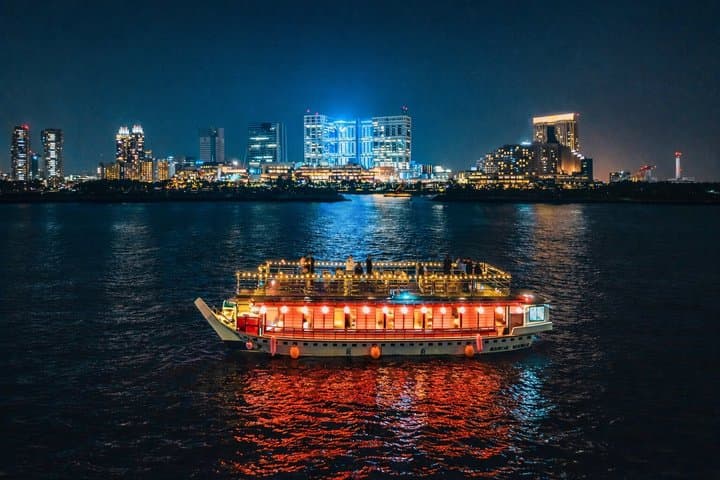
Sunset tours in Tokyo
Departures that are under way when the sun sets in the coming weeks — start times checked against the local sunset.


Good for families in Tokyo
Children can join from a young age and pay less than adults — taken from each operator’s price list.
Typical tour price in Tokyo: €83 per person, 38% above the global medianHow much do tours cost in Tokyo? →







Browse
Explore Tokyo by interest
Whatever brings you to Tokyo — world-class museums, the river, or a long lunch — start with the experiences travellers love most.
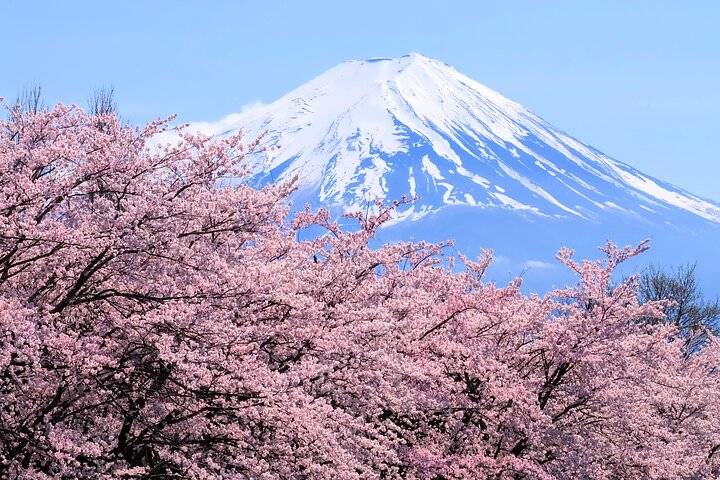
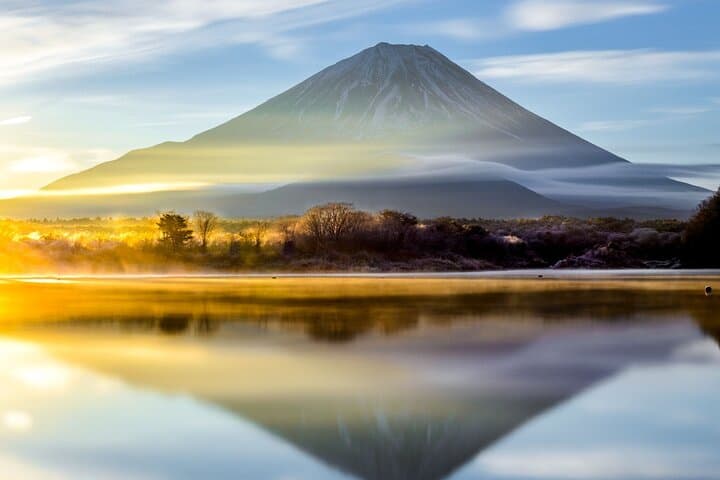
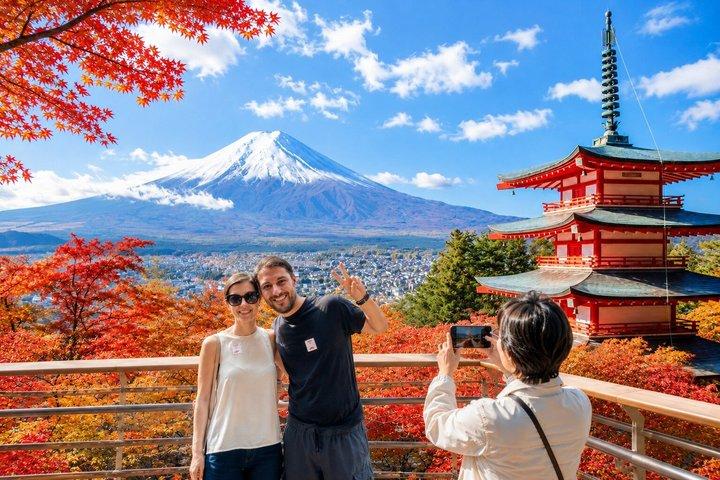
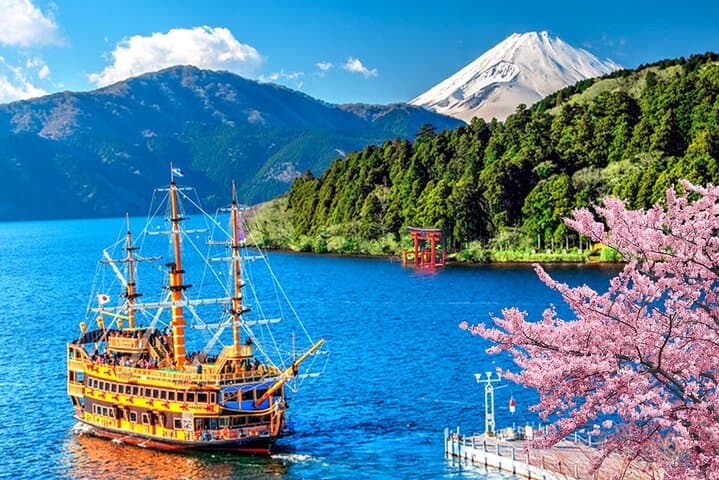
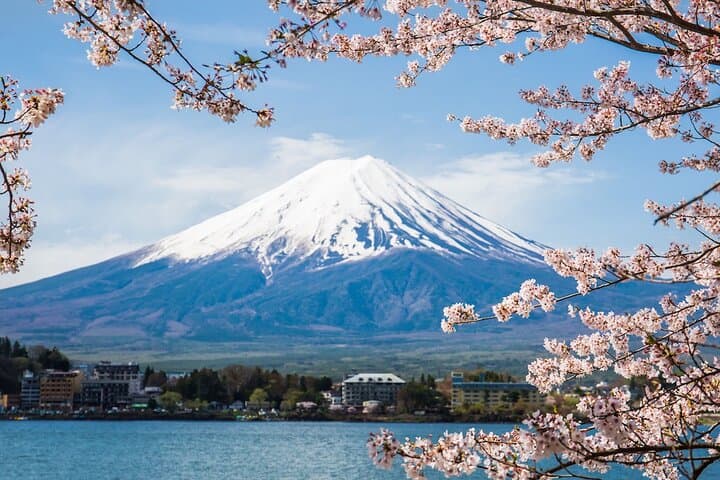
Mt Fuji & Hakone
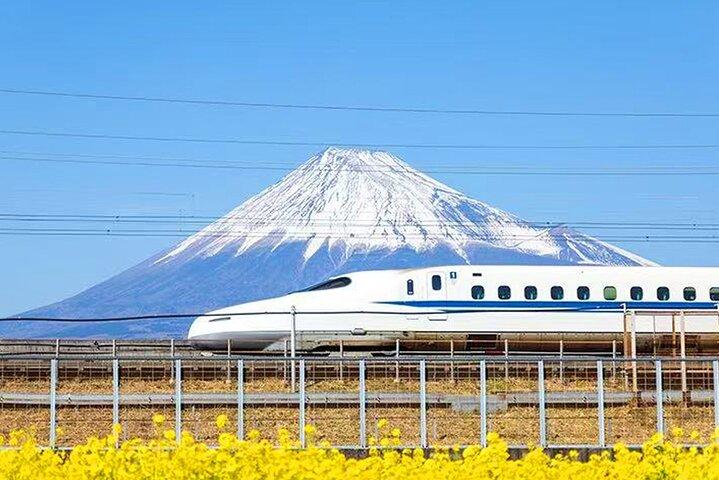
Day trips to Japan’s iconic peak and the Hakone hot springs.
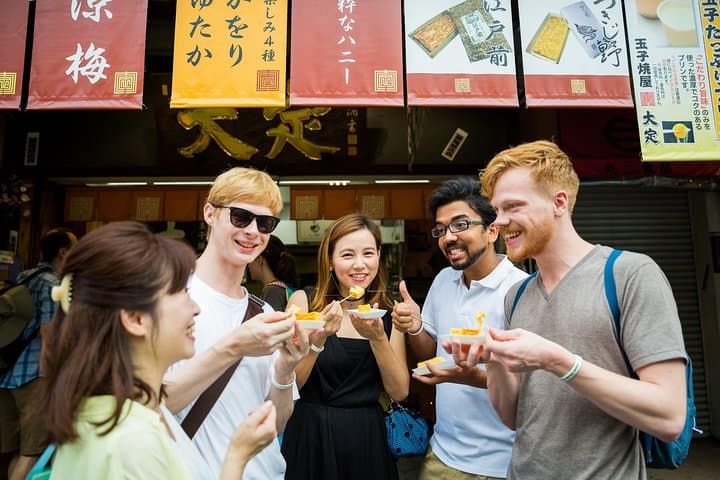
ExploreFood tours
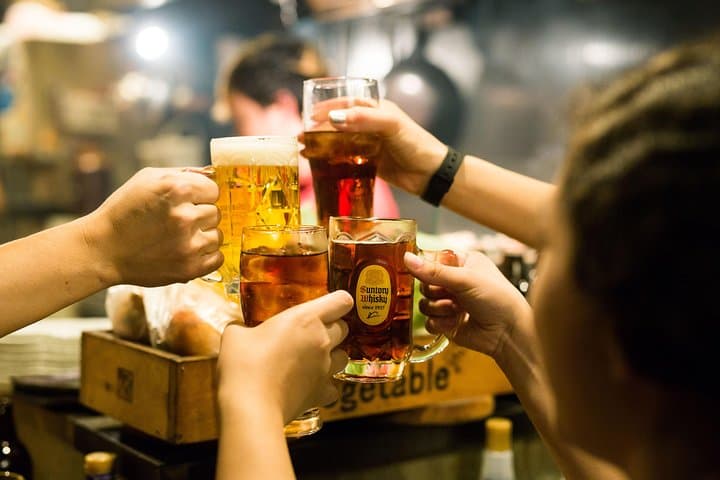
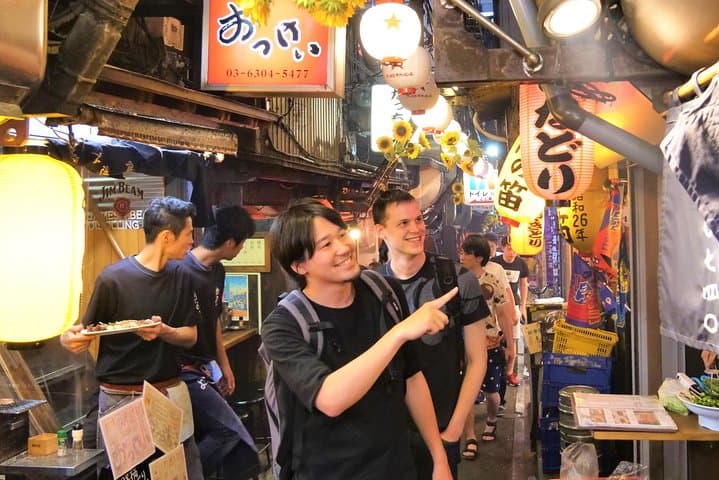
Sushi, ramen and izakaya hopping in Shinjuku and Asakusa.
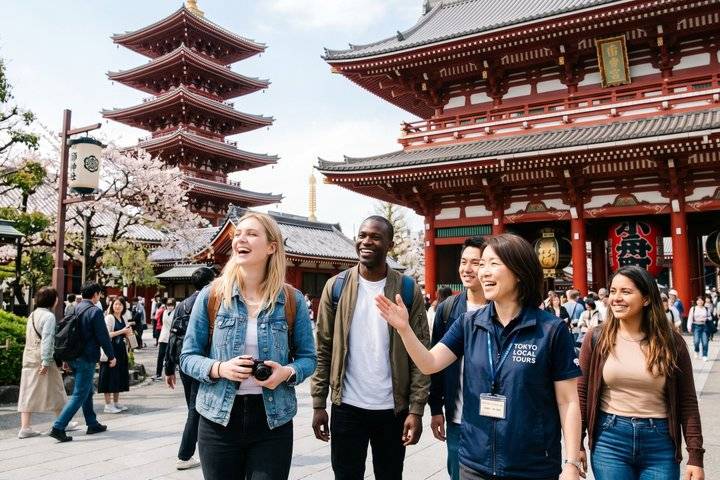
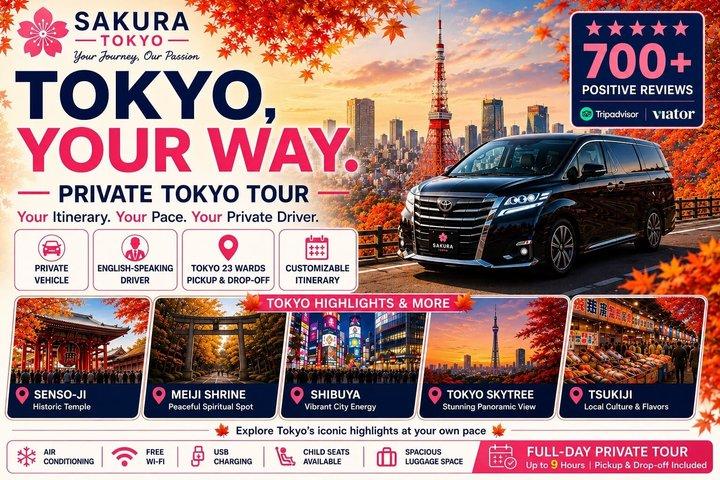
ExploreCity tours
Asakusa, Meiji Shrine, Shibuya Crossing and the towers.
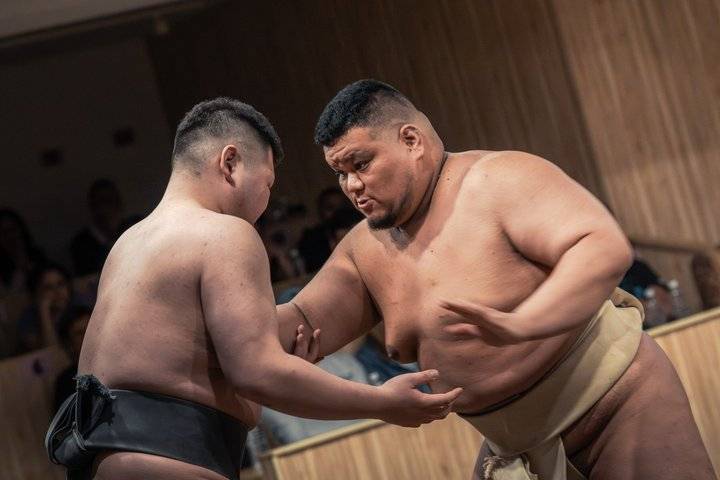
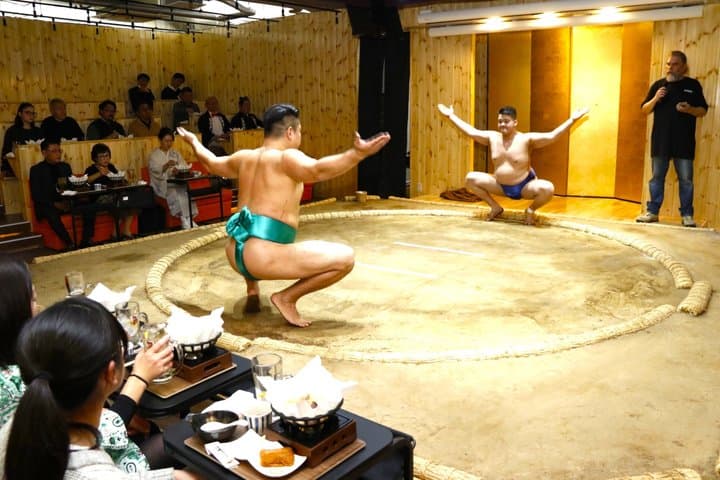
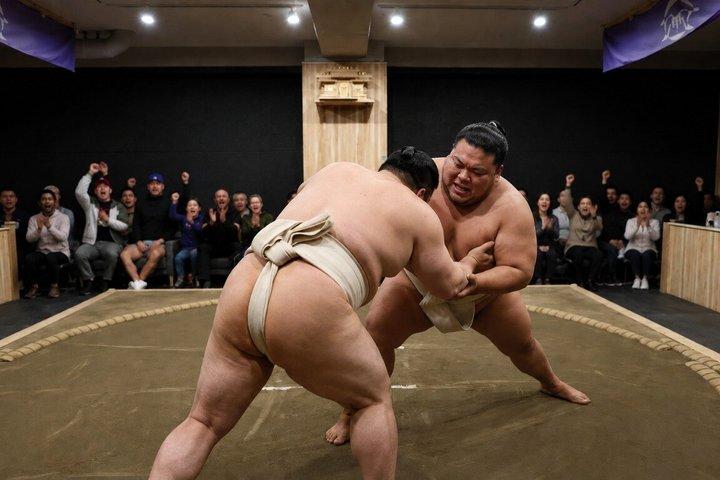
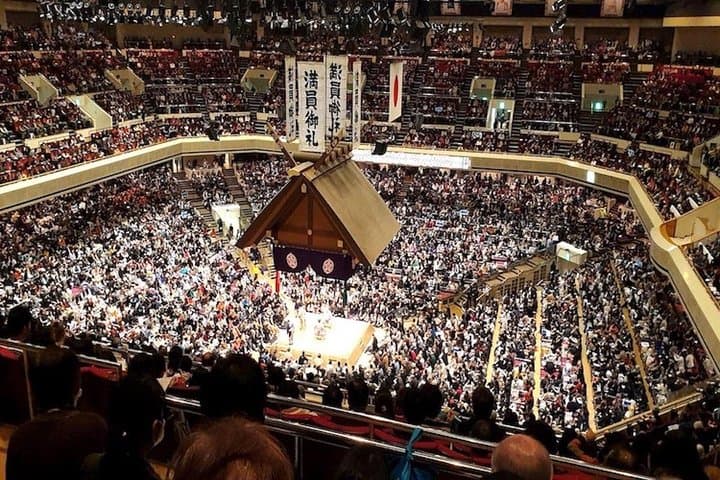
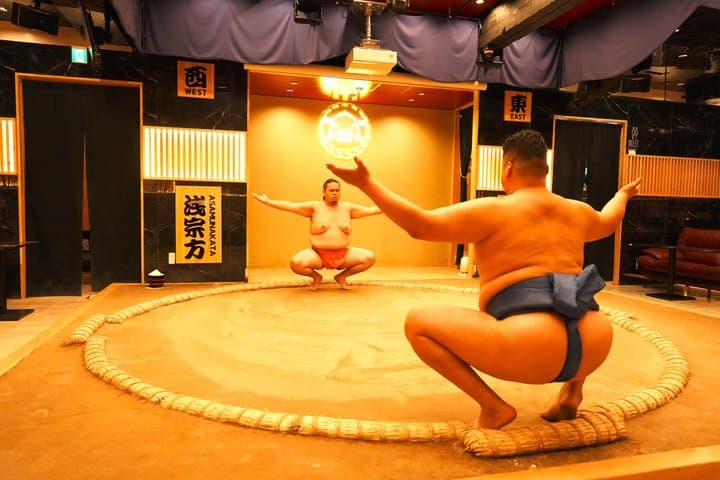
ExploreSumo shows
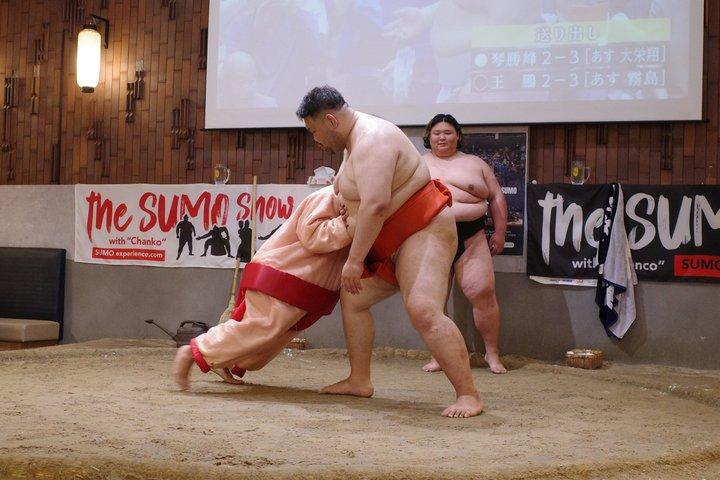
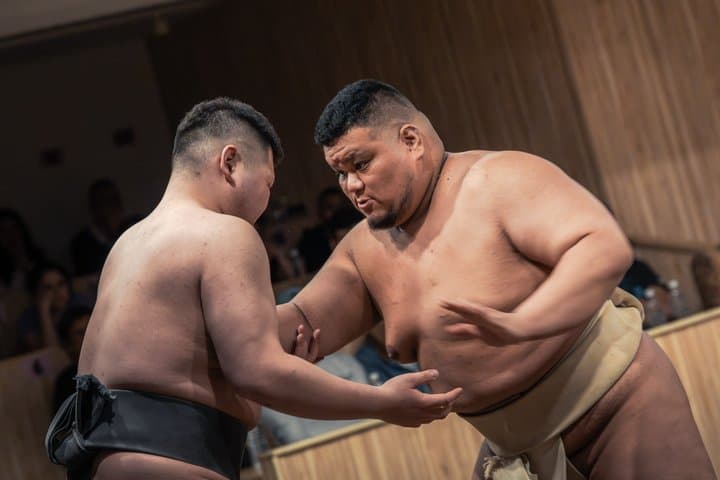
Sumo experiences and grand tournament tickets.
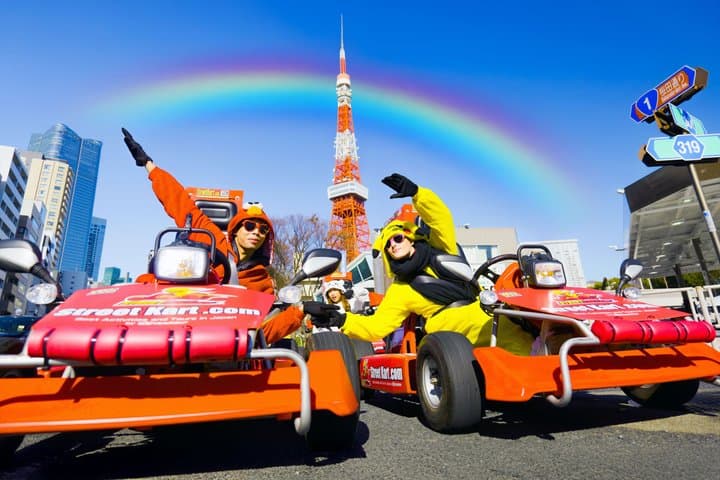
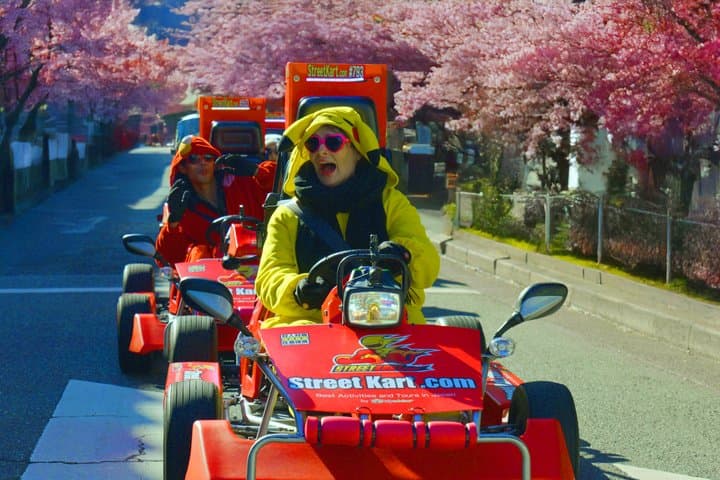
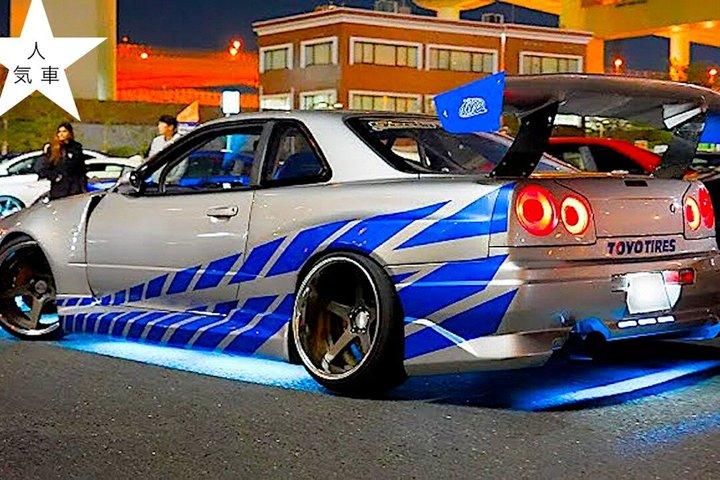
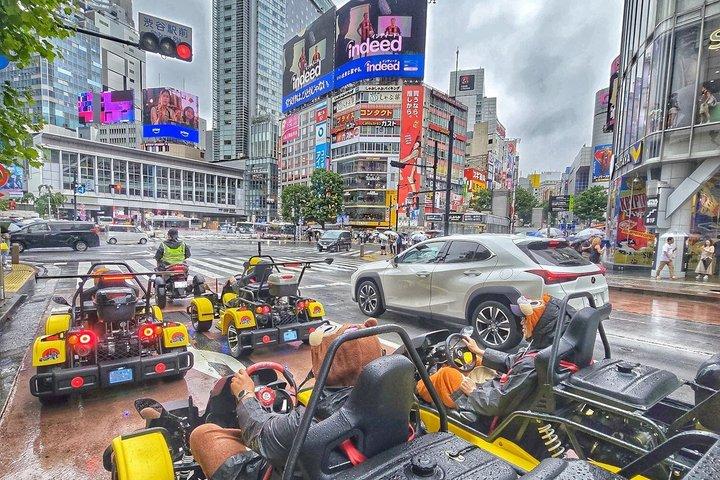
ExploreStreet go-karting
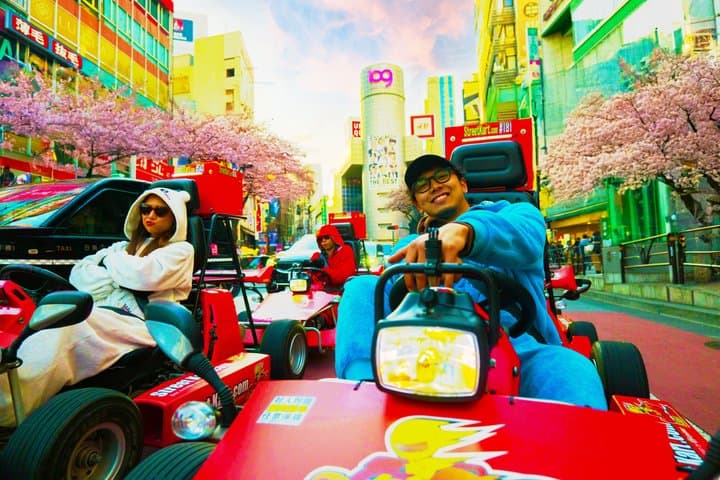
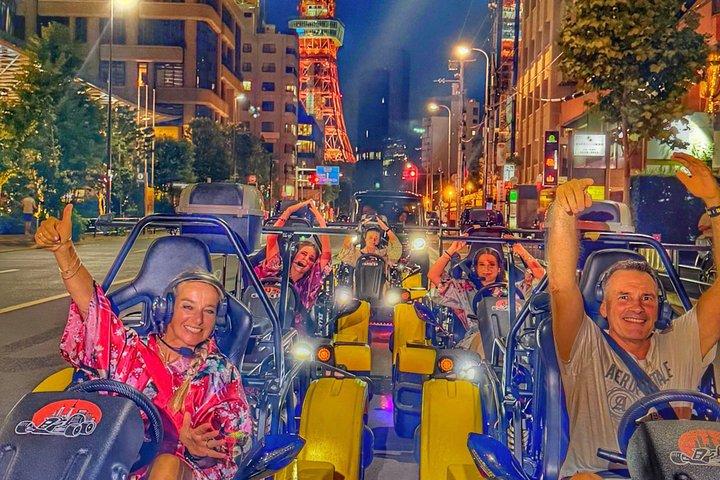
Costumed go-kart rides past the Shibuya Crossing.
ExploreCulture & tea
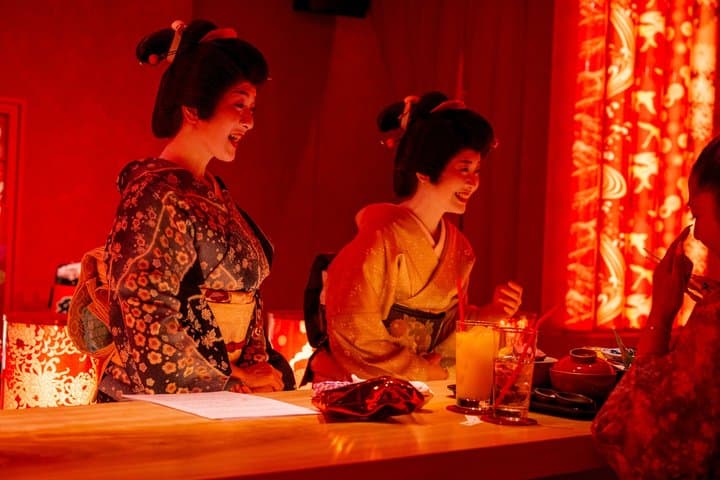
Tea ceremonies, kimono dressing and samurai workshops.
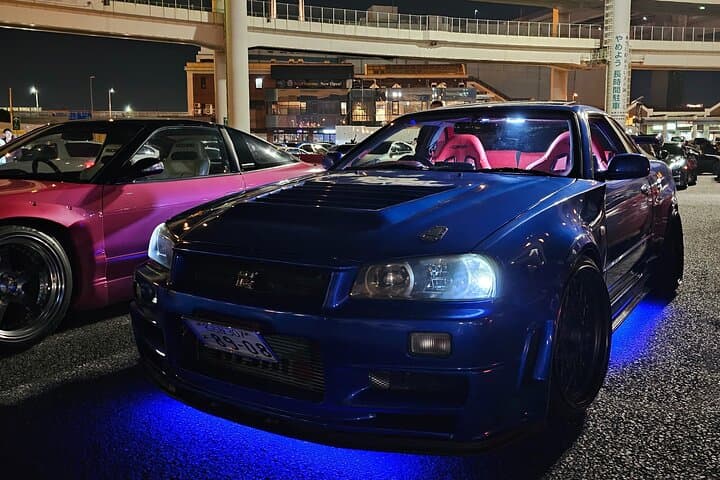
ExploreNightlife & bars
Golden Gai bar-hopping and neon-district tours.
ExploreDay trips
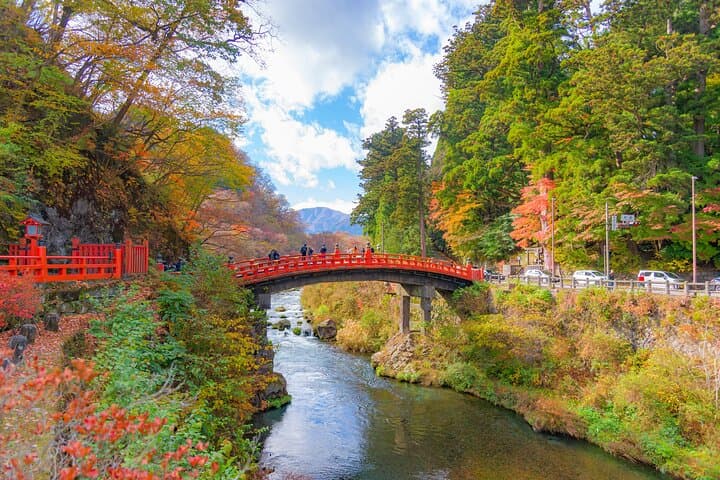
Nikko’s shrines and the Great Buddha of Kamakura.
ExploreWhat to see
Top attractions in Tokyo
The landmarks that define the city — and the tickets and tours that get you in, often skipping the line.
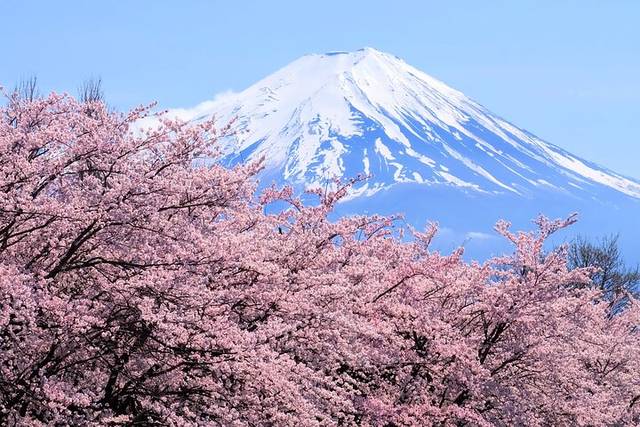
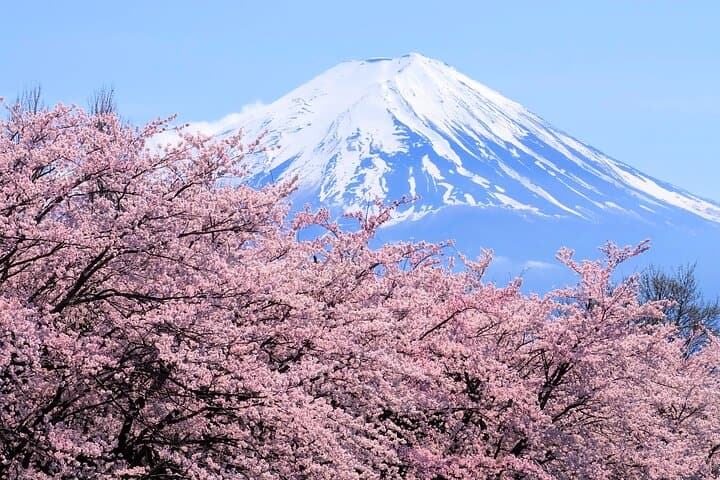
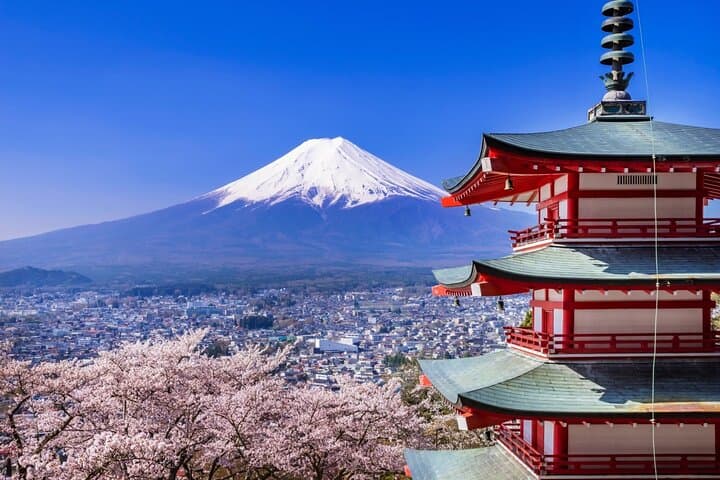
Mt Fuji
Japan’s iconic volcanic peak, a day trip from Tokyo.
160+ toursView tours
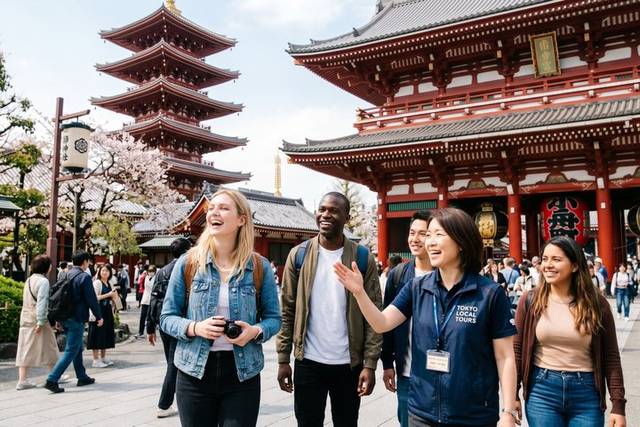
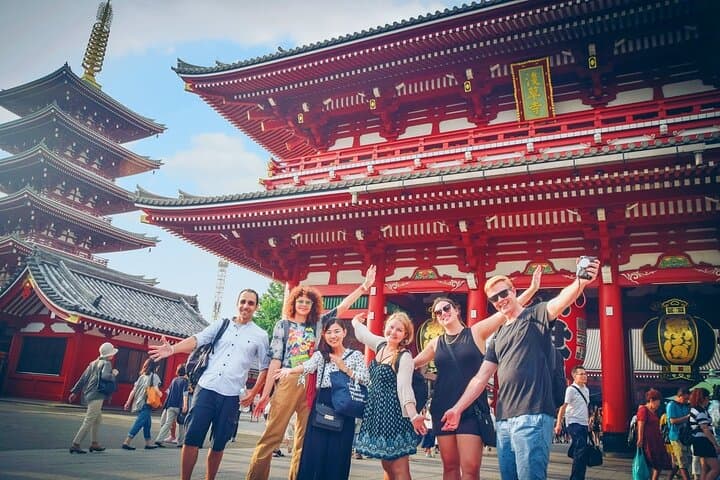
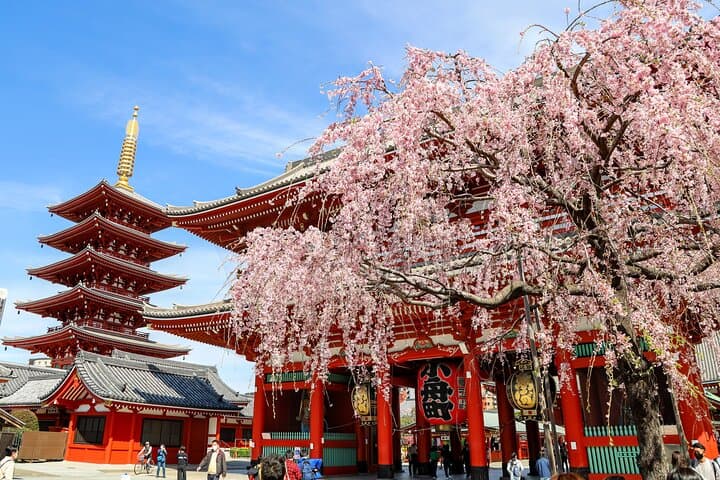
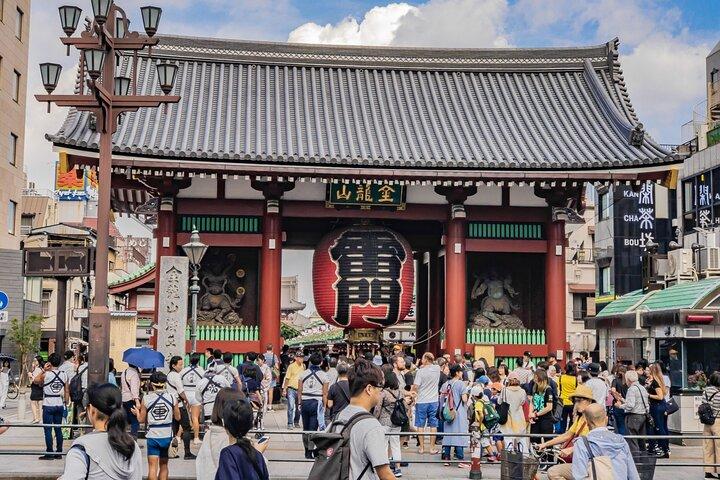
Senso-ji & Asakusa
Tokyo’s oldest temple and its lively market street.
110 toursView tours
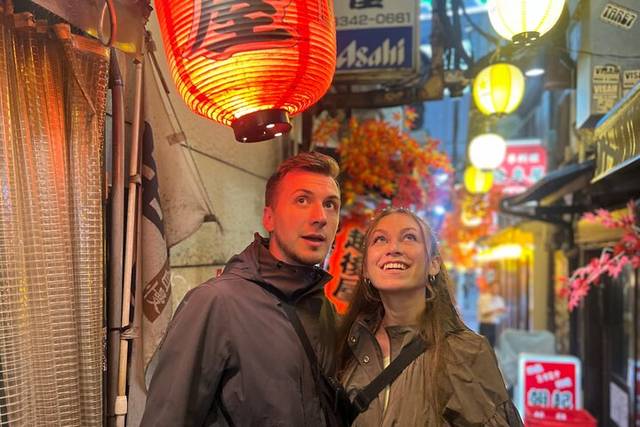
Shinjuku
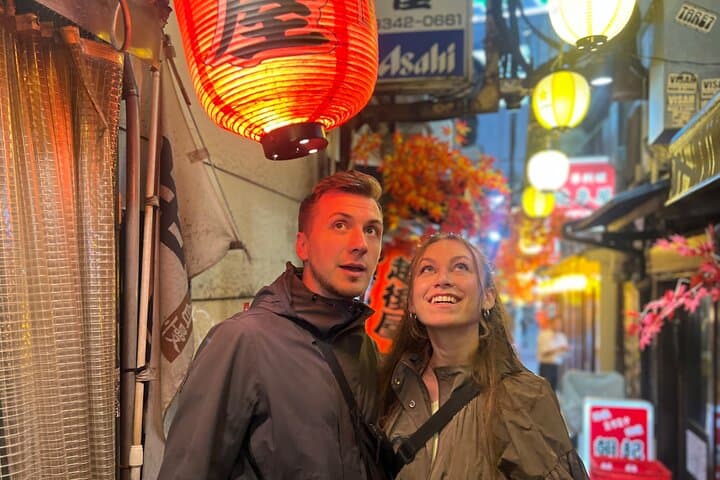
Neon nightlife and the food alleys of Omoide Yokocho.
120 toursView tours
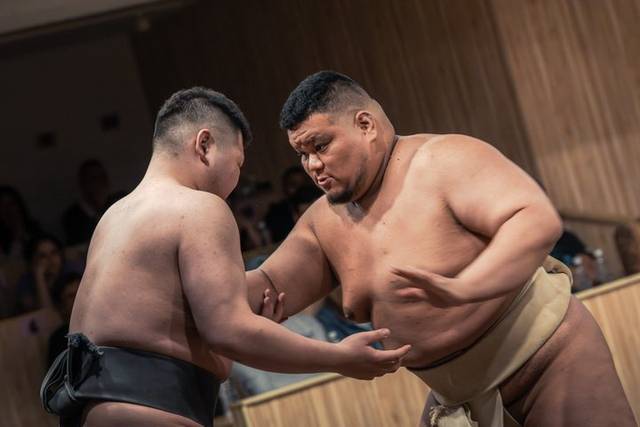
Sumo
Japan’s national sport, in shows and grand tournaments.
50 toursView tours
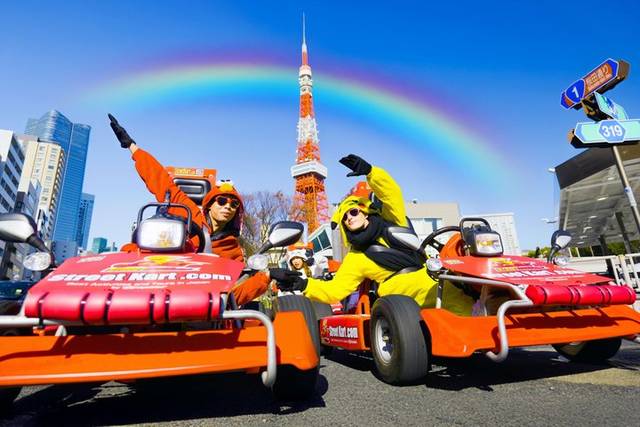
Shibuya Crossing
The world’s busiest crossing, seen on foot or by go-kart.
60 toursView tours
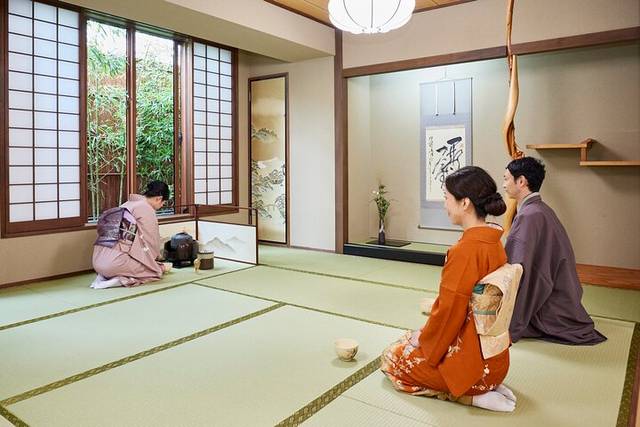
Tea & kimono
Tea ceremonies, kimono dressing and cultural workshops.
70 experiencesView tours
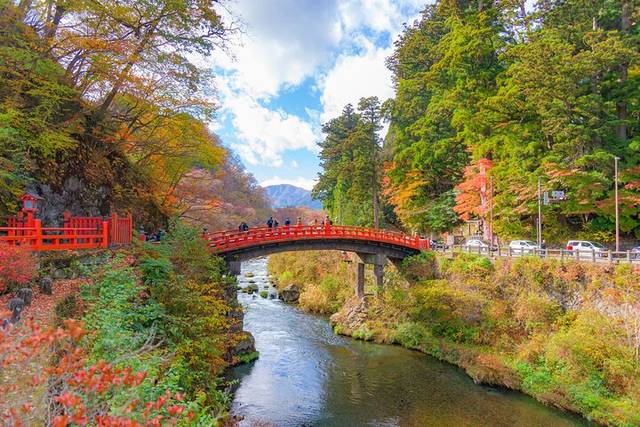
Nikko
The ornate Toshogu Shrine among cedar forests and falls.
50 toursView tours
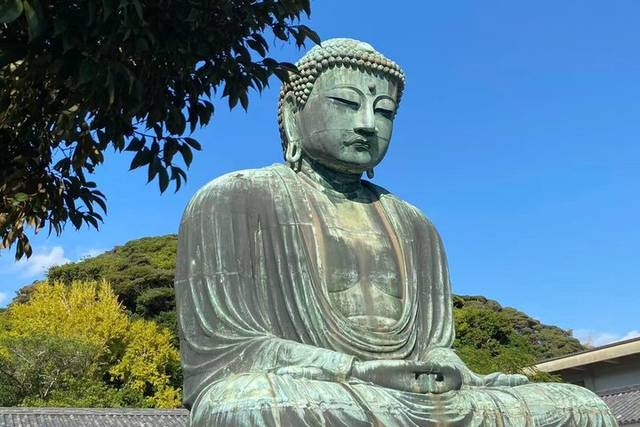
Kamakura
The Great Buddha and coastal temples near Tokyo.
60 toursView tours
1 day
Tokyo in 1 day
- 1Senso-ji & Asakusa
- 2Meiji Shrine & Harajuku
- 3Shibuya Crossing
- 4Shinjuku food tour
3 days
Tokyo in 3 days
- 1Day 1: city highlights
- 2Day 2: Mt Fuji & Hakone
- 3Day 3: culture & food
- 4Sumo or nightlife evening
Food & culture
Tokyo food & culture
- 1Tsukiji market breakfast
- 2Sushi or ramen lunch
- 3Tea ceremony
- 4Shinjuku izakaya night
With kids
Tokyo with kids
- 1Senso-ji & Asakusa
- 2Sumo show experience
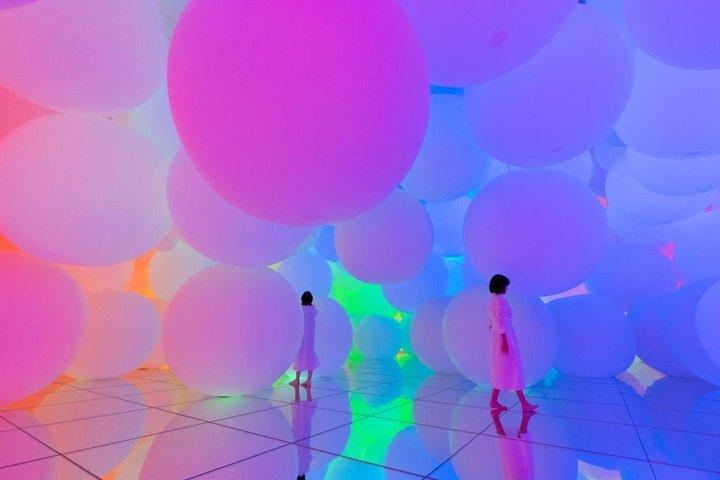
- 3teamLab digital art
- 4Kamakura Great Buddha
Evening
Tokyo at night
- 1Sunset at Shibuya Sky or Skytree
- 2Shinjuku neon & Kabukicho walk
- 3Izakaya hop in Omoide Yokocho
- 4Golden Gai nightcap or karaoke
Theme day
Traditional Tokyo
- 1Sumo morning practice, Ryogoku
- 2Senso-ji & Nakamise, Asakusa
- 3Kimono fitting & photo stroll
- 4Tea ceremony with matcha & wagashi
2 hrs awayMt Fuji & Hakone
Japan’s iconic peak with a Lake Ashi cruise and the ropeway.
from €90View trips
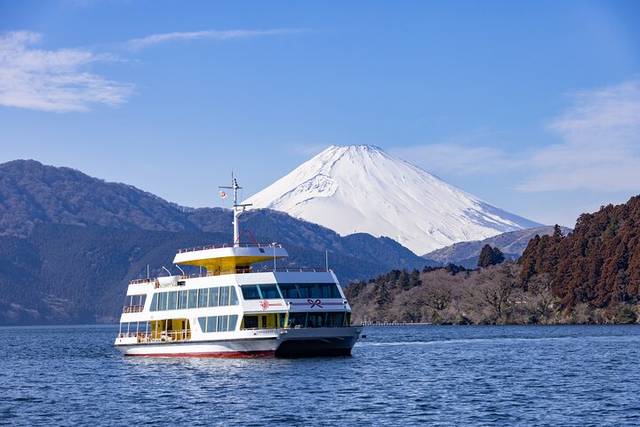 1.5 hrs away
Hakone
Hot springs, Lake Ashi and Fuji views in the mountains.
from €80View trips
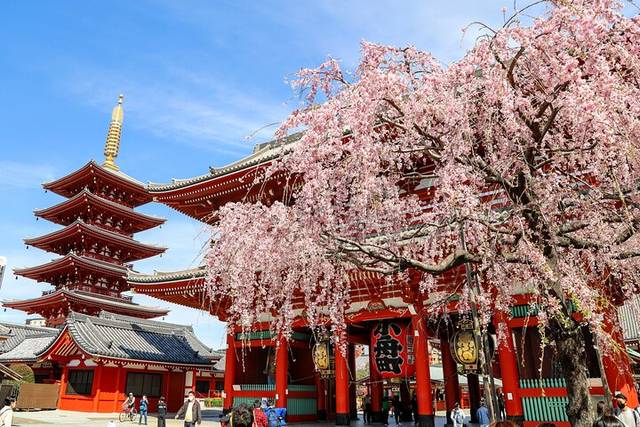 2 hrs away
Nikko
The ornate Toshogu Shrine, cedar forests and waterfalls.
from €95View trips
 1 hr away
Kamakura
The Great Buddha and coastal samurai-era temples.
from €70View trips
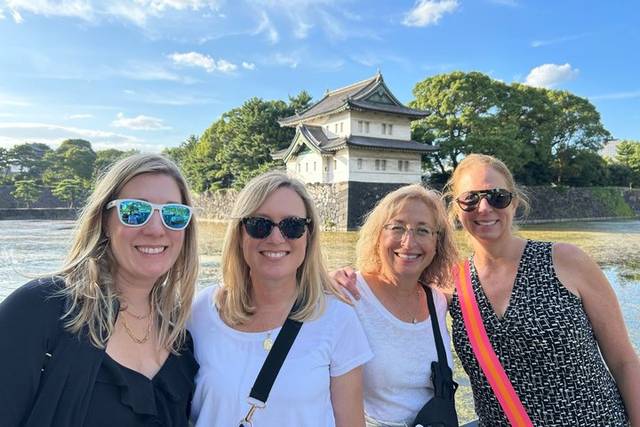 40 min away
Yokohama
The waterfront city with Chinatown and harbour views.
from €60View trips
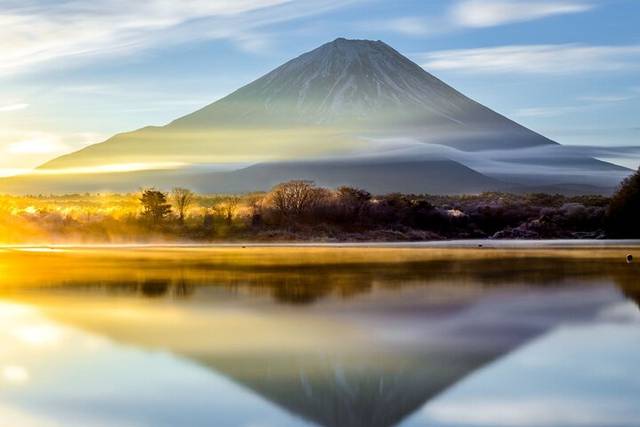 2.5 hrs away
Mt Fuji 5th Station
Halfway up the sacred volcano for close-up views.
from €90View trips
Practical guide
Know before you go
Short, straight answers to the questions every Tokyo visitor asks before booking.
The sweet-spot seasons
Spring (late March–April) for the cherry blossom and autumn (October–November) for the foliage are the most beautiful times to visit.
Cherry blossom (late Mar–Apr)
The sakura bloom transforms the city for a couple of weeks — magical but very busy, so book well ahead.
Summer (Jun–Aug)
Hot and humid with a June rainy season and lively summer festivals; Mt Fuji’s official climbing season is July–early September.
Autumn (Oct–Nov)
Comfortable temperatures and brilliant autumn colours make this a favourite, with clearer Fuji views returning.
Winter (Dec–Feb)
Cold but dry and sunny, with the clearest views of Mt Fuji and festive illuminations; few crowds and good value.
Sumo & festivals
Tokyo’s grand sumo tournaments fall in January, May and September; check festival dates, which spike demand.
One day
Enough for Asakusa, the Meiji Shrine, Shibuya and a Shinjuku food tour.
Two days
Add a Mt Fuji and Hakone day trip.
Three days
The sweet spot: the city, a Fuji day trip, and culture, food and nightlife.
Four to five days
Add Nikko or Kamakura and more neighbourhoods like Akihabara and Ginza.
A week or more
Use Tokyo as a base, then take the bullet train to Kyoto, Osaka and beyond.
Travelling with kids
Mix temples and sumo with teamLab and a Kamakura day trip, at a relaxed pace.
Trains & metro
The vast metro and JR train network reaches everywhere; a Suica or Pasmo IC card lets you tap on and off seamlessly.
IC cards & passes
Load a Suica/Pasmo for trains, buses and even shops; a Japan Rail Pass can pay off if you’ll travel beyond Tokyo by bullet train.
On foot
Each district — Asakusa, Shibuya, Shinjuku — is walkable once you arrive; allow time, as Tokyo is huge.
Taxis
Taxis are clean and reliable but pricey; handy late at night when trains stop around midnight.
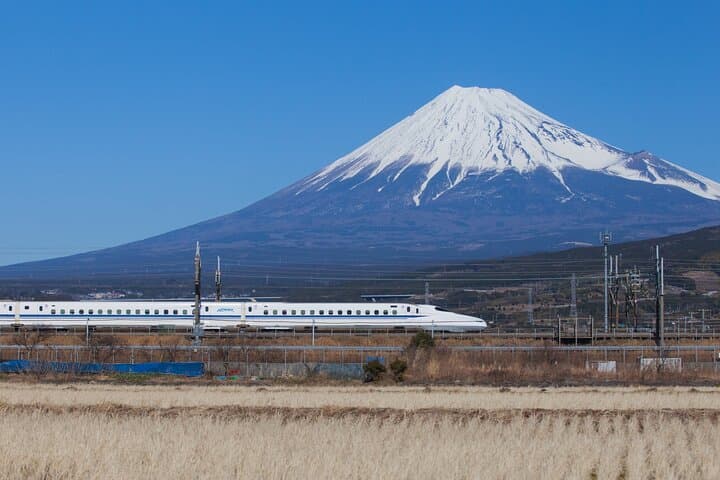
Bullet train for day trips
The shinkansen and express trains whisk you to Hakone, Nikko and Kamakura — fast and comfortable.
From the airports
Narita and Haneda link to the city by the Narita Express, Keisei Skyliner, monorail or limousine bus.
Cash & cards
Cards are increasingly accepted, but carry some yen for small restaurants, temples and markets; convenience-store ATMs take foreign cards.
Etiquette
Be quiet on trains, don’t eat while walking, remove shoes where required, and don’t tip — it isn’t customary in Japan.
Go-kart permits
Street go-karting requires a valid driving licence plus an International Driving Permit — arrange this before you travel.
Pocket Wi-Fi or SIM
A rental pocket Wi-Fi or eSIM makes navigating the trains and maps far easier.
Seasons & comfort
Pack for the season — humid summers, cold winters — and comfortable shoes for lots of walking.
Food halls (depachika)
The basement food halls of department stores offer incredible, affordable take-away food — a local secret.
Mt Fuji day trips
Popular Fuji and Hakone tours sell out in cherry-blossom and autumn seasons — book ahead.
Sumo tickets
Grand tournament tickets (January, May, September) sell out fast — reserve as early as possible.
Go-kart tours
Costumed go-karting is in demand and needs your International Driving Permit ready — book ahead.
Food tours
Small-group food and izakaya tours have limited places and book out in peak season.
teamLab & culture
Timed tickets for teamLab museums and tea-ceremony sessions sell out — reserve ahead.
Cherry-blossom season
Late-March to April accommodation and tours fill up months ahead — plan early.
City tours
Around ¥6,000–20,000 (about €35–120) for a half- or full-day guided or private city tour.
Mt Fuji day trips
About ¥12,000–25,000 (about €70–150) including transport, often with a bullet-train return.
Food tours
Roughly ¥8,000–18,000 (about €50–110) for a guided food or izakaya tour with tastings.
Sumo experiences
Around ¥10,000–20,000 (about €60–120) for a sumo show with a chanko-nabe meal.
Go-karting
About ¥8,000–13,000 (about €50–80) for a 1–2 hour street go-kart tour with costume.
How to save
Use IC cards and rail passes, eat at depachika food halls and convenience stores, and join group tours.
When to visit
Tokyo through the seasons
What's best, how busy it gets, and one booking tip for each time of year.
Spring
Mar–May
- Best for
- Cherry blossom in late March–April — the most beautiful and popular season.
- Crowds
- Booking tip
- Book months ahead for sakura season.
Summer
Jun–Aug
- Best for
- Festivals and the Mt Fuji climbing season, though hot, humid and rainy in June.
- Crowds
- Booking tip
- Hydrate and plan indoor breaks in the heat.
Autumn
Sep–Nov
- Best for
- Brilliant foliage, comfortable weather and clearer Fuji views — a top season.
- Crowds
- Booking tip
- Another peak — reserve tours and hotels early.
Winter
Dec–Feb
- Best for
- Cold, dry and sunny with the clearest Mt Fuji views and festive illuminations.
- Crowds
- Booking tip
- Great value and the best chance of seeing Fuji.
People also ask
Tokyo travel FAQ
What are the best tours in Tokyo?
The highest-rated Tokyo experiences are a private city tour of Asakusa and Shibuya, a Shinjuku food tour, a sumo show, Shibuya street go-karting, a tea ceremony, and a day trip to Mt Fuji and Hakone.
What should I book in advance in Tokyo?
Book Mt Fuji day trips, sumo tournament tickets, go-karting (with your International Driving Permit) and popular food tours ahead, especially in the cherry-blossom and autumn seasons.
How many days do I need in Tokyo?
Three days is a great introduction — the city highlights, a Mt Fuji and Hakone day trip, and a day of culture, food and nightlife. Add days for Nikko, Kamakura or a trip to Kyoto.
Can you visit Mt Fuji from Tokyo?
Yes — Mt Fuji with Hakone is the most popular day trip, about 2–2.5 hours away, usually combining the 5th Station, a Lake Ashi cruise and the ropeway, often with a bullet-train return. Fuji is clearest in the cooler months.
What are the best day trips from Tokyo?
Mt Fuji and Hakone top the list, followed by the UNESCO shrines of Nikko and the Great Buddha and temples of Kamakura, all reachable by train.
How do you get around Tokyo?
Tokyo’s metro and JR trains reach everywhere; get a Suica or Pasmo IC card to tap on and off, and consider a Japan Rail Pass if you’ll travel further by bullet train.
When is the best time to visit Tokyo?
Spring (late March–April) for cherry blossom and autumn (October–November) for foliage are the most beautiful; winter offers the clearest Mt Fuji views and fewer crowds.
4,342 Tokyo experiencesfrom ¥3,000 · free cancellation
Explore tours