Salvador · Bahia, Brazil
Salvador Tours, Tickets & Things to Do
Discover the best Salvador tours, the soulful first capital of Brazil and heart of Afro-Brazilian culture: wander the colourful colonial streets of the Pelourinho, feel the rhythm of capoeira, samba and drumming, explore the mysteries of Candomblé, sail the Bay of All Saints to tropical islands, and feast on Bahian cuisine. Compare top-rated activities and plan your perfect Brazil trip.
267 experiences Free cancellation Top-rated tours Instant booking





















Browse
Explore Salvador da Bahia by interest
Whatever brings you to Salvador da Bahia — world-class museums, the river, or a long lunch — start with the experiences travellers love most.
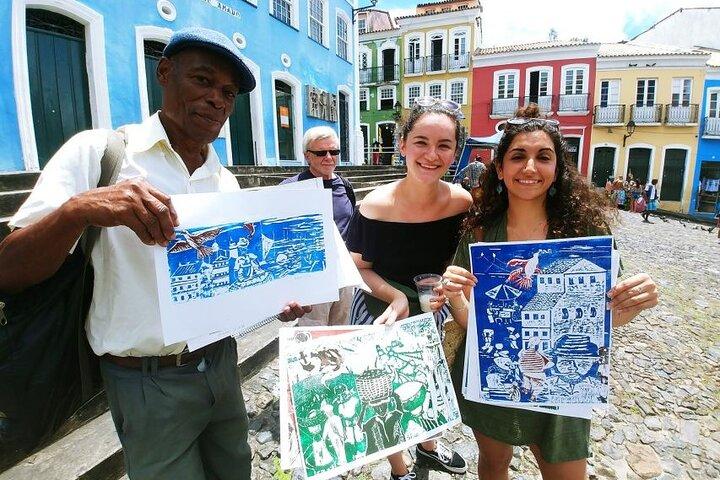
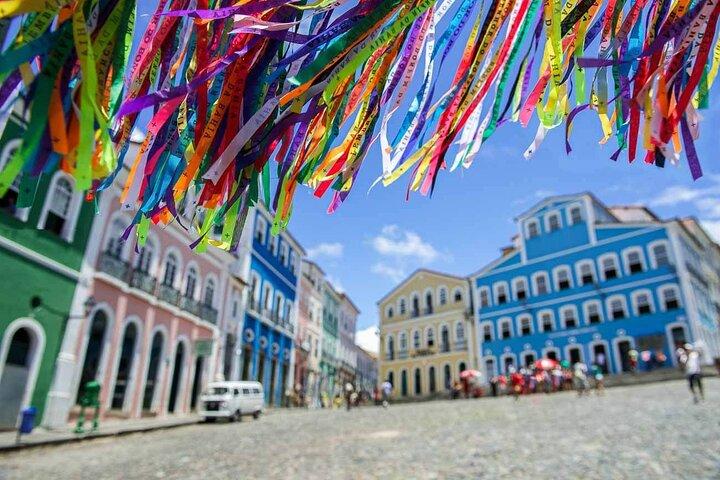
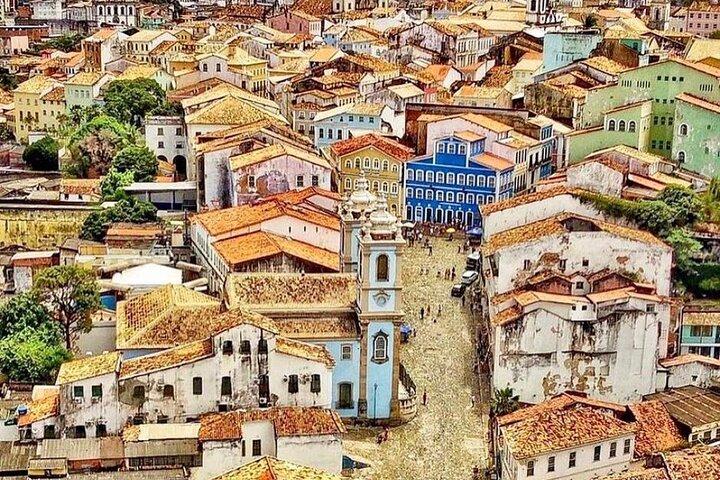
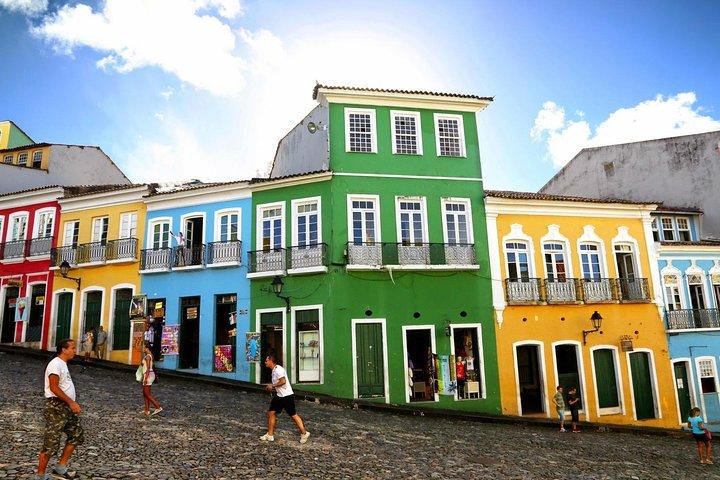
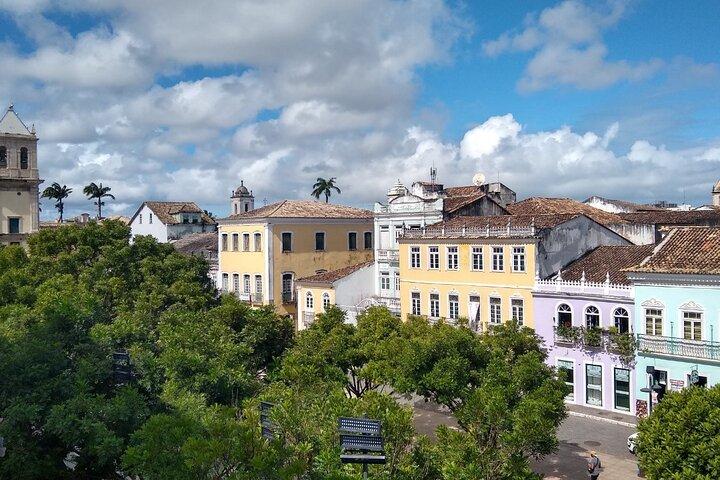
Pelourinho
Colonial old town.
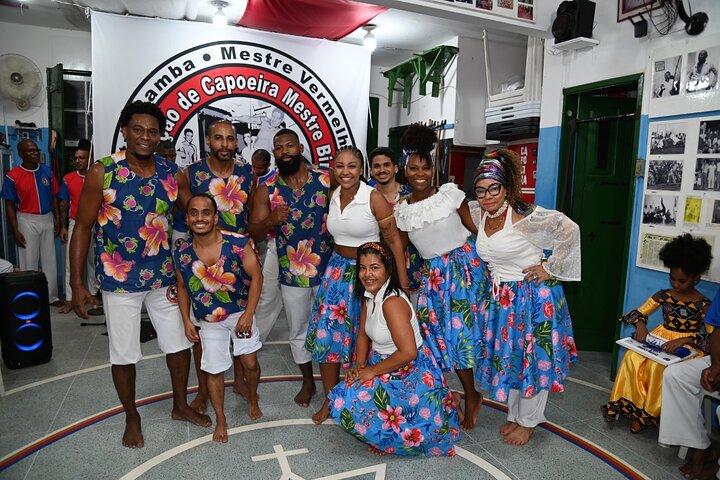
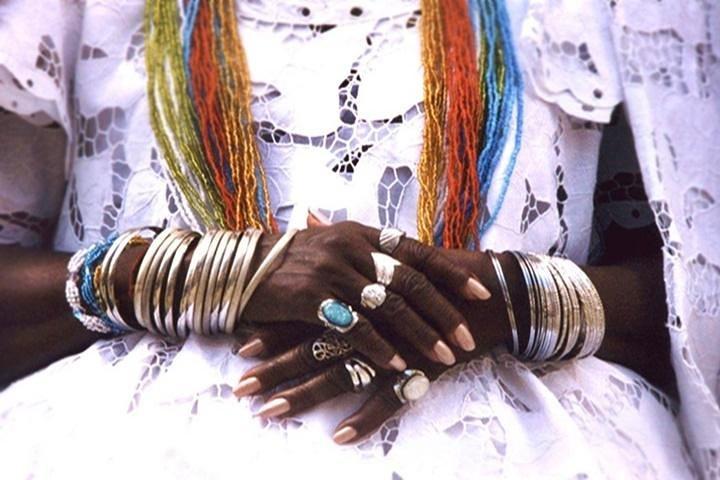
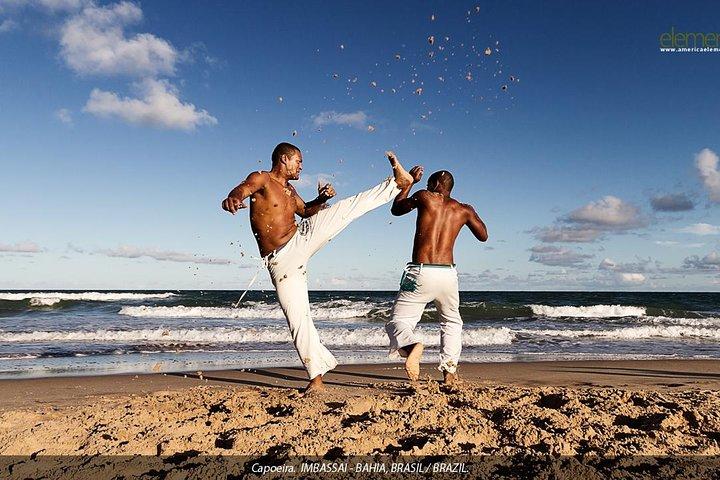
ExploreAfro-Brazilian culture
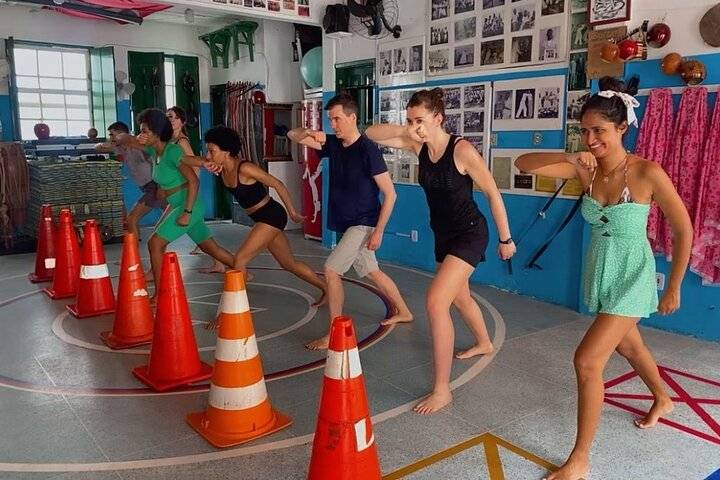
Capoeira & Candomblé.
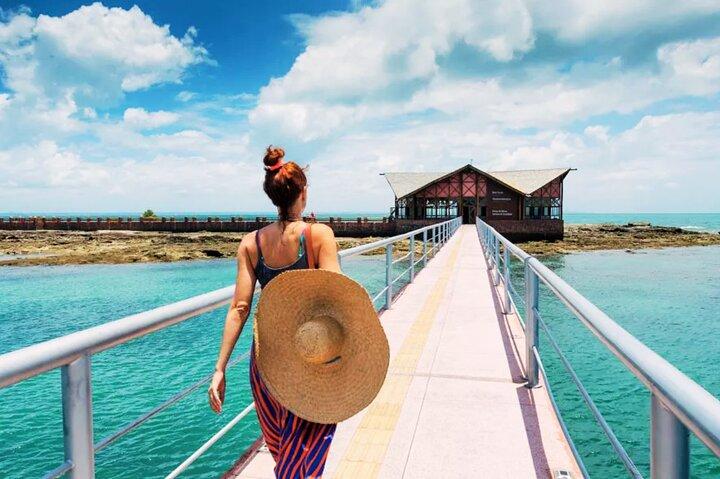
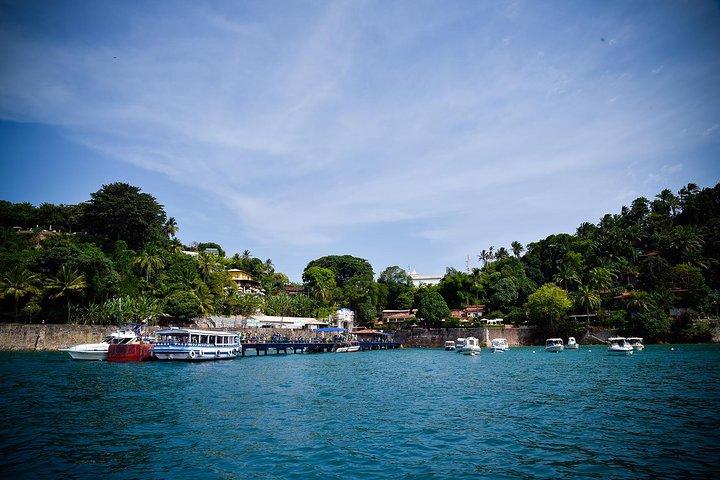
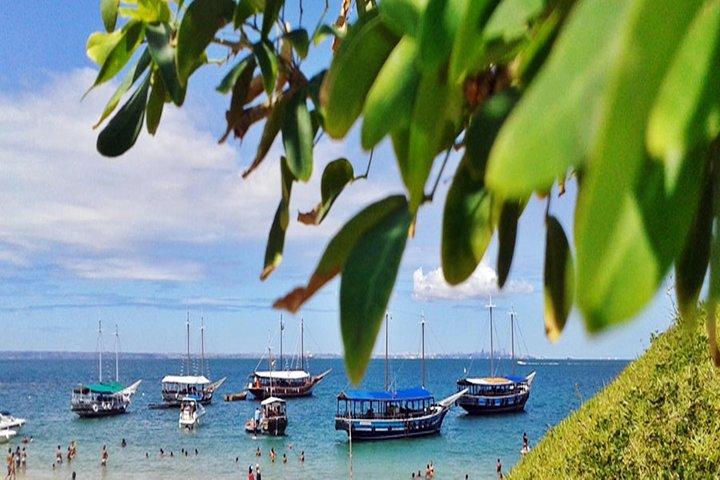
ExploreBay of All Saints
Island schooner tours.
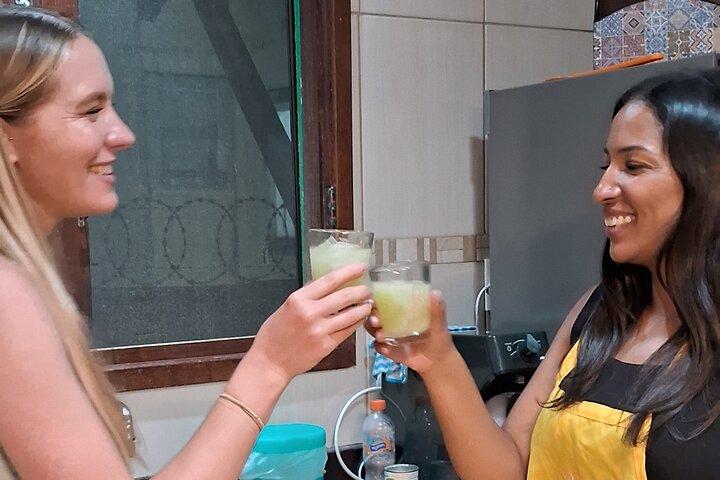
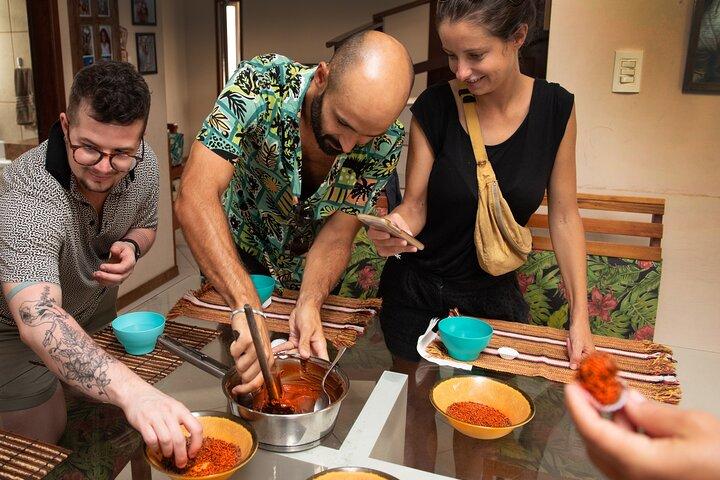
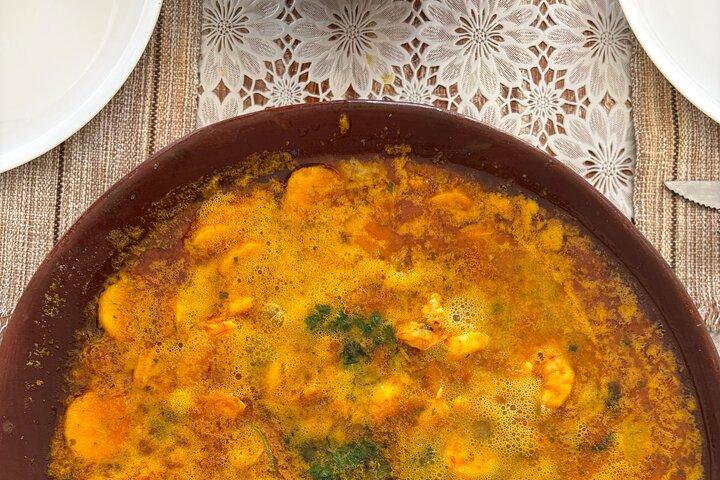
ExploreBahian food
Acarajé & moqueca.
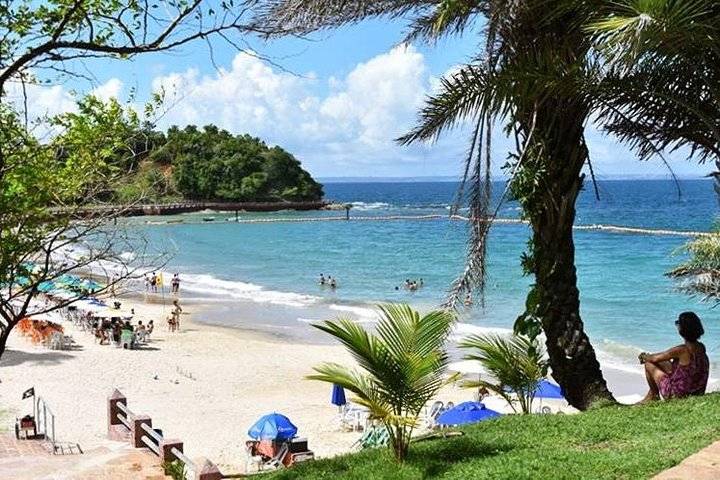
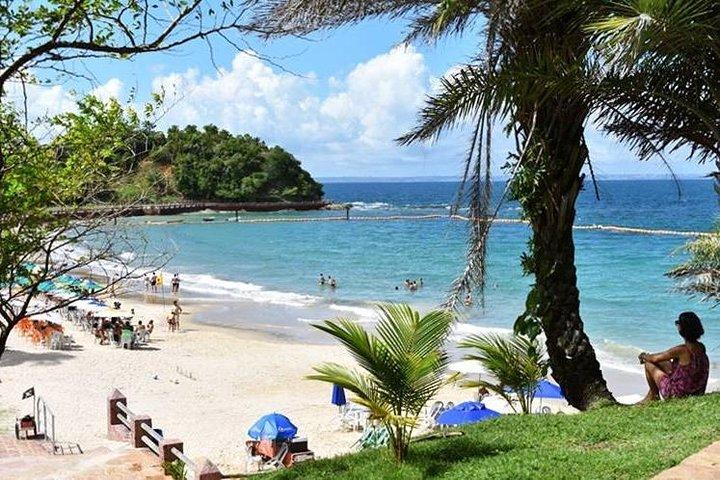
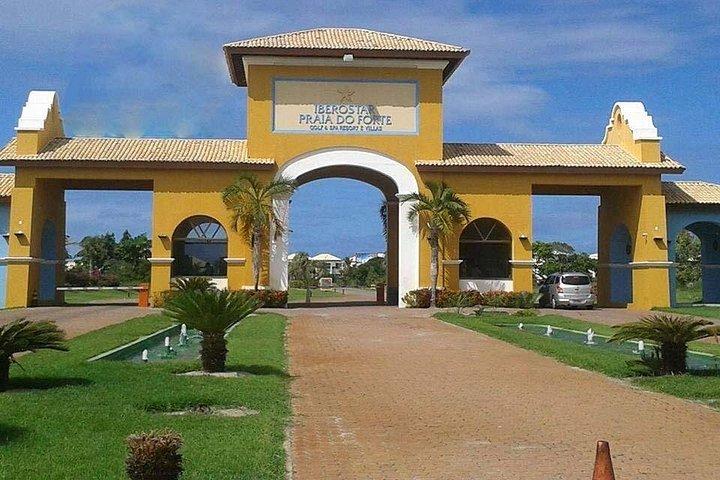
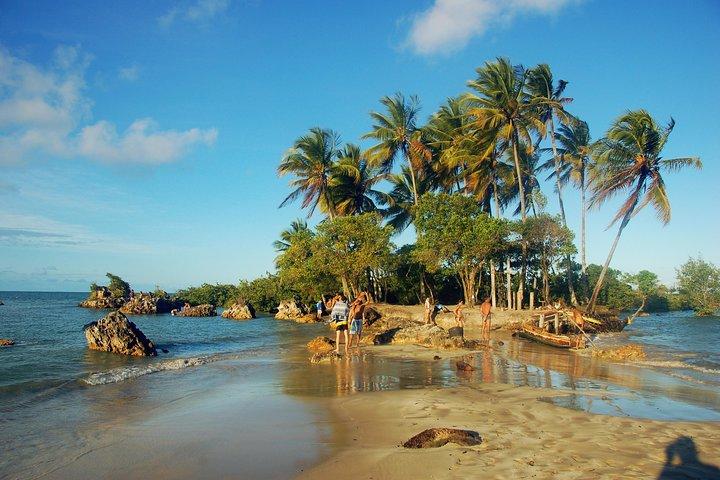
ExplorePraia do Forte
Coconut Coast beaches.
ExploreSamba & drumming
Bahian rhythm.
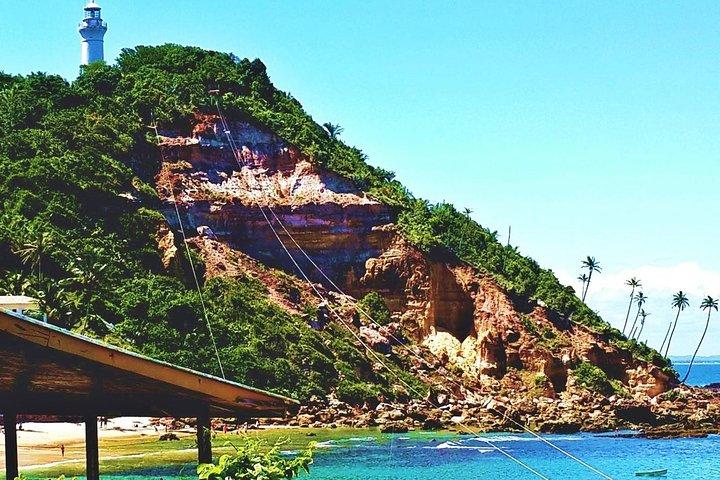
ExploreMorro de São Paulo
Car-free island.
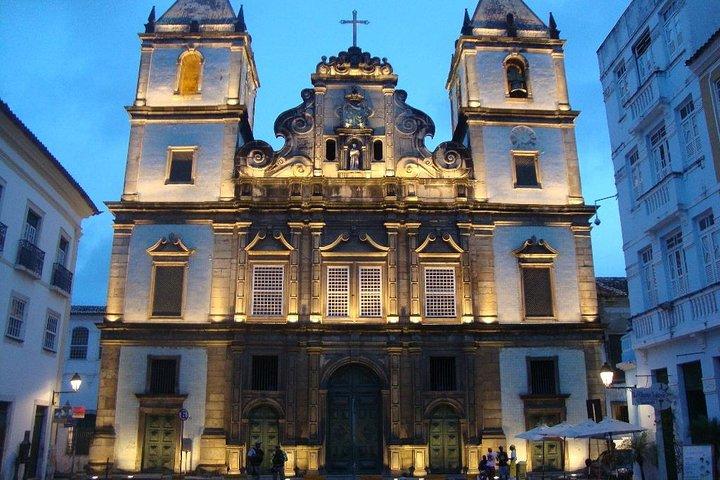
ExploreSão Francisco Church
Golden baroque.
ExploreWhat to see
Top attractions in Salvador da Bahia
The landmarks that define the city — and the tickets and tours that get you in, often skipping the line.

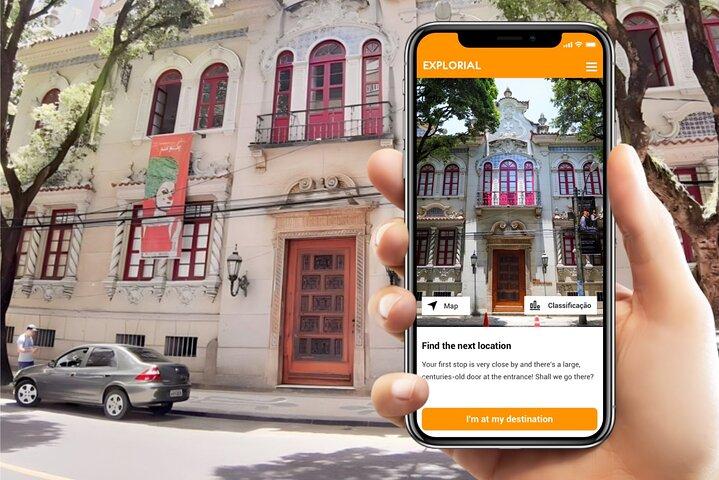
Pelourinho
Colonial old town.
90+ toursView tours
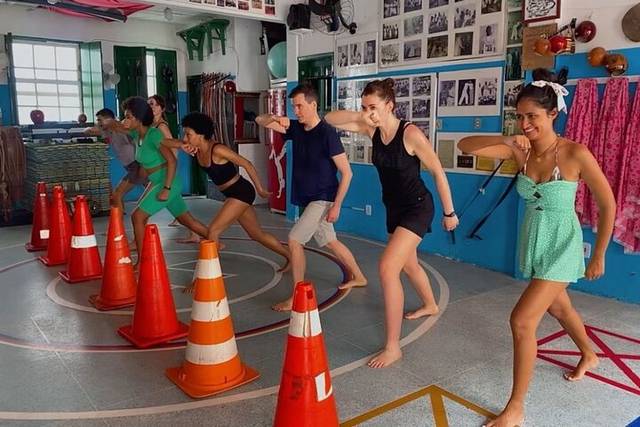
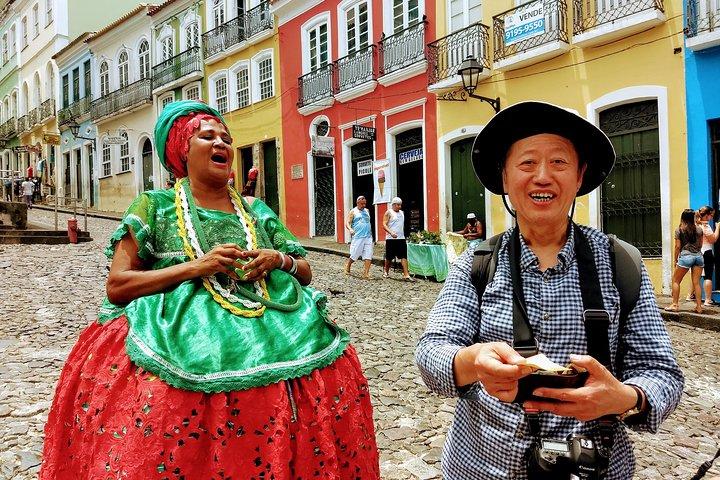
Capoeira & Candomblé
Afro-Brazilian roots.
60 toursView tours
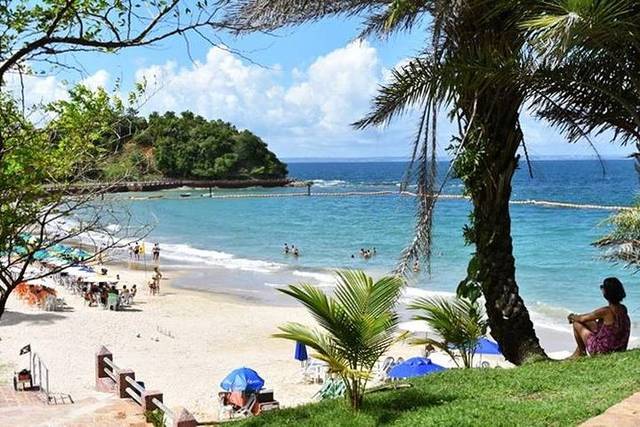
Bay of All Saints
Island schooners.
50 toursView tours
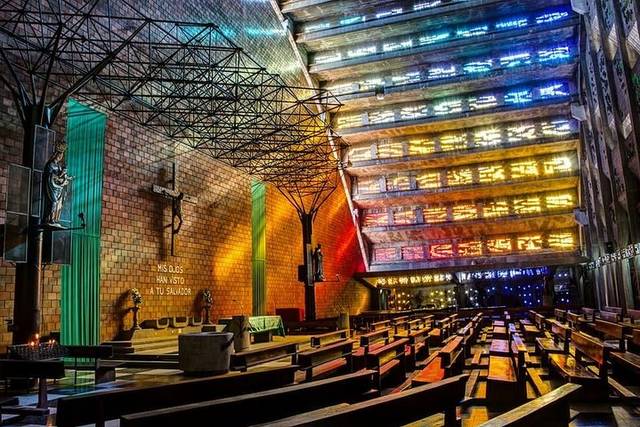
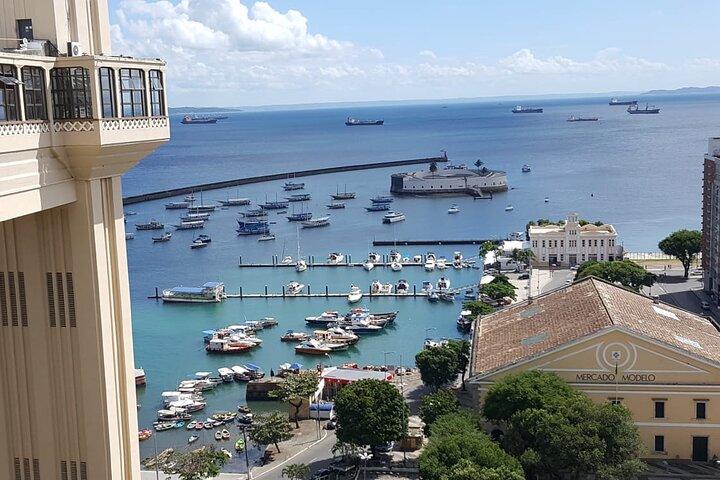
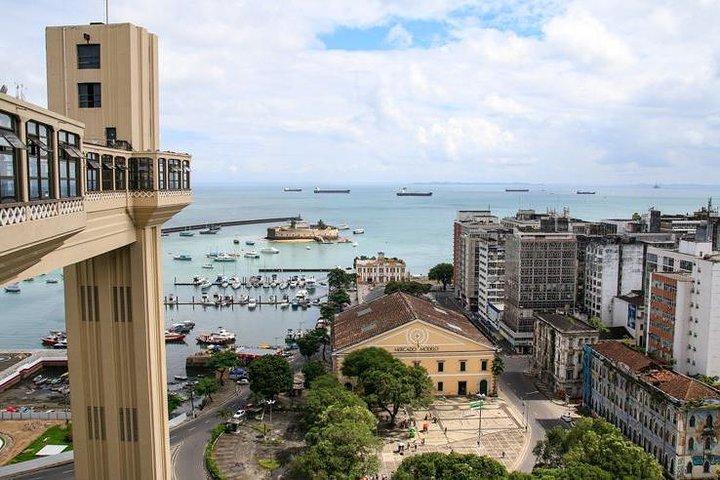
Lower City & Market
Lacerda & Mercado.
40 toursView tours
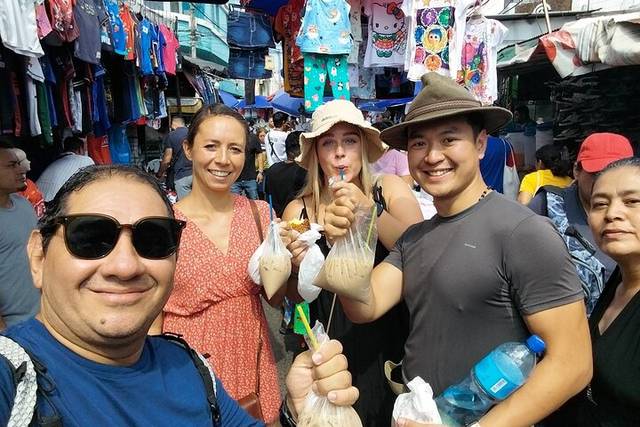
Bahian Food
Acarajé & moqueca.
40 toursView tours
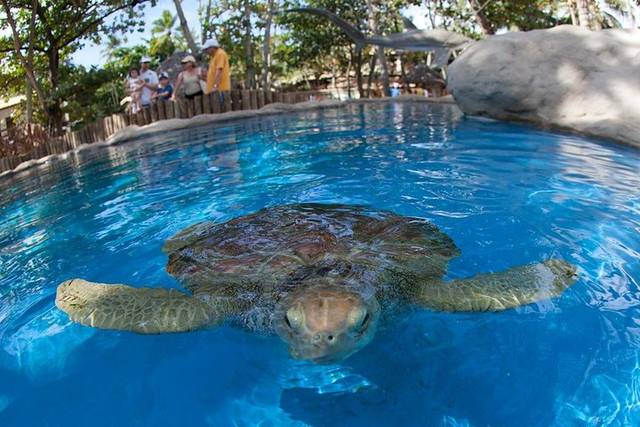
Praia do Forte
Coconut Coast.
30 toursView tours
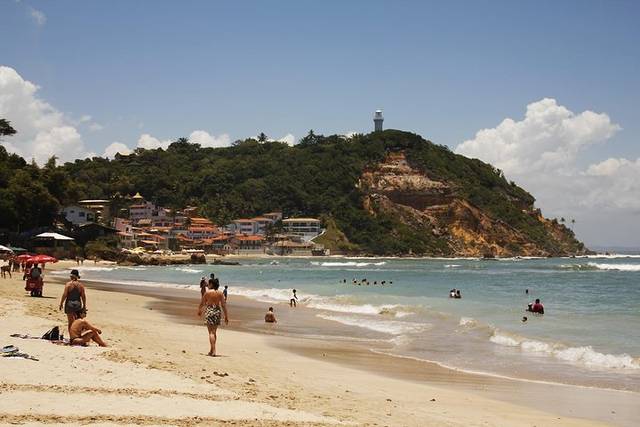
Morro de São Paulo
Car-free island.
20 toursView tours
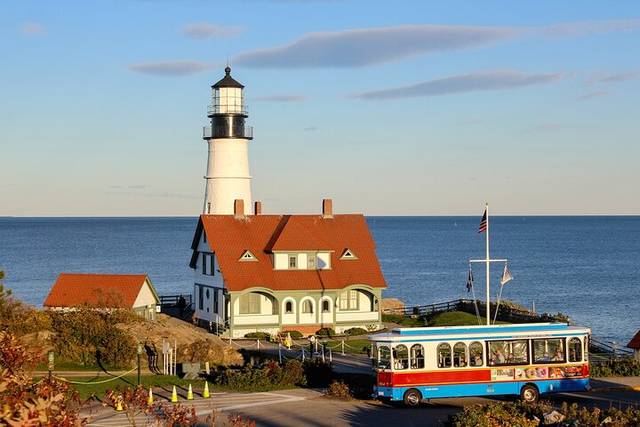
Barra Lighthouse
Sunset point.
30 toursView tours
1 day
Salvador in 1 day
- 1Pelourinho
- 2São Francisco church
- 3Capoeira & culture
- 4Bahian dinner
2 days
Salvador in 2 days
- 1Day 1: Pelourinho & culture
- 2Day 2: bay islands
- 3Schooner cruise
- 4Beach time
3 days
Salvador in 3 days
- 1Day 1: Pelourinho & culture
- 2Day 2: bay islands
- 3Day 3: Praia do Forte
- 4City, sea & coast
With kids
Salvador with kids
- 1Pelourinho colours
- 2Bay schooner cruise
- 3Praia do Forte turtles
- 4Drumming show
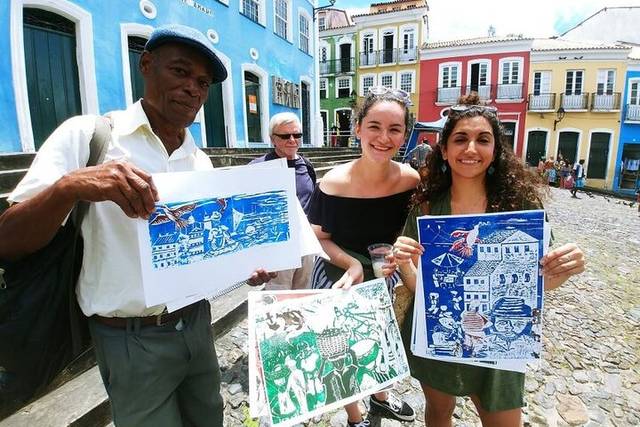 In city away
Pelourinho
Colonial old town.
from €18View trips
 In city away
Afro-Brazilian Culture
Capoeira & Candomblé.
from €25View trips
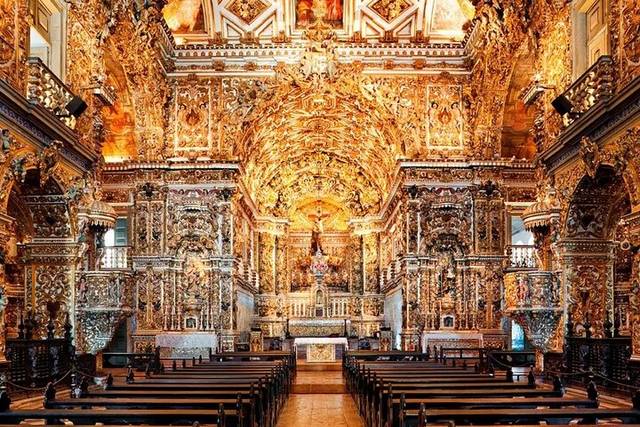 Day trip away
Bay of All Saints
Island schooner.
from €35View trips
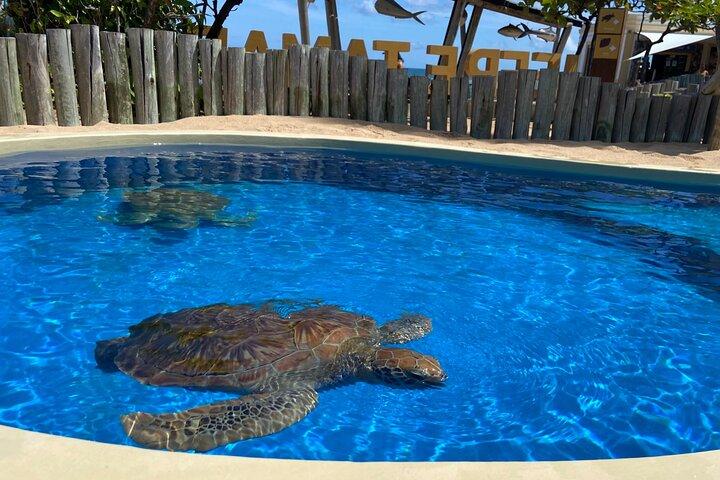
1.5 hrs awayPraia do Forte
Coconut Coast turtles.
from €35View trips
 Catamaran away
Morro de São Paulo
Car-free island.
from €60View trips
 In city away
Bahian Food
Acarajé & moqueca.
from €30View trips
Practical guide
Know before you go
Short, straight answers to the questions every Salvador da Bahia visitor asks before booking.
The sweet-spot months
The drier, sunny months from roughly September to March are ideal for the beaches, bay and city.
Carnival (Feb/Mar)
Salvador’s Carnival is one of the world’s biggest street parties, with trios elétricos and huge crowds — thrilling but very busy.
Summer (Dec–Mar)
Hot, lively and great for the beaches and bay, though it’s the peak and Carnival season.
Rainier months (Apr–Jul)
Autumn and winter see more rain, often in short showers, with fewer crowds and pleasant temperatures.
Warm year-round
Being tropical, Salvador stays warm all year, so there’s no bad time for culture and city sights.
Festas Juninas
June brings lively São João celebrations with music, food and bonfires across Bahia.
One day
The Pelourinho and Afro-Brazilian culture.
Two days
Add a Bay of All Saints island cruise.
Three days
The sweet spot: city, bay and Praia do Forte.
Island escape
Add nights at Morro de São Paulo.
Culture deep-dive
Linger for capoeira, Candomblé and music.
Carnival
Plan extra days if visiting at Carnival.
On foot
The Pelourinho and historic upper city are best explored on foot, though hilly and cobbled.
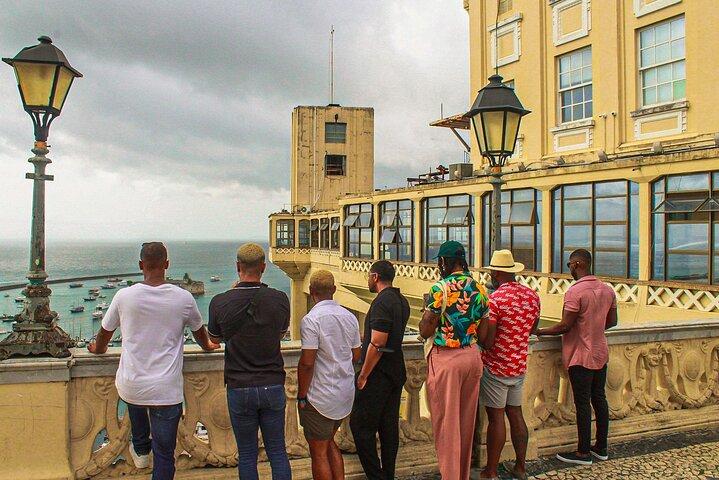
Lacerda Elevator
The historic Lacerda Elevator links the upper and lower cities, a quick, iconic way to move between them.
Taxis & apps
Taxis and ride apps are the easiest way to get around the spread-out city, especially at night.
Tours & transfers
Bay cruises, Praia do Forte and Morro de São Paulo trips include transport or boats.
Getting there
Salvador’s international airport connects to Brazil’s main cities, about 30–40 minutes from the centre.
Stay aware
As in any big city, keep valuables discreet and use taxis or apps at night.
Brazilian real
Brazil uses the real; cards are widely accepted, but carry some cash for markets, street food and small vendors.
Explore the Pelourinho by day
Enjoy the colourful old town and churches in daylight; at night, stick to lively, busier areas or join a tour.
Experience the culture
Don’t miss a capoeira, drumming or samba show, and consider a respectful Candomblé-focused tour.
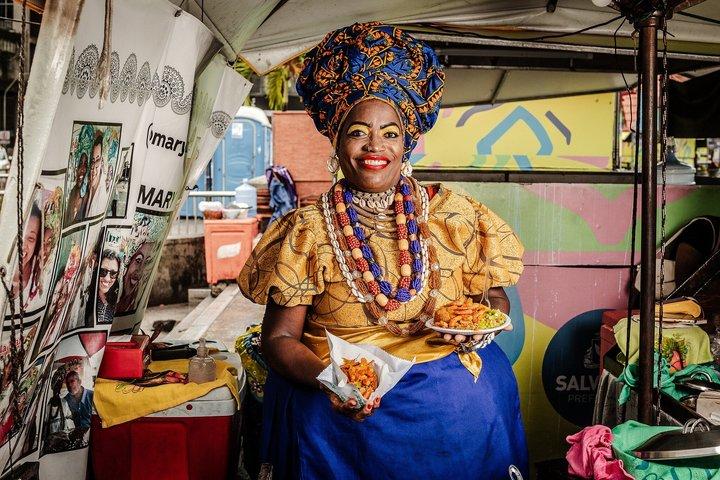
Try acarajé
Sample acarajé from a baiana and a moqueca seafood stew for the real taste of Bahia.
Book bay & island trips
Schooner cruises and Morro de São Paulo transfers have set departures — book ahead.
Mind Carnival dates
If you want Carnival, book far ahead; if not, check the dates and plan accordingly.
City & culture tours
Pelourinho and Afro-Brazilian tours are popular — book ahead.
Bay schooner cruises
Island day cruises have set departures — reserve early.
Praia do Forte trips
Coconut Coast day trips fill up — pre-book.
Morro de São Paulo
Catamaran transfers are limited — book ahead.
Food tours
Small-group Bahian food tours sell out — reserve early.
Carnival
Carnival experiences book out far ahead — plan early.
City tour
Around €18–45 for a guided Pelourinho and city tour.
Culture experience
About €25–60 for an Afro-Brazilian culture tour or show.
Bay schooner
Roughly €35–70 for a Bay of All Saints island cruise.
Praia do Forte
About €35–70 for a Coconut Coast day trip.
Food tour
Around €30–60 for a Bahian food tour or cooking class.
How to save
Join group tours and explore the walkable Pelourinho on foot.
When to visit
Salvador da Bahia through the seasons
What's best, how busy it gets, and one booking tip for each time of year.
Summer (Dec–Mar)
Dec–Mar
- Best for
- Beaches, bay, Carnival.
- Crowds
- Booking tip
- Peak; book ahead.
Spring (Sep–Nov)
Sep–Nov
- Best for
- Sunny, drier, value.
- Crowds
- Booking tip
- Great shoulder.
Autumn (Apr–Jun)
Apr–Jun
- Best for
- Fewer crowds, São João.
- Crowds
- Booking tip
- More rain.
Winter (Jul–Aug)
Jul–Aug
- Best for
- Mild, quieter.
- Crowds
- Booking tip
- Some showers.
People also ask
Salvador da Bahia travel FAQ
What are the best tours in Salvador?
The highest-rated Salvador experiences are a Pelourinho walking tour, an Afro-Brazilian culture experience with capoeira and drumming, a Bay of All Saints schooner cruise, a Bahian food tour, and a Praia do Forte day trip.
What should I book in advance in Salvador?
Book cultural tours, bay cruises and island transfers a few days ahead, especially in the summer and Carnival peak of December–February.
How many days do I need in Salvador?
One day covers the Pelourinho and culture, two add a Bay of All Saints island cruise, and three include a Praia do Forte coastal day trip.
Is Salvador worth visiting?
Yes — Salvador rewards with the colourful UNESCO-listed Pelourinho, vibrant Afro-Brazilian culture of capoeira, Candomblé and samba, schooner cruises across the Bay of All Saints, delicious Bahian cuisine, and beautiful Coconut Coast beaches, making it the soulful heart of Brazil.
What are the best day trips from Salvador?
Top trips are Praia do Forte on the Coconut Coast, the island of Morro de São Paulo, and the historic Recôncavo town of Cachoeira.
When is the best time to visit Salvador?
The drier, sunny months from September to March are best for the beaches and bay, peaking around the famous February Carnival; April to July sees more rain but fewer crowds.
How do you get around Salvador?
The Pelourinho and upper city are walkable, the Lacerda Elevator links the upper and lower cities, and taxis or ride apps are best for the spread-out city, with tours and boats for the bay and coast.
267 Salvador da Bahia experiencesfrom €18 · free cancellation
Explore tours