








Florence
-20%€48median tour
€29middle half of tours€99
- 58% under €50
- #14 cheapest of 50
Forty-nine Italian cities in one place: what people actually book, what a tour costs, and which corner of the country each kind of tour lives in.
In the order Viator’s own catalogue puts them — most-booked first, not alphabetical.
Grouped by region using Viator’s own map of the country. The first block is the places it files directly under Italy.
From our own price index — 2,400 tours across 50 cities, collected August 2026. Medians, not averages: a couple of multi-day packages drag an average into fiction.
€48median tour
€29middle half of tours€99
€53median tour
€28middle half of tours€95
€60median tour
€33middle half of tours€129
€72median tour
€47middle half of tours€109
Vertical line is the global median, €60. Full table for all 50 cities in the Tour Price Index.
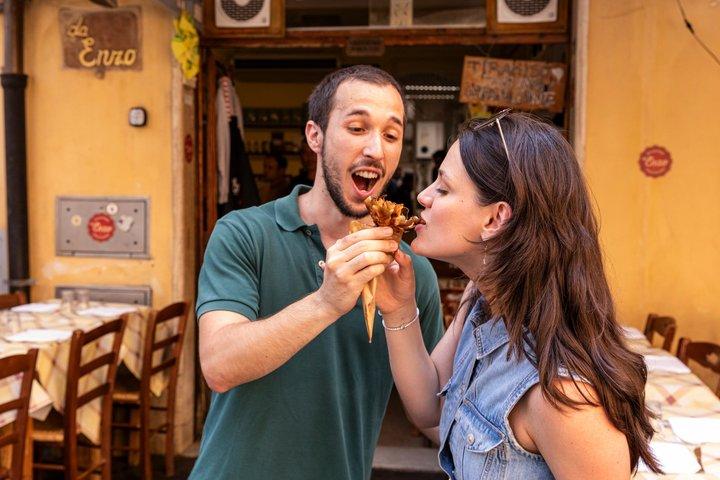
Street food, markets and tasting walks with a local guide.
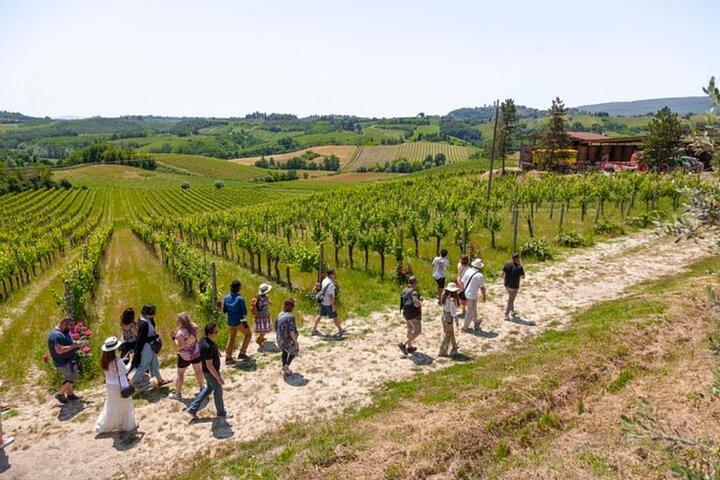
ExploreVineyards, cellars, breweries and distilleries.
ExploreCook the local dish, then eat it — usually three hours.
ExploreGuided shoots at the right hour, and photographers for hire.
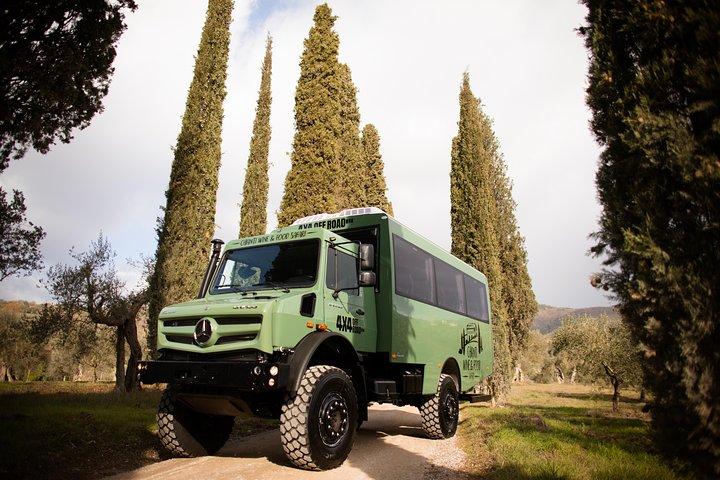
ExploreOut of the city and back the same day.
ExploreSmall groups, old streets, two hours on foot.
ExploreHarbour cruises, catamarans, kayaks and sunset sailings.
ExploreCity rides, e-bikes and countryside routes.
ExploreThe things that change a decision — not a retelling of the guidebook.
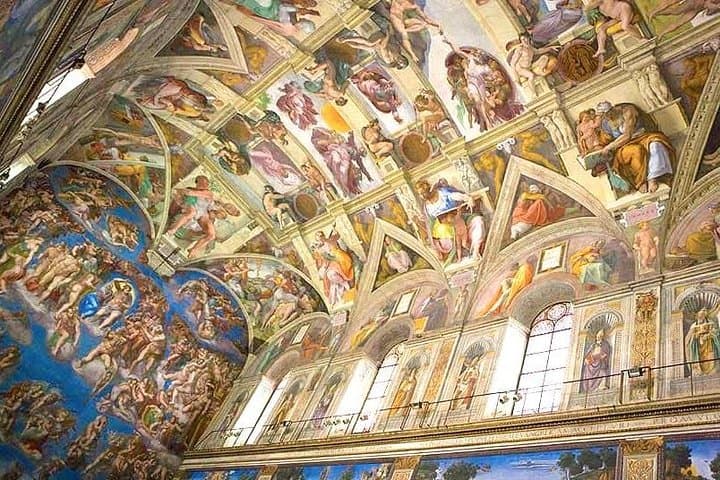
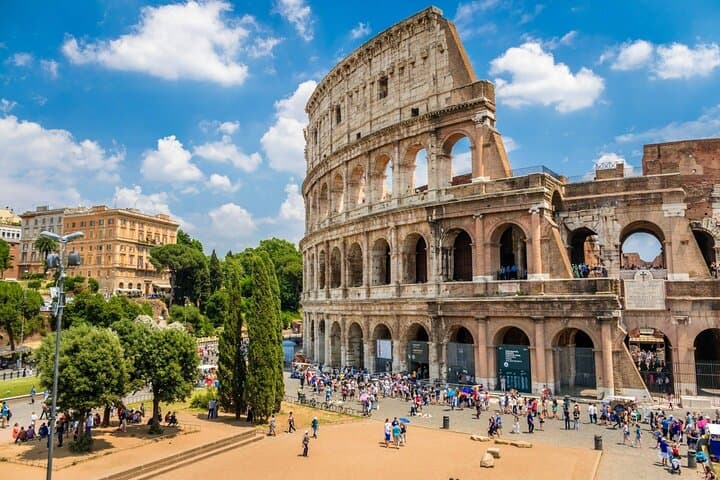
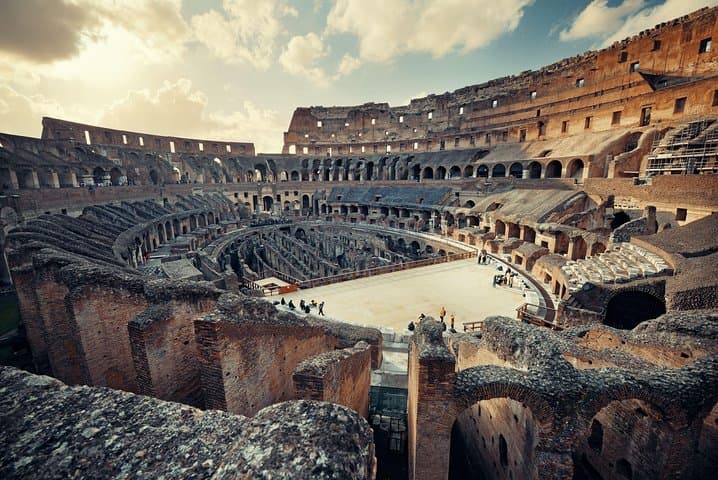
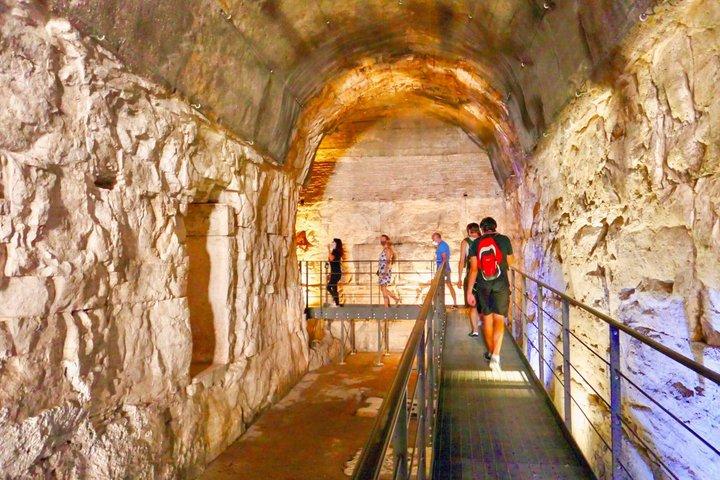
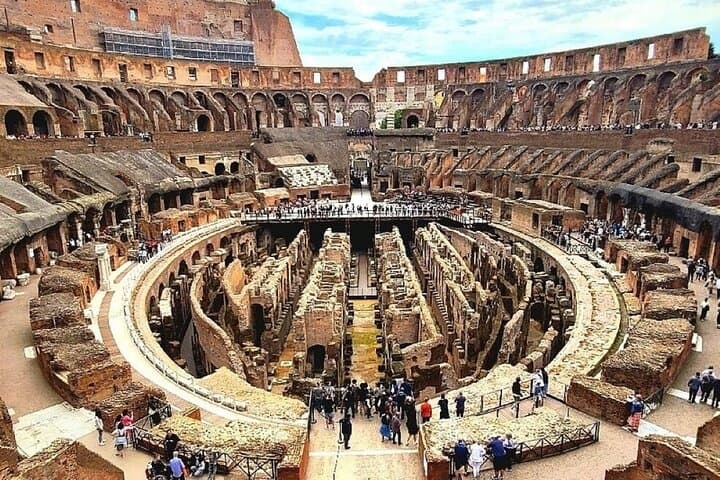
The Colosseum, the Vatican Museums and the Uffizi all run on timed entry, and in summer the official slots go weeks ahead. There is no queue you can join instead. This is the one country where a guided tour is often not the upgrade but the only remaining way in: operators hold allocations the ticket office no longer has.
Rome to Florence is about an hour and a half by train, Florence to Venice about two. That geography is why so much of the catalogue is day trips rather than city walks — Siena and Chianti out of Florence, Pompeii and the Amalfi Coast out of Naples, Tivoli out of Rome, Lake Como out of Milan. One base and trips outward beats moving hotels every second night.
Sicily, Puglia and the Amalfi Coast are driving and boat country, and public transport thins out fast off the main line. Tours there are largely about transport: a seat in a minivan, a skipper, a transfer instead of a rental car. Ferry and hydrofoil timetables shrink sharply between October and April, so an island day trip that is routine in July may not run at all in January.
Almost every old town is ringed by a ZTL — a restricted zone with camera enforcement and no barrier to stop you. The fine arrives months later through the rental company, one per entry. A car earns its keep in Tuscany, Puglia and inland Sicily, which is exactly why tours from those regions are built around a driver.
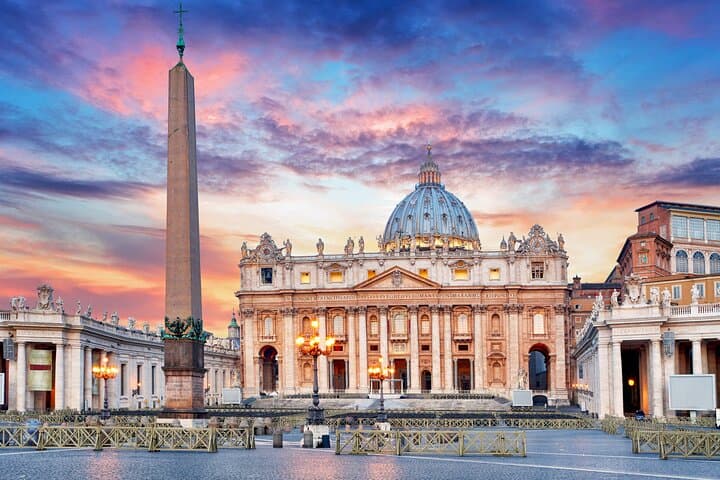
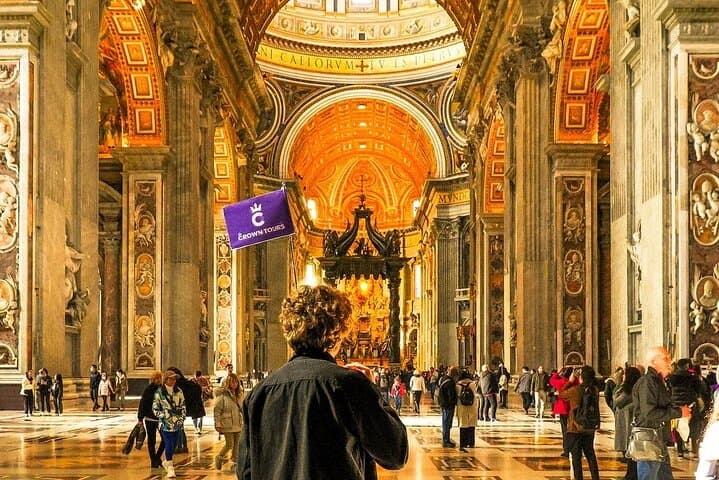
St Peter’s Basilica, the Duomo in Milan and plenty of smaller churches turn people away for bare shoulders or knees, and a booked tour does not change that. Carry something with sleeves in summer. Some sites also bar large bags and have no cloakroom to leave them in.
Ferragosto falls on 15 August and it is the Italian holiday: family-run restaurants and small operators close for days around it, while the heat in Rome and the south is genuinely punishing. The coast is full and the cities are half shut — the worst fortnight of the year to improvise.
What is open, how busy it gets, and when to book ahead.