Yogyakarta · Indonesia
Yogyakarta Tours, Tickets & Things to Do
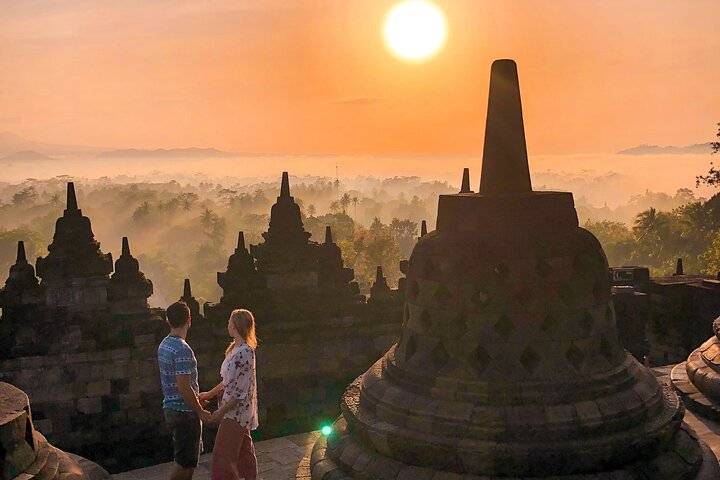
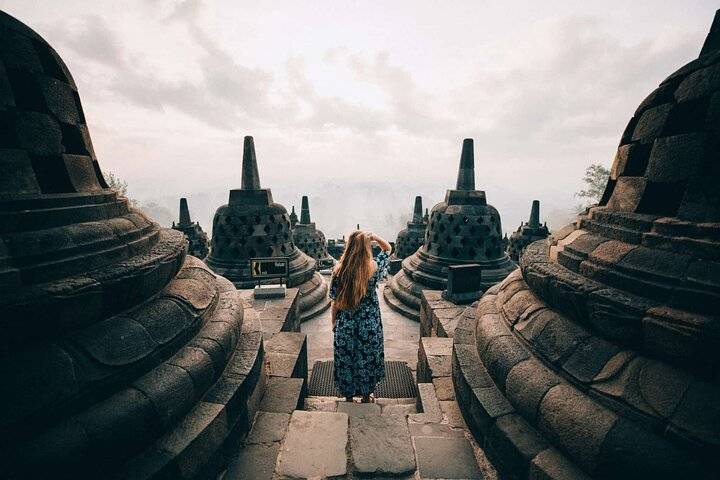
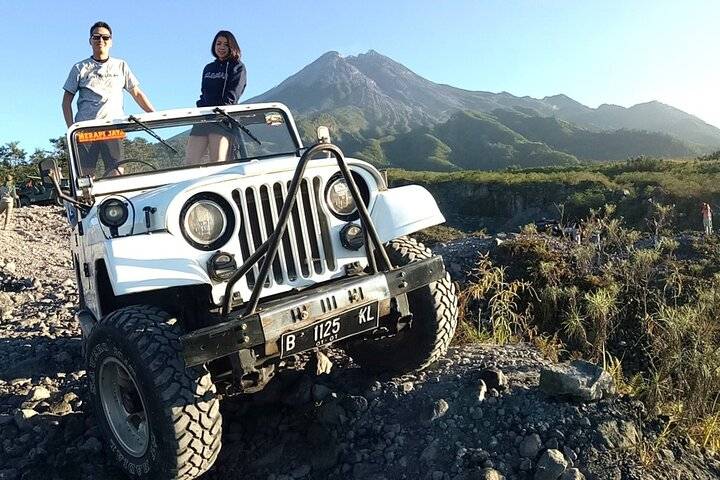
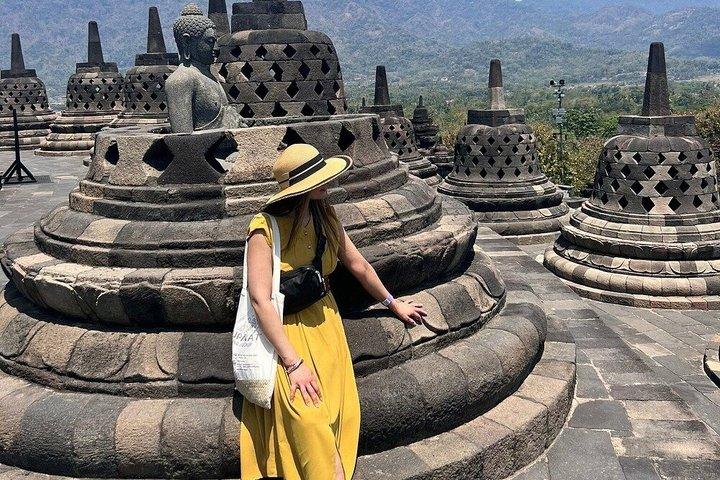
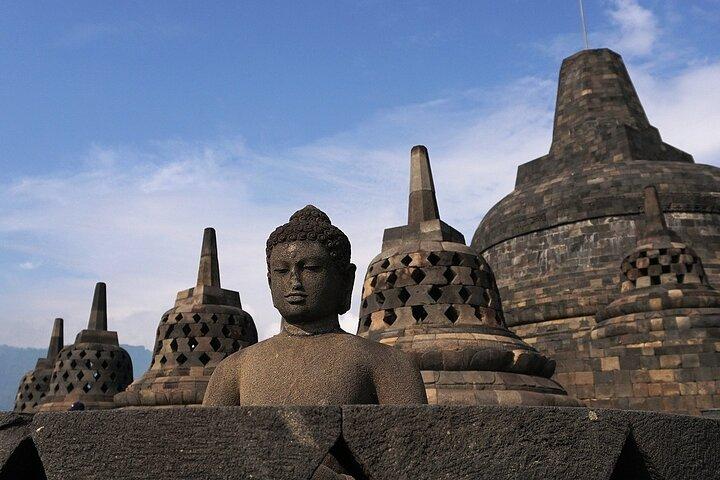
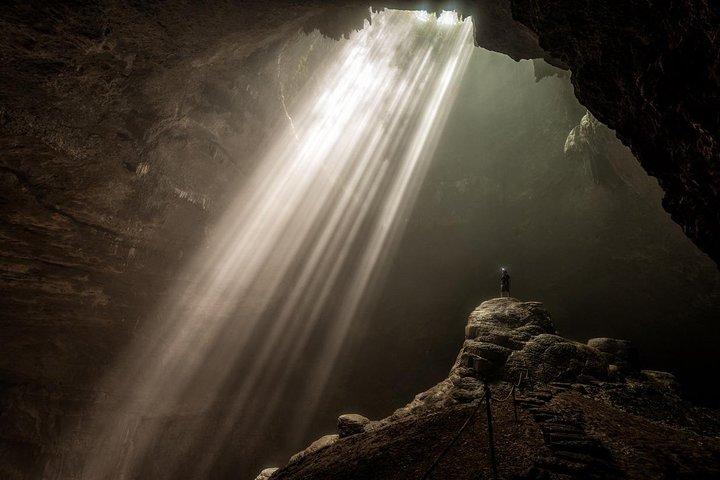
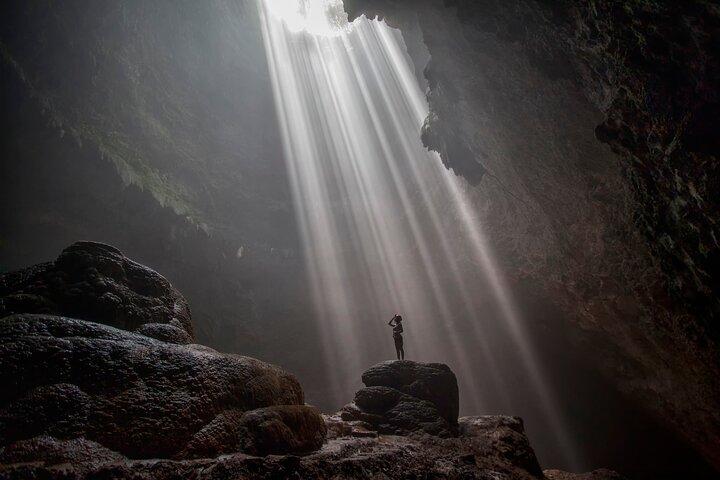
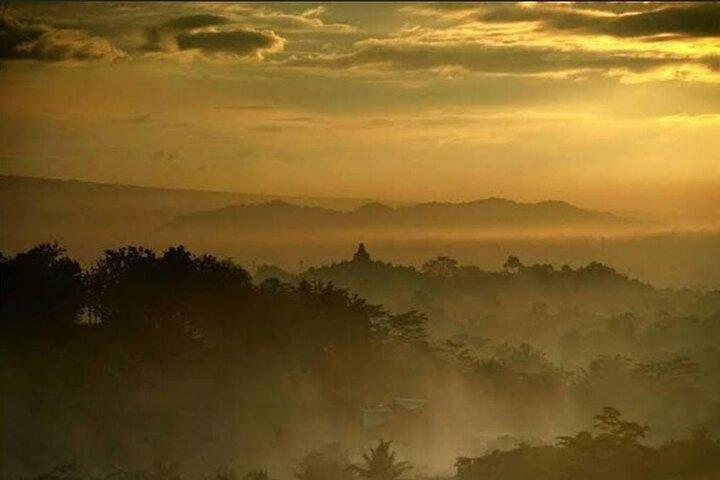
Discover the best Yogyakarta tours, the cultural heart of Java and gateway to Indonesia’s greatest temples: witness sunrise over the colossal Buddhist temple of Borobudur, marvel at the soaring Hindu spires of Prambanan, ride a jeep across the slopes of the smouldering Mount Merapi, explore the sultan’s palace and batik workshops, and descend into the heavenly-lit Jomblang cave. Compare top-rated activities and plan your perfect Indonesia trip.
540 experiences Free cancellation Top-rated tours Instant booking
Good for families in Yogyakarta
Children can join from a young age and pay less than adults — taken from each operator’s price list.



Yogyakarta
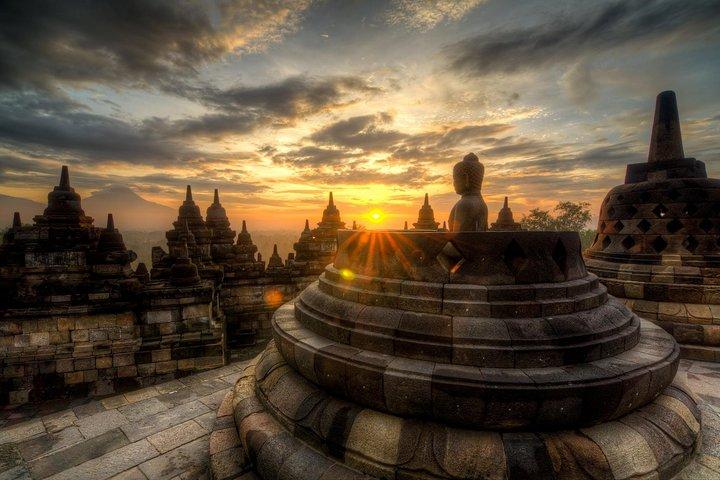
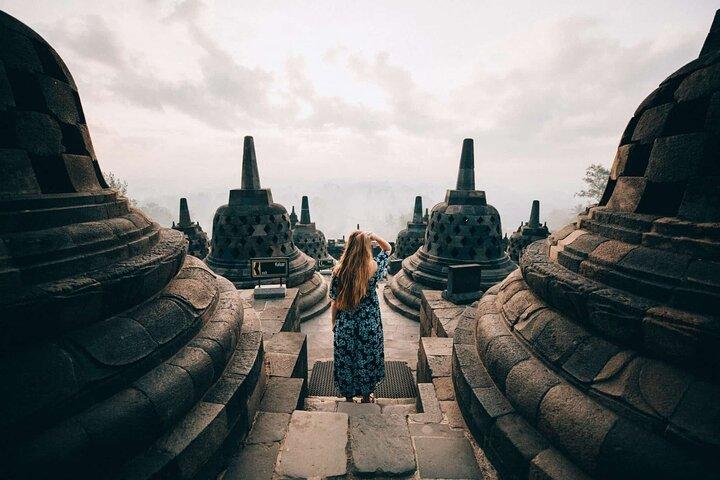
Borobudur Temple Climb To The Top & Prambanan Temple - 1 day tour
from$49/ person
via Viator
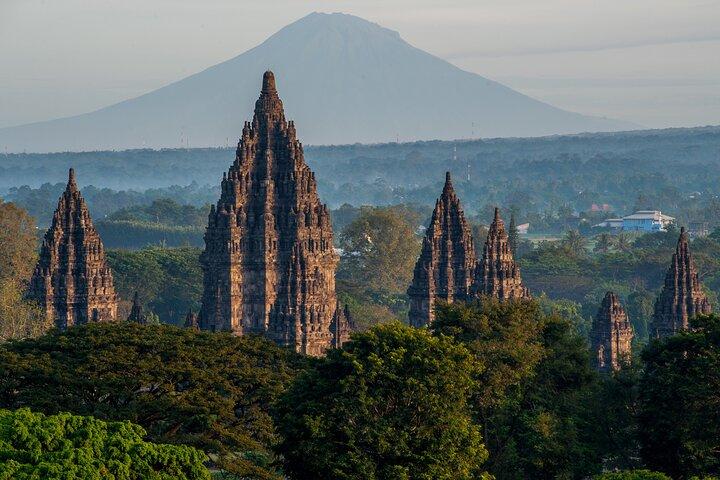

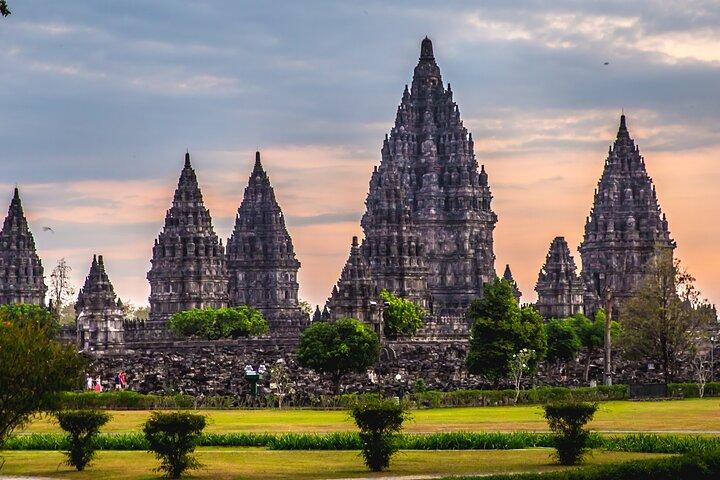
Yogyakarta
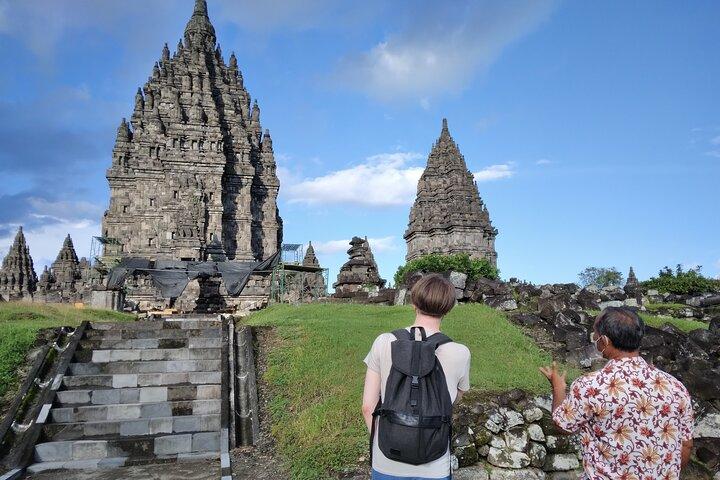
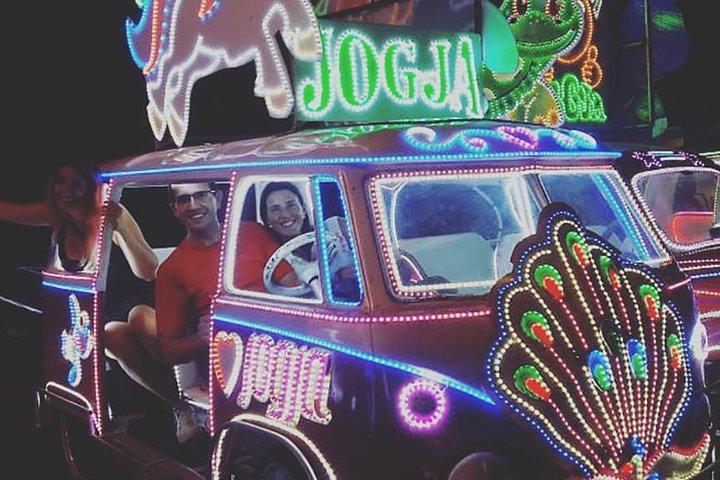
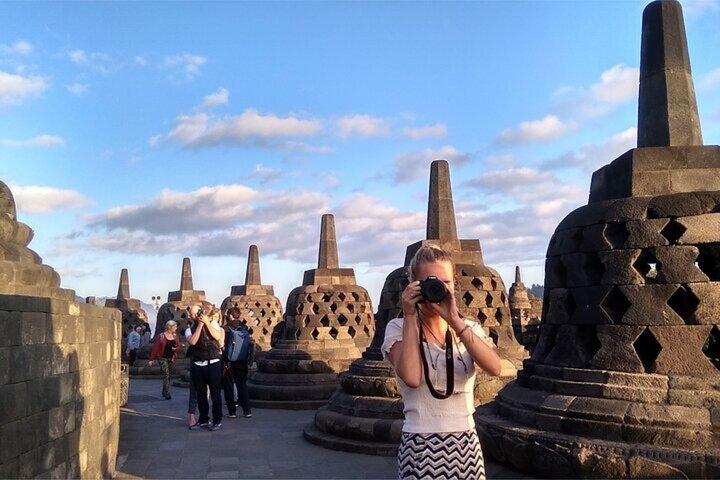
Yogyakarta: Borobudur (climb), Prambanan & Other Visit By Request
from$70/ person
via Viator

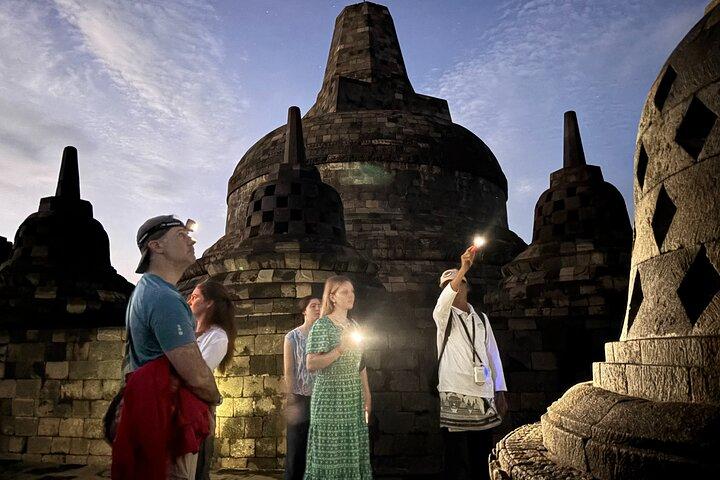
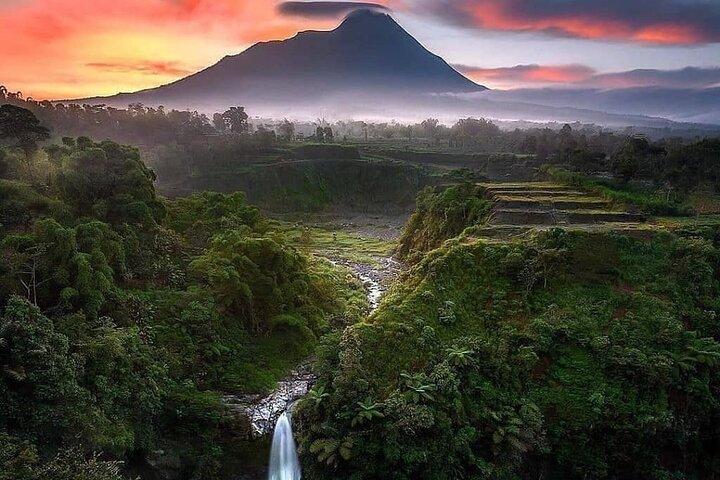

Yogyakarta
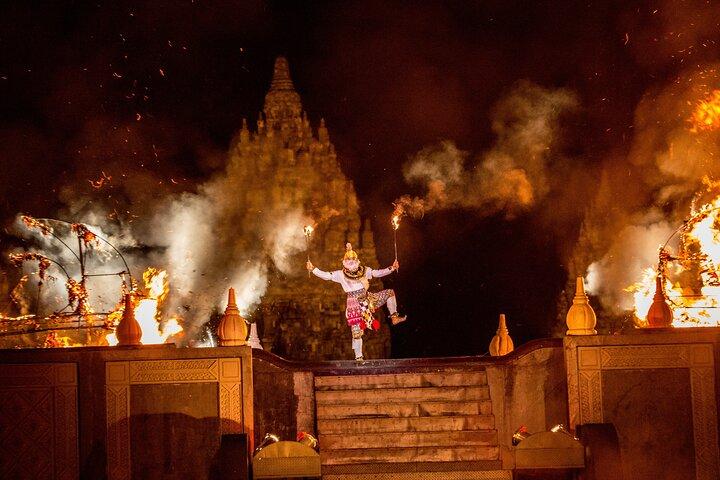
Borobudur Sunrise, Mt. Merapi & Prambanan Day Tour with Entry Fee
from$85/ person
via Viator
Yogyakarta
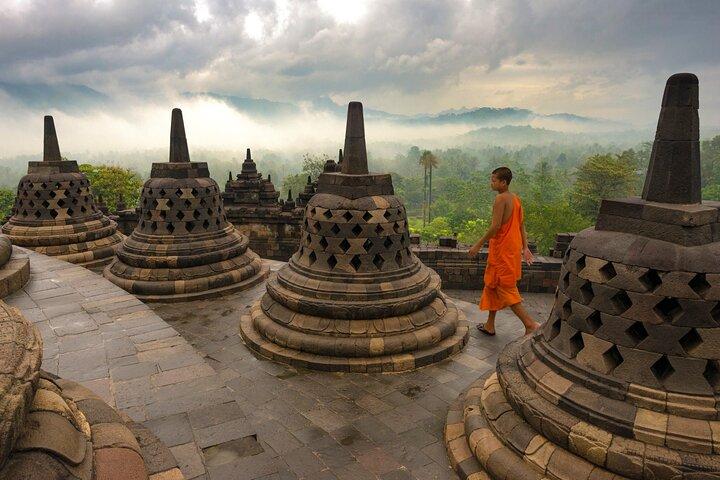
Prambanan Temple and Ramayana Ballet Show (VIP Seat with dinner)
from$110/ person
via Viator
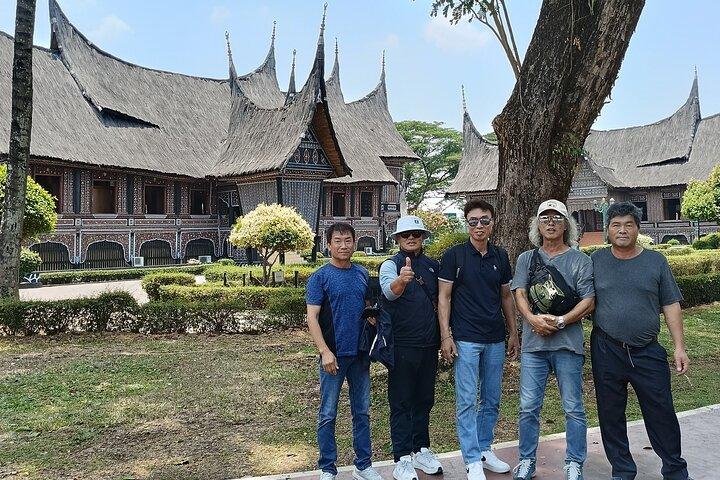

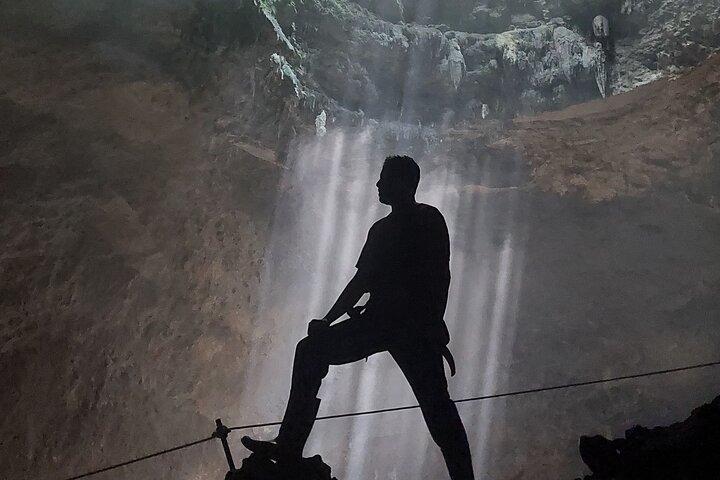
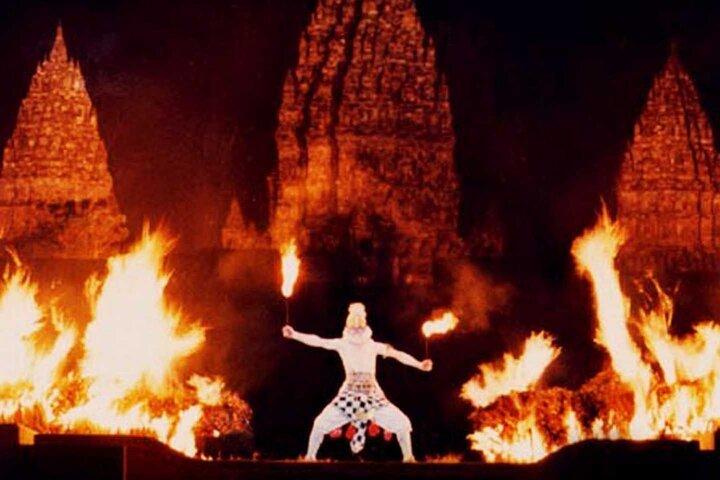
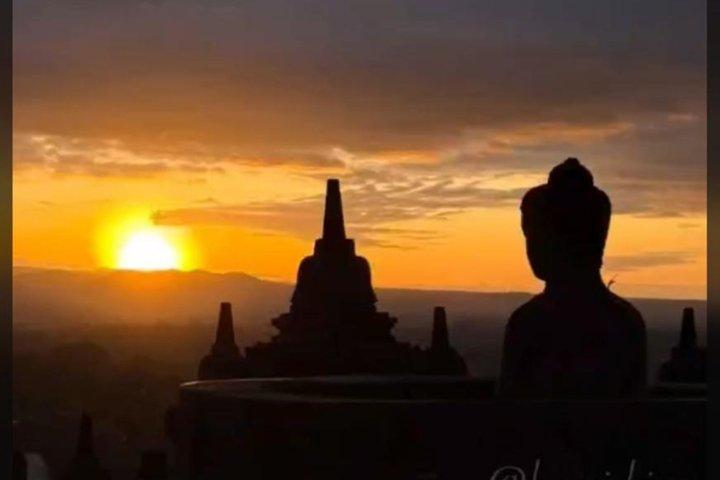


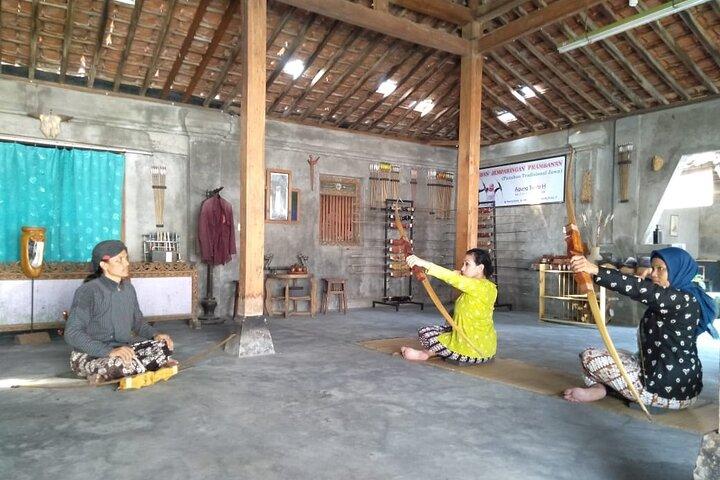
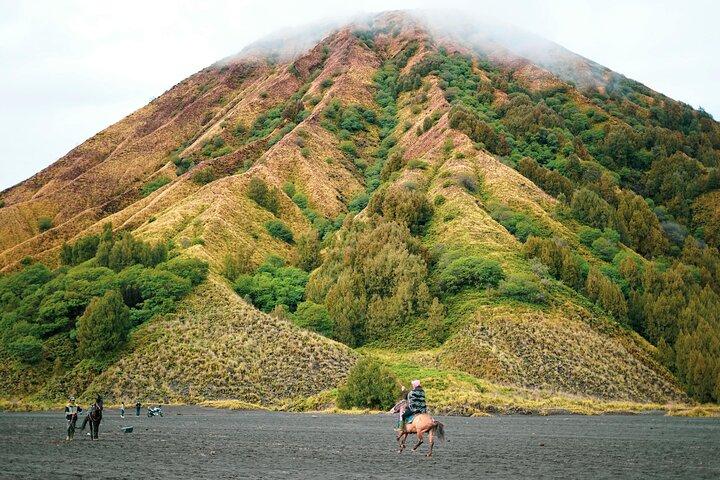
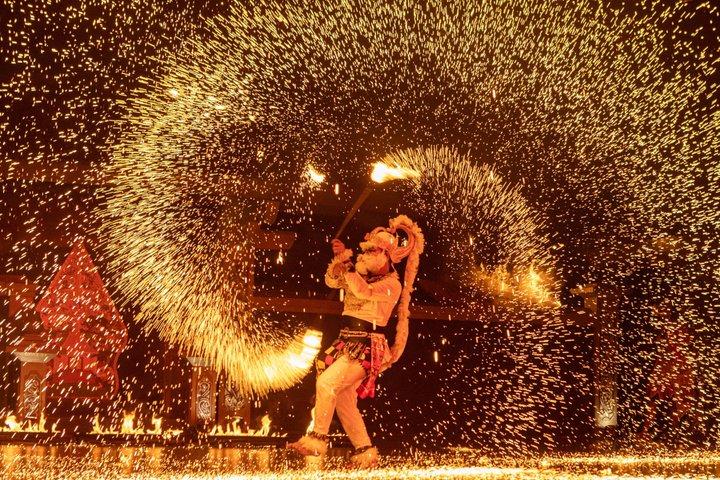


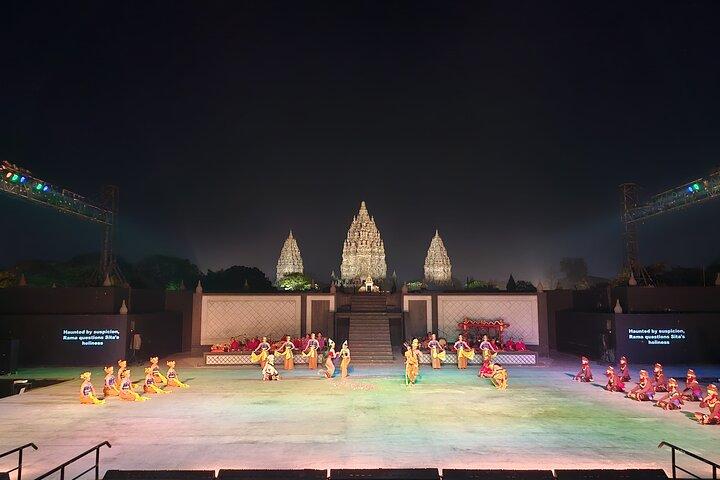


Browse
Explore Yogyakarta by interest
Whatever brings you to Yogyakarta — world-class museums, the river, or a long lunch — start with the experiences travellers love most.
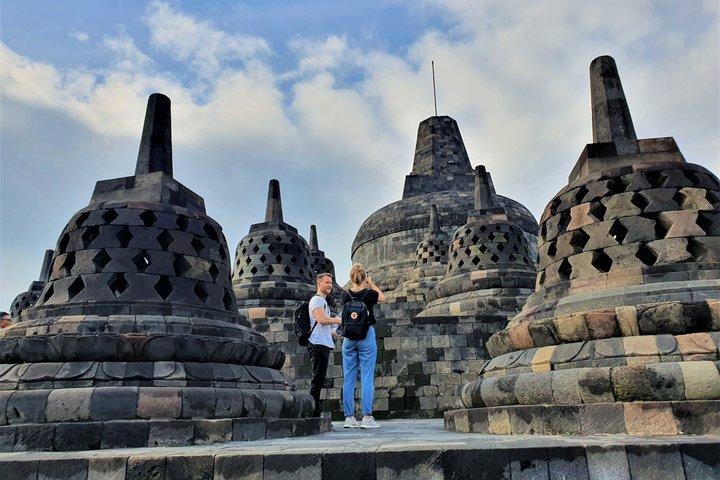
Borobudur
Sunrise Buddhist wonder.
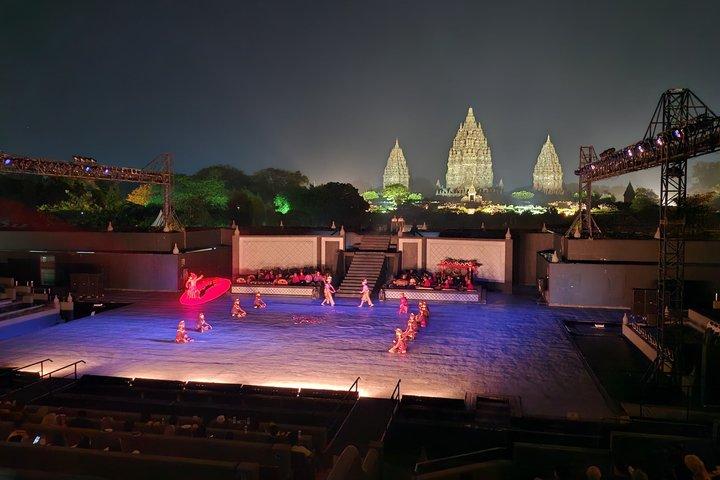
ExplorePrambanan
Hindu temple & ballet.
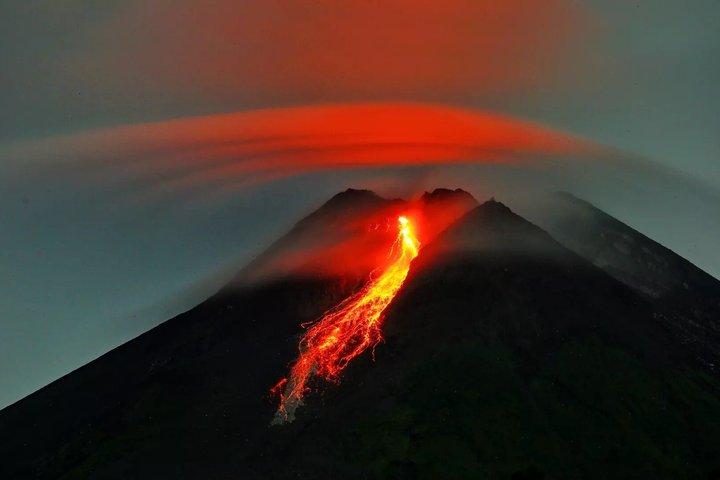
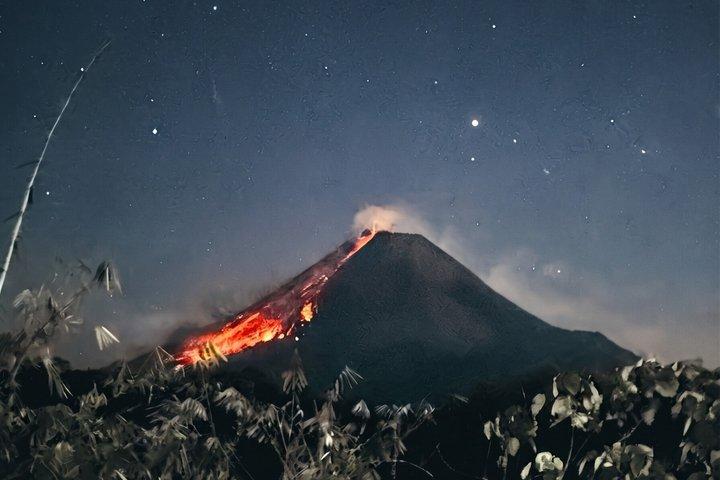
ExploreMount Merapi
Volcano jeep tour.
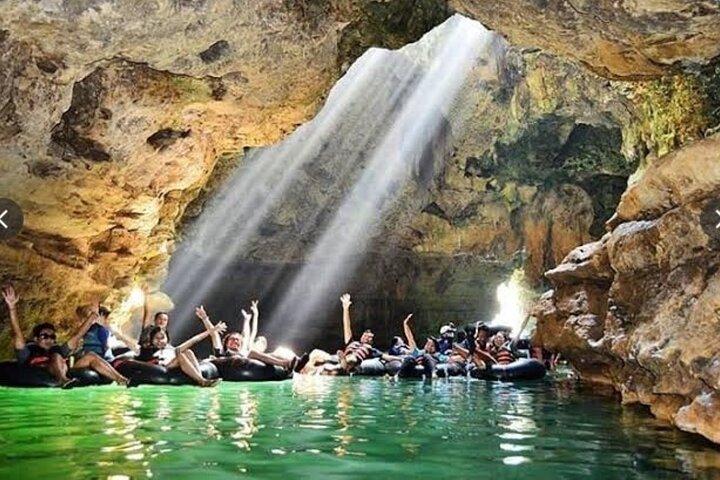
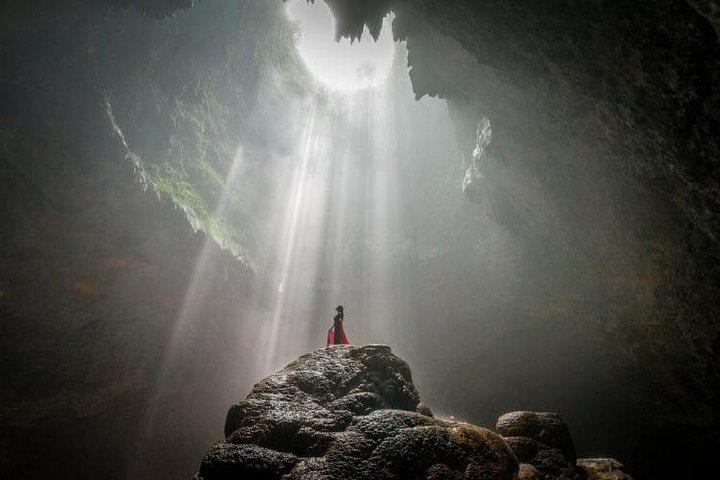
ExploreJomblang cave
Heavenly light.
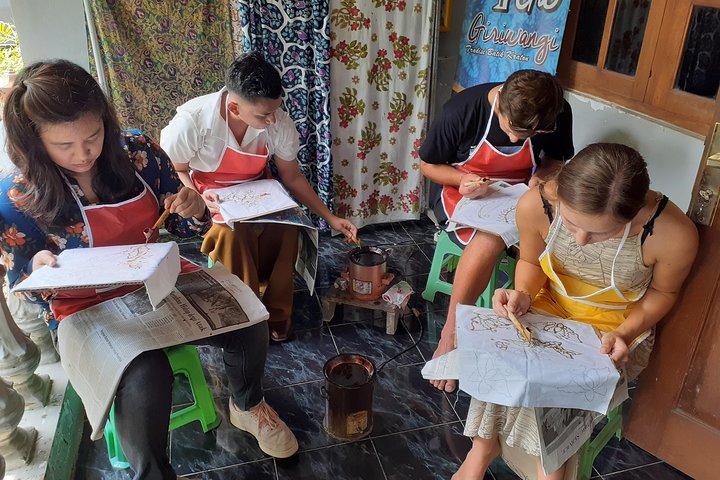
ExplorePalace & batik
Kraton & crafts.
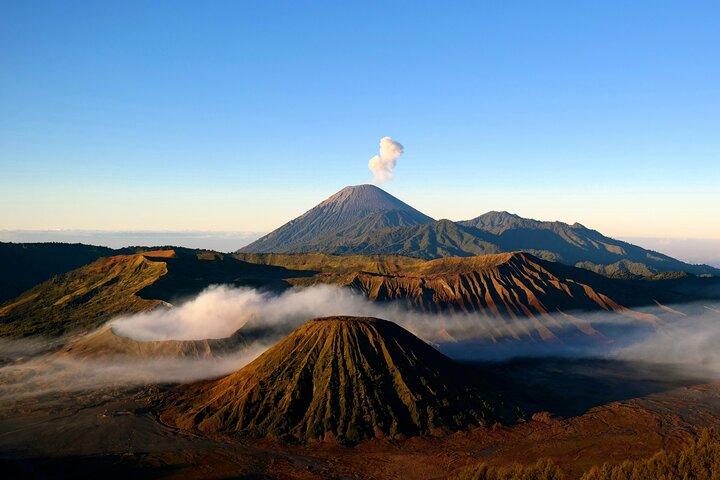
ExploreBromo & Ijen
East Java volcanoes.
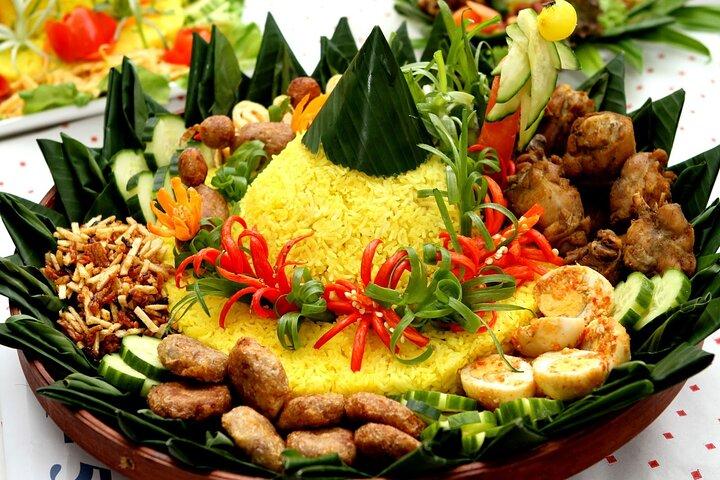
ExploreCooking & food
Javanese flavours.
ExploreRamayana ballet
Epic dance show.
ExploreWhat to see
Top attractions in Yogyakarta
The landmarks that define the city — and the tickets and tours that get you in, often skipping the line.
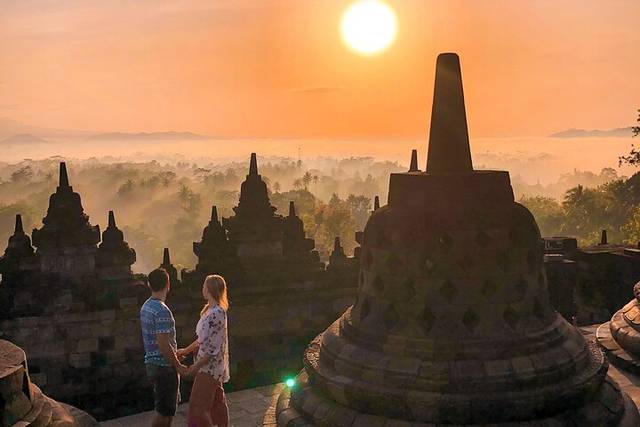
Borobudur
Buddhist wonder.
120+ toursView tours
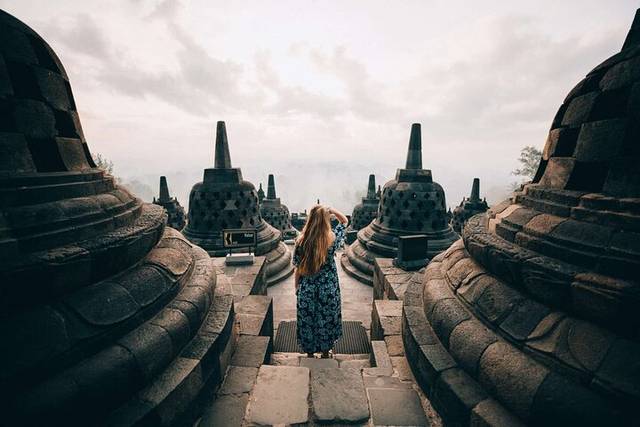
Prambanan
Hindu temple.
100 toursView tours
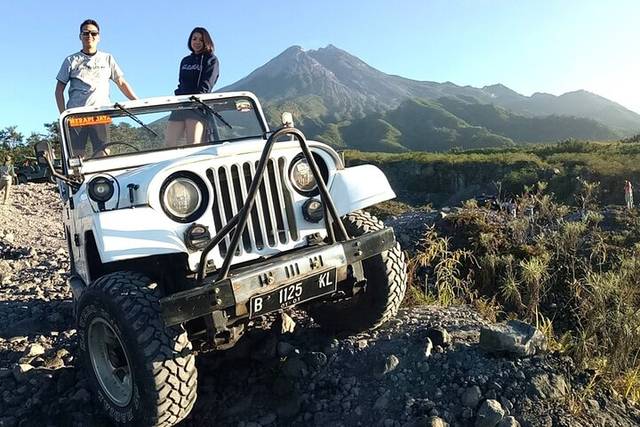
Mount Merapi
Active volcano.
80 toursView tours
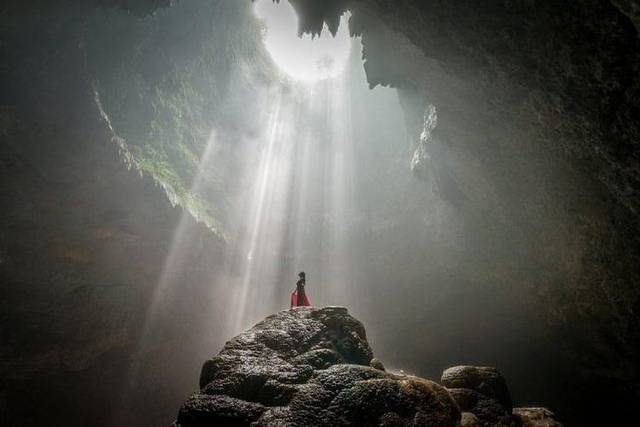
Jomblang Cave
Light of heaven.
50 toursView tours
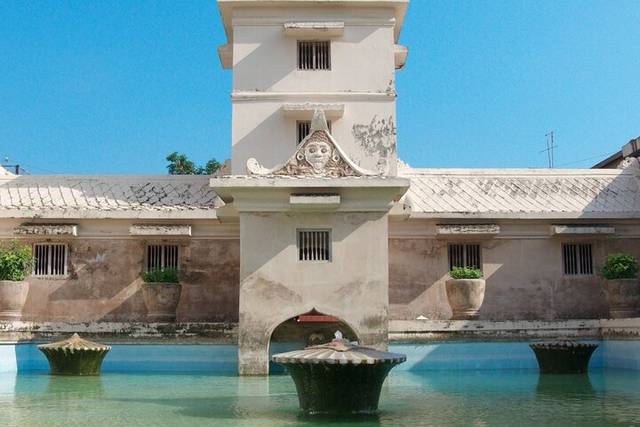
Kraton Palace
Sultan’s court.
60 toursView tours
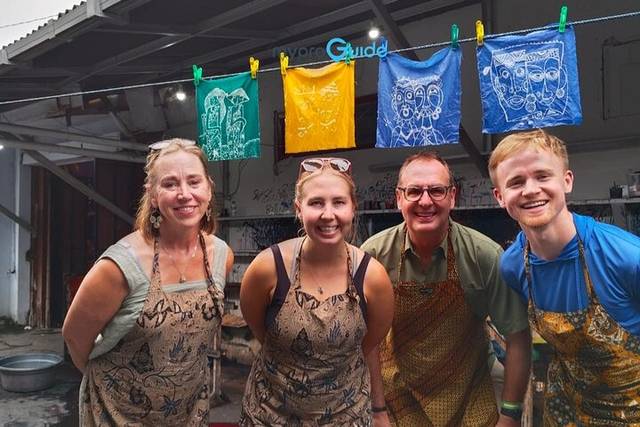
Batik & Silver
Javanese crafts.
40 toursView tours
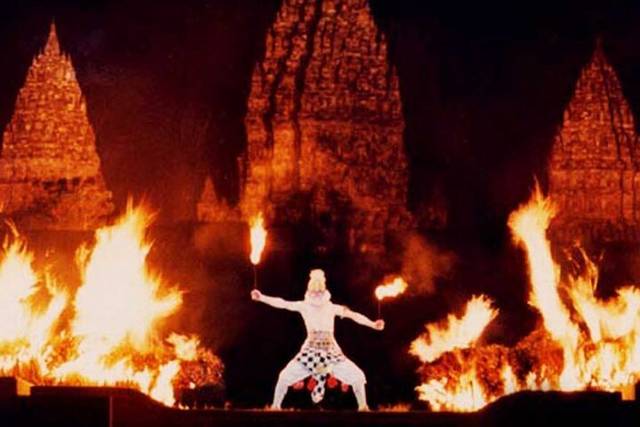
Ramayana Ballet
Epic dance show.
40 toursView tours
Mount Bromo
East Java volcano.
60 toursView tours
1 day
Yogyakarta in 1 day
- 1Borobudur sunrise
- 2Mount Merapi jeep
- 3Prambanan sunset
- 4Ramayana ballet
2 days
Yogyakarta in 2 days
- 1Day 1: temples & Merapi
- 2Day 2: Jomblang cave
- 3Palace & batik
- 4Malioboro food
3 days
Yogyakarta in 3 days
- 1Day 1: temples & Merapi
- 2Day 2: Jomblang & culture
- 3Day 3: Dieng or nature
- 4Temples, caves & plateau
With kids
Yogyakarta with kids
- 1Borobudur temple
- 2Merapi jeep ride
- 3Ramayana ballet
- 4Batik workshop
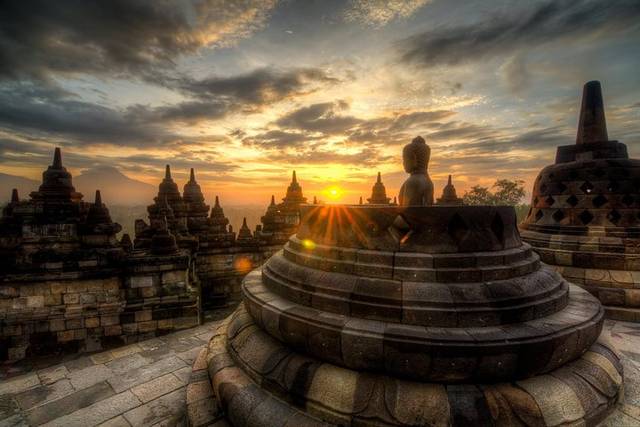 1 hr away
Borobudur
Buddhist wonder.
from €25View trips
45 min awayPrambanan
Hindu temple.
from €20View trips
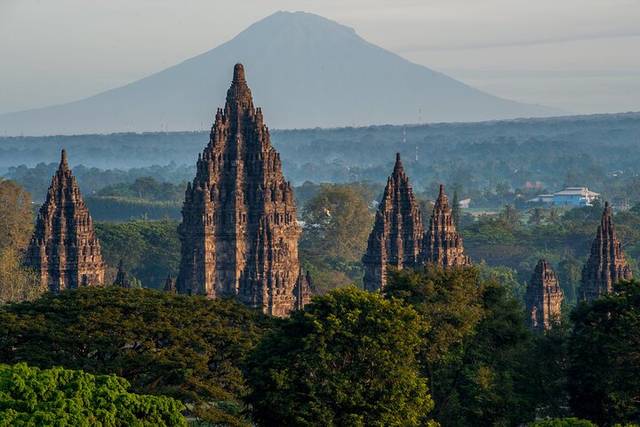 1 hr away
Mount Merapi
Volcano jeep tour.
from €25View trips
 1.5 hrs away
Jomblang Cave
Light of heaven.
from €50View trips
 Multi-day away
Mount Bromo
East Java volcano.
from €120View trips
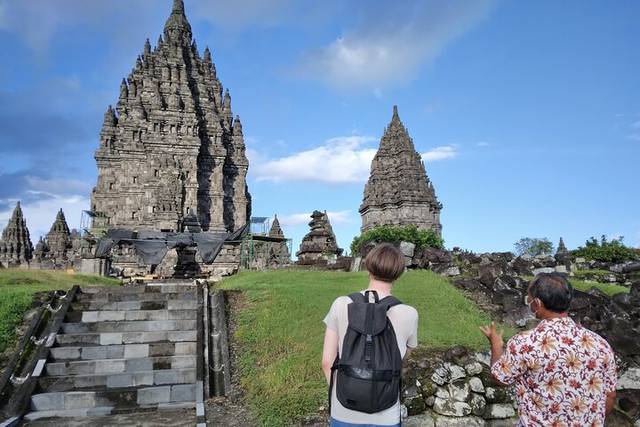 In city away
Kraton Palace
Sultan’s court.
from €12View trips
Practical guide
Know before you go
Short, straight answers to the questions every Yogyakarta visitor asks before booking.
The sweet-spot months
May to September is the dry season — the best time for Borobudur sunrises, Merapi jeeps and the Jomblang cave light.
Dry season (May–Sep)
Drier, sunnier days make this the peak time, ideal for temples, volcanoes and caves.
Wet season (Oct–Apr)
Tropical rains, often in afternoon downpours; mornings can still be clear, and the landscape is lush.
Jomblang light
The cave’s “light of heaven” is brightest around midday in the dry season, when the sun beams in.
Borobudur sunrise
Clear dry-season mornings give the best misty sunrise views over the temple and volcanoes.
Year-round culture
The Kraton, batik and Ramayana ballet can be enjoyed any time of year.
One day
Borobudur, Merapi and Prambanan.
Two days
Add the Jomblang cave and the palace.
Three days
The sweet spot: temples, caves and Dieng.
To East Java
Add days for Bromo, Ijen and Bali.
Culture & food
Linger for batik, palace and Javanese cuisine.
With kids
Mix temples, the jeep ride and the ballet.
Tours & drivers
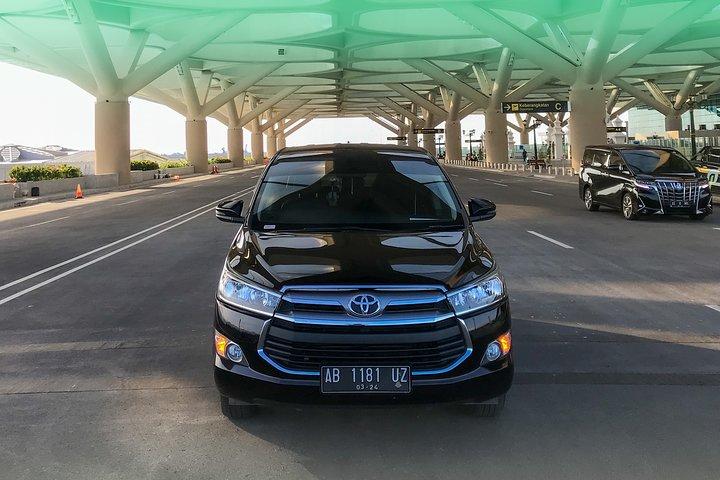
Borobudur, Prambanan, Merapi and the caves are spread out, so tours or a hired car and driver are the easiest way to see them.
In the city
The Malioboro area, Kraton and markets are walkable, lively and best explored on foot.
Becak & taxis
Traditional becak (pedicabs), taxis and app rides handle short trips around the city; agree fares first.
Scooter
Renting a scooter is popular for getting around, though traffic and temples are better with a tour.
Getting there
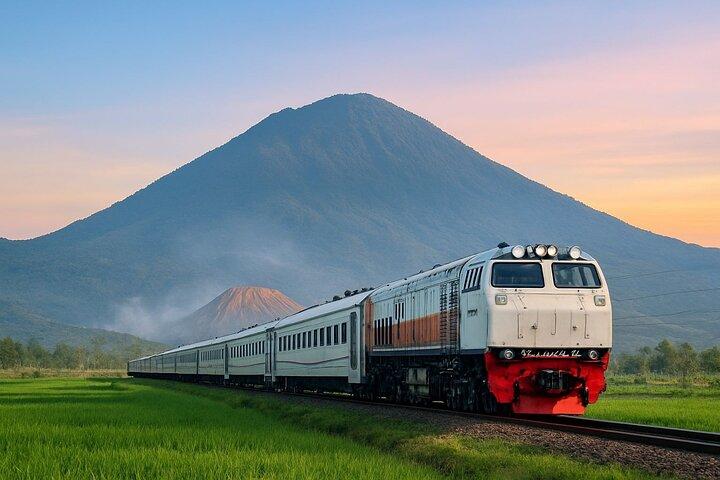
Yogyakarta has an international airport (YIA) and good train links across Java to Jakarta and beyond.
Dress for temples
Cover shoulders and knees at the temples; sarongs are often provided at entry.
Borobudur climb-up tickets
Climbing onto the Borobudur temple itself requires a separate, limited ticket — book ahead if you want to go up.
Indonesian rupiah
Indonesia uses the rupiah; carry cash for markets, becak and small vendors, though cards work in many hotels and bigger venues.
Book sunrise early
Borobudur and Setumbu Hill sunrise tours start very early and sell out — reserve ahead.
Time the cave
Visit Jomblang around late morning for the best “light of heaven” beam.
Try batik
A batik or silver workshop is a fun, hands-on way to take home a Javanese craft.
Pre-book popular tours
Borobudur sunrise and Jomblang cave trips fill up — book ahead.
Borobudur sunrise
Sunrise and climb-up tours sell out — book ahead.
Jomblang cave
The cave has daily visitor limits — reserve early.
Merapi jeep tours
Popular jeep tours fill up — pre-book.
Ramayana ballet
Good ballet seats sell out — reserve ahead.
Bromo & Ijen tours
Multi-day volcano trips are limited — book early.
Dry-season peak
May–September is busy — plan ahead.
Borobudur tour
Around €20–50 for a Borobudur sunrise or day tour.
Temples combo
About €30–70 for a Borobudur, Merapi and Prambanan day tour.
Merapi jeep
Roughly €15–35 for a Mount Merapi jeep tour.
Jomblang cave
About €50–80 for a guided Jomblang cave tour.
Bromo & Ijen
Around €120–250+ for a multi-day East Java tour to Bali.
How to save
Join group tours and combine temples in one day.
When to visit
Yogyakarta through the seasons
What's best, how busy it gets, and one booking tip for each time of year.
Dry (May–Aug)
May–Aug
- Best for
- Temples, sunrises, caves.
- Crowds
- Booking tip
- Best; book ahead.
Dry (Sep)
Sep
- Best for
- Clear, value.
- Crowds
- Booking tip
- Great shoulder.
Wet (Oct–Dec)
Oct–Dec
- Best for
- Lush, quieter.
- Crowds
- Booking tip
- Afternoon rain.
Wet (Jan–Apr)
Jan–Apr
- Best for
- Green, fewer crowds.
- Crowds
- Booking tip
- Wettest months.
People also ask
Yogyakarta travel FAQ
What are the best tours in Yogyakarta?
The highest-rated Yogyakarta experiences are a Borobudur sunrise tour, the Prambanan temple and Ramayana ballet, a Mount Merapi jeep tour, the Jomblang cave, and the palace and batik.
What should I book in advance in Yogyakarta?
Book Borobudur sunrise, climb-up and Jomblang cave tours ahead, as they sell out, especially in the dry-season peak of May–September.
How many days do I need in Yogyakarta?
One day covers Borobudur, Merapi and Prambanan, two add the Jomblang cave and the city’s culture, and three include the Dieng Plateau or nature.
Is Yogyakarta worth visiting?
Yes — Yogyakarta rewards with the awe-inspiring Borobudur and Prambanan temples, the thrilling Mount Merapi, the magical Jomblang cave, the sultan’s palace and batik crafts, and access to East Java’s volcanoes, making it the cultural highlight of Java.
What are the best day trips from Yogyakarta?
Top trips are Borobudur and Prambanan, the Jomblang cave, the Dieng Plateau, and multi-day adventures to Mount Bromo and Ijen.
When is the best time to visit Yogyakarta?
May to September is the dry, sunny peak season, ideal for temple sunrises, volcano jeeps and the Jomblang cave; the wet season from October to April brings tropical afternoon rains and lush scenery.
How do you get around Yogyakarta?
The sights are spread out, so tours or a hired car and driver work best, with the Malioboro area and Kraton walkable, and becak, taxis and scooters for the city.
540 Yogyakarta experiencesfrom €10 · free cancellation
Explore tours