Devils Den15 min
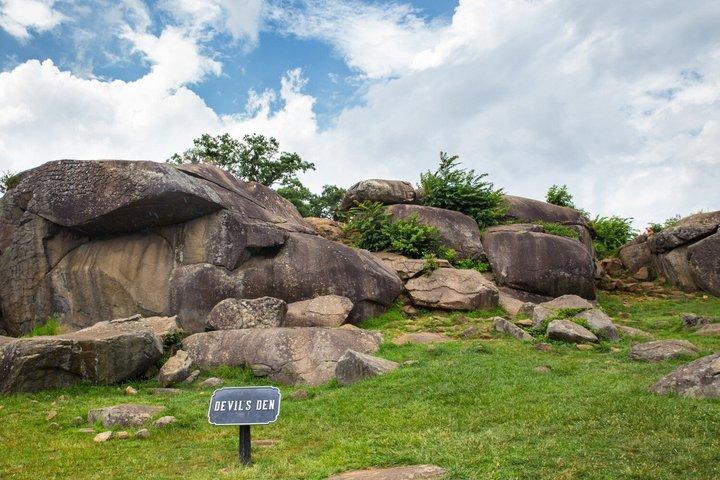
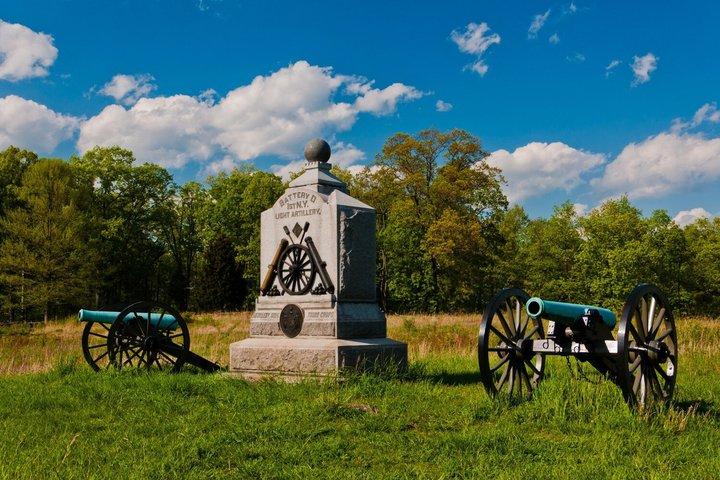
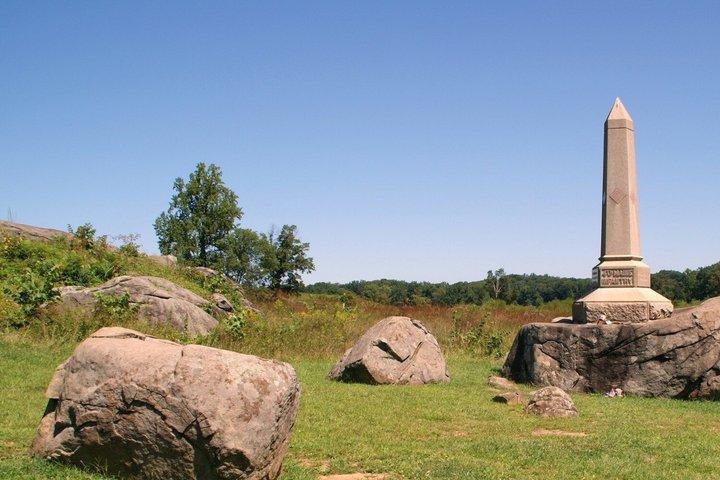
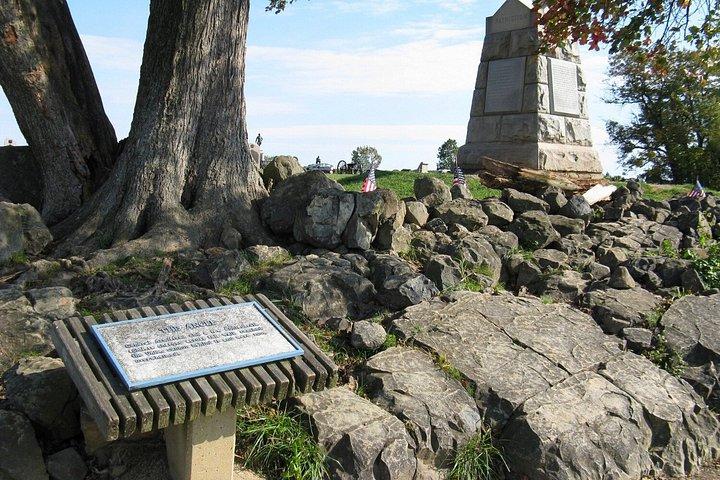
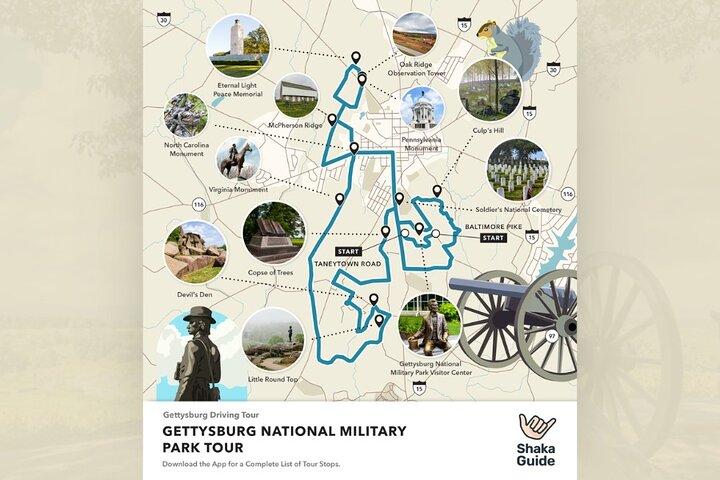
This rocky terrain was the site of some of the most brutal fighting in Gettysburg. Here, Confederate sharpshooters set up positions among the volcanic rocks while Union soldiers tried to dislodge them by any means necessary. Devil's Den features a walking route with additional stories detailing the chaotic struggle that took place here and digging into other elements of the conflict, like the emergence of war photography.
15 min
East Cemetery Hill was a vital Union position during the Battle of Gettysburg. After Confederate General Ewell’s nighttime assault on July 2, the Union forces managed to hold the hill. Union reinforcements arrived, pushing back the Confederate forces and preventing the Confederacy from gaining the high ground. Today, East Cemetery Hill remains a significant landmark, offering a reflection point where visitors can appreciate the importance of this hill in the broader context of the battle and the war.
The Eternal Light Peace Memorial15 min
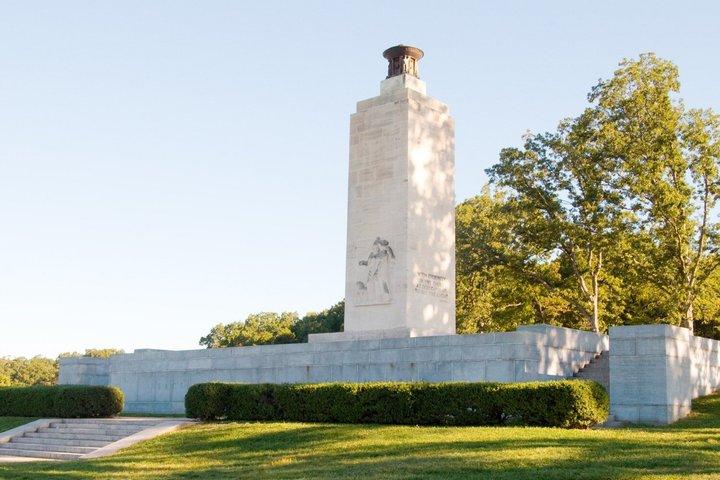
The Eternal Light Peace Memorial is a symbol of reconciliation, dedicated on the 75th anniversary of the Battle of Gettysburg in 1938. Civil War veterans from both the Union and Confederate sides attended the ceremony. The towering granite structure is topped with a gas-lit flame, signifying enduring peace. The inscription, "Peace Eternal in a Nation United," commemorates the unity and healing that followed the war, reminding visitors of the importance of national reconciliation after the devastating conflict.
High Water Mark of the Rebellion Monument10 min
The High Water Mark marks the closest point the Confederacy came to victory during the Battle of Gettysburg. Located along the field where Pickett’s Charge took place, it’s here that Confederate soldiers advanced in a last-ditch effort to break Union lines. Despite initial successes, the charge faltered, and the Confederates were repelled. Today, visitors can reflect on this pivotal moment in history, where the Confederacy's high-water mark was reached before their eventual retreat from the battlefield.
10 min
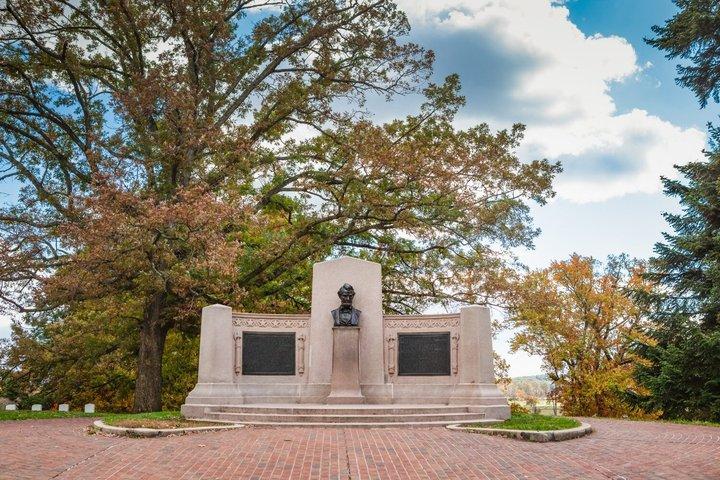
The Lincoln Gettysburg Address Monument commemorates the site where President Abraham Lincoln delivered his famous speech on November 19, 1863, dedicating the Soldiers’ National Cemetery. Lincoln’s brief but powerful words redefined the nation’s purpose, honoring the fallen soldiers and reaffirming the principles of liberty and equality. The monument serves as a reminder of the enduring impact of Lincoln’s address on the nation and its ideals, symbolizing the enduring fight for freedom and unity.
Little Round Top10 min
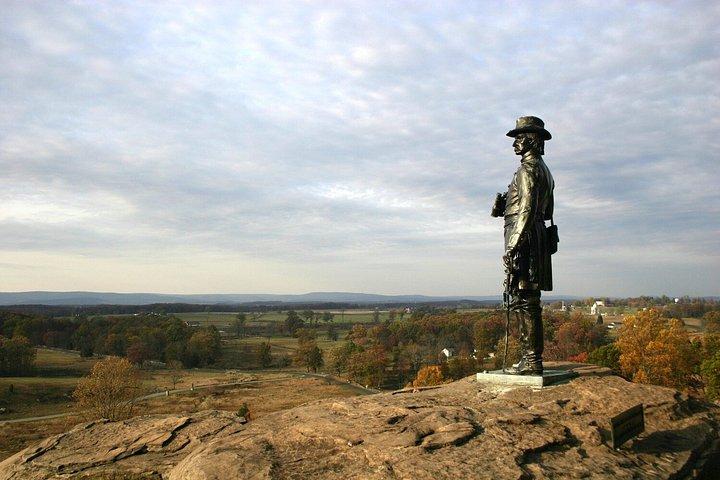
Little Round Top is a key historical landmark, pivotal in the Union’s defense during the Battle of Gettysburg. On July 2, 1863, Colonel Joshua Chamberlain and the 20th Maine Volunteer Infantry Regiment successfully held the hill against repeated Confederate assaults. Their defense is regarded as a turning point in the battle. Today, Little Round Top offers sweeping views of the battlefield, helping visitors understand the strategic importance of this high ground and its role in securing Union victory.
Southern Pennsylvania World War II Memorial10 min
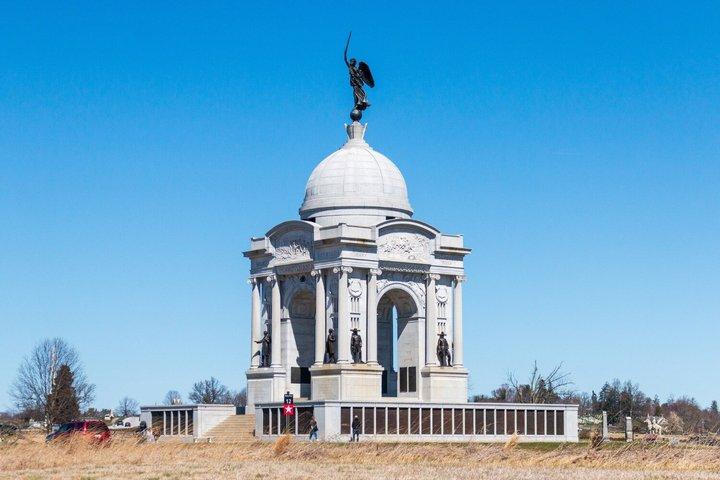
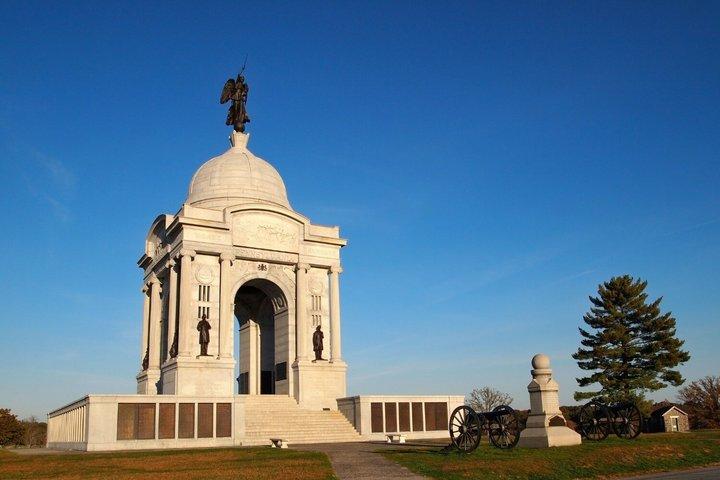
The Pennsylvania Memorial is the largest monument at Gettysburg, dedicated to the 34,530 soldiers from Pennsylvania who fought in the battle. The monument features a grand granite dome supported by massive columns, with bronze tablets displaying the names of the fallen soldiers. Atop the dome is a statue of the goddess Victory, holding a sword and laurel wreath. This monument not only honors the soldiers but also serves as an educational landmark, offering insight into Pennsylvania's critical role in the battle.
Seminary Ridge Museum and Education Center10 min
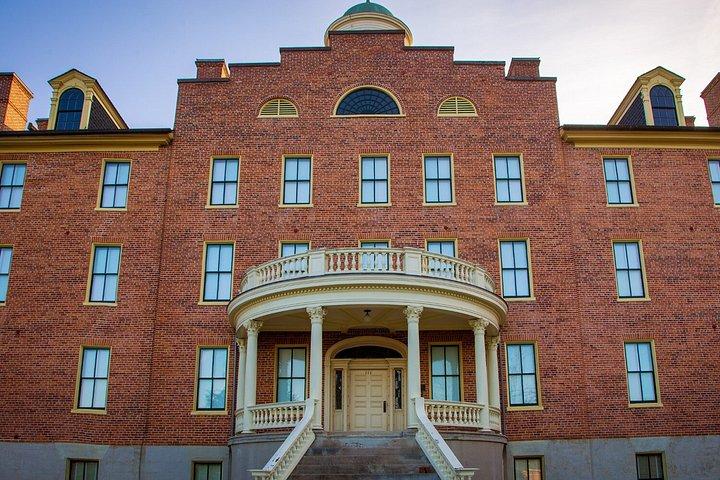
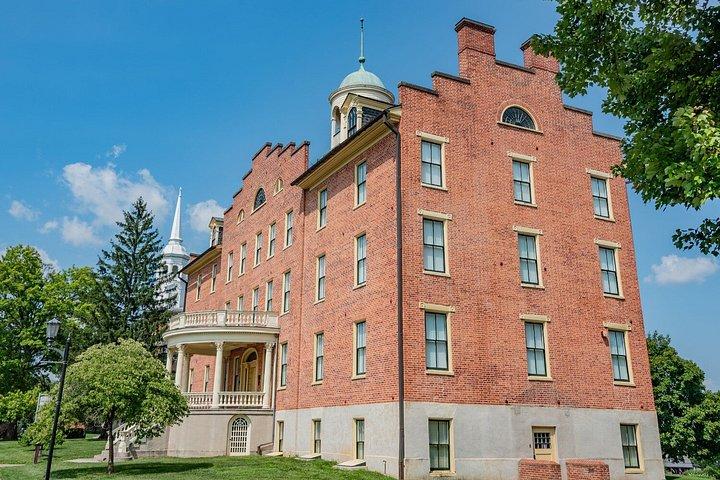
This once-peaceful seminary found itself at the heart of the fighting on the first day of battle, as Union forces desperately tried to hold off the Confederate attackers. Seminary Ridge also features a walking route with additional stories about civilian life before, during, and after the battle. This walk includes views of the historic seminary buildings as well as stories about unlikely heroes like John L. Burns, an old man who decided he wasn't about to let rebels burn down his town.
10 min
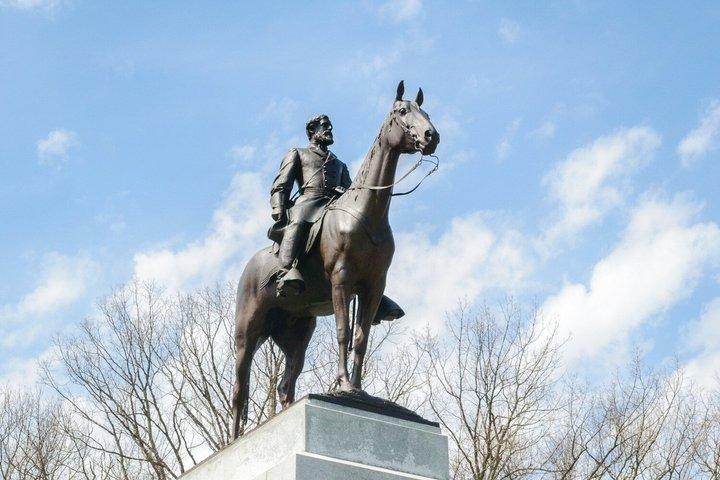
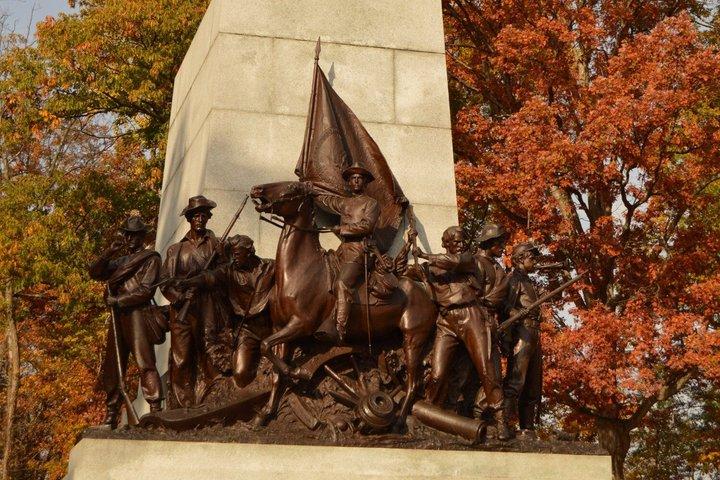
The Virginia Monument honours Confederate soldiers from Virginia, featuring a striking equestrian statue of General Robert E. Lee and his horse, Traveller. Surrounding them are seven infantrymen, representing different participants in the Civil War from Virginia. Unveiled in 1917, the monument was designed by Frederick William Sievers and commemorates General Lee’s leadership and the bravery of the soldiers he commanded during the Battle of Gettysburg. The statue stands as a tribute to Virginia’s significant role in the battle.