
Travel guide · France
Paris Travel Guide 2026: Louvre and Eiffel tickets, new prices and real costs
Paris from the Tour Montparnasse at sunset: the Eiffel Tower, the Invalides and La Défense. Photo: Basile Morin, CC BY-SA 4.0
Paris is the same city it always was, but the paperwork around it changed a lot in 2026: the Louvre, Versailles and Sainte-Chapelle now charge visitors from outside Europe more, paper metro tickets are gone, and Notre-Dame and its towers are open again. The decisions that matter are what to book first, whether the Museum Pass still pays, and which day trip deserves your one free day. This guide answers them with current official prices and live prices from 1,440 bookable tours.
Paris at a glance
Paris is the capital of France, a compact city of about 2.05 million people inside a metropolitan area of roughly 13.3 million. The city proper covers only 105 km² and is split into 20 arrondissements that spiral clockwise out from the centre, starting on the Right Bank — so an address ending in 75001 is next to the Louvre and one ending in 75018 is up in Montmartre.
The banks of the Seine have been a UNESCO World Heritage Site since 1991, and most of what first-time visitors come for sits within walking distance of the river: the Louvre, Notre-Dame and the Sainte-Chapelle on the Île de la Cité, the Musée d'Orsay, and the Eiffel Tower in the 7th. Montmartre and the Sacré-Cœur are the main exception, a metro ride north.
| Population | About 2.05 million (city, January 2026) |
|---|---|
| Districts | 20 arrondissements; the first four are run together as Paris Centre since 2020 |
| Heritage | Banks of the Seine, UNESCO World Heritage since 1991 |
| Airports | Charles de Gaulle (RER B, about 35 min to Gare du Nord) and Orly (metro 14, about 25 min to Châtelet) |
| Metro and RER | €2.55 single ticket in 2026; airport ticket €14 |
| Most visited | Louvre about 9 million visitors in 2025; Eiffel Tower 6.75 million |
| Tourist tax | €2.60–15.93 per adult per night depending on the hotel class |
Paris in pictures
Tap a photo to enlarge it. Photos: NonOmnisMoriar, Sam valadi, Diego Delso, Dietmar Rabich, dconvertini — Wikimedia Commons.
Which Paris tickets do you need to book in advance in 2026?
Verdict: book the Louvre the moment your dates are fixed, on ticket.louvre.fr only — it sells on the door only when attendance is low. Next come Eiffel Tower lift tickets (up to 60 days ahead), the Notre-Dame towers (online only), the Catacombs and, if you are going, a Versailles time slot. Notre-Dame Cathedral itself is free; a free reservation just saves queueing.
The biggest change for 2026 is two-tier pricing. Since mid-January the Louvre, the Sainte-Chapelle, Versailles, the Opéra Garnier and the Château de Chambord charge visitors from outside the European Economic Area more than EEA residents. The EEA is the 27 EU countries plus Iceland, Liechtenstein and Norway — so British, American, Canadian and Australian visitors pay the higher price, and you may be asked for proof if you claim the lower one.
| Ticket (adult) | Non-EEA visitors | EEA residents | Good to know |
|---|---|---|---|
| Louvre | €32 | €22 | Closed Tuesdays; free under 18, and for EEA residents under 26 |
| Eiffel Tower, lift to summit | €36.70 | €36.70 | Lift to 2nd floor €23.50; stairs to 2nd floor €14.80 |
| Musée d'Orsay | €16 online | €16 online | €14 at the desk; €12 on Thursday evenings; closed Mondays |
| Sainte-Chapelle | €22 | €16 | With the Conciergerie: €30 / €23 |
| Notre-Dame Cathedral | Free | Free | Optional free timed reservation |
| Notre-Dame towers | €16 | €16 | Online only; 424 steps, no lift |
| Catacombs | €31 | €31 | Audio guide included; closed Mondays |
| Arc de Triomphe | €16 (Oct–Mar) | €16 (Oct–Mar) | €22 from April to September |
| Palais Garnier, self-guided | €25 | €15 | Guided tour €35 / €25 |
Eiffel Tower, Orsay and Catacombs prices are the same for everyone. Prices are those published for 2026; check the official site on the day you book.
The Louvre: timed tickets, one entry, closed on Tuesdays
The Louvre opens 9:00–18:00, with late openings to 21:00 on Wednesdays and Fridays, and closes every Tuesday. Last entry is an hour before closing and the rooms start emptying 30 minutes before, so a 17:30 arrival is wasted money. Leaving the building ends your visit — there is no re-entry on the same ticket.
Buy only on the official site. The museum itself warns about street sellers and mirror websites that sell 'skip-the-line' tickets; those can be refused at the door. The ticket also gets you into the small Musée Eugène-Delacroix the same day or the next, and the audio guide costs €6 extra.
Free Louvre evenings exist, but not in summer
Everyone gets in free on the first Friday evening of the month after 18:00 — except in July and August — and on 14 July. Under-18s are always free, as are EEA residents under 26. Free visitors are still advised to book a time slot.
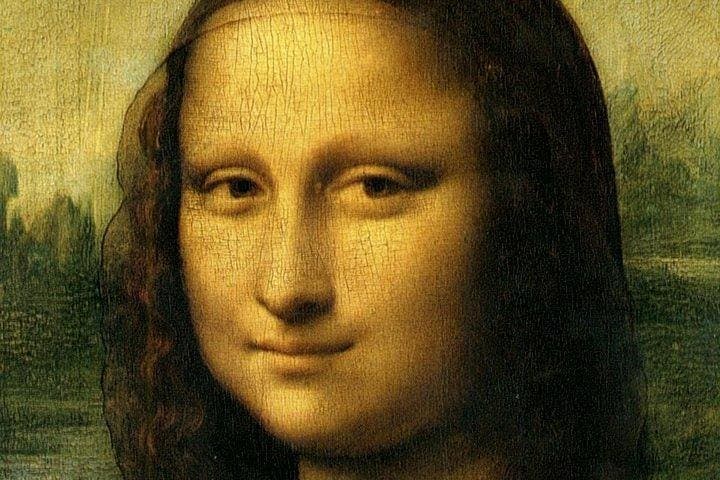
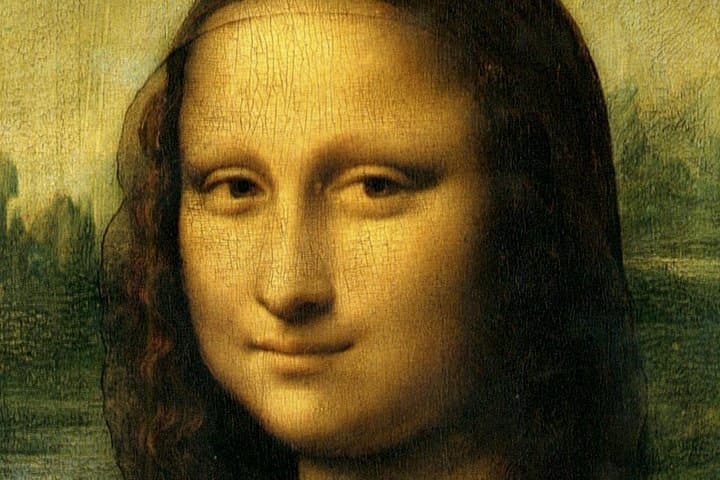
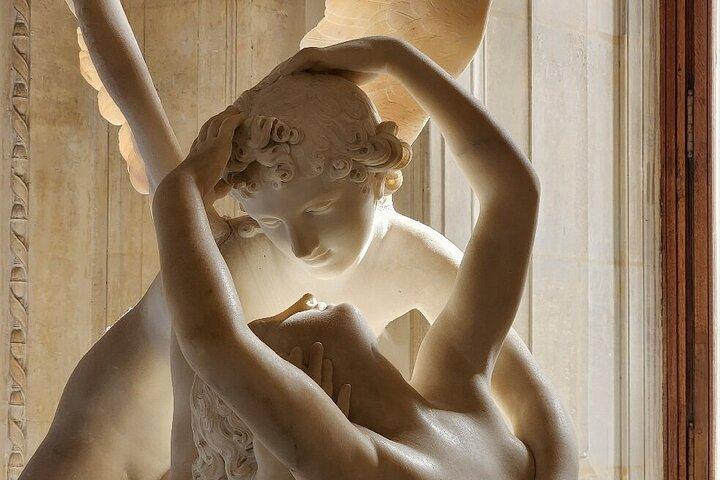
137 Top-rated Louvre guided visits tours on Excurgo · from $7, typical $194 per person · rated 4.6 across 49,287 reviews
Is the Paris Museum Pass worth it in 2026?
Verdict: buy the 2-day pass (€85) only if you will really do four or more paid sites in 48 hours — for example the Louvre, Orsay, Sainte-Chapelle and the Arc de Triomphe. For a slower trip, or if you are under 18 or an EEA resident under 26 and get most museums free, single tickets are cheaper.
The pass covers more than 50 museums and monuments in Paris and the region, including the Louvre, Orsay, the Orangerie, the Arc de Triomphe, the Sainte-Chapelle, the Conciergerie, the Panthéon, the Notre-Dame towers, the Rodin and Picasso museums and Versailles. It runs in hours from your first scan (48, 96 or 144), allows one entry per site, excludes temporary exhibitions and cannot be refunded.
The pass does not let you walk in anywhere. A time slot is mandatory at the Louvre, the Orangerie, the Sainte-Chapelle, the Conciergerie, the Notre-Dame towers, the Hôtel de la Marine, the Cité de l'architecture and Versailles, and Orsay asks pass holders to reserve too during its building works. It does not cover the Eiffel Tower or the Catacombs.
| 2 days (48 h) | €85 — saves money on average from the 4th visit |
|---|---|
| 4 days (96 h) | €105 — from the 5th visit |
| 6 days (144 h) | €125 — from the 6th visit |
| Not included | Eiffel Tower, Catacombs, temporary exhibitions |
| Closed sites on the list | Centre Pompidou (until 2030), Musée Nissim de Camondo (until 2027) |
A worked example for a non-EEA adult: Louvre €32, Sainte-Chapelle €22, Orsay €16 and the Arc de Triomphe €16 in winter add up to €86 — about the price of the 2-day pass. Add Versailles inside the same 48 hours and the pass is clearly ahead; drop one museum and it loses.
When is the best time to visit Paris?
Verdict: go in May, June or September. Average highs are 20–23 °C, the days are long, Versailles runs its fountain shows and Monet's garden at Giverny is open. July and August are the warmest months and the only ones with free Seine swimming, but the Louvre's free first-Friday evenings stop then.
| Month | Avg high | Avg low | Rain | What it means |
|---|---|---|---|---|
| January | 8 °C | 3 °C | 48 mm | Coldest month; short days, museum weather |
| February | 9 °C | 3 °C | 42 mm | Driest month; still cold |
| March | 13 °C | 6 °C | 45 mm | Low-season prices at the Arc de Triomphe until the 31st |
| April | 17 °C | 8 °C | 46 mm | Giverny and Versailles fountain shows open |
| May | 20 °C | 11 °C | 69 mm | Wettest month, but mild; a top month |
| June | 23 °C | 14 °C | 51 mm | Long evenings; Tuileries open to 23:00 |
| July | 26 °C | 16 °C | 59 mm | Warmest; Seine swimming from early July |
| August | 26 °C | 16 °C | 58 mm | Warm; no free Louvre first-Friday evening |
| September | 22 °C | 13 °C | 45 mm | Top month; summer prices at monuments to the 30th |
| October | 17 °C | 10 °C | 55 mm | Versailles fountains and Giverny close at the end of the month |
| November | 11 °C | 6 °C | 54 mm | Notre-Dame towers close at 17:30 |
| December | 8 °C | 4 °C | 62 mm | Dark by late afternoon; Louvre closed 25 December |
Climate: Météo-France normals for Paris-Montsouris, 1991–2020. Rain falls on about 109 days a year, so carry an umbrella in any month.
The Louvre (about 9 million visitors in 2025) and Notre-Dame (about 11 million since it reopened in December 2024) are busy all year. Book them for opening time or for the Louvre's Wednesday and Friday late openings rather than hoping a low season will empty them.
How do you get from the airport and around Paris?
Verdict: from Orly take metro line 14 — about 25 minutes to Châtelet. From Charles de Gaulle the RER B is the cheapest way in (about 35 minutes to Gare du Nord), but with heavy luggage, at night or in a group of three or four, the taxi flat fare of €56–65 is worth it.
| Route | How | Time | Price |
|---|---|---|---|
| Orly → Châtelet | Metro line 14 | About 25 min | €14 airport ticket |
| CDG → Gare du Nord | RER B | About 35 min, every 6–15 min | €14 airport ticket |
| CDG → centre | Taxi, flat fare | Depends on traffic | €56 Right Bank, €65 Left Bank |
| Orly → centre | Taxi, flat fare | Depends on traffic | €45 Right Bank, €36 Left Bank |
| Any metro, RER or train ride in Île-de-France | Single ticket | Valid for one journey | €2.55 (not valid to the airports) |
| Paris → Versailles Château Rive Gauche | RER C | About 35–40 min | Single ticket |
Paper tickets are gone: load a Navigo Easy card or the app
Stations stopped selling paper tickets in November 2025, and since June 2026 paper tickets no longer work anywhere on the metro, RER or trains. Buy a Navigo Easy card (€2) at a machine and load single tickets on it, or use the Île-de-France Mobilités app on your phone. A single ticket costs €2.55 and the airport ticket €14.
Tapping a bank card at the gates is still rare: it started at the Orly exit of line 14 in June 2026 and on the Montmartre funicular in July, with line 1 due in July 2027 and the whole network by 2030. Each tap is charged as a separate journey, with no free transfer.
A weekly Navigo pays for itself if you arrive early in the week
The Navigo Semaine runs Monday to Sunday across all zones, airports included except Orlyval, for about €32.40 — less than the cost of two airport tickets and a handful of metro rides. It is a calendar week, so it makes sense for a Monday-to-Sunday stay and much less for a Thursday arrival. A day pass for zones 1–2 costs €8.60.
Keep your phone and wallet zipped away on the metro and RER: the UK government warns that pickpocket gangs work trains, stations and tourist sites, and reports serious assaults on the RER B airport line.
What are the best things to do in Paris?
The list below is ranked for a first visit. Tier 3 means do not leave without it; tier 2 is worth a slot if you have one. Tour boxes show the highest-rated options in our catalogue, with live prices.
The Louvre: go early, pick a wing, and do not try to see it all Must do· Wednesday or Friday evening, or 9:00
The world's most-visited museum had about 9 million visitors in 2025. A guided visit makes sense here more than anywhere else in Paris, because it turns three exhausting hours into a planned route. The Apollo Gallery reopened in July 2026 after the October 2025 crown-jewels theft, but the jewels are no longer shown there.
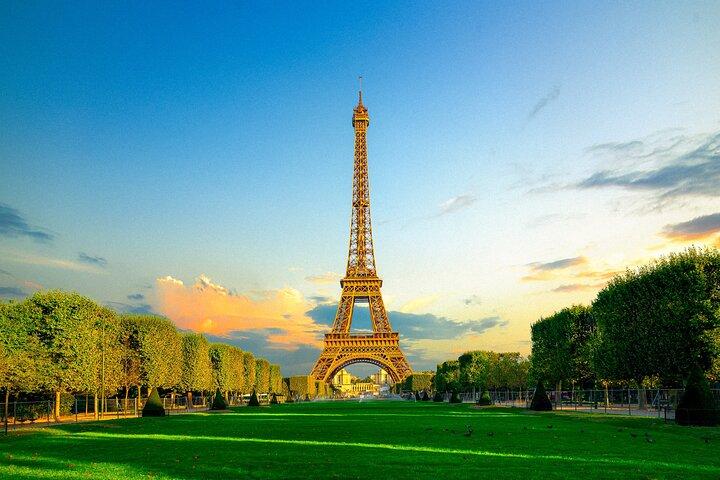
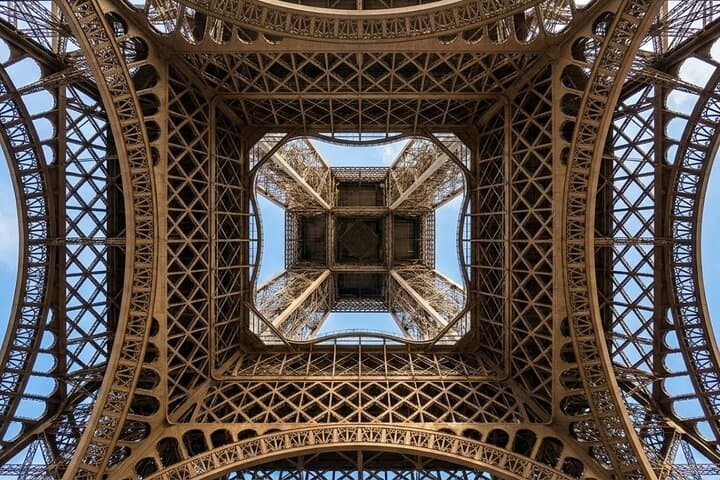
The Eiffel Tower: the summit by lift is the version to pay for Must do· Book up to 60 days ahead
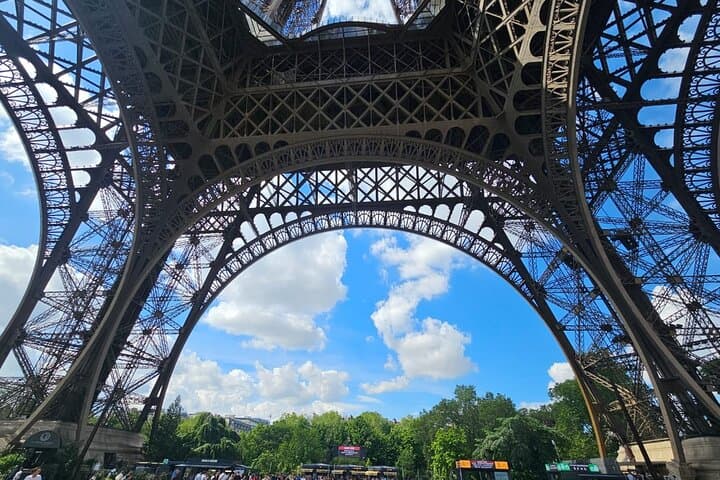
The summit by lift costs €36.70 for an adult; the 2nd floor by lift is €23.50, and the cheapest way up is the stairs to the 2nd floor at €14.80. Youth tickets for 12–24s cost about half. If budget is tight, the stairs ticket gives the classic view for less than half the summit price; if you are coming once, the summit is the reason to be there.
68 Eiffel Tower guided visits tours on Excurgo · from $23, typical $96 per person · rated 4.5 across 34,635 reviews
Notre-Dame and the Sainte-Chapelle: do both in one morning on the Île de la Cité Must do· Morning, Sainte-Chapelle in sun
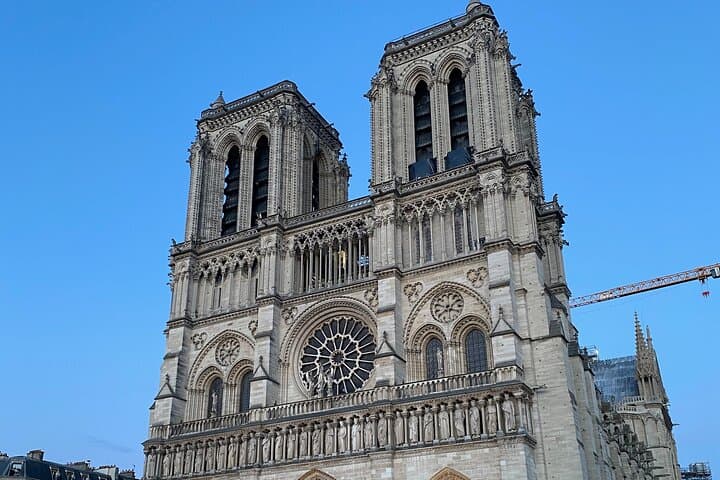
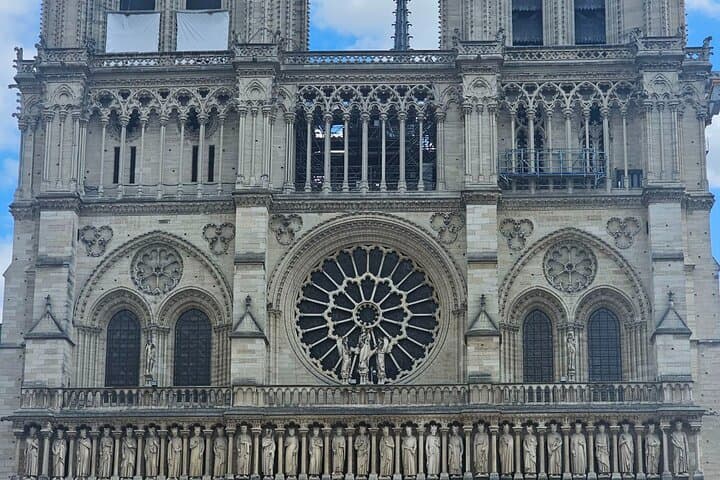
Notre-Dame reopened in December 2024 and has drawn about 11 million visitors since. Entry is free; a free timed reservation on the cathedral's official site, released about 48 hours ahead, saves the queue. The towers reopened on 20 September 2025: €16, booked online only, 424 steps to a terrace 69 m up, no lift and closed in bad weather.
A short walk away on the same island, the Sainte-Chapelle is the better hour if you can only pay for one: the upper chapel is almost all stained glass. It costs €22 for non-EEA visitors (€16 EEA), or €30 together with the Conciergerie.
71 Notre-Dame and Sainte-Chapelle tours tours on Excurgo · from $5, typical $74 per person · rated 4.7 across 15,618 reviews
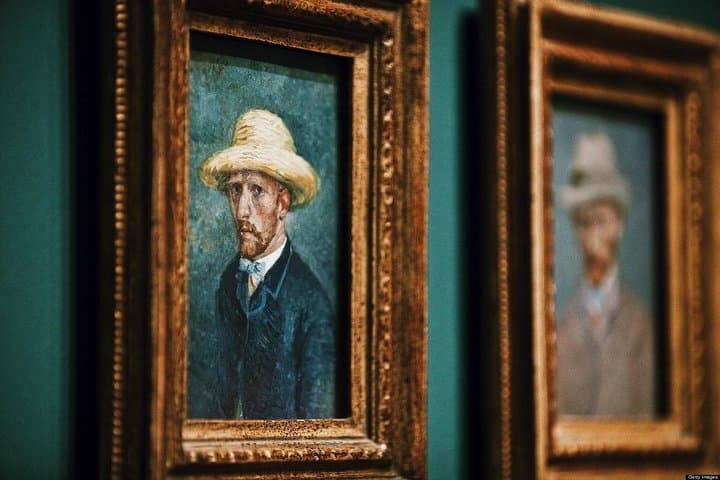
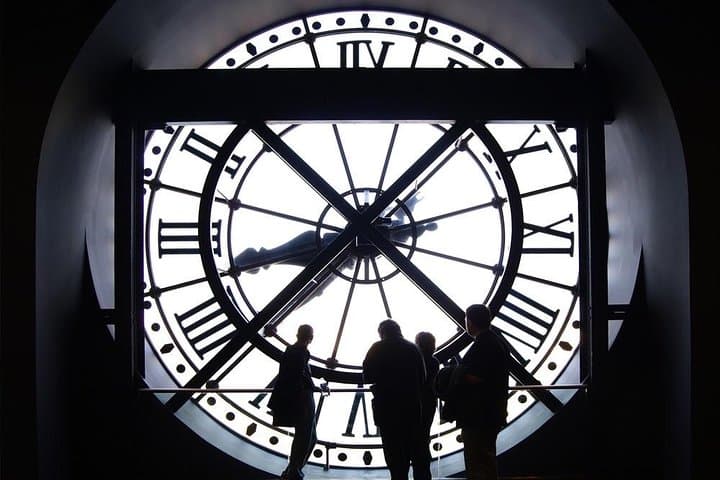
The Musée d'Orsay: the Impressionists in a former railway station Must do· Thursday evening
Orsay is smaller and easier than the Louvre, and for many visitors it is the better museum. Tickets cost €16 online or €14 at the desk, with a €12 rate on Thursday evenings when it stays open until 21:45. The reception areas are being rebuilt until summer 2028, so book a time slot online. It is closed on Mondays.
42 Orsay and Orangerie guided visits tours on Excurgo · from $23, typical $170 per person · rated 4.6 across 6,837 reviews
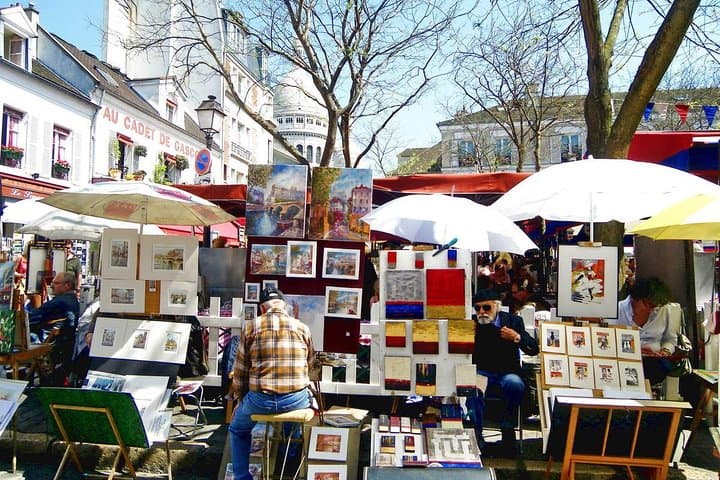
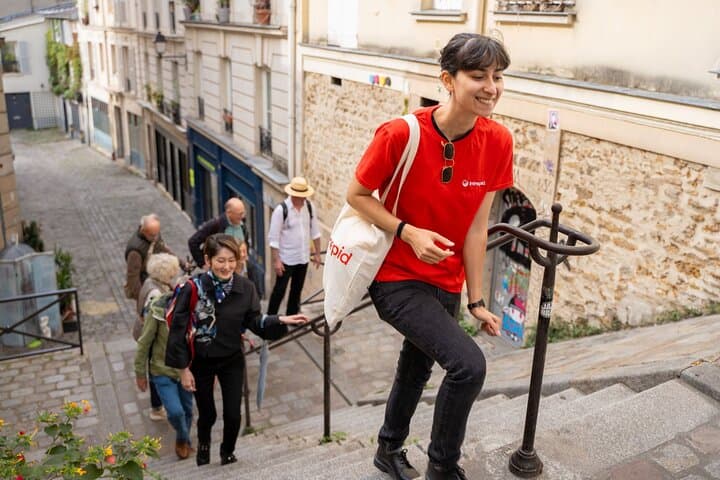
Montmartre and the Sacré-Cœur: free basilica, paid dome Worth it· Early morning or late afternoon
The basilica is free, with a security check and covered shoulders and knees expected. The dome is a separate ticket — €8 for adults, €5 for under-16s as of September 2026 — and a climb of about 280–300 narrow steps with no lift. The funicular up the hill now accepts contactless bank cards.
87 Montmartre walks tours on Excurgo · from $1, typical $73 per person · rated 4.8 across 8,996 reviews
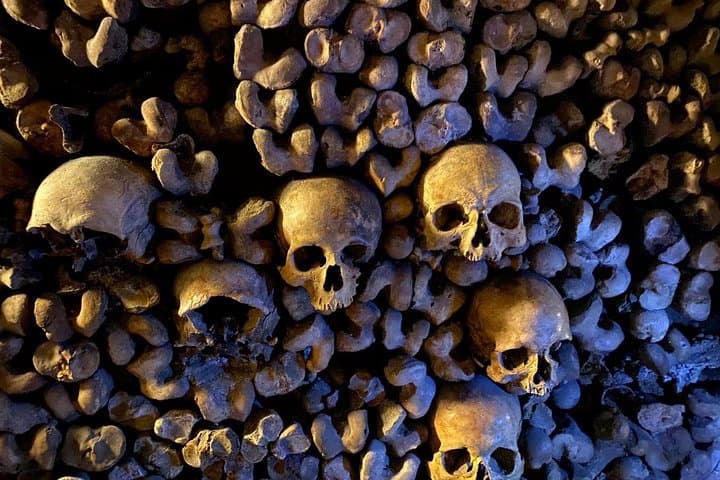
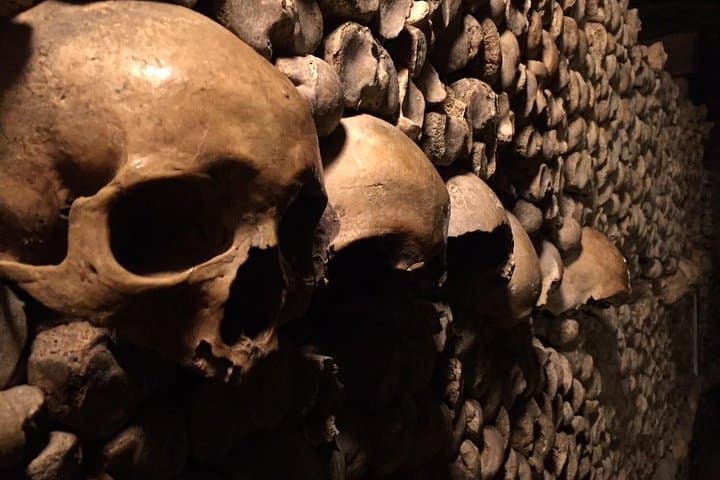
The Catacombs: reopened in 2026, timed tickets only Worth it· Closed Mondays
The ossuary closed in November 2025 and reopened on 8 April 2026 with a new layout. Tickets cost €31 with the audio guide (€15 for 8–17s, free under 8), and the route has 243 steps at about 14 °C, so bring a layer. It opens 9:45–20:30 and is closed on Mondays.
6 Catacombs tours with restricted areas tours on Excurgo · from $159, typical $217 per person · rated 4.7 across 3,024 reviews
A Seine cruise: best as your first evening Worth it· Dusk
An hour on the river shows how the city fits together — the Louvre, Notre-Dame, Orsay and the Eiffel Tower all face the water. Shared boats are the budget option; private boats with champagne cost several times more. In July and August three free supervised swimming spots open in the Seine itself, at Bras Marie, Bercy and Grenelle, weather and water quality permitting.
The Arc de Triomphe: the cheaper rooftop view Worth it· Wednesday in summer
The roof of the Arc looks straight down the Champs-Élysées. It costs €16 from October to March and €22 from April to September — but the low price applies on Wednesdays even in summer.
A food tour or cooking class: the best-value guided experience in Paris Worth it· Late morning
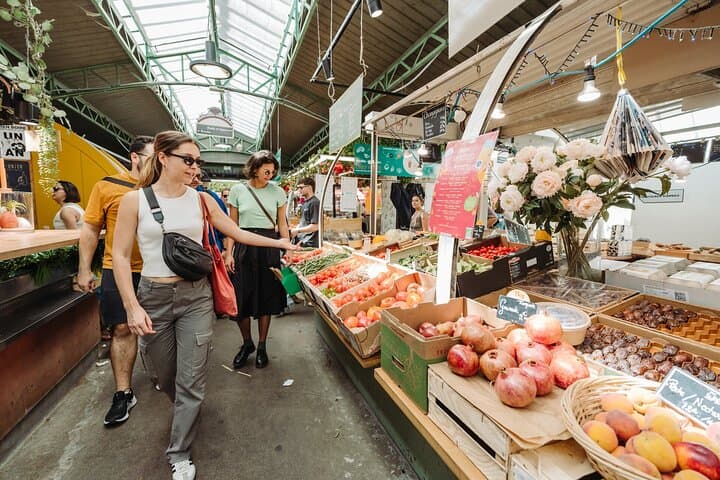
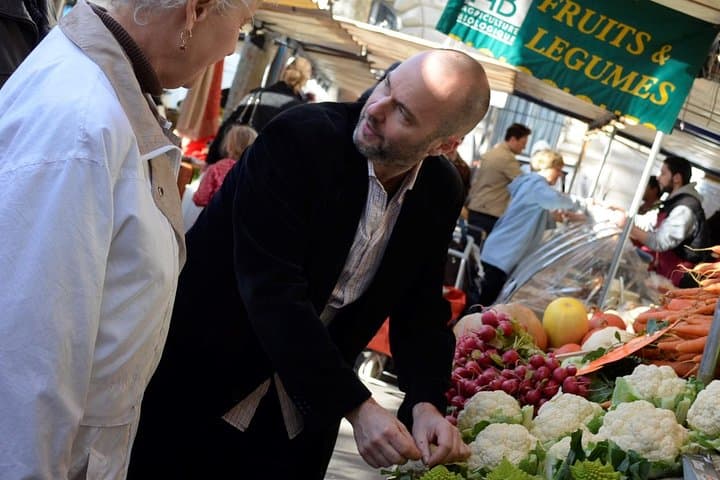
Food tours and baking classes (croissants, macarons) are among the most-booked experiences in our Paris catalogue, and they cost less than most museum tours with a guide. A food walk usually doubles as a neighbourhood tour of Montmartre, the Marais, the Latin Quarter or Saint-Germain.
93 Top-rated Paris food tours tours on Excurgo · from $38, typical $148 per person · rated 4.8 across 27,973 reviews


32 Cooking and macaron classes tours on Excurgo · from $67, typical $134 per person · rated 4.9 across 7,622 reviews

Free walks: the Marais, the Luxembourg Garden and the Tuileries Worth it· Any day
Some of the best hours in Paris cost nothing. The Tuileries Garden by the Louvre is free and stays open until 23:00 in summer; the Place des Vosges in the Marais and the Luxembourg Garden on the Left Bank are good places to rest between museums. Remember that smoking has been banned in French parks and gardens since July 2025, with fines of up to €135.
Worth skipping (or rethinking) Worth it
- The Centre Pompidou — closed since 22 September 2025 for about five years; it is still listed in older guides and on the pass leaflet.
- 'Skip-the-line' Louvre tickets from street sellers or look-alike sites — the Louvre warns they can be refused.
- The Eiffel Tower lift to the 2nd floor only, if you can afford the summit — the extra €13.20 is the part you will remember.
- The Notre-Dame towers with a heavy cold or bad knees — 424 steps, narrow passages, no lift.
What are the best day trips from Paris?
Verdict: Versailles first: it is 35–40 minutes away by RER C on a normal metro-area ticket. Your second day trip depends on the season — Giverny from April to October, Champagne all year. Mont-Saint-Michel and the D-Day beaches are long days (4 hours or more each way by public transport), so take a guided coach day or stay overnight.
| Day trip | Getting there | Time each way | Entry | Tours from Paris |
|---|---|---|---|---|
| Versailles | RER C to Versailles Château Rive Gauche | 35–40 min | Passport €35 (high season); free under 18 | $193 |
| Giverny (Monet's garden) | Train Saint-Lazare → Vernon-Giverny | About 50 min by train | €13; open 1 April–1 November | $366 |
| Reims and Champagne | TGV from Gare de l'Est | About 45 min | Champagne houses vary | $433 |
| Mont-Saint-Michel | Train Nomad (train + bus) from Montparnasse | 4–4.5 h | Abbey €13 (Oct–Mar), €16 (Apr–Sep) | $617 |
| Normandy D-Day beaches | Train Saint-Lazare → Bayeux, then local transport | About 3 h to Bayeux | American Cemetery free | $428 |
| Loire Valley châteaux | Usually by tour | Full day | Chambord €31 non-EU, €21 EU | $679 |
Versailles: book a slot, avoid Mondays, arrive early Must do
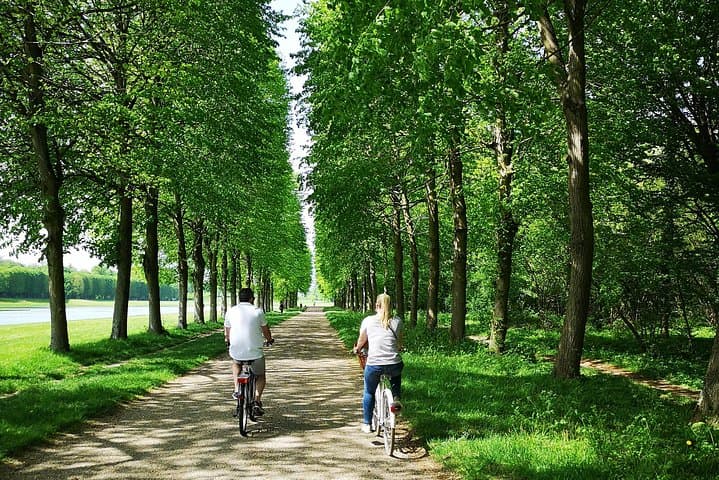
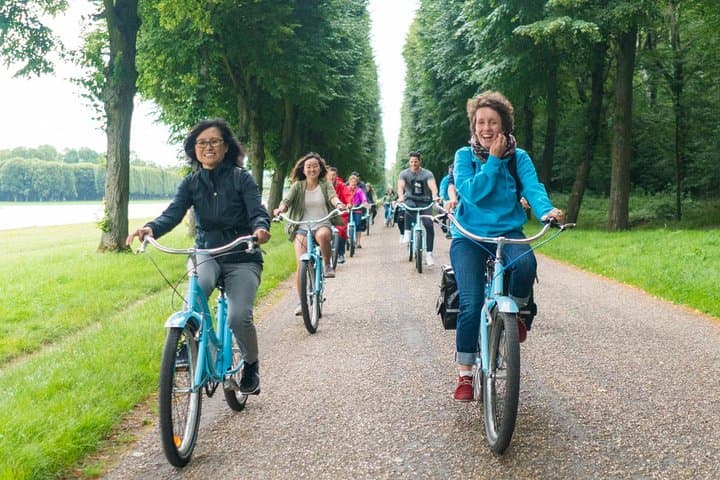
Every palace visitor needs a timed slot, and only online tickets guarantee entry within half an hour of it. The Passport covering the whole estate costs €35 in high season (€32 at the EEA rate; about €25 for non-EEA visitors from November to March), the Trianon alone €15, and the palace is closed on Mondays. Come early: with the last slot of the day you cannot see the whole palace. Check opening times on the day, as the official site lists both 17:30 and 18:30 closing.
39 Versailles bike and guided tours tours on Excurgo · from $67, typical $193 per person · rated 4.6 across 18,619 reviews
Giverny: easy by train, but only from April to early November Worth it
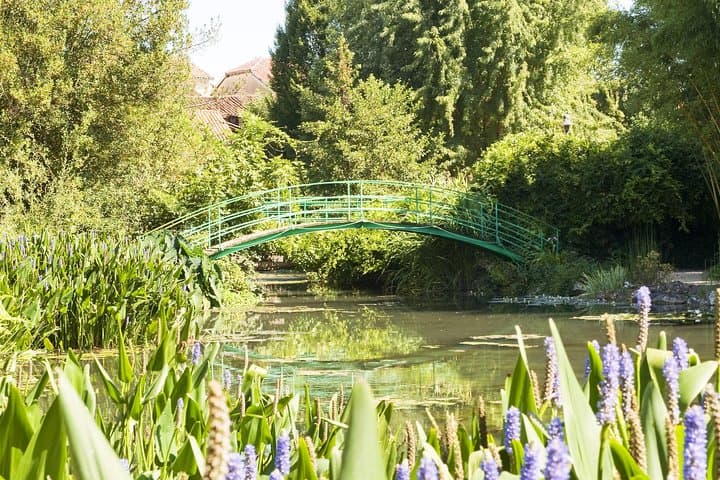
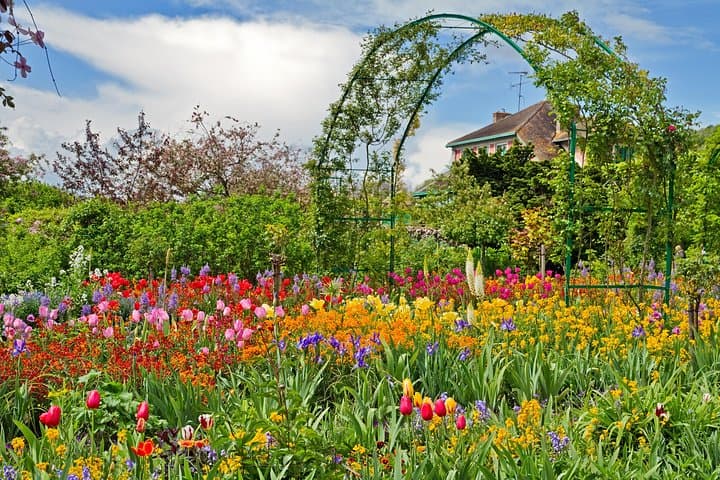
Monet's house and gardens open daily 10:00–18:00 from 1 April to 1 November 2026 (last entry 17:30); adults pay €13. Trains from Saint-Lazare reach Vernon-Giverny, the nearest station, in about 50 minutes.
37 Giverny trips from Paris tours on Excurgo · from $71, typical $366 per person · rated 4.5 across 13,983 reviews
Mont-Saint-Michel or the D-Day beaches: pick one, not both in a day Worth it
Mont-Saint-Michel by public transport means the Train Nomad (€29 each way, 4–4.5 hours) or a TGV to Rennes plus a bus with only two or three departures a day. The American Cemetery at Colleville-sur-Mer, above Omaha Beach, is free and open 9:00–17:00, but it is about 275 km from Paris and local transport from Bayeux is patchy — which is why most visitors take a guided day.
41 Normandy D-Day day trips tours on Excurgo · from $103, typical $428 per person · rated 4.8 across 18,383 reviews

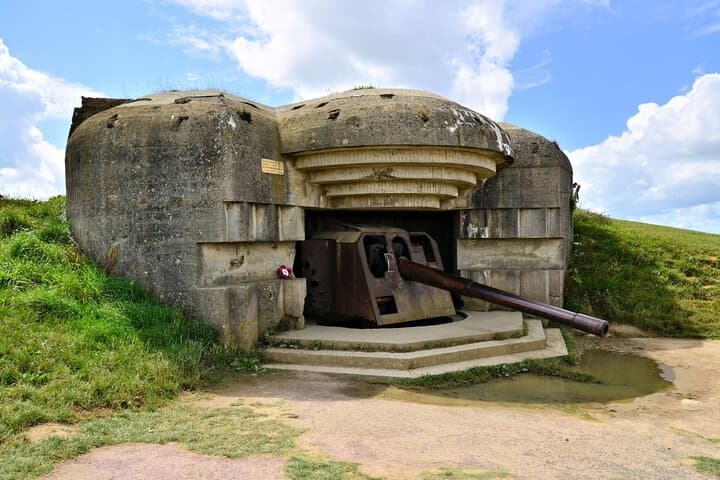
23 Mont-Saint-Michel day trips tours on Excurgo · from $102, typical $617 per person · rated 4.6 across 7,109 reviews


How many days do you need in Paris?
Three full days cover the essentials without rushing; a fourth day buys Versailles, a fifth a second day trip. Avoid planning the Louvre on a Tuesday, or Orsay, the Catacombs or Versailles on a Monday — those are their closing days.
2 days
Day 1: the Louvre at opening, the Tuileries, a Seine cruise at dusk. Day 2: Notre-Dame and the Sainte-Chapelle in the morning, Orsay after lunch, the Eiffel Tower at sunset.
Tickets ≈ €32 + €22 + €16 + €36.70 · cruise ≈ $103
3 days
Add Montmartre and the Sacré-Cœur in the morning, then a food tour, the Catacombs or the Arc de Triomphe. Consider the 2-day Museum Pass for days 1–2.
Pass €85 · food tour ≈ $148
5 days
Add Versailles (not on a Monday) and one longer trip: Giverny in season, Champagne, or a guided D-Day or Mont-Saint-Michel day.
Versailles Passport €35 · Normandy ≈ $428
How much do tours and tickets cost in Paris?
Official tickets in Paris are not cheap, but guided versions of the same visits cost several times more — the table shows typical and entry-level prices across 1,440 tours we track, updated from the live catalogue.
| Activity | Tours | From | Typical | Top end |
|---|---|---|---|---|
| Louvre guided visits | 137 | $7 | $194 | $421 |
| Eiffel Tower tours | 68 | $23 | $96 | $251 |
| Orsay and Orangerie | 42 | $23 | $170 | $341 |
| Notre-Dame and Sainte-Chapelle | 71 | $5 | $74 | $264 |
| Montmartre walks | 87 | $1 | $73 | $320 |
| Catacombs tours | 6 | $159 | $217 | $239 |
| Food and pastry tours | 93 | $38 | $148 | $371 |
| Cooking and baking classes | 32 | $67 | $134 | $239 |
| Wine and cheese tastings | 41 | $23 | $97 | $200 |
| Seine cruises | 58 | $6 | $103 | $524 |
| Bike and Segway tours | 54 | $11 | $67 | $108 |
| Versailles trips | 39 | $67 | $193 | $1,028 |
| Giverny day trips | 37 | $71 | $366 | $856 |
| Normandy D-Day trips | 41 | $103 | $428 | $2,469 |
| Mont-Saint-Michel trips | 23 | $102 | $617 | $1,097 |
| Champagne day trips | 19 | $211 | $433 | $1,016 |
| Loire Valley châteaux | 30 | $113 | $679 | $1,484 |
94% of Paris tours in our catalogue offer free cancellation. Tour prices are per person and change daily.
Where should you stay in Paris?
Verdict: stay central — anywhere in the first eight or so arrondissements on either bank. You will walk to most sights and save more time than you would save money in the outer districts; just check the tourist tax, which now adds €8.45 per adult per night in a 4-star hotel.
- Paris Centre (1st–4th) and the Marais — walking distance to the Louvre and Notre-Dame; the most convenient base for a first, short visit.
- Saint-Germain and the Latin Quarter (Left Bank) — close to Orsay, Notre-Dame and the Luxembourg Garden; good for a quieter evening.
- The 7th, around the Eiffel Tower — calm and residential, but further from nightlife and the Right Bank.
- Montmartre (18th) — village feel and views; hilly, and a metro ride to the centre.
The Paris tourist tax nearly tripled with a regional surcharge
The tax is collected by your hotel or host per adult per night. About two-thirds of it is a 200% regional surcharge that funds public transport, so a 4-star hotel pays €8.45, of which the city's own share is €2.60. Holiday flats without a star rating pay 5% of the per-person nightly price plus surcharges, capped at €15.93.
| Accommodation | Tax per adult per night (2026) |
|---|---|
| Palace | €15.93 |
| 5-star hotel, residence or rental | €11.70 |
| 4-star | €8.45 |
| 3-star | €5.53 |
| 2-star | €3.25 |
| 1-star, B&B, hostel | €2.60 |
| Unclassified rental | 5% of the nightly price per person plus surcharges, max €15.93 |
Is Paris safe, and what rules should visitors know?
Paris is safe for most visitors, but theft is the everyday risk. The UK government warns of pickpocket gangs on the metro, the RER, at mainline stations, around tourist sites and at cash machines, and of serious assaults on RER lines B and D. Carry your bag across your body, split your cards, and watch your drink in bars.
The UK also rates terrorist attacks in France as very likely, with tourist areas, transport hubs and crowded events among possible targets, and notes that demonstrations can start with little warning. The emergency number is 112. Carry ID — you may be asked to show it.
| Entry for non-EU visitors | Up to 90 days in any 180 in the Schengen area for visa-exempt nationalities |
|---|---|
| Border registration | EES fingerprints and photo on first entry since 10 April 2026; free, valid 3 years |
| ETIAS | Not required yet; the EU dropped its late-2026 target and a 2027 start is expected |
| UK passports | Issued less than 10 years before arrival and valid 3 months after you leave |
| Smoking | Banned in parks, gardens, beaches, bus stops and outside schools since July 2025; fine up to €135; café terraces exempt |
| Tipping | Service is included; round up or leave small change, 5–10% in fine dining |
What do first-time visitors to Paris regret?
- Planning the Louvre on a Tuesday — it is closed every Tuesday; Orsay, the Catacombs and Versailles close on Mondays.
- Buying Louvre tickets from a street seller or look-alike site — the museum says they can be refused at the door.
- Assuming the Museum Pass means walking in — the Louvre, Sainte-Chapelle, Notre-Dame towers and Versailles still need a time slot.
- Using a normal €2.55 ticket to the airport — it is not valid; you need the €14 airport ticket.
- Arriving at the Louvre after 17:00 — last entry is an hour before closing and rooms are cleared 30 minutes before.
- Taking the last Versailles slot of the day — the palace says you cannot see all of it.
- Planning Giverny in winter — Monet's garden is closed from November to March.
- Leaving a phone in a back pocket on the RER B — the airport line is a known pickpocket and assault spot.
- Forgetting the tourist tax in the budget — €8.45 per adult per night in a 4-star hotel adds up fast for a family.
- Trying Mont-Saint-Michel and the D-Day beaches in one day — each is 3–4.5 hours from Paris by public transport.
Paris FAQ
How much is the Louvre for Americans and other non-EU visitors in 2026?
Since 14 January 2026 a Louvre ticket costs €32 for visitors from outside the European Economic Area, including Americans, British and Canadians. EEA residents pay €22. Under-18s are free whatever their nationality.
Do I need to book the Louvre in advance?
Yes, in practice. Tickets are sold on ticket.louvre.fr and only sold at the door when attendance is low. Book a time slot even if you have the Museum Pass or qualify for free entry.
Is the Paris Museum Pass worth it in 2026?
Only for a busy itinerary. The 2-day pass costs €85 and, on average, starts saving money from the fourth visit. It does not include the Eiffel Tower or the Catacombs, and you still need time slots at the Louvre, Sainte-Chapelle and Versailles.
Is Notre-Dame open and do I need a ticket?
Yes. The cathedral reopened in December 2024 and entry is free; a free timed reservation on the official site helps you skip the queue. The towers reopened on 20 September 2025 and cost €16, booked online only.
Should I take the stairs or the lift up the Eiffel Tower?
Take the lift to the summit (€36.70 for adults) if you can — it is the full experience. The stairs to the 2nd floor (€14.80) are the cheapest way up, and you can add the lift to the summit for €28 in total.
Are the Paris Catacombs open in 2026?
Yes. They closed in November 2025 for renovation and reopened on 8 April 2026. Tickets cost €31 including the audio guide; the site is closed on Mondays and timed online booking is strongly recommended.
How do I get from Charles de Gaulle airport to central Paris?
The RER B reaches Gare du Nord in about 35 minutes on the €14 airport ticket. A taxi costs a flat €56 to the Right Bank or €65 to the Left Bank. From Orly, metro line 14 reaches Châtelet in about 25 minutes.
How much is a metro ticket in Paris in 2026?
A single metro, RER or train ticket costs €2.55, loaded on a Navigo Easy card (€2) or in the official app; paper tickets are no longer valid. Contactless bank-card payment is only being rolled out gradually, with the full network due by 2030.
How much is the Paris tourist tax?
It depends on the accommodation class and is charged per adult per night: €8.45 in a 4-star hotel, €5.53 in a 3-star and €15.93 in a palace. Unrated rentals pay 5% of the nightly price per person plus surcharges, up to €15.93.
Do I need ETIAS to visit France?
Not yet. ETIAS was officially targeted for late 2026, but in July 2026 the EU dropped that date and a 2027 start is expected. What is already in force is the EES: non-EU visitors register fingerprints and a photo at the border.
Sources and how this guide is made
Written by the Excurgo editorial team with AI assistance. We are a tour comparison site, not a tour operator, and we have not personally tested every tour. Every fact was researched in official and specialist sources and checked against them before publication; prices, ratings and tour counts come from our live catalogue of 1,440 Paris tours. Ratings and review counts are collected by Viator and Tripadvisor. Tours are picked by rating weighted by number of reviews (at least 20); we earn a commission from Viator when you book, and it does not affect the order.
- Musée du Louvre — hours, 2026 prices, free admission and booking rules (Oct 2026)
- Centre des monuments nationaux — 2026 rates for Sainte-Chapelle, Arc de Triomphe, Panthéon, Mont-Saint-Michel (Jan 2026)
- Château de Versailles — tickets, hours and booking rules (Oct 2026)
- interMusées — Paris Museum Pass 2026 brochure: prices, sites, reservations (2026)
- Ville de Paris — tourist tax rates from 1 January 2026 (Jan 2026)
- Visit Paris Region — Notre-Dame towers reopening, prices and hours (Oct 2026)
- Catacombes de Paris — steps, temperature and booking (Oct 2026)
- Île-de-France Mobilités — 2026 fares (Jan 2026)
- GOV.UK — France safety and security (Oct 2026)
- GOV.UK — France entry requirements (Oct 2026)
- Météo-France via Wikipedia — Paris-Montsouris climate normals 1991–2020 (Oct 2026)
- L'Officiel des spectacles — Eiffel Tower prices and hours (Oct 2026)
- L'Officiel des spectacles — Catacombs prices, hours and reopening (Oct 2026)
- The Local France — 2025 visitor numbers; Seine swimming 2026; metro card payment (Jan 2026)
- The Man in Seat 61 — Paris to Mont-Saint-Michel by train (2026)
Photos come from Wikimedia Commons under free licences (CC BY, CC BY-SA, CC0 or public domain); the author and licence are shown under each one. They show the places described, not the exact tours listed.
Changelog. 12 October 2026: guide published.
Browse every tour: Paris