Travel guide · Mexico
Cancún Travel Guide 2026: Chichén Itzá and Tulum Fees, Sargassum, Best Months and Real Costs
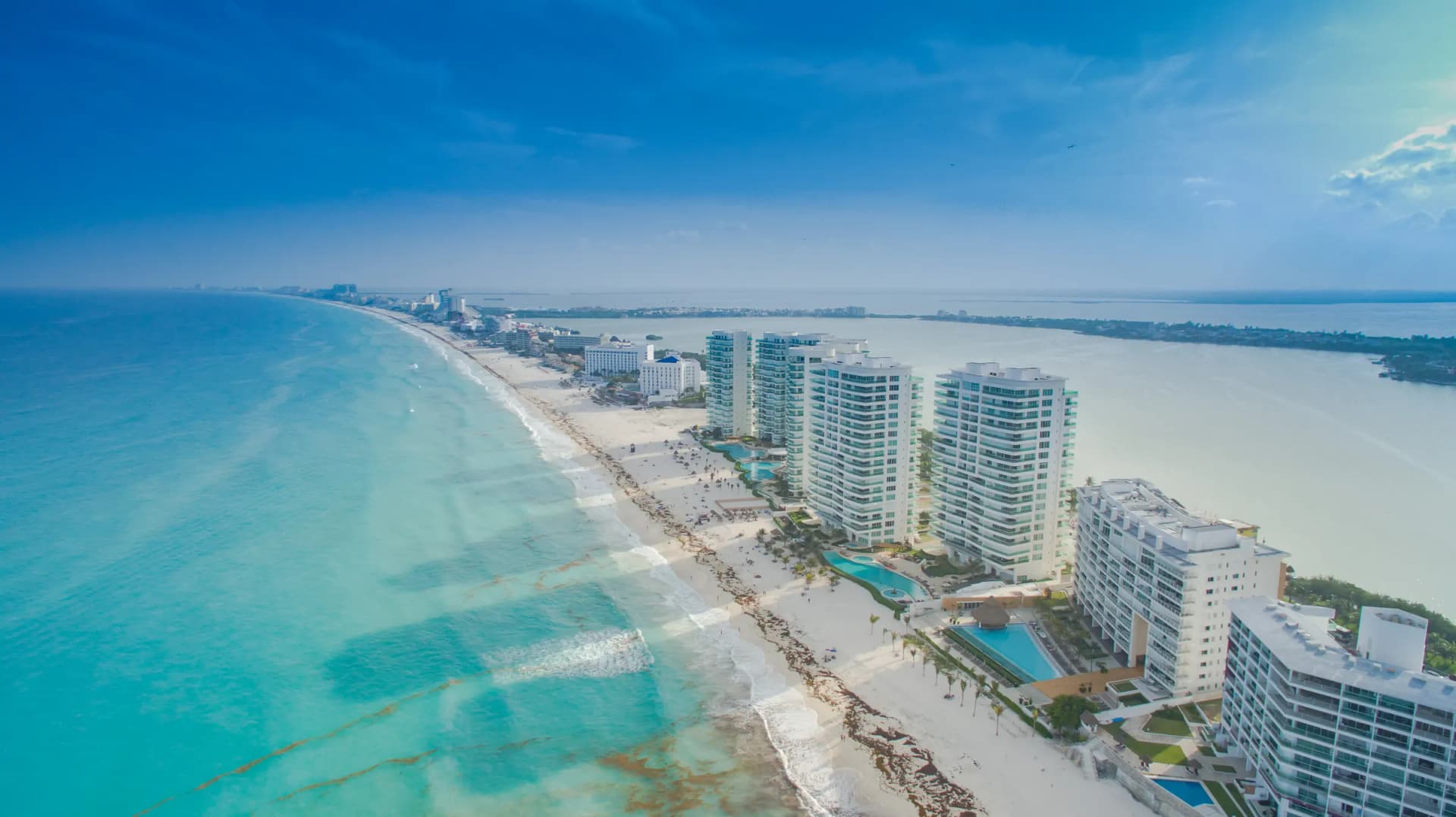
Cancún Hotel Zone beach from the air Photo: dronepicr, CC BY 2.0
Cancún is a planned resort city of almost 900,000 people on Mexico's Caribbean coast, with a beach strip between the sea and Nichupté Lagoon and the Maya sites of Chichén Itzá, Tulum and Cobá within day-trip range. The decisions that shape a trip are when to come (hurricanes, rain and a record sargassum year all matter), which ruins are worth a long day on the road after the 2026 price changes, and how to get from the airport without getting caught in the taxi-versus-Uber fight. This guide sets out official 2026 fees, the climate month by month, and current prices across 1,440 bookable tours and activities in and around Cancún.
Cancún at a glance
| Where | Quintana Roo state, Mexican Caribbean; the Hotel Zone runs between the sea and Nichupté Lagoon |
|---|---|
| Population | 888,797 (2020 census) |
| Built | From 1970 as a planned federal tourism project |
| Airport | CUN, Terminals 2, 3 and 4; 29.3 million passengers in 2025; under 10 km from the Hotel Zone |
| Biggest day trips | Chichén Itzá (about 190 km), Tulum (about 128 km), Isla Mujeres (about 13 km offshore) |
| Weather | Average highs 28.5 °C in January to 34.2 °C in August; sea about 26–29 °C |
| Tours and activities | 1,440 on our catalogue, 96% with free cancellation |
Cancún has two halves. The Hotel Zone is the long beach strip where most resorts sit; downtown is where people live, with the main bus terminal and the Mercado 28 craft market. Since May 2026 the 11.2 km Nichupté Bridge links the two across the lagoon, so the old drive round the lagoon is no longer the only route.
Cancún in pictures
Tap a photo to enlarge it. Photos: dronepicr, Fcb981, Thank You (23 Millions+) views, Dmadeo, Pollitoloco122ich — Wikimedia Commons.
How much is Chichén Itzá in 2026, and is it open?
Yes, it is open: one ticket of MXN 697 for foreigners, bought at the new visitor centre
Until March 2026 visitors queued twice: once for the federal INAH fee and once for the Yucatán state fee. Since 27 March there is a single ticket and a single payment at the visitor centre. INAH lists the two parts as MXN 105 plus MXN 592 for foreign visitors, which is MXN 697 in total; reports from January 2026 put the total at MXN 676, so older blog posts may show the lower figure.
The site closed for close to two weeks in May 2026 during a dispute with local artisans and guides over the new entrance. INAH announced the reopening from 1 June 2026 at normal hours, with public access only through the Visitor Attention Centre (CATVI). If you read about a closure, check the date: it was resolved.
| Chichén Itzá essentials | 2026 detail |
|---|---|
| Entry, foreign visitors | MXN 697 (INAH MXN 105 + Yucatán state MXN 592), one payment |
| Entry, Mexican nationals | INAH MXN 105 + state MXN 205; free on Sundays |
| Hours | Daily 08:00–17:00; last entry 16:00; clearing starts 16:30 |
| Entrance | Only through the Visitor Attention Centre (CATVI) since 1 June 2026 |
| Distance from Cancún | About 190 km west, beyond Valladolid |
| By train | Tren Maya stops at Chichén Itzá between Cancún airport and Mérida |
| Equinox weeks | INAH runs special operations with changed hours around the March and September equinoxes |
Chichén Itzá has been on the UNESCO World Heritage List since 1988, and its 30 m Temple of Kukulcán, also called El Castillo, was voted one of the New Seven Wonders in 2007. Around the spring and autumn equinoxes, late-afternoon shadows on the staircase form the shape of a descending serpent; the effect is visible for several weeks, not just on the equinox day itself.
Verdict: Worth the long day, but only if you arrive early. It is roughly 190 km each way, so a shared coach tour (typically $90) that stops at a cenote and Valladolid is the easiest choice for most people. A private driver and guide ($447) pays off for families or groups of four or more who want to be at the gate before the coaches. If you can only do one ruin, choose Chichén Itzá for scale and Tulum for the sea view; see day trips.
170 Chichén Itzá day trips with good ratings tours on Excurgo · from $18, typical $90 per person · rated 4.7 across 74,349 reviews
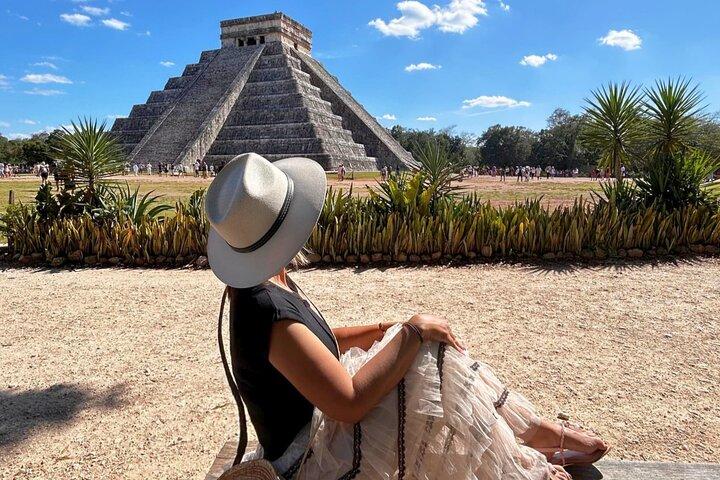
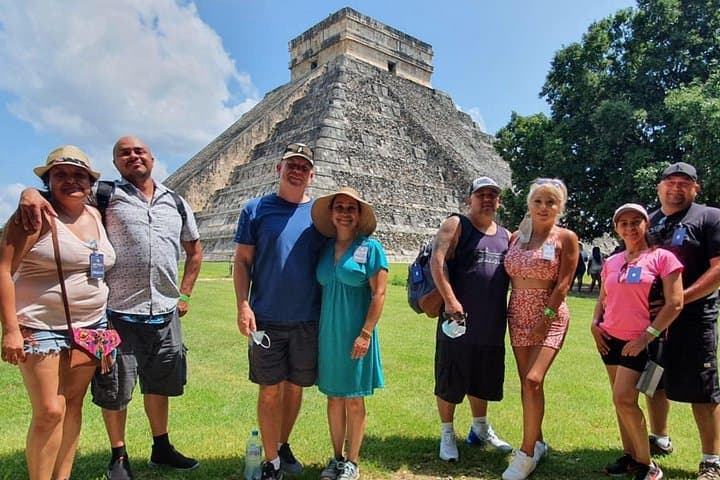

Tour prices include transport and usually the entry ticket; check the listing, because some cheaper tours add the MXN 697 on the day.
How much do Tulum and Cobá cost now?
Tulum is MXN 265 for foreigners, all-in, since 20 July 2026
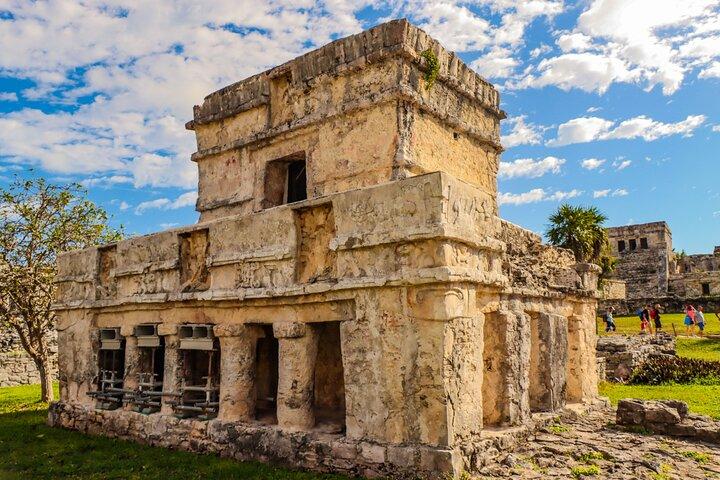
Tulum used to be the most confusing ticket on the coast, with separate charges for the ruins, the national park and the new Parque del Jaguar. A federal decree signed on 17 July 2026 replaced them with one route price: for foreign visitors MXN 100 for Jaguar Park, MXN 65 for the national park and MXN 100 for the archaeological zone, MXN 265 in total. INAH lists the same MXN 265 figure; Mexicans pay MXN 80. An optional electric shuttle inside costs MXN 20 per adult.
Note the early last entry: 15:30, while the site stays open until 17:00. Tulum is about 128 km south of Cancún on Highway 307, so a tour leaving at 07:00 or 08:00 has plenty of margin, but a late independent start does not.
Cobá still lets you climb Nohoch Mul, in small timed groups
Cobá lies 47 km inland from Tulum, and many guides still say its main pyramid is closed to climbers. INAH's current page lists climbing hours for Nohoch Mul from 08:00 to 15:30, in groups of up to 15 people, with up to 15 minutes at the top. Entry is MXN 210 for foreign visitors; the site is open 08:00–17:00 with last entry at 16:00.
| Site | Foreign visitor fee | Hours (last entry) | From Cancún |
|---|---|---|---|
| Chichén Itzá | MXN 697 | 08:00–17:00 (16:00) | About 190 km |
| Tulum (full route) | MXN 265 | 08:00–17:00 (15:30) | About 128 km |
| Cobá | MXN 210 | 08:00–17:00 (16:00) | Tulum + 47 km |
| Ek Balam | MXN 671 (INAH 210 + Yucatán 461) | 08:00–16:30 (16:00) | Yucatán state, inland |
| San Miguelito / Museo Maya | MXN 210 | Tue–Sun 09:00–18:00 (16:30) | Hotel Zone km 16.5 |
| El Rey | MXN 145 | Daily 08:00–17:00 | Hotel Zone km 18 |
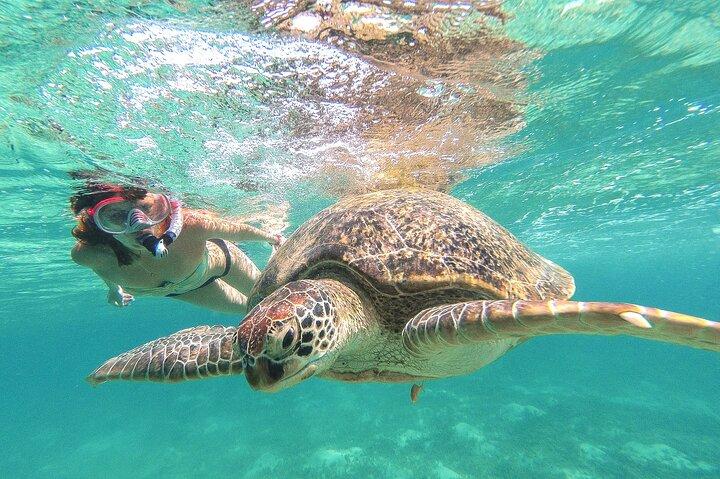
Verdict: Do Tulum and Cobá together on one day, not Tulum alone. Tulum on its own is a short visit for a 128 km drive, while Cobá gives you a jungle site and a pyramid you can still climb. Shared Tulum tours typically cost $119; many combine the ruins with a cenote or a turtle snorkel.
122 Tulum day trips with good ratings tours on Excurgo · from $17, typical $119 per person · rated 4.7 across 19,458 reviews
When is the best time to visit Cancún?
December to April is the best time; avoid September and October
| Month | Avg high °C | Avg low °C | Rain mm | What to expect |
|---|---|---|---|---|
| January | 28.5 | 19.3 | 56 | Dry, coolest nights; sargassum risk lowest |
| February | 29.3 | 19.6 | 43 | Dry; sargassum risk lowest |
| March | 30.6 | 20.8 | 45 | Dry; spring equinox at Chichén Itzá |
| April | 32.1 | 22.4 | 37 | Driest month; hot |
| May | 33.3 | 23.9 | 84 | Heat builds; whale shark season starts mid-May |
| June | 33.6 | 24.6 | 146 | Hurricane season starts; whale sharks |
| July | 34.0 | 24.5 | 111 | Hot; whale sharks |
| August | 34.2 | 24.5 | 115 | Hottest; whale shark peak |
| September | 33.3 | 24.1 | 223 | Hurricane peak around the 10th; very wet |
| October | 31.6 | 23.1 | 242 | Wettest month; Caribbean storm risk |
| November | 30.1 | 21.5 | 113 | Hurricane season ends on the 30th; sargassum low season begins |
| December | 28.9 | 20.0 | 80 | Dry; sargassum risk lowest |
Climate: Servicio Meteorológico Nacional normals for Cancún. Sea temperature averages about 26 °C from January to March and about 29 °C from June to October.
The Atlantic hurricane season officially runs from 1 June to 30 November. Its peak is around 10 September, most activity falls between mid-August and mid-October, and a secondary mid-October peak mainly affects the Caribbean and the Gulf of Mexico. If you travel in these months, flexible bookings and travel insurance matter more than at any other time of year.
Sargassum: expect some in any month after the 2026 record year
Scientists at UNAM treat November to March as the low season for sargassum, with the lowest chance of large beach build-ups from December to February. But 2026 broke records: 138,000 tonnes were collected in Quintana Roo by the end of September, and the state environment ministry said it was the first year without a defined start or end, with arrivals from January. On 5 November 2026 the state's beach map showed low levels at most northern points, including Delfines, Ballenas, Marlín and Chac Mool, against heavy levels along the southern coast.
Verdict: Book December to April, and if beaches are the point of the trip, base yourself in Cancún or elsewhere in the north of the state rather than on the southern coast, where the November 2026 map showed the heaviest levels. Check the state sargassum map the week before you fly; it changes day to day.
How do you get from Cancún airport and around the city?
Take an authorised airport taxi, a pre-booked transfer or the bus; do not plan on Uber at the terminal
Cancún airport is under 10 km from the Hotel Zone, about 20 minutes by road, and about 25 minutes from downtown. Mexico's transport ministry said in November 2025 that pickups at airports, Cancún included, are reserved for operators authorised by the airport and the civil aviation agency. GOV.UK also reports licensed taxi drivers blocking roads near Cancún hotels and pulling tourists out of Uber cars, with some travellers missing flights.
| Route or option | What to know |
|---|---|
| Airport to Hotel Zone | About 20 minutes by road; airport to downtown about 25 minutes |
| Airport taxis | Use only authorised pre-paid airport taxis or a transfer booked in advance |
| Uber and apps | No legal pickup at the terminals; taxi protests against Uber have blocked Hotel Zone roads |
| Mobi bus (from 2 Nov 2026) | Downtown–Hotel Zone via the Nichupté Bridge; MXN 18 first ride, MXN 7.50 transfer; Mobi app or bank card; 04:00–02:15 |
| Nichupté Bridge | Opened 2 May 2026; 11.2 km from downtown to mid-Hotel Zone |
| Tren Maya | Cancún Aeropuerto station across Highway 180, linked by shuttle bus; Cancún–Mérida about 3 h 30 min, MXN 977.50 international tourist fare |
| Ferry to Isla Mujeres | Puerto Juárez, north of downtown: about 20 minutes, departures every half hour |
| Taxis in town | Licensed sitio taxis from ranks or ordered by your hotel |
The new Mobi route that started on 2 November 2026 runs every 12 minutes from 04:00 to 02:15, crosses the bridge and runs the length of Kukulcán Boulevard. Pay through the Mobi app if you want the cheap transfers; a bank card works only for single fares.
Verdict: For a first arrival, book a transfer to the hotel door: it avoids the curbside argument and the protest risk. After that, the Mobi bus is the cheap way along the Hotel Zone, and tours with hotel pickup handle the long day trips better than a hire car.
What are the best things to do in Cancún?
Spend a day at Chichén Itzá Must do· Arrive at 08:00
The biggest Maya site within reach, and the reason most visitors leave the coast for a day. Go early to beat the midday heat; see the ticket section for the 2026 rules.
Take the ferry to Isla Mujeres Must do· Ferry every 30 minutes
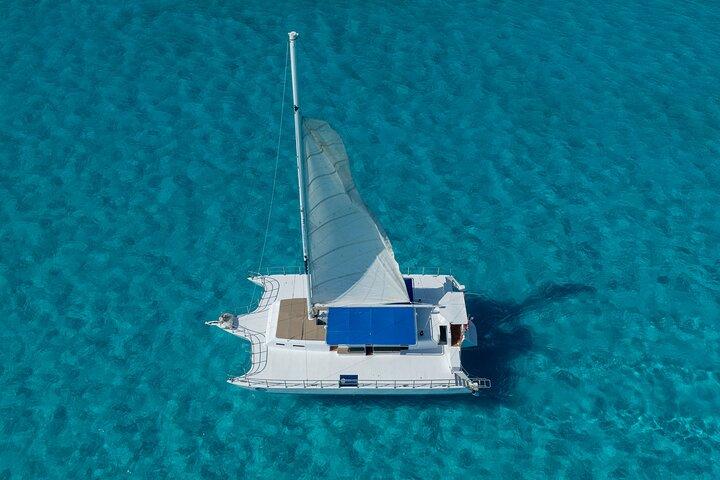
A 7 km island about 13 km off the coast, with the shallow, calm water of Playa Norte at its northern tip and a snorkelling reef by Garrafón Park in the south. People get around by golf cart, moped or taxi. The ferry from Puerto Juárez takes about 20 minutes; Ultramar charged MXN 580 for an adult return in April 2025 and had asked for an increase, so check the fare before you go. A catamaran day trip (typically $79) adds snorkelling, lunch and drinks.
135 Isla Mujeres catamaran trips tours on Excurgo · from $17, typical $79 per person · rated 4.4 across 17,285 reviews


Snorkel the reef or the underwater museum (MUSA) Must do· Calm mornings
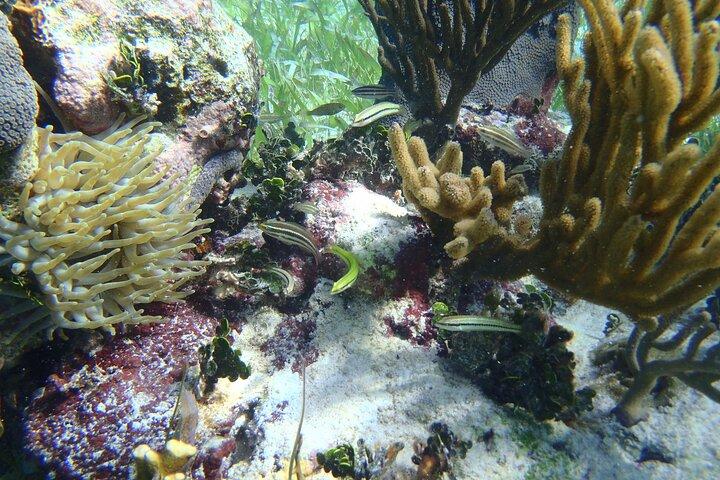
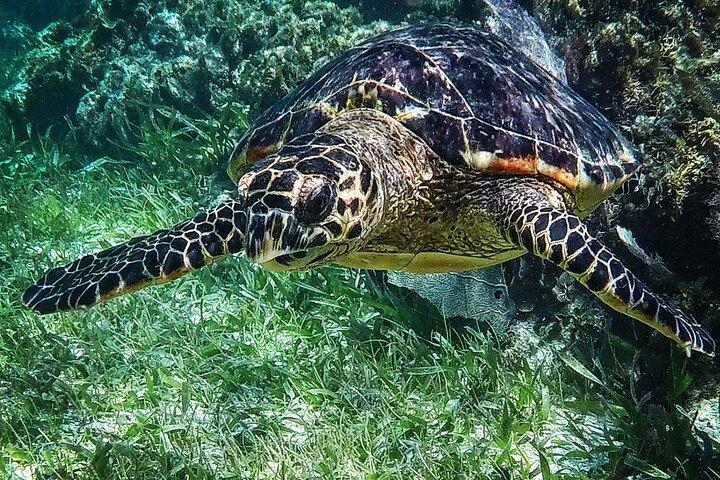
MUSA, opened in 2010, has about 500 sculptures at 3–6 m depth: 477 at Manchones and 23 at Nizuc, built to draw divers away from the natural reef. You can see them snorkelling, diving or from a glass-bottom boat. Further south, Puerto Morelos (36 km away) has a protected section of the Mesoamerican reef only about 100 m offshore. Snorkel tours typically cost $89.
90 Reef and turtle snorkel tours tours on Excurgo · from $25, typical $89 per person · rated 4.7 across 13,218 reviews
See the ruins of Tulum above the sea Must do· Last entry 15:30
Tulum's clifftop setting above the Caribbean is what people come for, and the site alone does not fill a day. Pair it with Cobá or a cenote to justify the 128 km drive.
Swim in a cenote Worth it· Year-round
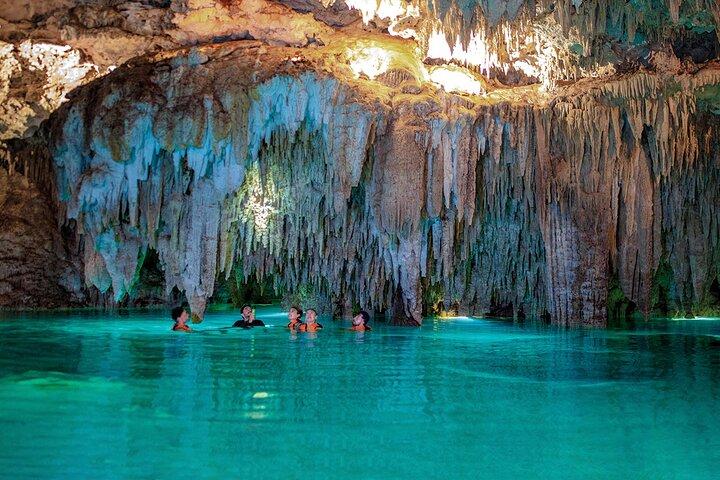
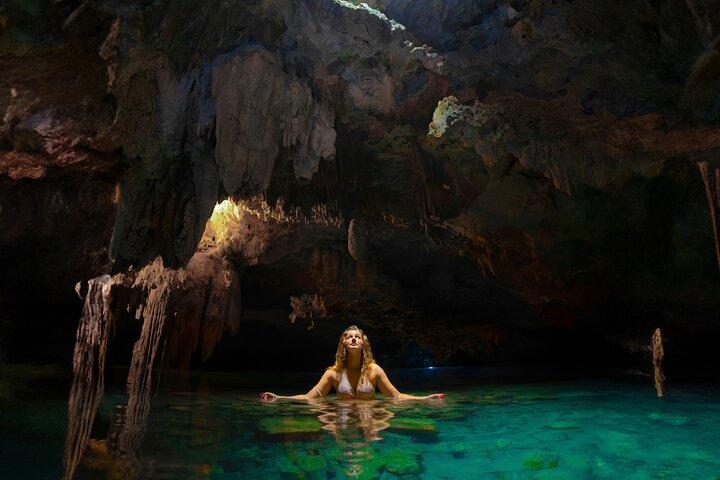
Cenotes are natural sinkholes filled with fresh water, and many Chichén Itzá tours include a swim in one. Cenote Zací sits in Valladolid, close to the centre, so independent travellers can add it to a Chichén Itzá day. Dedicated cenote tours typically cost $125.
49 Cenote tours tours on Excurgo · from $39, typical $125 per person · rated 4.8 across 4,806 reviews


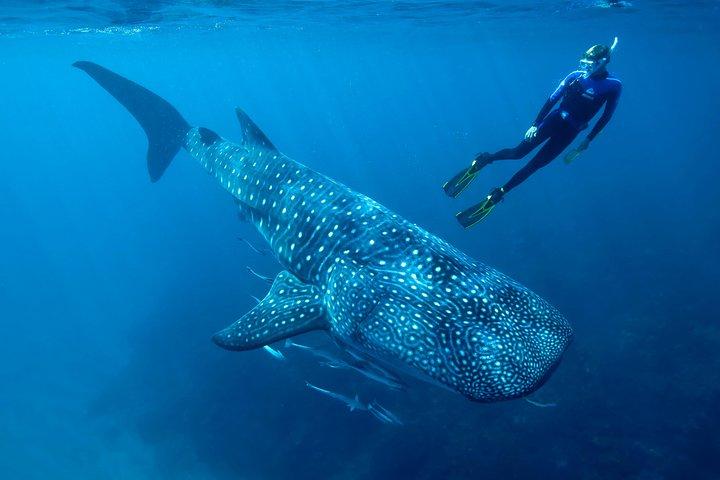
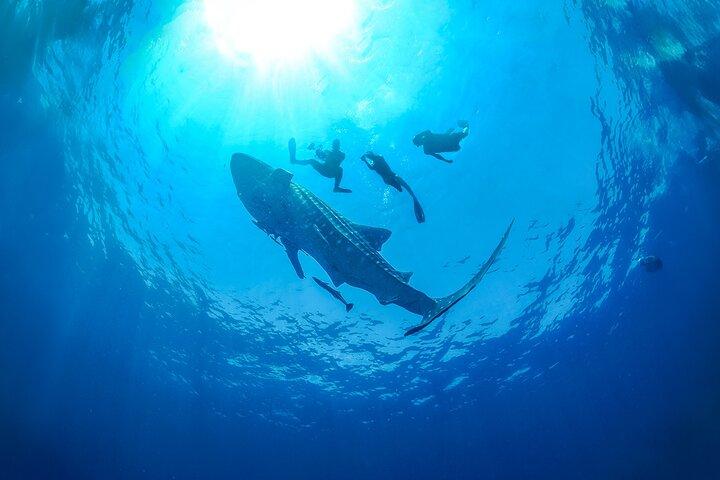
Swim with whale sharks between mid-May and September Worth it· Peak July–August
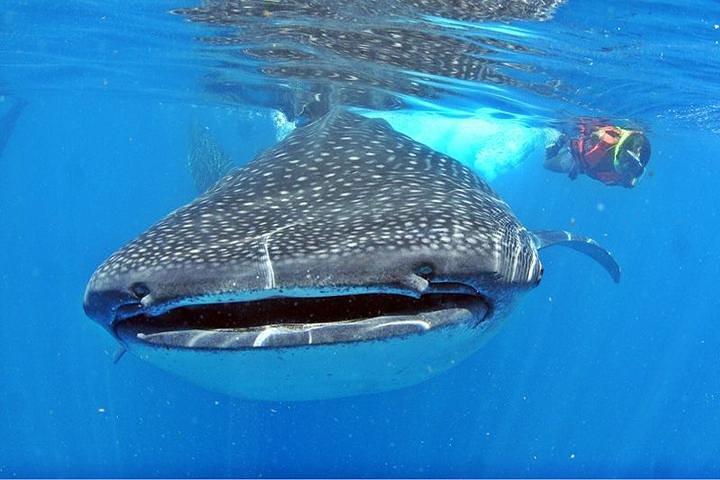
Whale sharks gather off Isla Mujeres and Holbox in summer. The 2025 season officially opened on 15 May, and by mid-August 2026 Holbox boats were reporting 50 or more sightings a day. Rules ban sunscreen, touching the sharks and flash photography, and trips run only in the morning, until 14:00. Expect to pay around $220.
23 Whale shark tours (June to September) tours on Excurgo · from $159, typical $220 per person · rated 4.7 across 3,195 reviews
Pick the right Hotel Zone beach Must do· Check the flag first
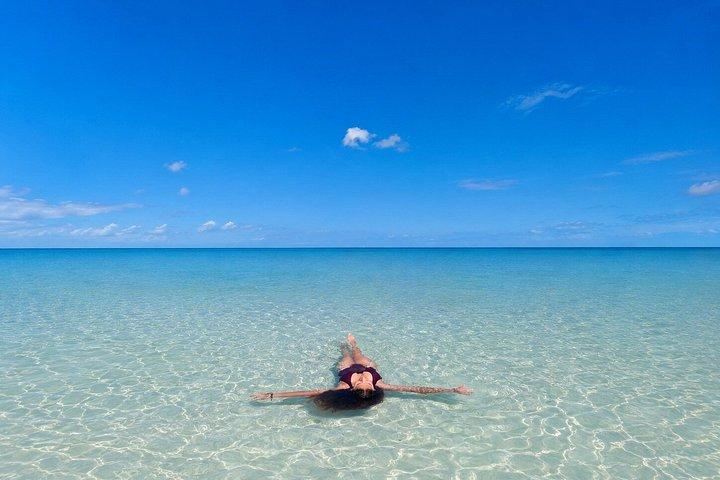
Every beach in Cancún is public. Las Perlas, Langosta, Tortugas, Caracol and Gaviota Azul, near the start of the Hotel Zone, usually have gentler water; Chac Mool, Marlín, Ballenas and Delfines further south get bigger waves. Playa Delfines, at km 17, has Blue Flag status, but it is also one of the beaches most often under a red flag.
Visit the Museo Maya and San Miguelito Worth it· Closed Mondays
The best rainy-day option in the Hotel Zone. The museum at km 16.5 gives access to the San Miguelito ruins (MXN 210, Tuesday to Sunday); El Rey, a separate site at km 18, costs MXN 145 and opens daily.
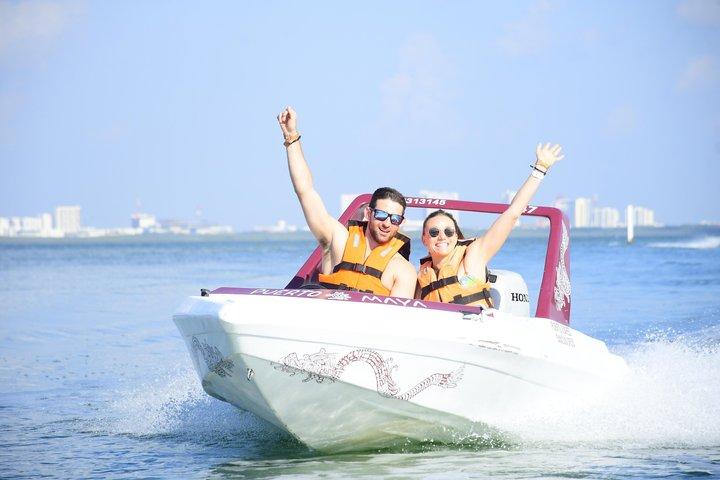
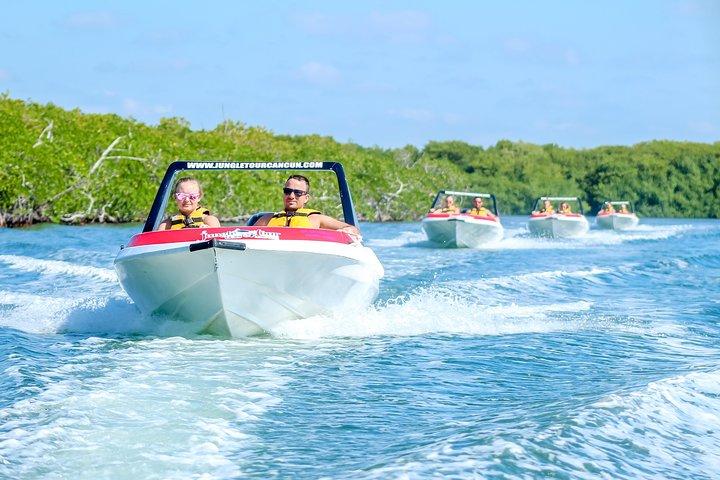
Drive a speedboat through the lagoon mangroves Worth it· Half day
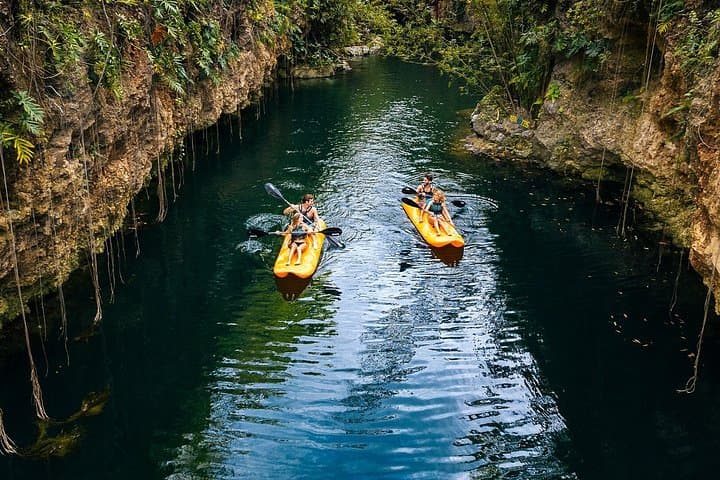
The jungle tour runs by speedboat through the mangrove channels of Nichupté Lagoon and ends with a snorkelling stop at the reef. It is short, cheap (typically $59) and works for a first or last day. Stay off the lagoon's banks on your own: GOV.UK warns that crocodiles live in Cancún's lagoons.
43 Lagoon speedboat tours tours on Excurgo · from $14, typical $59 per person · rated 4.8 across 6,461 reviews

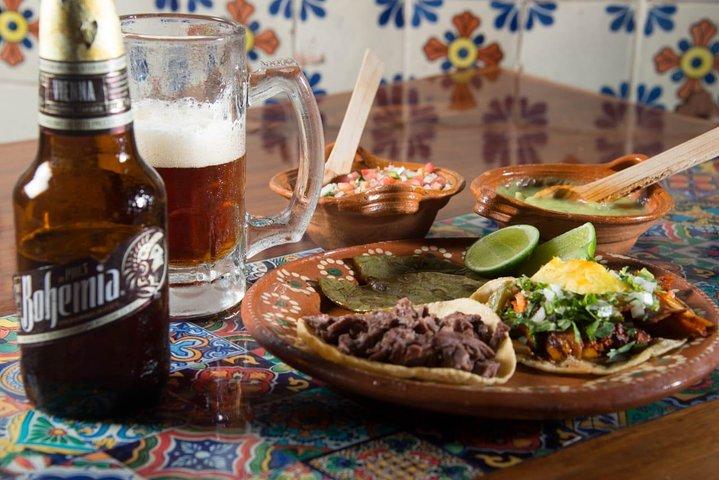
Eat downtown on a taco tour Worth it· Evenings
Downtown is where locals eat, and a guided food tour (typically $74) solves the night-time transport question too. GOV.UK advises staying in well-lit pedestrian streets after dark downtown, which is another reason to go with a guide.
48 Cancún food tours tours on Excurgo · from $19, typical $74 per person · rated 4.8 across 4,729 reviews


Try a first dive Worth it· Calm seas
Beginner two-tank dives at MUSA and the reef typically cost $159. GOV.UK warns that diving and jet-ski equipment may not meet UK standards, so choose licensed, insured operators.
Worth skipping (for most people)
- Driving round the lagoon to downtown: since May 2026 the Nichupté Bridge is the faster crossing.
- Holbox as a day trip: the island needs a drive to Chiquilá and a ferry each way; stay a night if you go.
- Swimming under a red flag: red means no swimming, and lifeguards fly it on most Hotel Zone beaches on rough days.
- ATV-plus-everything combos on a short trip ($69): if you already have a cenote day, the extra stops repeat it.
Which day trips from Cancún are worth it?
| Day trip | Distance | Official fee | Typical tour | Verdict |
|---|---|---|---|---|
| Chichén Itzá + Valladolid | About 190 km | MXN 697 | $90 | Best single day out |
| Tulum + Cobá | 128 km + 47 km | MXN 265 + MXN 210 | $119 | Best for sea views |
| Isla Mujeres | 13 km offshore | Ferry MXN 580 return (2025) | $79 | Easiest day off the mainland |
| Puerto Morelos reef | 36 km | Check with the operator | $89 | Best snorkelling close to Cancún |
| Playa del Carmen | About 68 km | None | — | Only for the shopping street; Cozumel ferry |
| Holbox | Road to Chiquilá + ferry | — | $154 | Worth a night, not a day |
| Xcaret / Xel-Há parks | — | Park ticket | $197 | Families; full day |
The Tren Maya stops at both Valladolid and Chichén Itzá on its way from Cancún airport to Mérida, but the airport station sits across Highway 180 from the terminals and needs a shuttle bus. It works best if you are moving on to Mérida rather than coming back the same day.
Verdict: With one day, choose Chichén Itzá. With two, add Tulum and Cobá. Isla Mujeres needs no tour at all: take the public ferry and rent a golf cart. Holbox is a car-free island reached via Chiquilá and deserves at least one night, especially in whale shark season.
43 Holbox and Las Coloradas tours tours on Excurgo · from $65, typical $154 per person · rated 4.5 across 435 reviews

How many days do you need in Cancún?
3 days
Hotel Zone beach, Isla Mujeres by ferry, and one long day at Chichén Itzá with a cenote stop.
Tickets ≈ MXN 697 + ferry · tours ≈ $90
5 days
Add Tulum and Cobá on one day and a reef or MUSA snorkel on another; Museo Maya for a rainy afternoon.
Tickets ≈ MXN 697 + 265 + 210 · tours ≈ $119 + $89
7 days
Add a night on Holbox (whale sharks from mid-May to September), Valladolid and a dive or cenote day.
Tours ≈ $154 + $125
Most people under-plan the long days. Chichén Itzá and Tulum each take most of a day from Cancún, so do not stack them back to back with an early flight.
How much do tours and tickets cost in Cancún?
| Activity | Tours | From | Typical | Top end |
|---|---|---|---|---|
| Chichén Itzá day trips (shared) | 170 | $18 | $90 | $185 |
| Private Chichén Itzá tours | 45 | $44 | $447 | $720 |
| Tulum ruins day trips | 122 | $17 | $119 | $184 |
| Isla Mujeres catamaran trips | 135 | $17 | $79 | $153 |
| Reef, MUSA & turtle snorkelling | 90 | $25 | $89 | $265 |
| Lagoon jungle speedboat tours | 43 | $14 | $59 | $109 |
| ATV, zipline & cenote combos | 110 | $19 | $69 | $139 |
| Cenote tours | 49 | $39 | $125 | $305 |
| Whale shark tours (Jun–Sep) | 23 | $159 | $220 | $452 |
| Scuba diving | 26 | $65 | $159 | $268 |
| Xcaret, Xel-Há & Xplor park tickets | 68 | $73 | $197 | $275 |
| Cancún food & taco tours | 48 | $19 | $74 | $165 |
| Mexican cooking classes | 7 | $75 | $107 | $145 |
| Private yacht charters | 55 | $65 | $360 | $990 |
| Holbox & Las Coloradas day trips | 43 | $65 | $154 | $299 |
Prices from our catalogue of 1,440 Cancún tours and activities, updated daily; 96% offer free cancellation.
Official fees to add when a tour does not include them: Chichén Itzá MXN 697, Tulum MXN 265, Cobá MXN 210, Ek Balam MXN 671. Private yachts ($360) are priced per boat, so for a group they can work out cheaper per person than a shared catamaran.
Where should you stay in Cancún?
The northern Hotel Zone for beaches; downtown for budget and bus links
| Base | Best for | Watch out for |
|---|---|---|
| Hotel Zone, north end (Las Perlas to Gaviota Azul) | Calmer water, families, Mobi bus along the boulevard | Higher prices |
| Hotel Zone, south end (Chac Mool to Delfines) | Wide beaches, bigger waves | Red flags on rough days |
| Downtown | Budget rooms, main bus terminal, Mercado 28, ferry to Isla Mujeres | GOV.UK advises caution after dark |
| Isla Mujeres | Calm Playa Norte, golf-cart island life | Ferry for every day trip |
| Puerto Morelos | Reef 100 m offshore, smaller town | 36 km south of Cancún |
Verdict: First-timers with small children should stay at the northern end of the Hotel Zone, where the water is calmer and the bus runs past the door. If you plan three or more day trips, downtown saves money and puts you near the bus terminal, but take taxis at night.
Is Cancún safe, and what rules, taxes and tips should you know?
- Safety level: the US State Department rates Mexico overall at Level 2, 'Exercise increased caution' (May 2026). GOV.UK notes gang clashes in and around Cancún's tourist areas; tourists have not been targeted, but some have been caught up in shootings since 2021.
- After dark: GOV.UK advises great caution downtown and in Playa del Carmen and Tulum at night; stay in lit pedestrian streets and tourist zones.
- Visitax: Quintana Roo's tax on foreign tourists, MXN 285 in 2026 according to the state. The official portal says all foreign tourists pay, children included, while press reports describe it as applying to over-15s. Pay online at visitax.gob.mx and keep the QR receipt; in November 2026 travellers reported being asked for up to MXN 550 at airport desks.
- Red flags: on rough days Civil Protection flies red flags (no swimming) on most Hotel Zone beaches; on 15 March 2026 it was 70% of them.
- Crocodiles: they live in Cancún's lagoons; keep away from the water's edge there.
- Drinks: methanol-contaminated alcohol has killed people in Mexico and cannot be tasted; never leave a drink unattended.
- Fake police: people posing as police have fined drivers, including in rental cars.
- ATMs: use them in daylight inside shops or malls.
- Tipping: tips are voluntary under Mexican consumer rules and cannot be added without your consent; 10–15% is normal.
- Water: the CDC says tap water in Mexico is not safe to drink.
- Entry: British tourists need no visa; the entry stamp sets your allowed days (180 at most). Keep the printed e-gate ticket for departure.
What mistakes do visitors to Cancún regret?
- Not paying Visitax in advance, then facing a higher demand in the departure queue.
- Planning to order an Uber at the airport. Pickups at the terminal are not legal; book a transfer or use an authorised taxi.
- Arriving at Tulum after 15:30. The site is open until 17:00, but last entry is earlier.
- Believing old prices. Chichén Itzá is MXN 697 for foreigners in one payment; Tulum is MXN 265 all-in.
- Booking September or October for a beach holiday. They are the wettest months and the peak of hurricane season.
- Assuming sargassum only arrives in summer. In 2026 it came from January; check the state map before you fly.
- Swimming under a red flag, especially at Delfines and the southern beaches.
- Wearing sunscreen on a whale shark trip: it is banned in the water with the sharks.
- Skipping Cobá because a guide said you cannot climb. Nohoch Mul is open to climbers in timed groups.
Cancun FAQ
How much does Chichén Itzá cost for foreigners in 2026?
MXN 697: MXN 105 for INAH plus MXN 592 for the Yucatán state, paid together as one ticket since 27 March 2026. Mexican nationals pay less and enter free on Sundays. The site is open daily from 08:00 to 17:00 with last entry at 16:00.
Is Chichén Itzá open now?
Yes. It closed for close to two weeks in May 2026 during a dispute with artisans and reopened on 1 June 2026 at normal hours. Since then the only public entrance is through the Visitor Attention Centre (CATVI).
How much is the Tulum entrance fee with Jaguar Park?
Foreign visitors pay MXN 265 for the whole route since 20 July 2026: MXN 100 for Jaguar Park, MXN 65 for the national park and MXN 100 for the ruins. Mexicans pay MXN 80. Last entry is 15:30.
Do I have to pay Visitax in Cancún?
Yes, if you are a foreign tourist. Quintana Roo set it at MXN 285 for 2026, and GOV.UK says you must show proof of payment at the airport before leaving. Pay online at visitax.gob.mx; travellers in November 2026 reported higher amounts being requested at airport desks.
Can I use Uber at Cancún airport?
Not for a pickup at the terminal. Mexico's transport ministry says airport pickups are reserved for authorised operators, and GOV.UK reports taxi drivers blocking roads and pulling tourists out of Uber cars. Book a transfer or use an authorised airport taxi.
When is sargassum season in Cancún?
UNAM researchers treat November to March as the low season, with December to February the least likely to bring heavy build-ups. In 2026, a record year, seaweed arrived from January and kept coming after September. The northern Hotel Zone beaches showed low levels in early November 2026.
When is hurricane season in Cancún?
From 1 June to 30 November. The peak is around 10 September, with most storms between mid-August and mid-October; September and October are also Cancún's wettest months.
Can you climb the pyramid at Cobá?
Yes. INAH lists climbing hours for Nohoch Mul from 08:00 to 15:30, in groups of up to 15, with up to 15 minutes at the top. Entry to Cobá is MXN 210 for foreign visitors.
When can you swim with whale sharks near Cancún?
From mid-May (the official start in 2025 was 15 May) through September, with 50 or more sightings a day reported off Holbox at the August 2026 peak. Boats work the waters off Isla Mujeres and Holbox, run only until 14:00, and do not allow sunscreen in the water.
How do I get to Isla Mujeres from Cancún?
Take the ferry from Puerto Juárez, north of downtown: about 20 minutes, with departures every half hour. The last confirmed Ultramar adult return fare was MXN 580 (April 2025), and an increase was pending, so check before you go.
Sources and how this guide is made
Written by the Excurgo editorial team with AI assistance. We are a tour comparison site, not a tour operator, and we have not personally tested every tour. Every fact was researched in official and specialist sources and checked against them before publication; prices, ratings and tour counts come from our live catalogue of 1,440 Cancun tours. Ratings and review counts are collected by Viator and Tripadvisor. Tours are picked by rating weighted by number of reviews (at least 20); we earn a commission from Viator when you book, and it does not affect the order.
- INAH — Chichén Itzá hours and fees (Nov 2026)
- INAH — Bulletin 227, Chichén Itzá reopening and access (May 2026)
- INAH — Tulum hours and unified fee (Nov 2026)
- INAH — Cobá hours, fee and Nohoch Mul climbing (Nov 2026)
- INAH — San Miguelito and Museo Maya de Cancún (Nov 2026)
- GOV.UK — Mexico safety and security (Nov 2026)
- GOV.UK — Mexico entry requirements (Nov 2026)
- Quintana Roo government — Visitax portal (Nov 2026)
- NOAA National Hurricane Center — hurricane season climatology (Nov 2026)
- Mexican Caribbean tourism board — Cancún beaches and ferries (Nov 2026)
- Servicio Meteorológico Nacional normals via Wikipedia — Cancún climate (Nov 2026)
- Diario de Yucatán — Chichén Itzá single ticket (Mar 2026)
- Diario de Yucatán — Visitax amount and airport complaints (Nov 2026)
- Por Esto — 2026 sargassum record (Oct 2026)
- Ruptura 360 — Mobi bus route via the Nichupté Bridge (Nov 2026)
Photos come from Wikimedia Commons under free licences (CC BY, CC BY-SA, CC0 or public domain); the author and licence are shown under each one. They show the places described, not the exact tours listed.
Changelog. 16 November 2026: guide written; Chichén Itzá single ticket and reopening, Tulum July 2026 decree fees, Visitax, airport pickup rules, sargassum and the Nichupté Bridge checked.
Browse every tour: Cancun