Africa · 3 cities
Things to Do in Tunisia
Tunis, Sousse and Djerba in one place: the Roman remains most visitors never plan for, where the desert film sets are, and the currency you cannot take home.
492 tours listed by Viator 3 cities we cover Free cancellation







Practical info
Know before you book
The things that change a decision — not a retelling of the guidebook.
The Roman sites are the underrated part
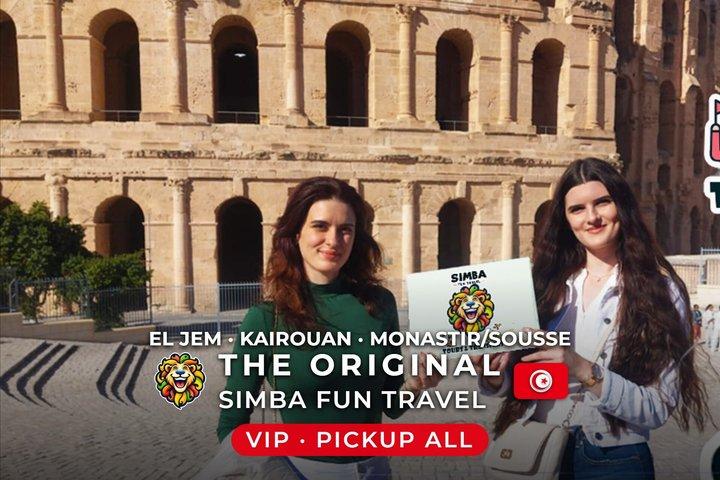
The Bardo museum in Tunis holds one of the world’s great collections of Roman mosaics, and El Jem, two hours south, is the third-largest Roman amphitheatre anywhere and far emptier than the Colosseum. Carthage itself is a scatter of sites across a modern suburb rather than one place.
The Star Wars locations are in the south
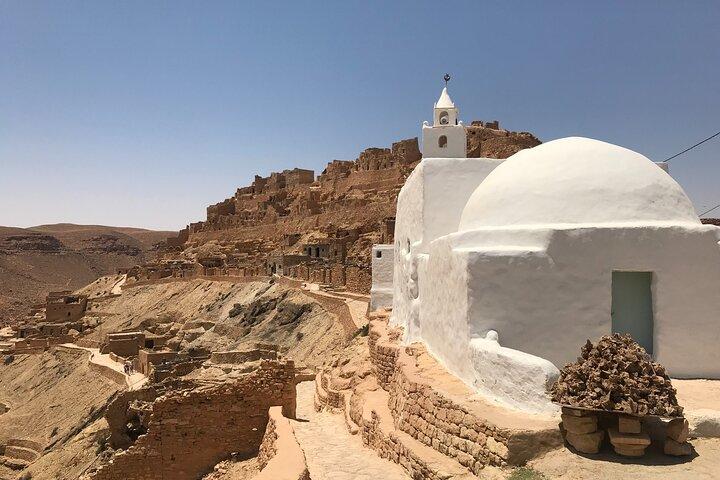
Matmata’s underground houses, Ong Jemel and the Mos Espa set near Tozeur are real places in the Sahara, several hours inland from Djerba. They are sold as two or three-day desert circuits, not as afternoon excursions from the coast.
The dinar cannot leave the country
It is a closed currency: you cannot buy it abroad and you cannot take it out. Change what you need on arrival, keep the receipts, and convert the remainder back before departure — the airport will ask for the exchange slips.
The coast and the desert have different seasons
The Mediterranean resorts run from April to October and largely close outside it. The Sahara is the opposite: summer temperatures make the southern circuits genuinely dangerous, and winter is when they are pleasant.
Ramadan changes the working day
Restaurants outside the resorts close during daylight, opening hours shift and the pace of everything slows. Resorts continue as normal. The dates move about eleven days earlier each year.
Djerba is effectively a separate destination
An hour by plane from Tunis or six hours by road. It has its own airport, its own resort strip and its own character — a Jewish quarter and synagogue with centuries of history among them. Combining it with Tunis means a flight, not a drive.
When to visit
Tunisia through the seasons
What is open, how busy it gets, and when to book ahead.
Spring
Mar–May
- Best for
- The Roman sites in comfortable heat, the desert circuits, the coast reopening.
- Crowds
- Booking tip
- The best all-round season — warm inland without the summer extremes.
Summer
Jun–Aug
- Best for
- The beach resorts at Sousse, Hammamet and Djerba, and warm sea.
- Crowds
- Booking tip
- The Sahara is dangerously hot — southern excursions should wait for autumn.
Autumn
Sep–Oct
- Best for
- Sea still warm, sites comfortable again, desert trips back on.
- Crowds
- Booking tip
- October is the quiet favourite: everything open, nothing crowded.
Winter
Nov–Feb
- Best for
- The Sahara at its best, Tunis and the museums empty, very low prices.
- Crowds
- Booking tip
- Much of the coastal resort infrastructure closes for the season.
Frequently asked
Tunisia: common questions
How many days do you need in Tunisia?
A week at a coastal resort with day trips to Tunis, Carthage and El Jem. Ten days if you want the southern desert circuit as well, which is two or three days of its own from Djerba or Tozeur.
What does a tour in Tunisia cost?
Tunisia is not in our fifty-city price index, so we avoid quoting a median. It is one of the cheaper Mediterranean destinations: guided days, food and transport all cost noticeably less than in Morocco, let alone southern Europe.
When is the best time to visit?
April, May, September and October for the country as a whole. Summer for the beaches only. Winter is the right season for the Sahara and the wrong one for the coast, where much of the resort infrastructure shuts.
Is Tunisia safe for visitors?
The coastal resorts and the main tourist circuit operate normally and take large numbers of European visitors. Several border regions and parts of the far south carry travel advisories — check your own government’s current guidance for any route inland.
Are tours run in English?
In the resorts, yes, though French is the dominant second language after Arabic and the wider choice of guided departures is in French, German and Italian. Confirm the English option when booking rather than assuming it.