Africa · 5 cities
Things to Do in Tanzania
Five Tanzanian destinations in one place: which town is the gateway to what, how the migration moves through the year, and why Kilimanjaro route length decides success.
5,703 tours listed by Viator 5 cities we cover Free cancellation



Where to go
Cities of Tanzania
In the order Viator’s own catalogue puts them — most-booked first, not alphabetical.


Full list
All cities, by region
Grouped by region using Viator’s own map of the country. The first block is the places it files directly under Tanzania.


Practical info
Know before you book
The things that change a decision — not a retelling of the guidebook.
Three separate destinations, three gateways
Arusha is the base for the northern safari circuit — Serengeti, Ngorongoro, Tarangire. Moshi sits under Kilimanjaro and is where climbs start. Zanzibar is an island an hour away by plane. Most trips combine two of the three, and each has its own airport.
The migration is a circle, not an event
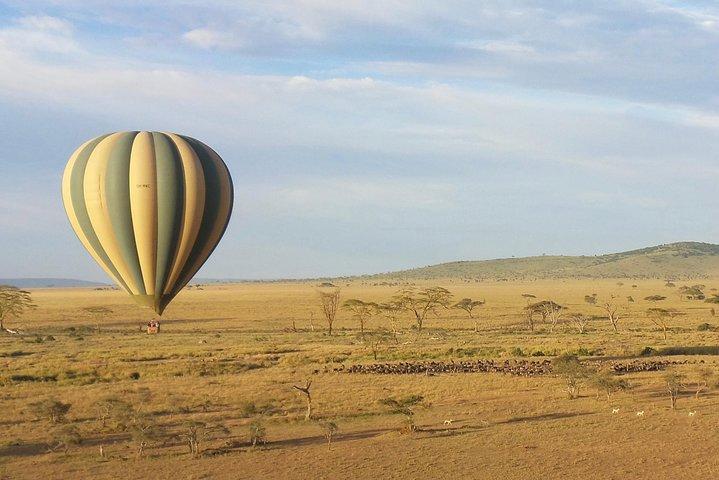
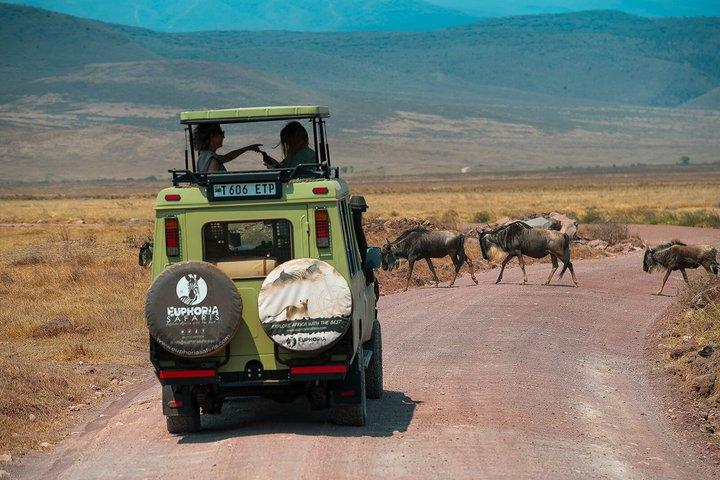
Two million animals move through the Serengeti all year. Calving is in the south in January to March; the Grumeti and Mara river crossings are in the north and west from roughly July to October. Where you stay has to match the month, or you will be in an empty part of a very large park.
On Kilimanjaro, days matter more than fitness
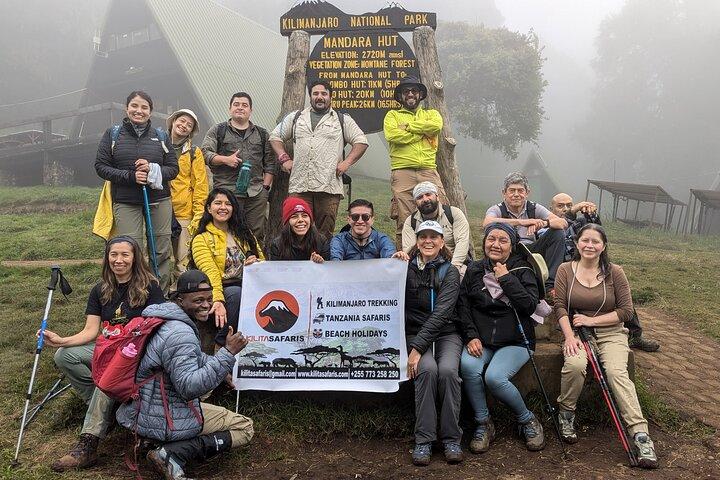
Success rates track acclimatisation time. The five-day Marangu route has markedly lower summit rates than seven or eight days on Machame or Lemosho. Paying for two extra days is the single most effective thing you can do for your chances.
Park fees are a large fixed cost
Serengeti and Ngorongoro charge per person per day in US dollars, and the crater has a separate descent fee per vehicle. These are set by the government and identical across operators — the price difference between safari companies is in the vehicles, guides and camps, not the entry.
Zanzibar is conservative away from the beach
The island is majority Muslim and Stone Town in particular expects covered shoulders and knees. Beachwear is for the beach and the resort. It is a small courtesy that is noticed and appreciated.
Two rainy seasons, and one of them closes camps
The long rains from March to May are heavy enough that many seasonal camps shut entirely and some tracks become impassable. The short rains in November and December are much lighter and rarely disrupt a safari.
When to visit
Tanzania through the seasons
What is open, how busy it gets, and when to book ahead.
Dry season
Jun–Oct
- Best for
- The best game viewing, river crossings in the north, Kilimanjaro at its clearest.
- Crowds
- Booking tip
- Peak season and peak prices — northern Serengeti camps book many months ahead.
Short rains
Nov–Dec
- Best for
- Green landscapes, migrating birds, fewer vehicles, lower rates.
- Crowds
- Booking tip
- Rain is usually a short afternoon storm — this is an underrated window.
Calving
Jan–Feb
- Best for
- Half a million wildebeest calves born in the southern Serengeti, and the predators that follow.
- Crowds
- Booking tip
- The second peak season — and the best month range for Kilimanjaro as well.
Long rains
Mar–May
- Best for
- The lowest prices of the year and an almost empty Serengeti.
- Crowds
- Booking tip
- Many seasonal camps close and some roads become impassable — check what is open.
Frequently asked
Tanzania: common questions
How many days do you need in Tanzania?
Ten days for a northern safari of four or five nights followed by four on Zanzibar. A Kilimanjaro climb is seven or eight days on its own plus recovery, so combining it with a safari and the coast needs a full two weeks or more.
What does a safari in Tanzania cost?
Tanzania is not in our fifty-city price index, so we avoid a median figure. The structure to understand is that park fees alone run to a substantial fixed sum per person per day, before any vehicle, guide or accommodation — which is why cheap safaris here are much less cheap than they look elsewhere.
When is the best time to visit?
June to October for the classic dry-season safari and the river crossings. January and February for the calving season and clear skies. Avoid March to May, when the long rains close camps and make tracks difficult.
Which Kilimanjaro route should I take?
Machame or Lemosho over seven to eight days. Both follow the climb-high-sleep-low principle that gets people to the summit; the five-day Marangu route does not, and its success rate reflects that. The extra days cost less than a failed attempt.
Serengeti or Ngorongoro?
Both, on the same trip — they adjoin. Ngorongoro crater is a contained caldera with extraordinary density and a half-day visit; the Serengeti is vast, holds the migration and needs several days. The usual route takes in the crater on the way in or out.