Asia · 2 cities
Things to Do in Nepal
Kathmandu and Pokhara in one place: what the trekking permits now require, which two windows the mountains are clear in, and how long the road between the two cities takes.
3,652 tours listed by Viator 2 cities we cover Free cancellation







Practical info
Know before you book
The things that change a decision — not a retelling of the guidebook.
Trekking permits changed and a guide is often required
Trekkers need a TIMS card and a national park or conservation area permit, and since 2023 solo trekking in the national parks requires a licensed guide. Agencies in Kathmandu and Pokhara arrange all of it in a day; the rules do move, so confirm the current position before you fix a plan.
There are two trekking seasons and they differ
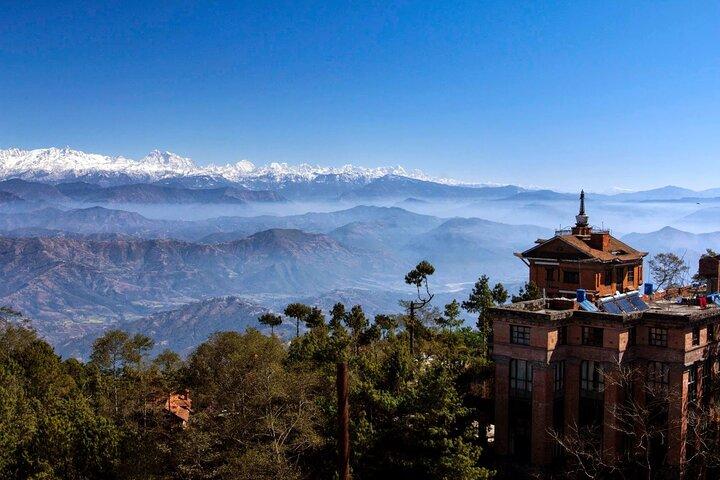
October and November give the clearest mountain views of the year and the busiest trails. March and April are warmer, hazier and bring the rhododendron forests into flower. The monsoon from June to September closes most of it; winter is clear but very cold at altitude.
The mountain flight is a real hour
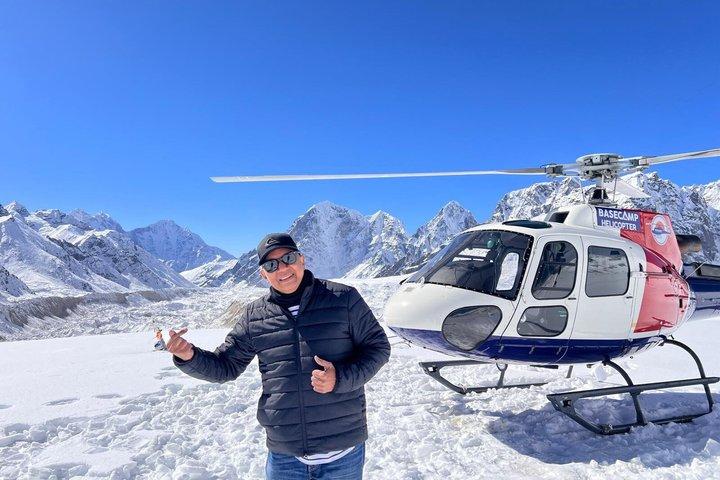
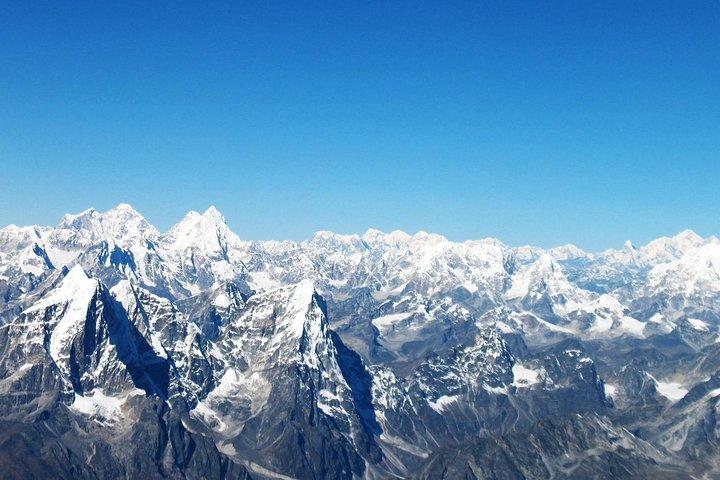
A small plane out of Kathmandu flies along the Everest range and back, with every passenger guaranteed a window. It runs in the early morning only and is cancelled for cloud — which in October and November is rarely a problem and in summer usually is.
Kathmandu to Pokhara is six to eight hours by road
Two hundred kilometres, on a road that is being rebuilt and is slow. The alternative is a twenty-five minute flight. Tourist coaches are comfortable and leave early; the scenery is good and the journey is still most of a day.
The 2015 earthquake is still visible
The Durbar squares of Kathmandu, Patan and Bhaktapur lost temples and much has been rebuilt, but restoration continues and some structures remain scaffolded. It is part of what you are looking at rather than a disappointment.
Cash, and not much of it, goes a long way
Nepal is inexpensive and largely a cash economy. Kathmandu and Pokhara have ATMs; the trekking routes do not, and teahouses charge for hot water, charging and wifi in rupees. Draw what you need before you leave the city.
When to visit
Nepal through the seasons
What is open, how busy it gets, and when to book ahead.
Autumn
Oct–Nov
- Best for
- The clearest mountain views of the year and the main trekking season.
- Crowds
- Booking tip
- The best weather and the busiest trails — teahouses on popular routes fill up.
Winter
Dec–Feb
- Best for
- Clear skies, empty cities, low-altitude trekking, very low prices.
- Crowds
- Booking tip
- High passes are snowbound and teahouses above 3,500m largely close.
Spring
Mar–May
- Best for
- Rhododendrons in flower, warmer trekking, the Everest expedition season.
- Crowds
- Booking tip
- Views are hazier than autumn — good for walking, less good for photographs.
Monsoon
Jun–Sep
- Best for
- Mustang and the rain-shadow valleys, which stay dry, and rock-bottom prices.
- Crowds
- Booking tip
- Leeches, landslides and no mountain views — most trekking stops entirely.
Frequently asked
Nepal: common questions
How many days do you need in Nepal?
Five days for Kathmandu, Bhaktapur, Patan and Pokhara without trekking. Add eight to twelve for a Poon Hill or Annapurna base camp trek, or two weeks plus for Everest base camp, which needs acclimatisation days built in.
What does a tour in Nepal cost?
Nepal is not in our fifty-city price index, so we will not quote a median. It is among the cheapest countries in Asia for guided days; the costs that add up on a trek are the permits, the guide and porter, and the internal flight rather than the trekking itself.
When is the best time to trek?
October and November for the clearest views and the most stable weather. March and April for warmth and the rhododendrons, at the cost of haze. Avoid the monsoon from June to September unless you are heading to Mustang or Dolpo.
Do you need a guide to trek?
In the national parks, yes — solo trekking there has required a licensed guide since 2023. Outside them the rules vary. Beyond the regulations, a guide on a multi-day route handles teahouse bookings and altitude judgement, which is worth the cost.
Is the mountain flight worth it?
If you are not trekking, yes — it is the only way to see Everest on a short trip and every seat is a window seat. If you are walking to base camp, save the money: you will see considerably more from the ground over the following fortnight.