Africa · 3 cities
Things to Do in Namibia
Walvis Bay, Swakopmund and Windhoek in one place: why almost everyone self-drives, what the dune gate opening time means, and when the waterholes do the work for you.
424 tours listed by Viator 3 cities we cover Free cancellation





Where to go
Cities of Namibia
In the order Viator’s own catalogue puts them — most-booked first, not alphabetical.
Full list
All cities, by region
Grouped by region using Viator’s own map of the country. The first block is the places it files directly under Namibia.


Practical info
Know before you book
The things that change a decision — not a retelling of the guidebook.
Self-drive is the normal way to see Namibia
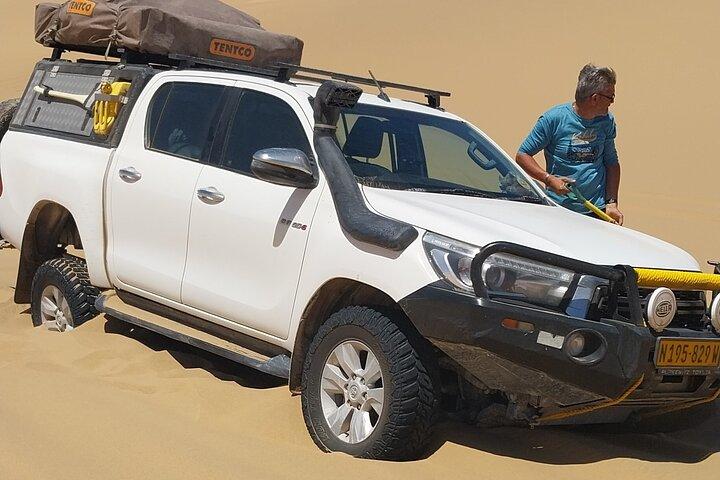
Distances are enormous, traffic is almost nonexistent and most roads are gravel. Rental companies expect punctures — two spare tyres is standard rather than paranoid. Keep speeds moderate on gravel; that is where nearly all the accidents happen.
Sossusvlei rewards being at the gate at opening
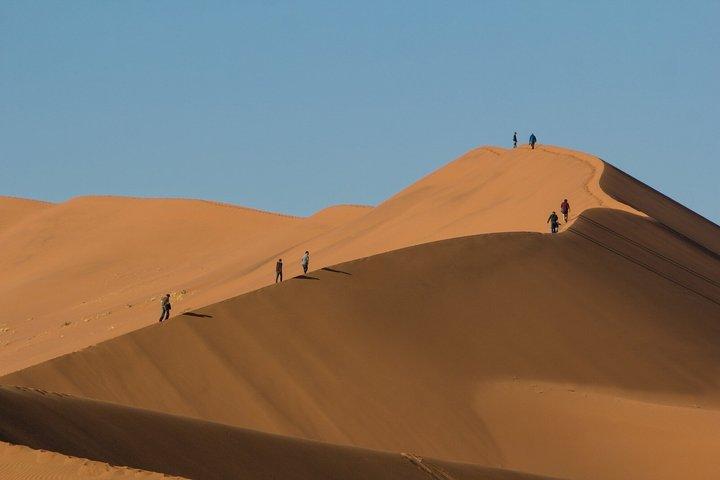
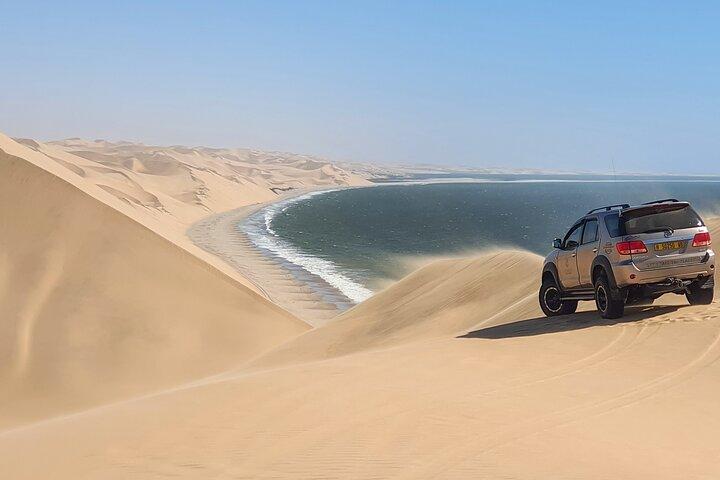
The park gate opens at sunrise and the dunes are an hour’s drive inside it, so staying within the park boundary gets you to Deadvlei in the good light. The final five kilometres need four-wheel drive or the park shuttle.
At Etosha the animals come to you
The pan is dry and open, so game concentrates at a limited number of waterholes. Game viewing here means parking at one and waiting, which is different from tracking through bush and works best from May to October when nothing else has water.
Walvis Bay is a lagoon, Swakopmund a German town
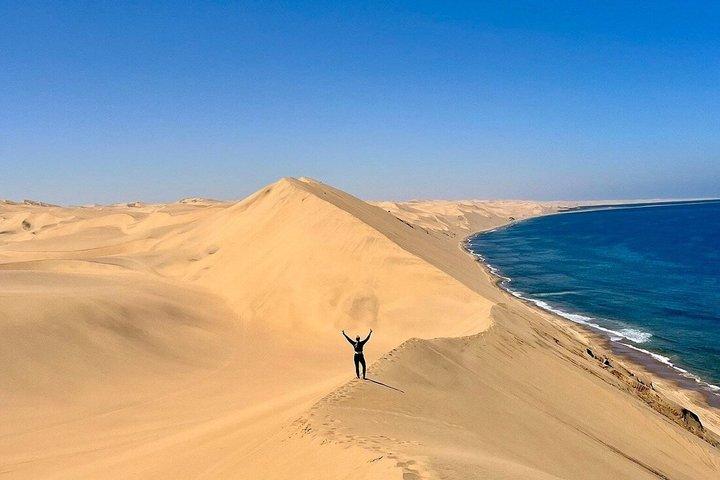
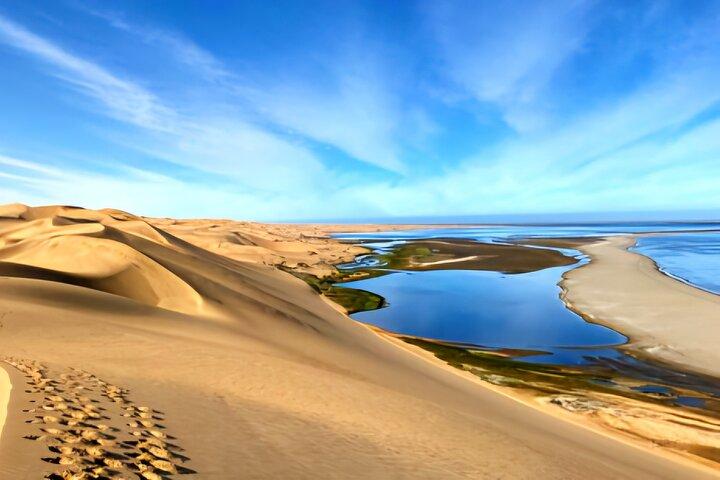
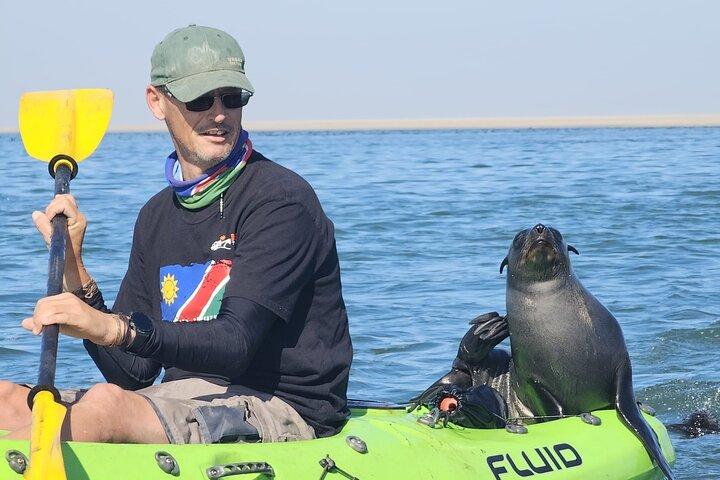
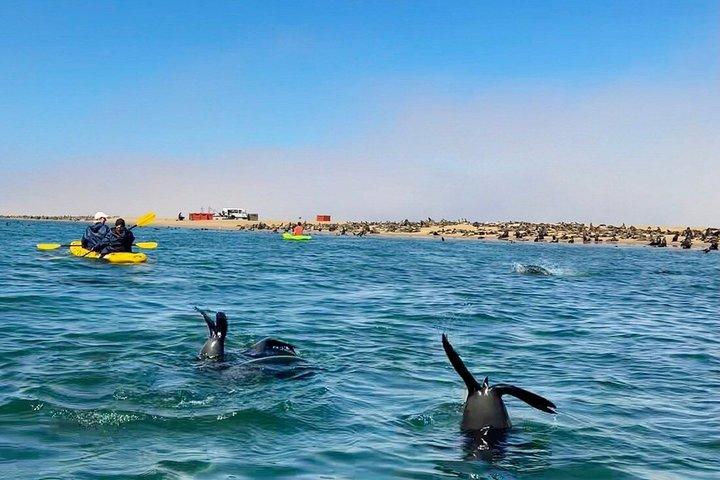
The lagoon holds flamingos, pelicans and seals, and the catamaran trips out to Pelican Point are the standard morning. Swakopmund, half an hour north, is colonial German architecture in the desert and the base for dune adventure activities.
Desert nights are genuinely cold
Winter nights around Sossusvlei and Etosha drop to freezing while the days sit in the twenties. Early morning game drives in June and July are cold enough for a proper coat, which surprises people packing for Africa.
The dollar is pegged to the rand
The Namibian dollar is fixed one to one with the South African rand, and rand is accepted everywhere in Namibia — though not the other way round. Cards work in towns; fuel stations on remote roads often want cash.
When to visit
Namibia through the seasons
What is open, how busy it gets, and when to book ahead.
Dry & cool
May–Aug
- Best for
- Etosha waterholes at their busiest, comfortable days, clear skies everywhere.
- Crowds
- Booking tip
- The peak season — and nights near freezing in the desert and at Etosha.
Dry & hot
Sep–Oct
- Best for
- The best game concentration of the year, before the rains break.
- Crowds
- Booking tip
- October is the single best month for Etosha and among the hottest.
Early rains
Nov–Dec
- Best for
- Dramatic skies, green desert, newborn animals, prices falling.
- Crowds
- Booking tip
- Rain is scattered and short — this is an underrated and photogenic window.
Green season
Jan–Apr
- Best for
- Lush landscapes, birdlife, the lowest prices, and the desert in flower.
- Crowds
- Booking tip
- Game is dispersed and harder to find; some gravel roads wash out after storms.
Frequently asked
Namibia: common questions
How many days do you need in Namibia?
Twelve to fourteen days for the classic circuit: Windhoek, Sossusvlei, Swakopmund and Walvis Bay, Damaraland and Etosha. Ten days is possible but means long driving days. This is not a country to rush.
What does a tour in Namibia cost?
Namibia is not in our fifty-city price index, so we avoid a median figure. Self-drive with lodges is the common format and the vehicle is the main cost; guided activities like the Walvis Bay catamaran and Sossusvlei excursions are moderately priced.
When is the best time to visit?
May to October for the dry season and Etosha, with September and October the best for game and the hottest. November to April is the green season: dramatic, cheap, and harder for wildlife.
Do you need a four-wheel drive?
For the main circuit a two-wheel drive with high clearance manages most gravel roads in the dry season. You do need four-wheel drive for the last stretch into Deadvlei, for remote areas like Kaokoland, and for anything after heavy rain.
Is Namibia good for a first African trip?
It is excellent if you want landscape as much as wildlife, and it is one of the safest and easiest countries in Africa to drive yourself around. For a pure big-game safari, Kenya, Tanzania or South Africa deliver more animals in fewer days.