Luxor · Luxor Governorate · Egypt
Luxor Tours, Tickets & Things to Do
Discover the best Luxor tours, Valley of the Kings and Karnak Temple tickets, sunrise hot-air balloon rides, Nile cruises and day trips to Abu Simbel and Aswan. Compare top-rated activities and plan your perfect Luxor itinerary.
4,399 experiences Free cancellation Top-rated tours Instant booking
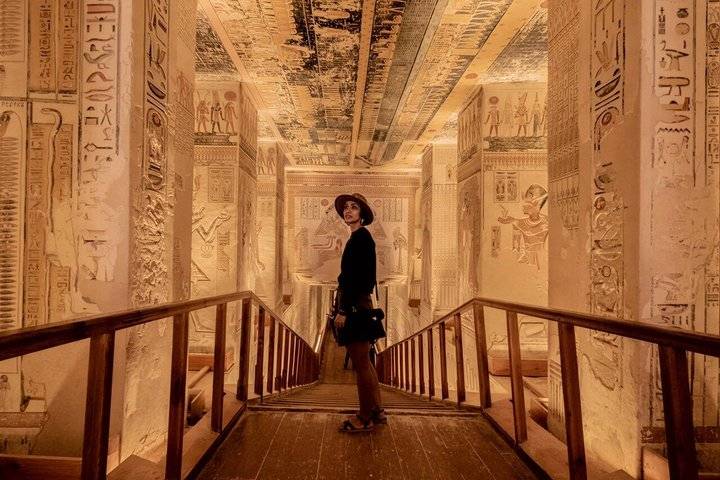
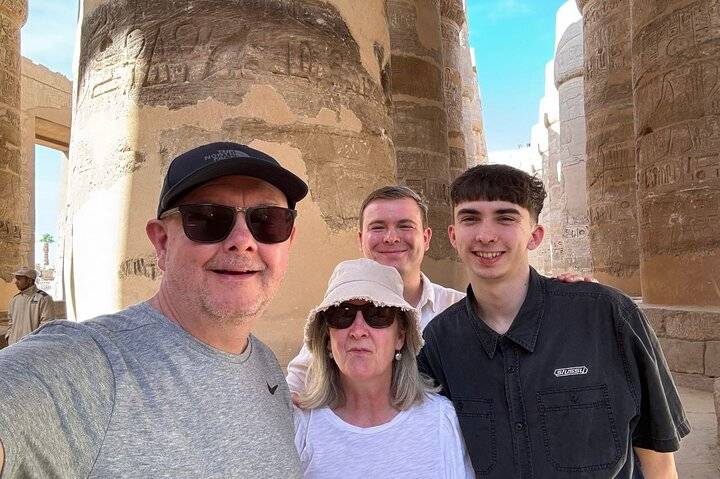

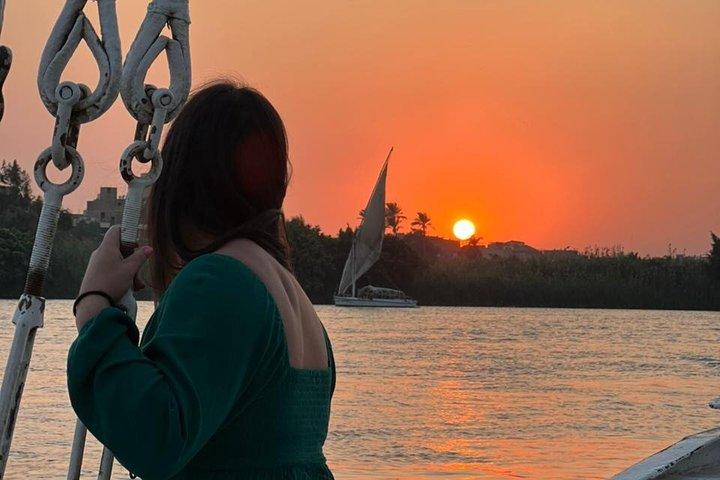
Sunset tours in Luxor
Departures that are under way when the sun sets in the coming weeks — start times checked against the local sunset.
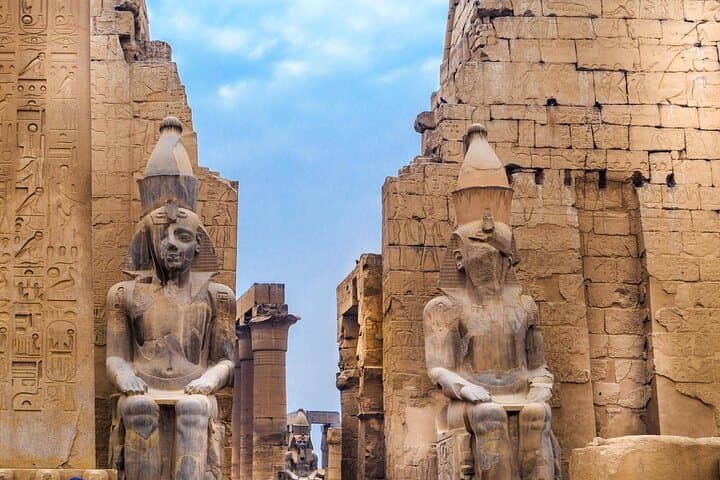
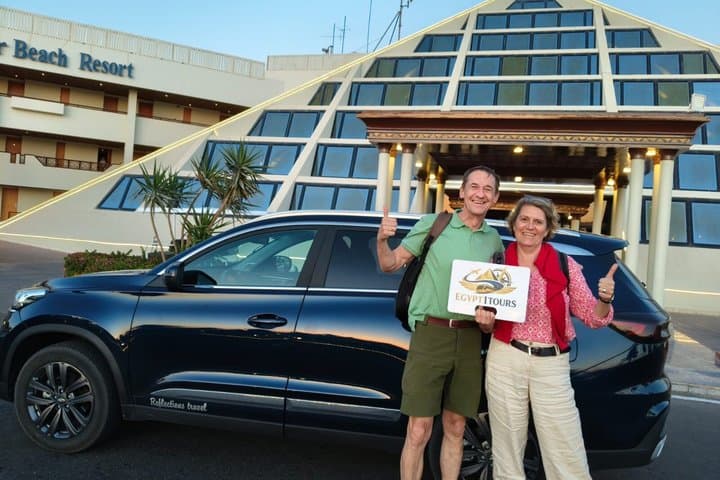
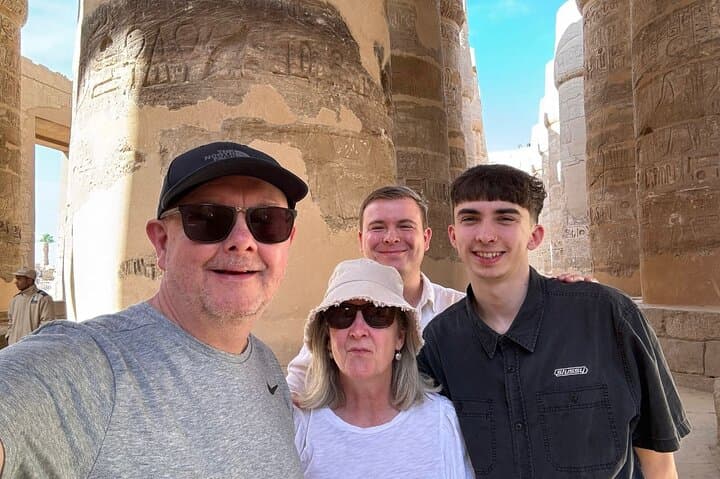
Good for families in Luxor
Children can join from a young age and pay less than adults — taken from each operator’s price list.


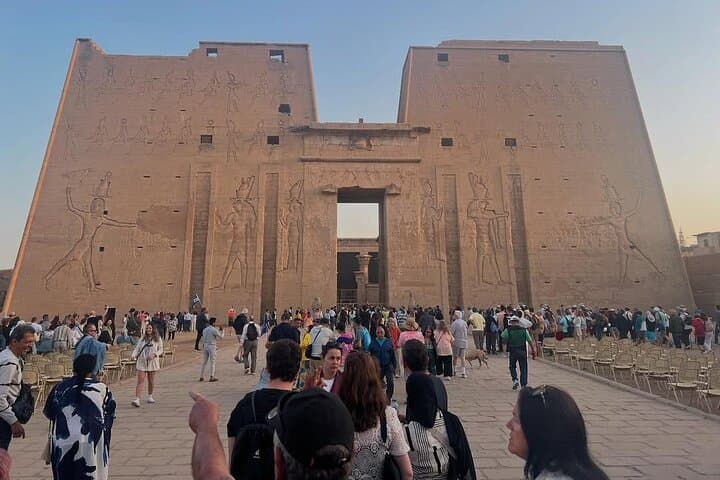

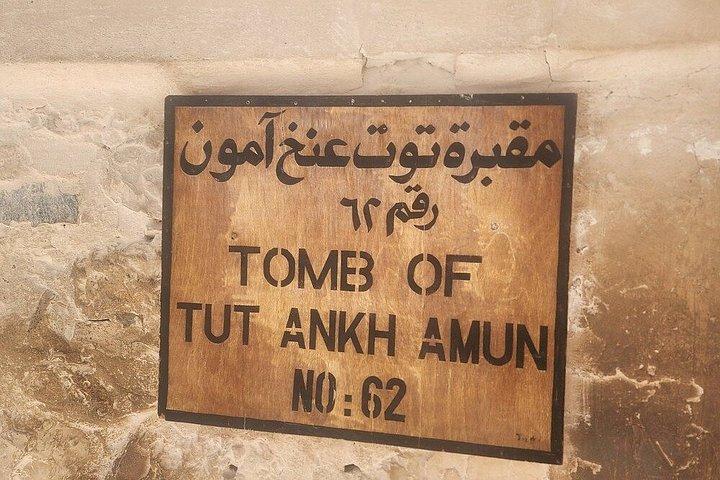
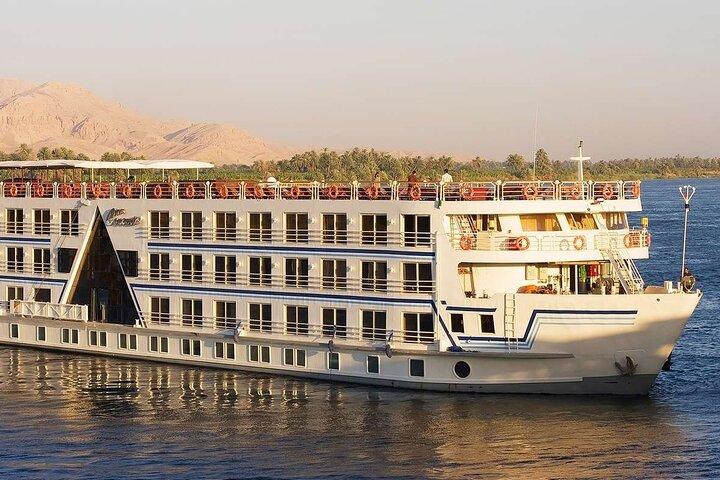
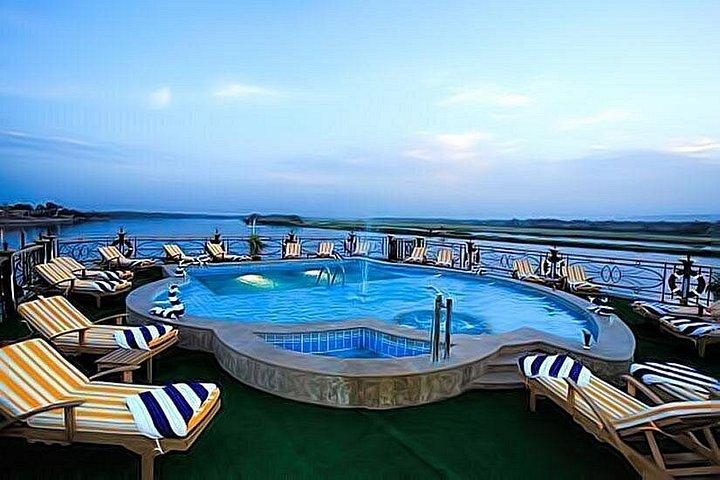





Browse
Explore Luxor by interest
Whatever brings you to Luxor — world-class museums, the river, or a long lunch — start with the experiences travellers love most.
Tombs & temples
The Valley of the Kings, Karnak, Luxor Temple and Hatshepsut.
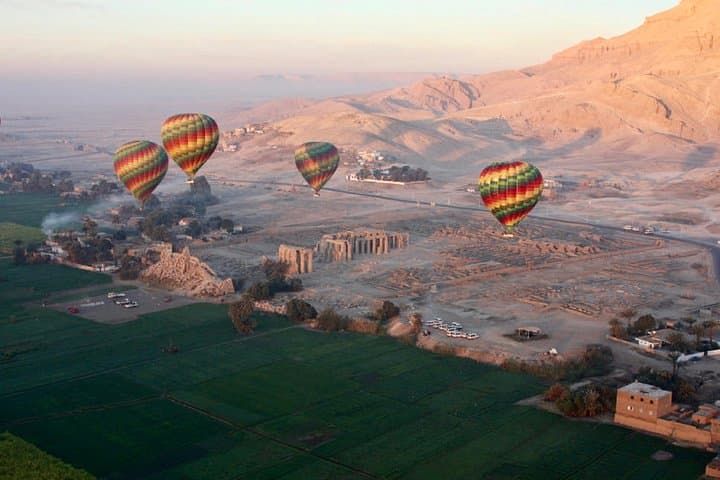
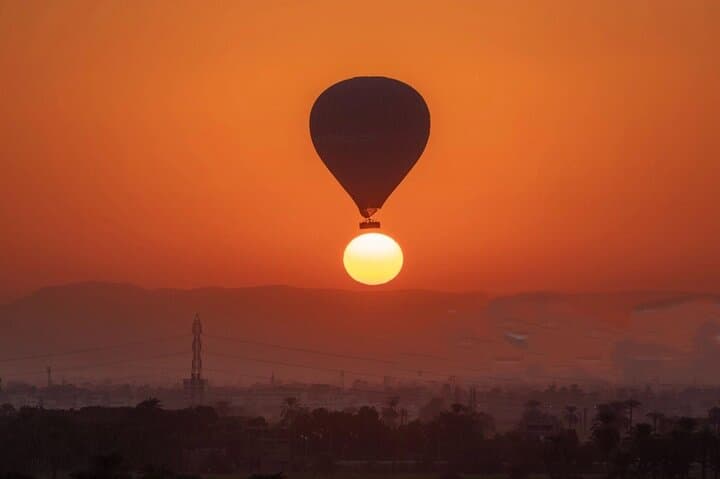
ExploreHot air balloons
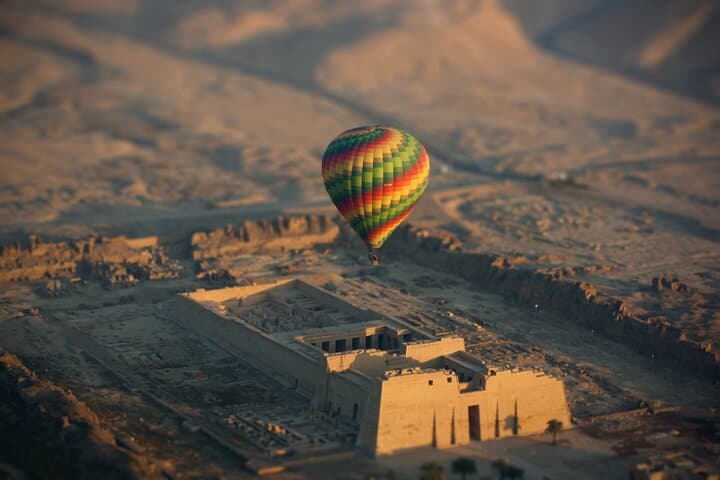
Sunrise flights over the West Bank monuments and the Nile.
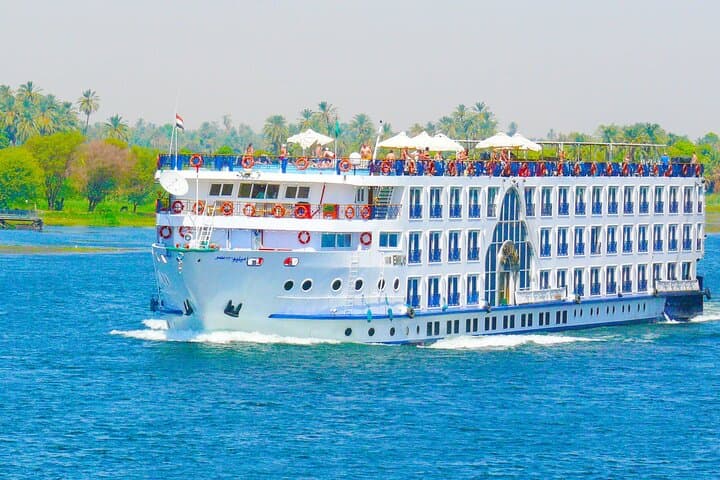
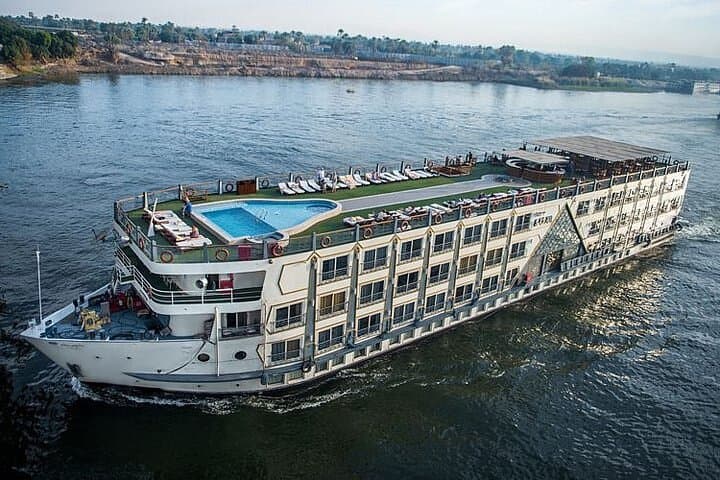
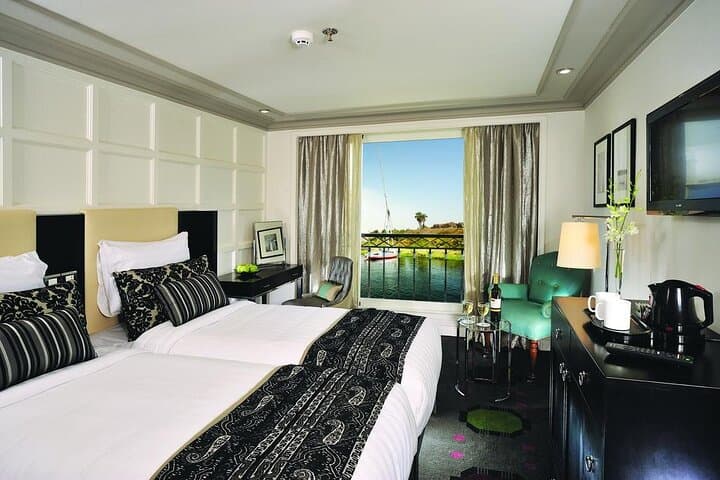
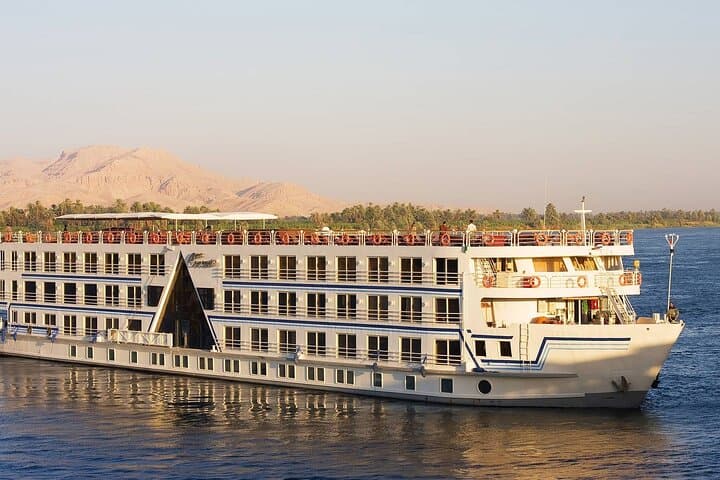
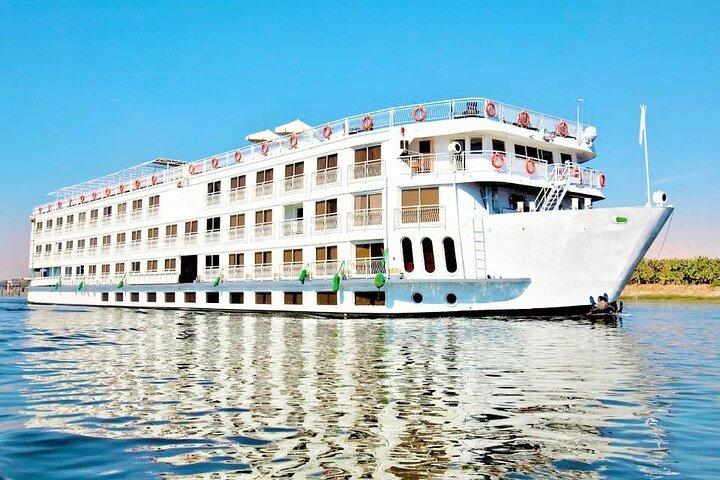
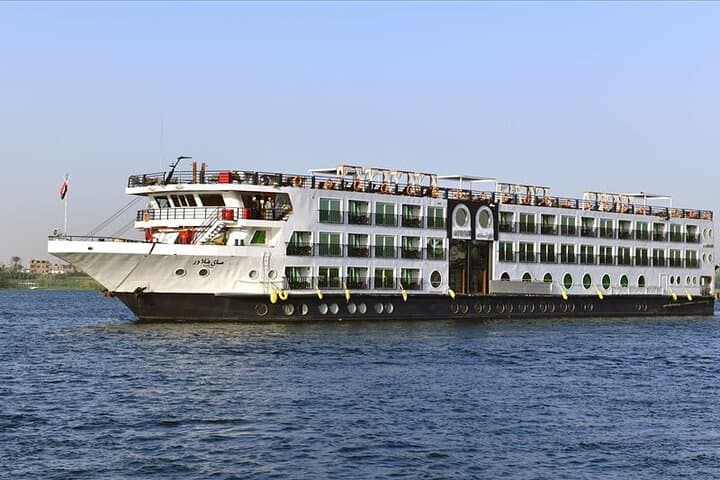
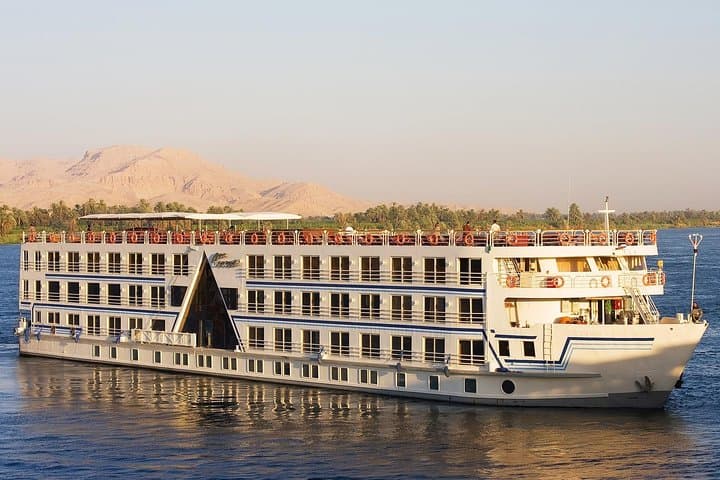
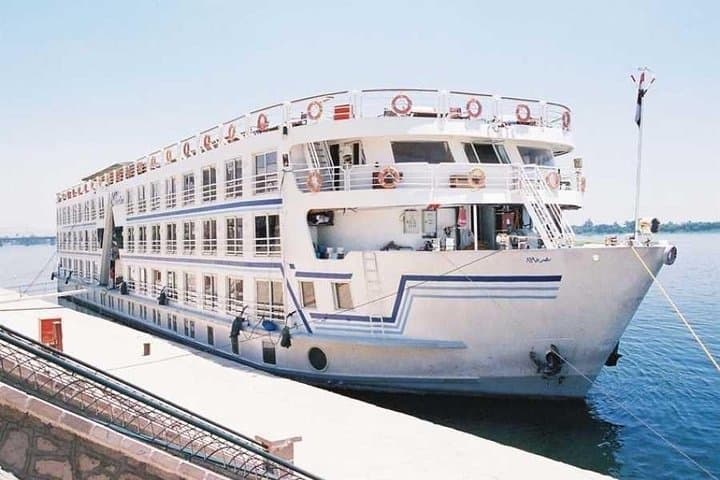
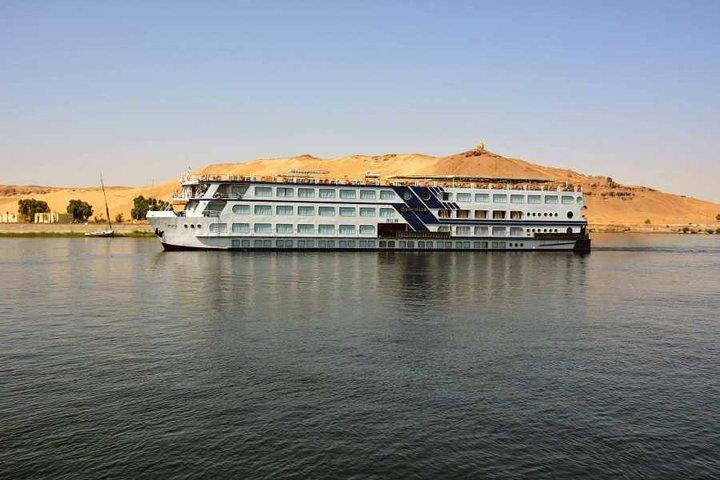
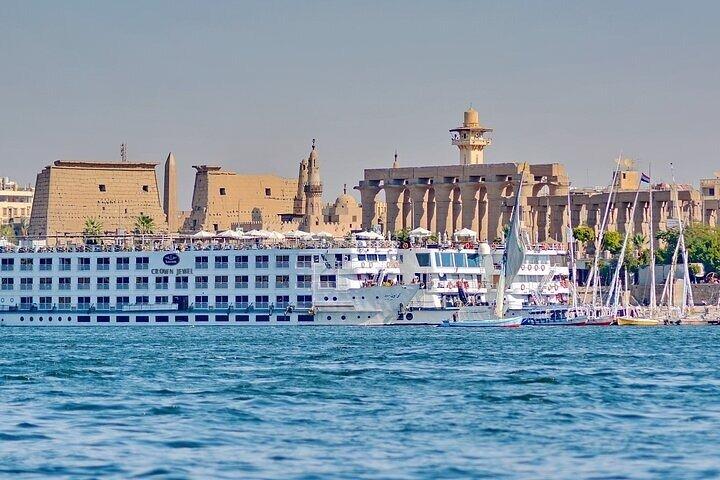
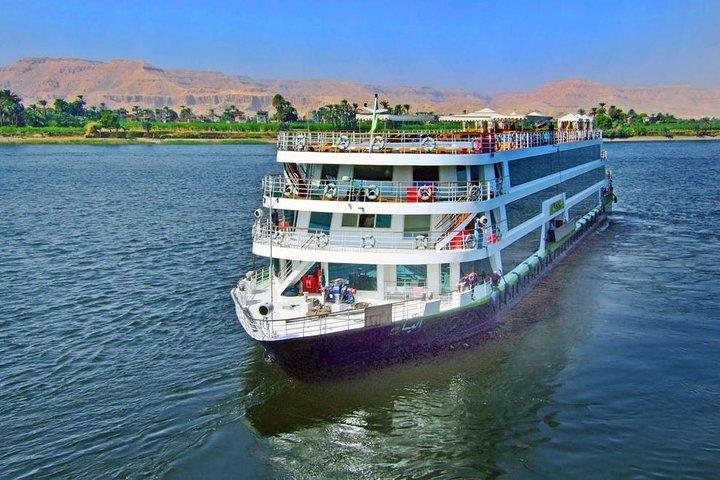
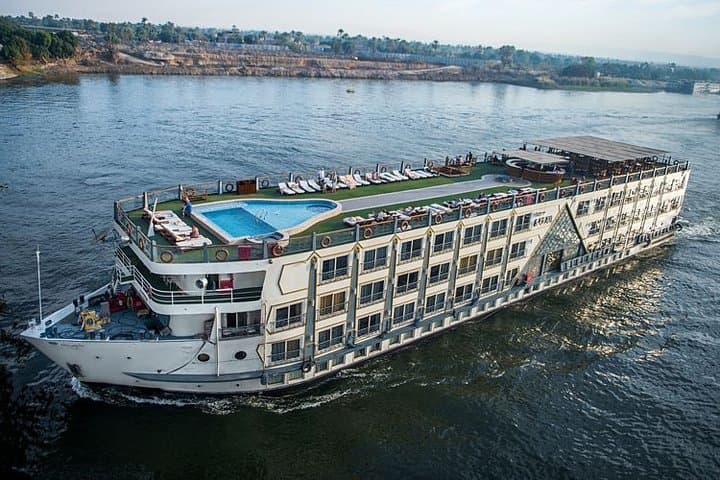
ExploreNile cruises
Multi-day cruises between Luxor and Aswan via Edfu and Kom Ombo.
ExploreFelucca sailing
Traditional sunset sails on the Nile past Banana Island.
ExploreWest Bank tours
The necropolis: royal tombs, Hatshepsut and the Colossi of Memnon.
ExploreEast Bank temples
Karnak and Luxor Temple, with the evening sound-and-light show.
ExploreDay trips
Abu Simbel, Aswan, Dendera and the cruise temples.
ExploreRed Sea escapes
Hurghada beaches, snorkelling and diving on the coast.
ExploreWhat to see
Top attractions in Luxor
The landmarks that define the city — and the tickets and tours that get you in, often skipping the line.
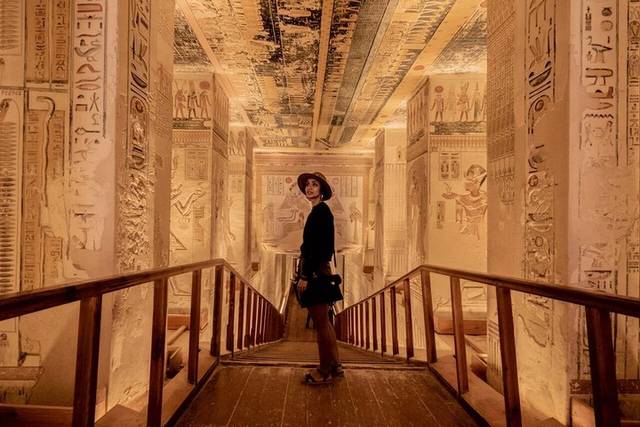
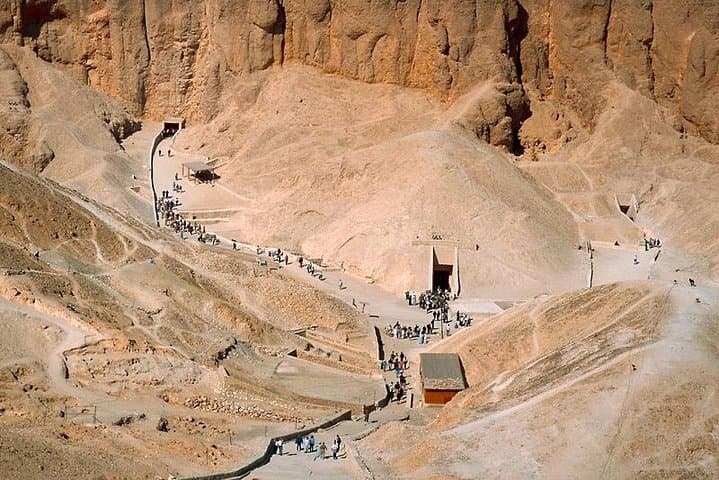
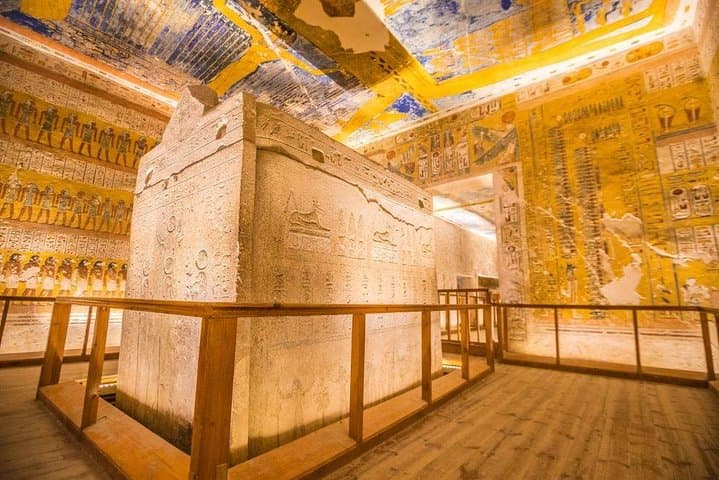
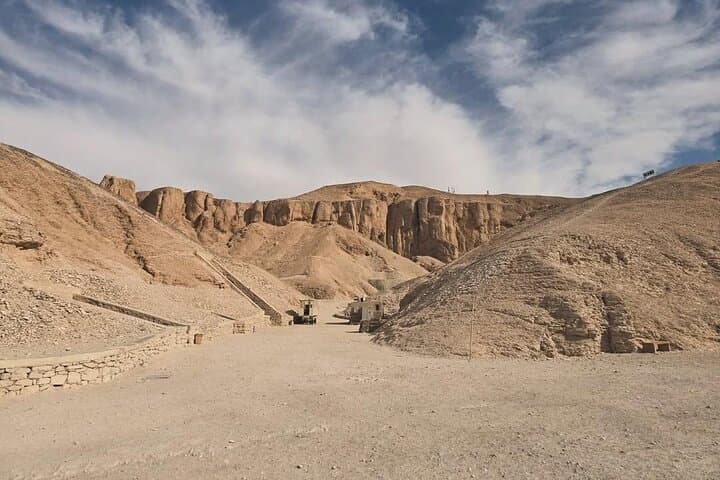
Valley of the Kings
The rock-cut royal tombs of pharaohs, including Tutankhamun.
160+ toursView tours
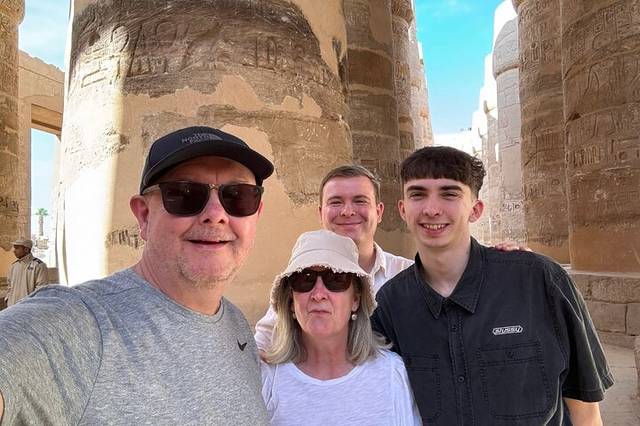
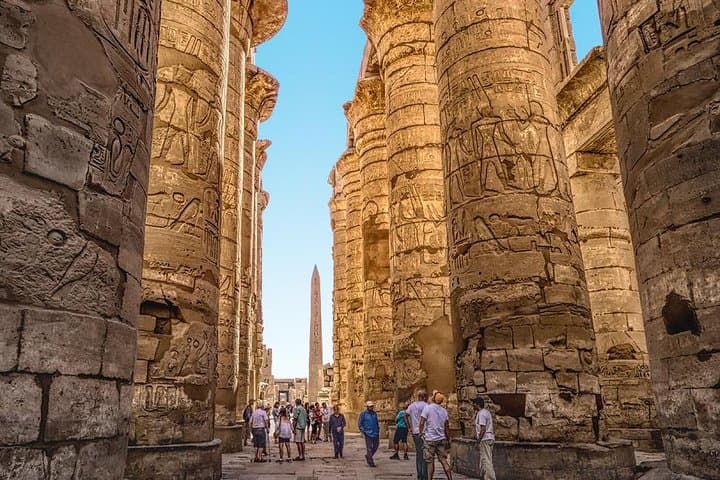
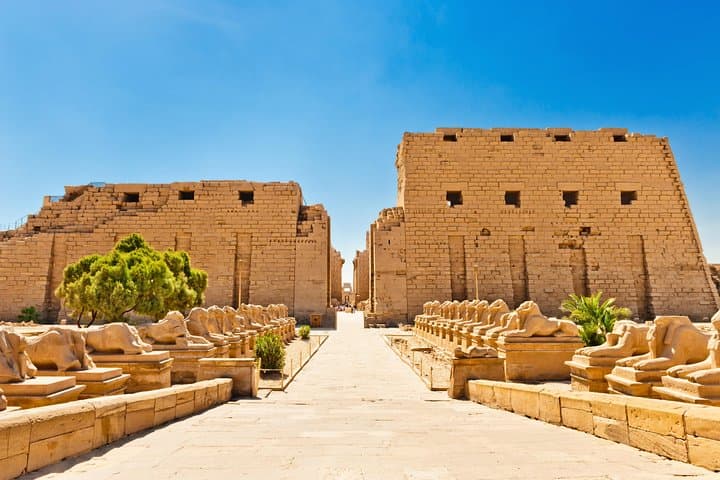
Karnak Temple
The vast temple complex with its Great Hypostyle Hall of columns.
90 toursView tours
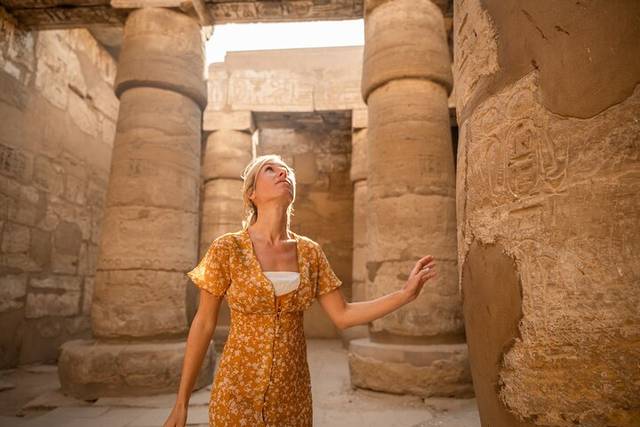
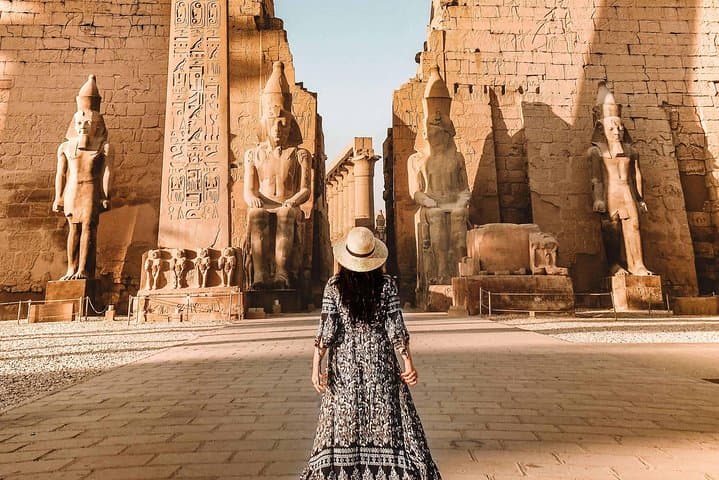
Luxor Temple
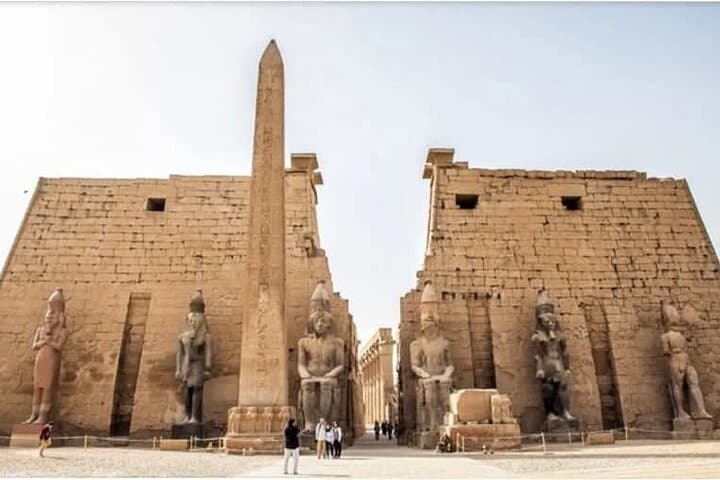
The grand riverside temple, beautifully floodlit at night.
70 toursView tours
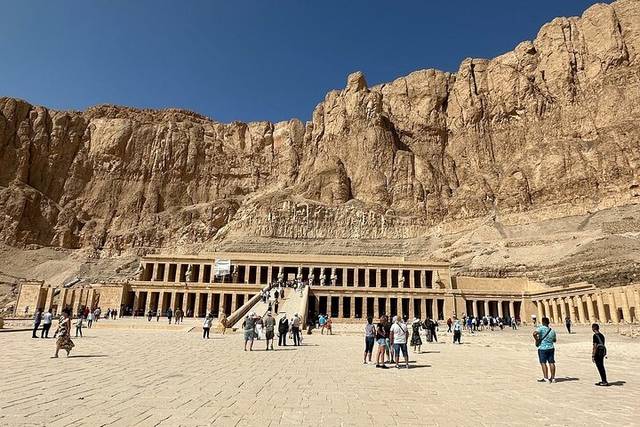
Hatshepsut Temple
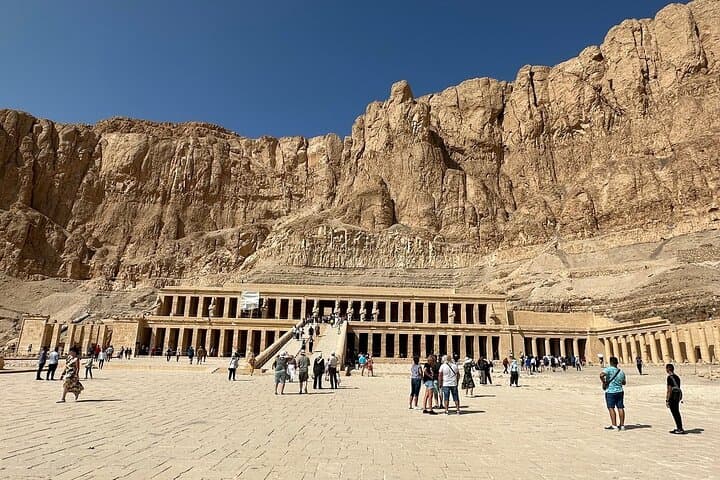
The terraced temple of Egypt’s great female pharaoh at Deir el-Bahari.
80 toursView tours
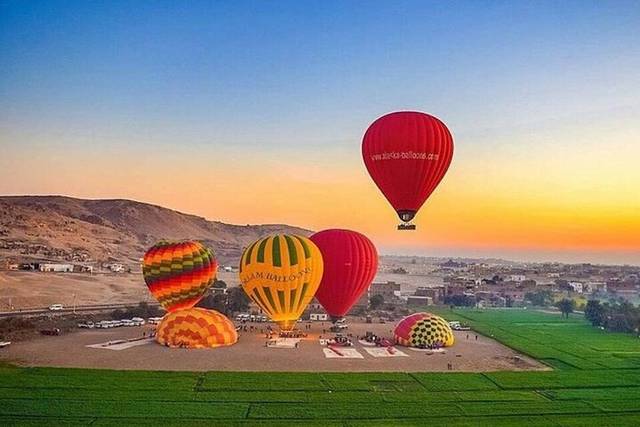
Hot air balloons
Sunrise flights over the West Bank and the green Nile Valley.
40 flightsView tours
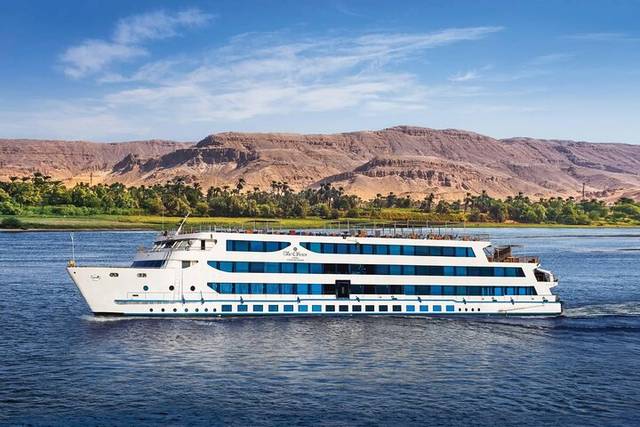
Nile cruises
Multi-day sailings between Luxor and Aswan via the river temples.
120 cruisesView tours
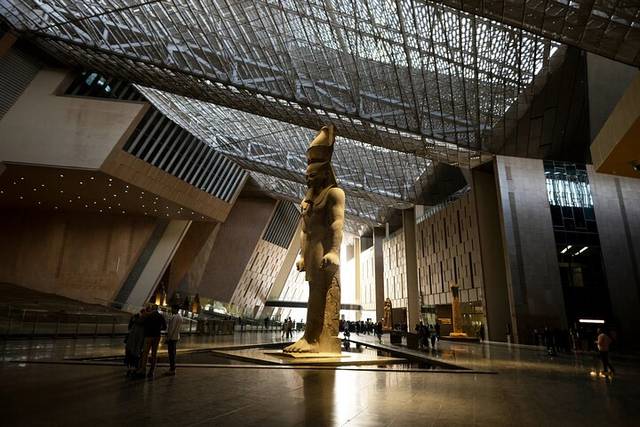
Felucca sailing
Traditional sunset sails on the Nile past Banana Island.
50 toursView tours
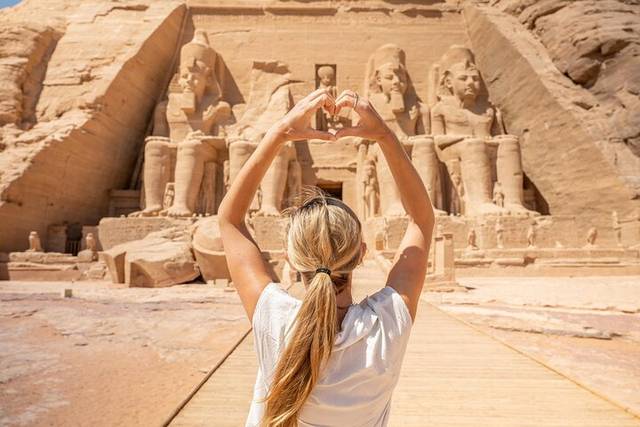
Abu Simbel
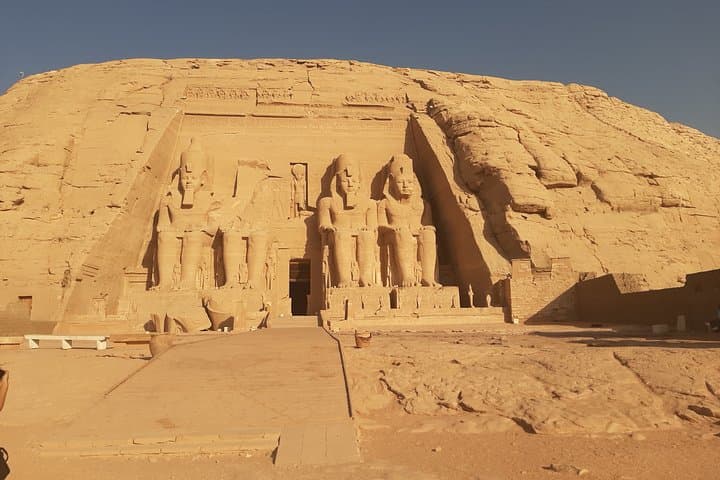
The colossal rock temples of Ramses II, reached via Aswan.
40 day toursView tours
1 day
Luxor in 1 day
- 1Sunrise balloon ride
- 2Valley of the Kings & Hatshepsut
- 3Karnak Temple
- 4Luxor Temple at night
2 days
Luxor in 2 days
- 1Day 1: West Bank & balloon
- 2Day 2: Karnak & Luxor Temple
- 3Sunset felucca sail
- 4Optional Dendera day trip
Nile cruise
Luxor to Aswan cruise
- 1Luxor: Karnak & West Bank
- 2Edfu: Temple of Horus
- 3Kom Ombo Temple
- 4Aswan: Philae & Abu Simbel
With kids
Luxor with kids
- 1Balloon ride at dawn
- 2Tutankhamun's tomb
- 3Karnak Temple
- 4Felucca sail with snacks
 Full day away
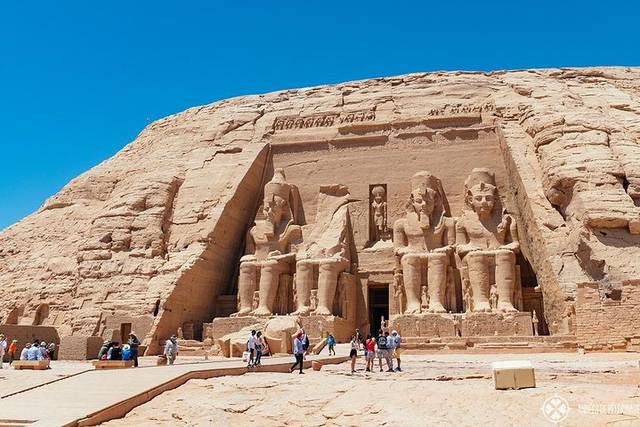
Abu Simbel
The colossal rock temples of Ramses II, reached via Aswan.
from €60View trips
3 hrs awayAswan
The Temple of Philae, the High Dam and Nubian villages.
from €45View trips
 Multi-day away
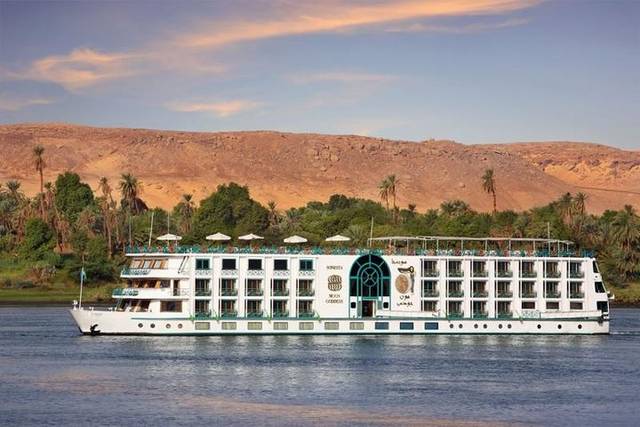
Nile cruise
Sail to Aswan via the temples of Edfu and Kom Ombo.
from €250View trips
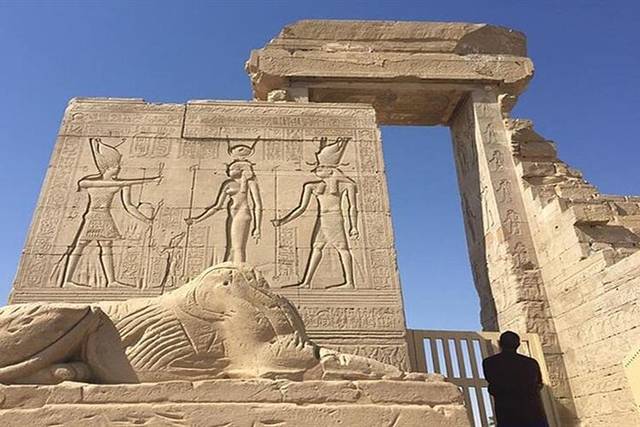 1.5 hrs away
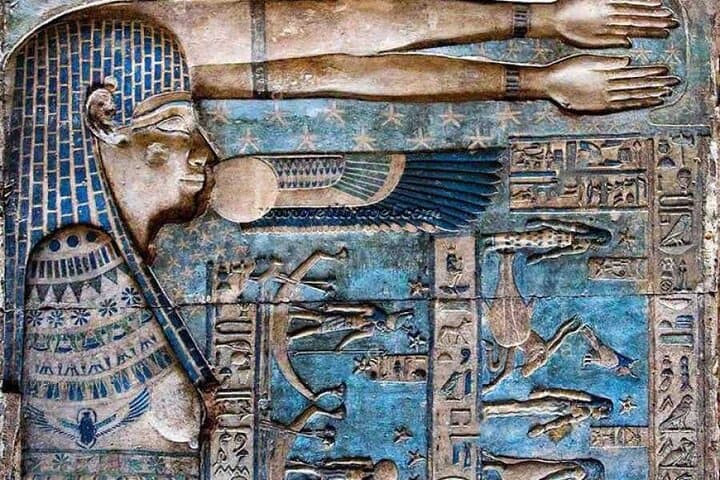
Dendera Temple
A superbly preserved temple with vivid painted ceilings.
from €35View trips
 2 hrs away
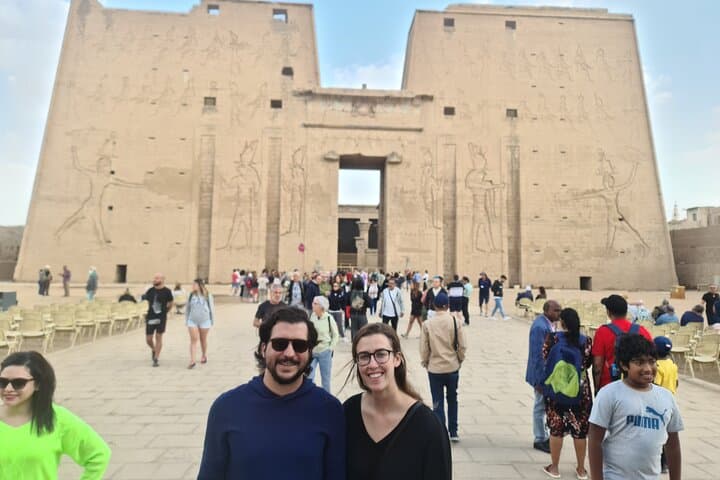
Edfu & Kom Ombo
The Temple of Horus and the riverside double temple of Kom Ombo.
from €45View trips
 3.5 hrs away
Hurghada (Red Sea)
Red Sea beaches, snorkelling and coral reefs on the coast.
from €40View trips
Practical guide
Know before you go
Short, straight answers to the questions every Luxor visitor asks before booking.
The best months
October to April is the best time to visit, with warm, comfortable days ideal for temples, balloon rides and Nile cruises.
Winter (Dec–Feb)
Peak season with pleasant, sunny days and cool nights — perfect for sightseeing, so book ahead.
Spring (Mar–Apr)
Warm and comfortable, a great shoulder season before the summer heat arrives.
Summer (May–Sep)
Very hot, often above 40°C. Visit temples at dawn, keep midday for rest, and stay well hydrated.
For balloons
Dawn balloon flights run year-round when weather allows; clear, calm winter mornings are ideal.
Abu Simbel Sun Festival
Around 22 February and 22 October the sun illuminates Abu Simbel’s inner statues — popular dates, so book early.
One day
Enough for the West Bank tombs and the East Bank temples on a packed guided tour, ideally with a dawn balloon ride.
Two days
A relaxed pace: the West Bank one day, the East Bank the next, with a felucca sail.
Three days
Add a day trip to Dendera or Aswan, or the lesser-visited West Bank temples.
Nile cruise (4–5 days)
Sail from Luxor to Aswan via Edfu and Kom Ombo, with the option of Abu Simbel.
A week
Combine Luxor with Aswan, Abu Simbel and a few days on the Red Sea at Hurghada.
Travelling with kids
Keep days short and early, mixing tombs and temples with balloon and boat rides.
Crossing the Nile
The East Bank (city, Karnak, Luxor Temple) and the West Bank (tombs, Hatshepsut) are linked by a road bridge, public ferry and tour boats.
Tours with transport
The West Bank monuments are spread out in the desert, so a tour or hired car with a driver is the easiest way to visit them.
Taxis & calèches
Taxis are cheap (agree the fare first), and horse-drawn calèches are a traditional way to ride along the East Bank corniche.
On foot
The East Bank corniche, Luxor Temple and the souk are walkable; the West Bank is not, due to distances and heat.
Trains & flights
Trains link Luxor with Aswan and Cairo, and Luxor has an airport with domestic flights, handy for Abu Simbel or Cairo add-ons.
Beat the heat
Start early and carry water; the desert West Bank gets very hot by midday, especially in summer.
Special tombs
The tombs of Tutankhamun, Seti I and Ramses VI in the Valley of the Kings need separate tickets on top of the standard three-tomb entry.
Photo passes
Photography inside some tombs requires an extra photo ticket; check the rules before you snap to avoid fines.
Cash & tipping
Carry Egyptian pounds for tickets, drinks and tipping (baksheesh), which is customary for small services.
Guides & touts
A licensed Egyptologist guide adds enormously to the temples; politely decline persistent vendors and unofficial “guides”.
Sun protection
Bring a hat, sunglasses, sunscreen and water — there’s little shade among the tombs and temples.
Book balloons & cruises early
Sunrise balloon rides and multi-day cruises sell out in peak season — reserve ahead.
Hot-air balloon rides
Dawn flights are limited and weather-dependent, so book a few days ahead with a flexible date.
Nile cruises
Multi-day Luxor–Aswan cruises run on set departures and sell out in winter — book early.
Abu Simbel trips
Long day trips and flights to Abu Simbel have limited places, especially around the Sun Festival.
Special tombs
No need to pre-book, but bring cash for the separate Tutankhamun and Seti I tomb tickets on the day.
Private guided tours
Top-rated Egyptologist guides get booked up — reserve ahead for the best.
Red Sea add-ons
Hurghada beach trips and overnight stays are popular in winter — plan ahead.
Temple tours
Around €40–90 for a guided full-day West Bank and East Bank tour with transport.
Hot-air balloons
About €80–120 for a sunrise flight with hotel transfers and a Nile crossing.
Nile cruises
Roughly €250–600+ for a 3–5 night Luxor–Aswan cruise with full board and guided visits.
Day trips
About €35–80 for Dendera, Edfu and Kom Ombo or Aswan; Abu Simbel and Hurghada cost more.
Felucca sails
Around €10–25 for a one- to two-hour sunset felucca sail on the Nile.
How to save
Join group tours, take the public ferry to the West Bank, and travel in the spring or autumn shoulder season.
When to visit
Luxor through the seasons
What's best, how busy it gets, and one booking tip for each time of year.
Winter
Dec–Feb
- Best for
- Pleasant, sunny days and cool nights — the peak season for temples and cruises.
- Crowds
- Booking tip
- Book balloons and cruises well ahead.
Spring
Mar–Apr
- Best for
- Warm and comfortable, a great shoulder season before the summer heat.
- Crowds
- Booking tip
- Ideal weather with slightly thinner crowds.
Summer
May–Sep
- Best for
- Very hot and quiet, with the lowest prices — for early risers only.
- Crowds
- Booking tip
- Visit at dawn and rest at midday; hydrate constantly.
Autumn
Oct–Nov
- Best for
- Cooling temperatures return, making autumn a comfortable time to visit.
- Crowds
- Booking tip
- A great-value window as peak season begins.
People also ask
Luxor travel FAQ
What are the best tours in Luxor?
The highest-rated Luxor experiences are a West Bank tour of the Valley of the Kings and Hatshepsut’s Temple, an East Bank tour of Karnak and Luxor Temple, a sunrise hot-air balloon ride, a Nile felucca sail and a multi-day Nile cruise or Abu Simbel day trip.
What should I book in advance in Luxor?
Book sunrise hot-air balloon rides, multi-day Nile cruises and Abu Simbel trips ahead, especially in the cool October–April peak season when they sell out.
How many days do I need in Luxor?
Two days is ideal — one for the West Bank tombs and a balloon ride, and one for the East Bank temples and a felucca sail. Add days for Aswan, Abu Simbel or a Nile cruise.
Is a hot-air balloon ride in Luxor worth it?
Yes — drifting over the Valley of the Kings, Hatshepsut’s Temple and the Nile Valley at dawn is one of Luxor’s most memorable experiences. Choose a reputable operator and a flexible date, as flights depend on the weather.
What are the best day trips from Luxor?
Abu Simbel and Aswan to the south, the beautifully preserved Dendera Temple to the north, the cruise temples of Edfu and Kom Ombo, and the Red Sea beaches of Hurghada.
Is Luxor safe for tourists?
Luxor is a major, well-touristed destination with a visible tourist police presence; the main nuisance is persistent vendors. Use licensed guides or tours, agree taxi fares in advance, and take normal precautions.
When is the best time to visit Luxor?
October to April offers the most comfortable weather for temples, balloon rides and Nile cruises; summer is very hot, so plan early starts and midday rest if you visit then.
4,399 Luxor experiencesfrom €15 · free cancellation
Explore tours