Americas · 2 cities
Things to Do in Guatemala
Antigua and Guatemala City in one place: why almost nobody stays in the capital, what the volcano hike actually involves, and the week the country books out a year ahead.
973 tours listed by Viator 2 cities we cover Free cancellation







Where to go
Cities of Guatemala
In the order Viator’s own catalogue puts them — most-booked first, not alphabetical.
Full list
All cities, by region
Grouped by region using Viator’s own map of the country. The first block is the places it files directly under Guatemala.


Practical info
Know before you book
The things that change a decision — not a retelling of the guidebook.
Antigua is the base, not the capital
It is an hour from the airport, colonial, walkable and ringed by volcanoes, and almost every visitor uses it rather than Guatemala City. The capital has the best museums in the country and very little reason to sleep in it.
The Acatenango hike is hard and cold
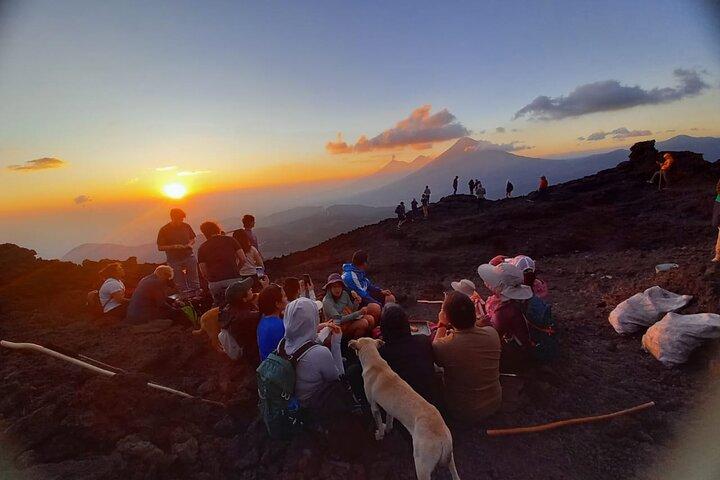
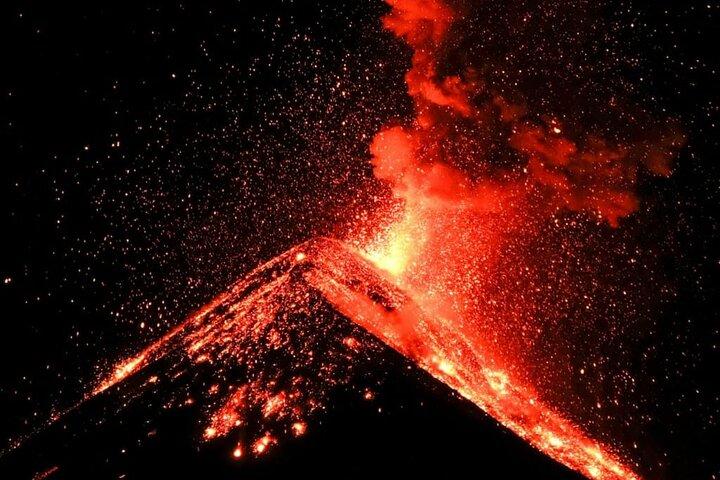
An overnight climb to 3,976 metres to camp opposite Fuego, which erupts through the night. It is the signature trip in the country and it is a genuine effort at altitude, in near-freezing temperatures. Operators supply gear; fitness is on you.
Semana Santa fills Antigua a year ahead
Holy Week processions over coloured sawdust carpets are among the largest Easter celebrations anywhere. Hotels in Antigua sell out roughly twelve months in advance and prices multiply. If you are not going for it, check the dates and avoid them.
Tikal is a flight, not a drive
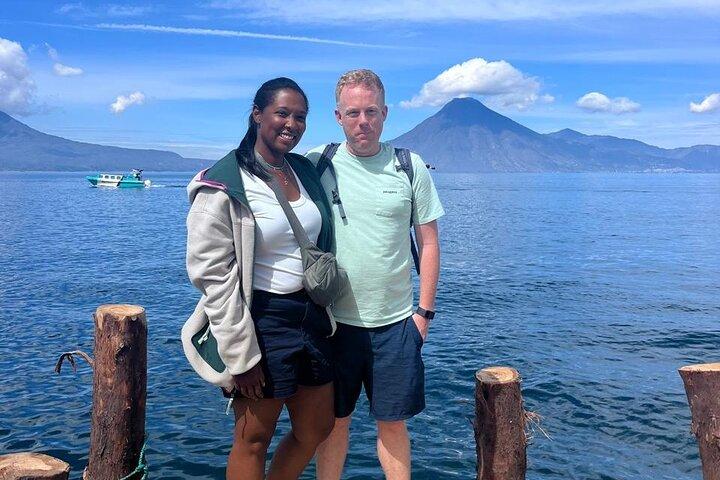
The great Maya city is in the far north and is nine hours by road from Antigua. Everyone flies to Flores, an hour in the air, and does Tikal as an overnight. Lake Atitlán, by contrast, is a comfortable two and a half hours from Antigua.
Guatemala is cheap and often cash-only
The quetzal is the currency and card acceptance drops away quickly outside Antigua and the capital. Food, guiding and accommodation all cost noticeably less than in Belize or Costa Rica.
Shuttles, not chicken buses
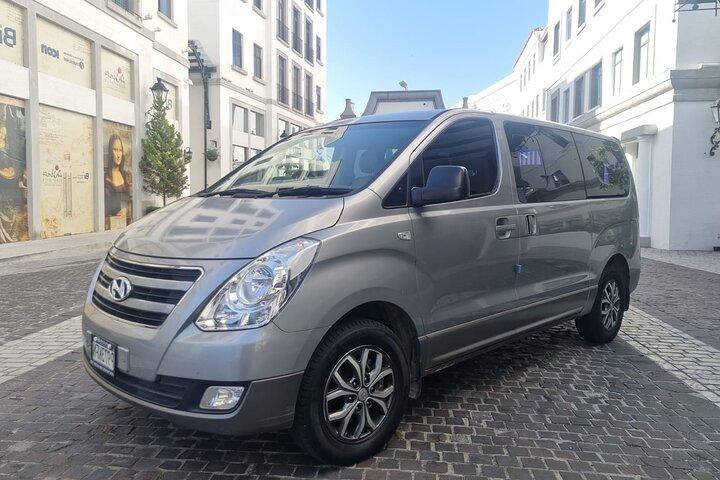
The painted former US school buses are genuine public transport and genuinely cheap, and they are also crowded, slow and a pickpocketing risk with luggage. Tourist shuttles run between every destination on this page for a few dollars more.
When to visit
Guatemala through the seasons
What is open, how busy it gets, and when to book ahead.
Dry season
Nov–Apr
- Best for
- Clear volcano views, the Acatenango hike, Atitlán at its calmest.
- Crowds
- Booking tip
- Semana Santa falls in March or April and is the single busiest week of the year.
Early wet
May–Jun
- Best for
- Green highlands, afternoon rain only, prices down, crowds gone.
- Crowds
- Booking tip
- Mornings are usually clear — the hikes still run, you just start early.
Wet peak
Jul–Sep
- Best for
- The lowest prices, the landscape at its most vivid.
- Crowds
- Booking tip
- September is the wettest month and volcano views are least reliable.
Transition
Oct
- Best for
- Rain easing into the dry season with none of the high-season prices.
- Crowds
- Booking tip
- Late October is quietly one of the best value windows in the Guatemalan year.
Frequently asked
Guatemala: common questions
How many days do you need in Guatemala?
A week: three nights in Antigua including the Acatenango hike, two at Lake Atitlán, and two for Tikal via Flores. Ten days lets you add Semuc Champey or the highland markets at Chichicastenango without a rushed day.
What does a tour in Guatemala cost?
Guatemala is not in our fifty-city price index, so we avoid a median figure. It is among the cheapest countries in the region: the overnight volcano hike, the most expensive common product, costs less than a half-day boat trip in Belize.
Is the Acatenango hike suitable for beginners?
It is doable without experience but not without fitness — five to six hours up on steep volcanic ash at altitude, camping near freezing, then descending in the morning. Take the operator that includes proper gear rather than the cheapest one.
When is the best time to visit?
November to April for the dry season and the clearest volcano views. May, June and October are the value months with mostly clear mornings. Avoid Semana Santa unless that is specifically why you are going.
Is Guatemala safe for visitors?
The tourist circuit — Antigua, Atitlán, Flores and Tikal — is well travelled and ordinary care is enough. The usual local advice is to use tourist shuttles rather than public buses between towns, and not to walk with valuables after dark in the capital.