Seattle is often described as one of the most engineered cities in the United States, and this private four-hour tour shows you why. Built between saltwater and freshwater, on steep hills, unstable soil and in an active seismic zone, Seattle has needed complex engineering to work as a modern city. You'll see the I-90 floating bridge, the SR-99 tunnel, the rebuilt seawall, the Seattle Central Library, Fishermen's Terminal, Gas Works Park and the Ballard Locks, and along the Elliott Bay Trail, keep an eye out for Boeing 737 fuselages riding the rails. Each stop connects to the problem it was built to solve. Your guide is a lifelong Seattle local, and it's just your group in a private minivan or our white Ford shuttle. How pricing works: this is a private tour priced for your whole group, up to 13 guests. The total is the same for 1 to 4 guests, and each guest after that adds less, so the price per person drops as your group grows.
Prices are per person when two book together; a solo traveller pays $800.
Larger groups pay less per person.
From the operator’s live schedule on Viator, checked Nov 24.
Pier 66, the Bell Street Cruise Terminal on the downtown waterfront.
Your tour begins with pickup anywhere in the Greater Seattle area, including Pike Place Market, the cruise terminals and Sea-Tac Airport. Your guide introduces Seattle as a city engineered as an interconnected system of land, water, and moving infrastructure shaped by geography and seismic risk.
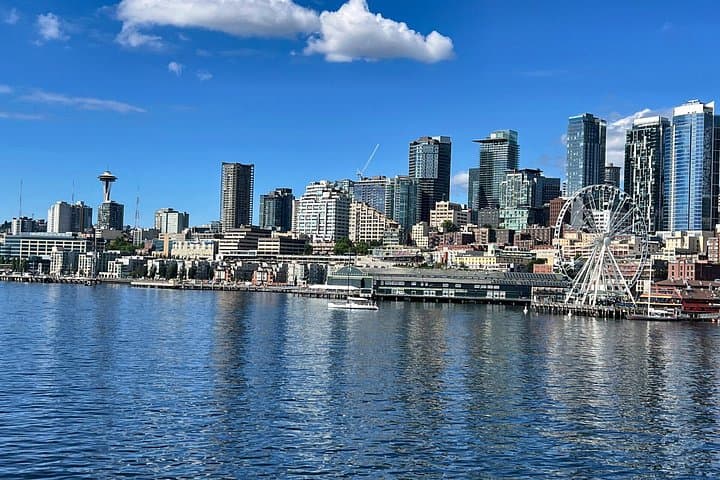
The Great Wheel on Pier 57 and Miners Landing, near where the 1897 Klondike gold ship docked, along the rebuilt seawall, where light-penetrating panels in the sidewalk let daylight reach young salmon below.
Pioneer Square, rebuilt in brick and stone after the 1889 fire, past the Smith Tower.
The Historic Chinatown Gate, Hing Hay Park and the Panama Hotel.
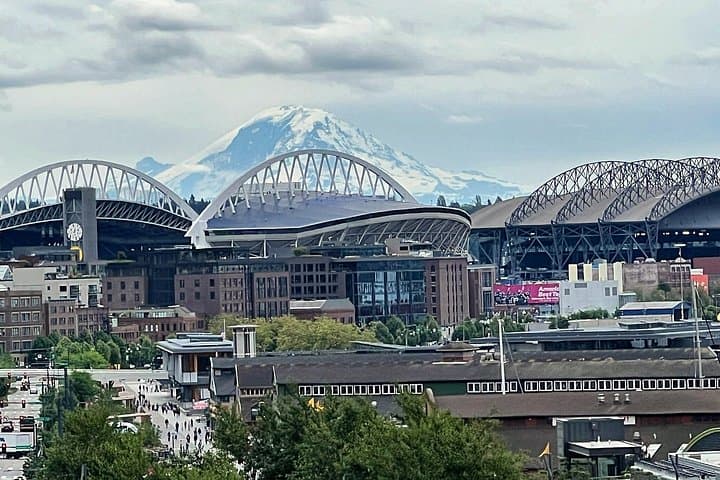
Drive south through Seattle’s stadium district, passing Lumen Field and T-Mobile Park. Learn how large venues are engineered to handle vibration, crowd loads, and seismic forces within one of the city’s primary logistics corridors.
Lumen Field beside T-Mobile Park, home of the Seahawks, Sounders and Mariners.
Stop for panoramic views of Harbor Island and the Port of Seattle while learning how man-made land, dredge fill, and ground stabilization support heavy industrial infrastructure. Your guide explains why ports face unique risks during earthquakes and how engineers mitigate them.
Pickup is available anywhere in the Greater Seattle area: Seattle, Bellevue, Renton and Newcastle, Sea-Tac Airport and the airport hotels, and the Pier 66 and Pier 91 cruise terminals. Your guide will contact you the day before your tour to confirm pickup details and timing. For cruise ship pickups, we coordinate directly based on your ship’s arrival and disembarkation schedule. Please provide a valid mobile phone number at booking so we can reach you on the day of your tour. For cruise groups of 8 or more traveling with luggage, Port Valet luggage transfer is required. We recommend it to every eligible cruise guest, whatever your group size. Port Valet is free; your airline's checked-bag fees still apply. If Port Valet isn't available for your sailing or flight, contact us before booking so we can confirm luggage arrangements.
Excurgo comparison of 505 Viator tours, recalculated daily.
For a full refund, cancel at least 24 hours before the scheduled departure time.
Private Seattle Engineering Tour: Floating Bridge, Locks, Tunnel lasts about 4 hours. The itinerary has 26 stops.
Prices start at $400 per person for this Seattle experience, booked through Viator with the price shown before checkout. That is the per-person price when two book together; a solo traveller pays $800. There is 1 booking option, so the final price depends on the option you choose.
According to the operator’s current schedule, it runs every day, starting at 9:00 AM.
Yes. Cancel at least 1 day before the start for a full refund. Later cancellations are non-refundable.
Yes, pickup is offered. Pickup is available anywhere in the Greater Seattle area: Seattle, Bellevue, Renton and Newcastle, Sea-Tac Airport and the airport hotels, and the Pier 66 and Pier 91 cruise terminals. Your guide will contact you the day before your tour to confirm pickup details and timing. For cruise ship pickups, we coordinate directly based on your ship’s arrival and disembarkation schedule. Please provide a valid mobile phone number at booking so we can reach you on the day of your tour. For cruise groups of 8 or more traveling with luggage, Port Valet luggage transfer is required. We recommend it to every eligible cruise guest, whatever your group size. Port Valet is free; your airline's checked-bag fees still apply. If Port Valet isn't available for your sailing or flight, contact us before booking so we can confirm luggage arrangements. Pickup points include Motel 6, Holiday Inn Express & Suites Seattle South - Tukwila By IHG.
| Tour | Duration | Rating | Price | |
|---|---|---|---|---|
 Private Seattle Engineering Tour: Floating Bridge, Locks, Tunnel | 4 hours | — | $400 | |
 Seattle Locks Cruise | 2 hours | 4.8 (459) | $63 | View |
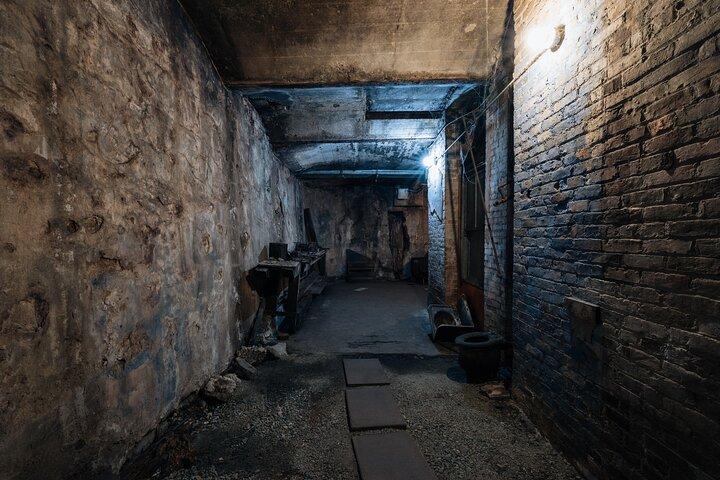 Beneath The Streets Underground History Tour | 1 hour | 4.7 (9,514) | $32 | View |
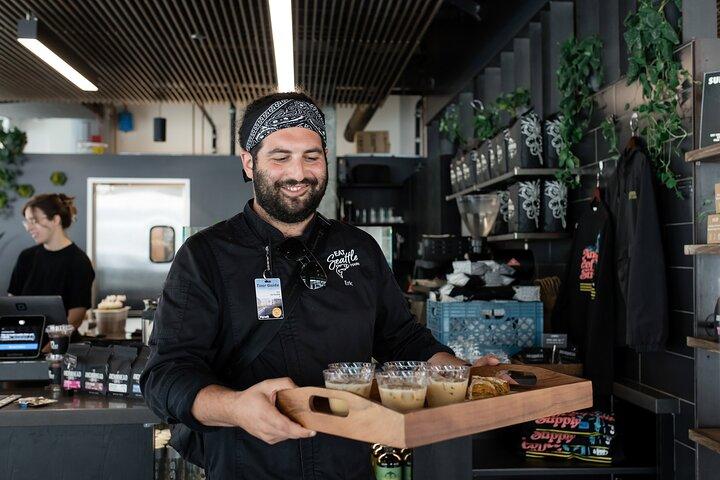 Chef Guided Food Tour of Pike Place Market | 2 hours | 4.9 (4,848) | $75 | View |
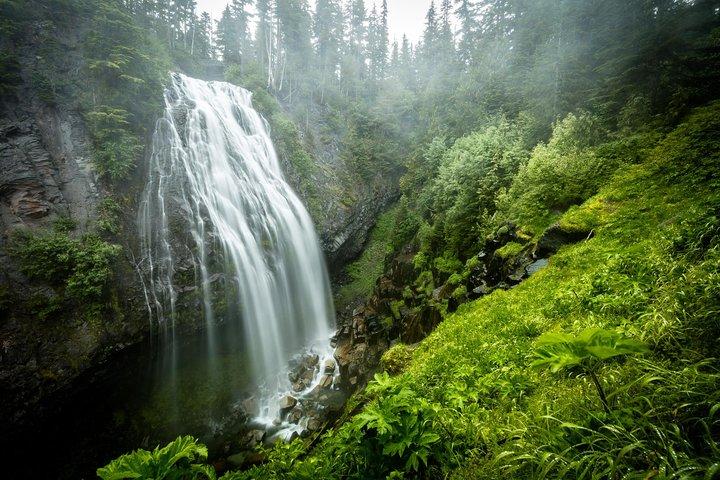 Mt. Rainier National Park Highlights Tour | 10–12 hours | 4.8 (3,714) | $150 | View |
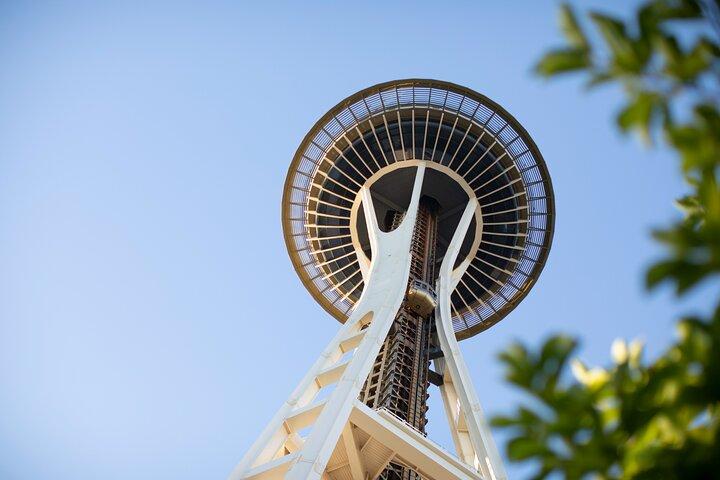 Seattle City Highlights Tour | 3 hours | 4.8 (2,342) | $75 | View |
 Seattle's Original Guided Harbor Cruise | 1 hour | 4.7 (2,286) | $46 | View |
The high bridge to West Seattle, beside the Harbor Island cranes.
Travel north through SODO, passing major industrial and commercial landmarks including Filson headquarters and the Starbucks Center. This segment highlights freight movement, zoning, and how industrial infrastructure continues to shape Seattle’s economy and street layout.
Follow the route of the former Alaskan Way Viaduct while learning why Seattle replaced an elevated highway with a deep-bore tunnel. Discussion covers tunneling beneath a dense city, soil settlement risks, and the engineering challenges posed by the massive tunnel-boring machine.
The Elliott Bay Trail runs past Smith Cove and the Pier 91 cruise terminal.
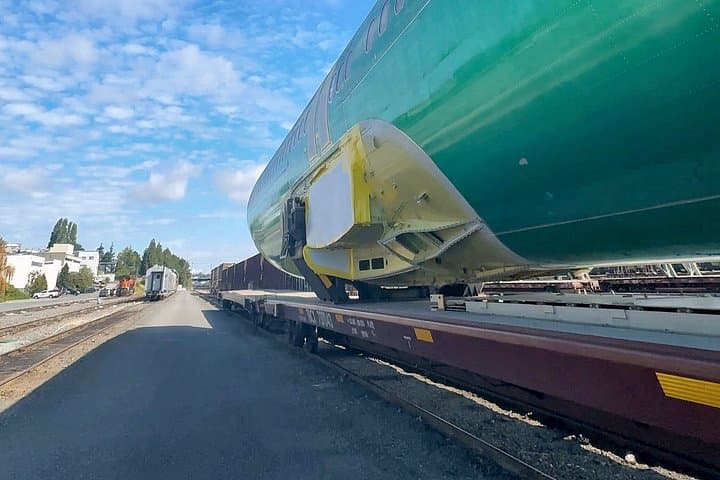
Walk a stretch of the Elliott Bay Trail beside the rail line, where Boeing 737 fuselages built in Wichita sometimes pass on railcars on their way to final assembly in Renton. Trains don’t run on a visitor schedule, so a sighting isn’t guaranteed, but it’s a good look at how freight rail, industry, and the waterfront share a narrow strip of land.
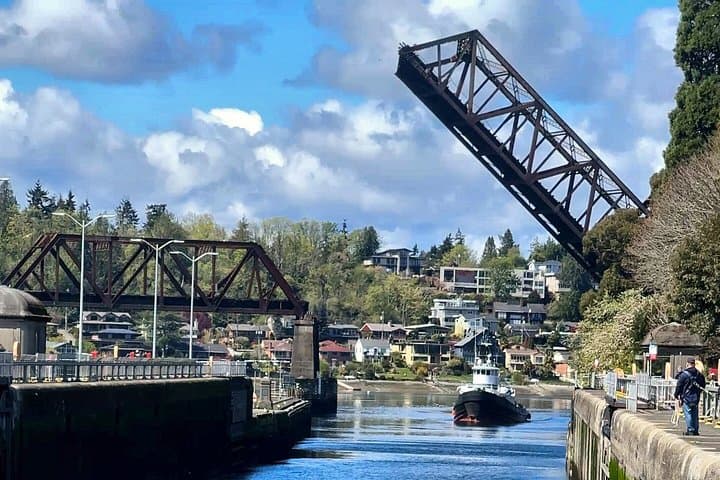
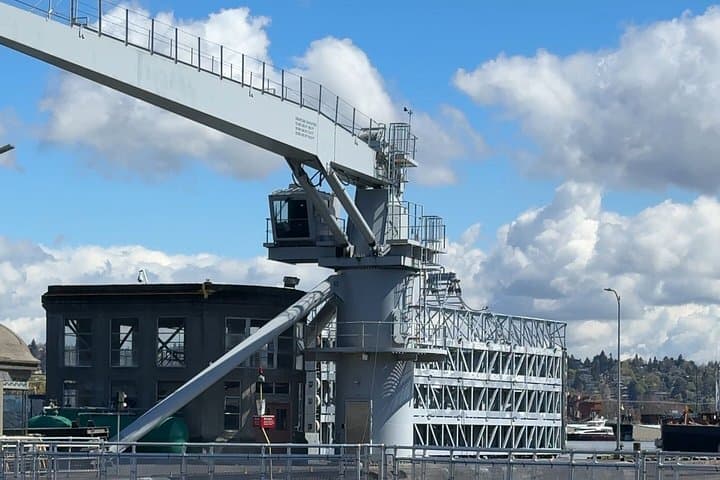
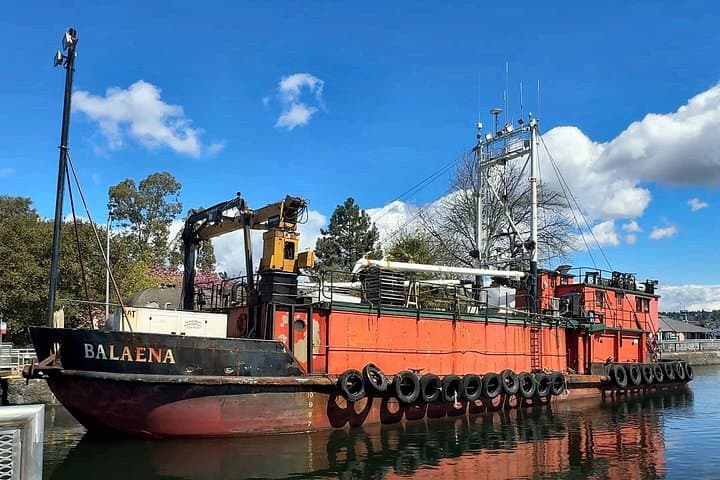
Stop at Fishermen’s Terminal on Salmon Bay, home port for much of the North Pacific fishing fleet. See working fishing boats up close and hear how freshwater moorage behind the Ballard Locks helps protect their hulls between seasons.
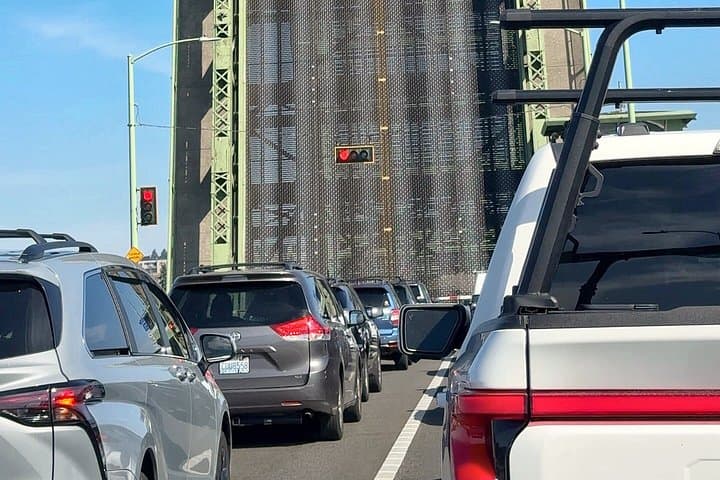
Cross the Ballard Bridge as your guide explains how bascule bridges open for maritime traffic while maintaining road connections. This crossing marks the transition from roadway infrastructure to Seattle’s engineered water systems.
Frankie Feetsplinter, the Thomas Dambo troll, stands out front.
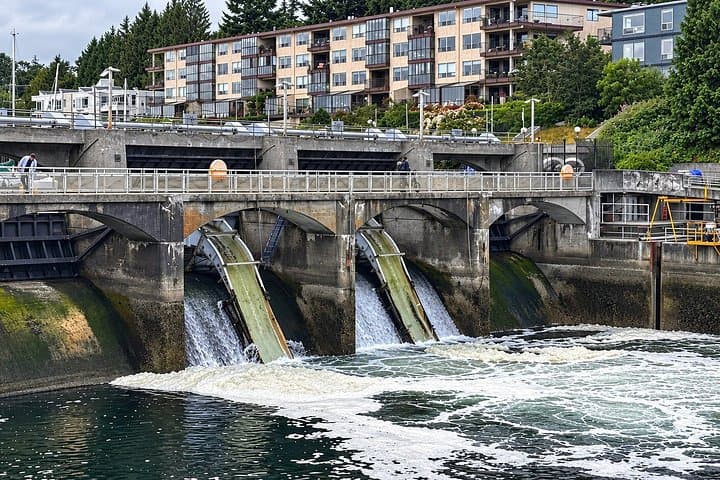
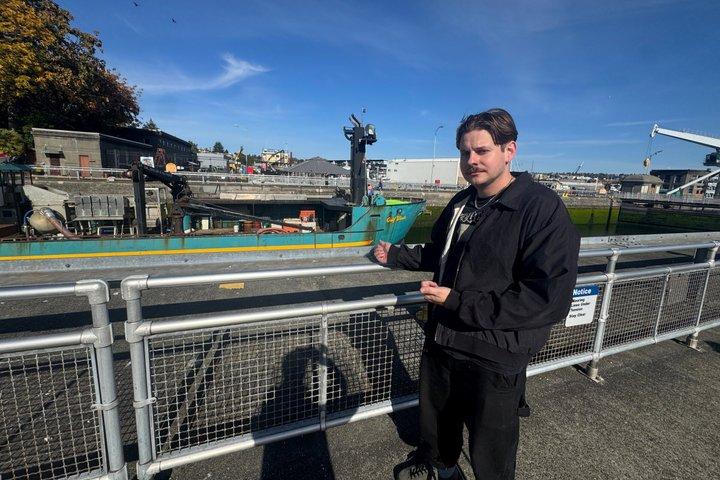
Visit one of Seattle’s most complex active engineering systems controlling water levels between saltwater and freshwater. Learn how the locks support navigation, manage flooding, and enable salmon migration every day.
The Fremont Troll sits under the north end of the Aurora Bridge, high above the ship canal.
This brief stop beneath the Aurora Bridge shows how large transportation infrastructure shapes neighborhoods and public space. It provides a lighter moment before returning to industrial and environmental engineering themes.
Explore a former industrial site transformed through soil remediation and containment into public space. From here, see how Seattle’s skyline reflects the city’s geographic and engineering constraints.
Optional, if your group is interested. Stop near campus to discuss how research institutions contribute to seismic engineering, materials science, and urban infrastructure. The university provides context for how engineering knowledge feeds back into the city.
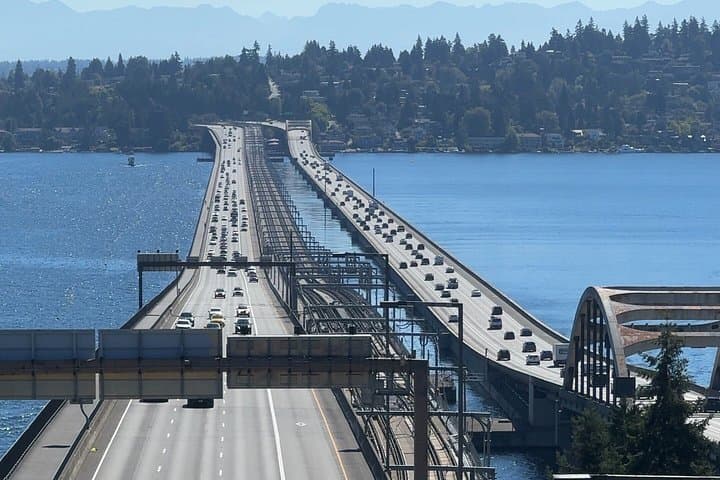
Cross Lake Washington on I-90, one of the world's longest floating bridges. Your guide explains pontoon design, anchoring systems, and how wind, waves, and seismic forces are managed on a highway that floats. Light rail trains have crossed beside you on the Homer M. Hadley Bridge since March 28, 2026, the first trains on a floating bridge.
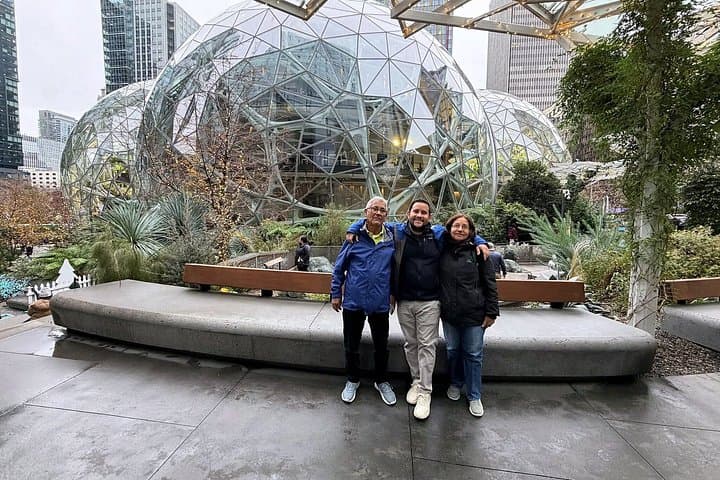
Travel through South Lake Union past the Amazon Spheres. Learn how modern environmental systems, climate control, and glass structures support large-scale workplaces.
Built for the same 1962 World's Fair as the Space Needle, still running between Seattle Center and downtown.
Pass the Columbia Center on the way to the library.
Stop at the Seattle Central Library downtown, where the steel-and-glass diamond grid wrapping the building also helps brace it against wind and earthquakes. It’s a good example of architecture and structural engineering working together on a sloping city block.
The experience is available in EN.
It is a private experience: only your party takes part. Your own group can be up to 13 people on one booking; no other travellers join.
Infants and small children can ride in a pram or stroller For tours of up to four people, guests may bring their own car seat. Infant seats are not provided. Please contact us before booking to confirm the vehicle and infant seating arrangement.
Yes, bookings are confirmed instantly.