
Travel guide · Panama
Panama City Travel Guide 2026: Miraflores Tickets, Ship Times, Old Towns and Real Costs
Panama City's financial district from the air Photo: Dronepicr, CC BY 3.0
Panama City is the capital that sits on the Pacific mouth of the Panama Canal, with a 1519 ruin, a restored colonial quarter and a wall of towers on the same bay. The decisions that shape a visit are how to see the canal (locks viewing deck, Atlantic side or a boat transit), what time of day to be at Miraflores, and which one or two day trips justify a full day out. This guide sets out official 2026 ticket prices, the climate month by month and current prices across 871 bookable tours.
Panama City at a glance
| Population | 410,354 city proper; over 2.1 million in the metro area (2023 census) |
|---|---|
| Founded | 15 August 1519 (Panamá Viejo); refounded 1673 on the Casco Viejo peninsula |
| UNESCO | Panamá Viejo + Historic District (Casco Viejo), listed 1997, extended 2003 |
| Canal | 82 km long; opened 1914; Panamanian since 31 December 1999; expanded locks since 2016 |
| Currency | Balboa, fixed 1:1 to the US dollar; US notes used |
| Climate | Hot all year (average highs 31–33.4 °C); dry December–April, wet May–November |
| Main airport | Tocumen (PTY), Copa Airlines' hub, linked to the metro since 2023 |
Panama City works as two trips in one: a compact historic city with two old towns and a museum quarter, and a base for the canal and the forests and islands around it. Tocumen airport is Copa Airlines' hub, and since 2026 Copa's free stopover allows up to 15 days in Panama on one leg of the ticket, so a stop of two or three days costs no extra airfare.
Panama City in pictures
Tap a photo to enlarge it. Photos: Ivo Kruusamägi, MusikAnimal, Gualberto107, user:ArnoldReinhold, ImagePerson — Wikimedia Commons.
How should you see the Panama Canal: Miraflores, Agua Clara or a boat transit?
Miraflores is the right first choice for almost everyone
The Miraflores Visitor Center is run by the canal itself and sits beside a two-step flight of locks on the Pacific side. A non-resident adult ticket costs B/.17.22 (the balboa is the US dollar), children 6–12 pay B/.7.22 and under-6s go free. The price covers the viewing deck and a 45-minute 3D IMAX film on the canal's history and operation, narrated by Morgan Freeman.
The ticket office is open daily from 8:00 to 17:00 and the centre until 18:00; plan on about an hour and a half. The deck holds 450 people and its lower platform is wheelchair accessible. Older guides still quote USD 15 or USD 20 for foreign adults — the official price is B/.17.22.
Ships pass in waves: be there in the morning or from mid-afternoon
Ships do not move through Miraflores in a steady stream. Visitor reports describe a morning window that ends somewhere between about 10:00 and 11:30, a lull around midday, and a second window from roughly 14:30–15:00. The canal publishes a daily transit schedule on its visitor site; check it the evening before rather than trusting any fixed rule about which direction moves when.
| Option | Price (non-resident adult) | Time needed | Best for |
|---|---|---|---|
| Miraflores Visitor Center | B/.17.22, film included | About 1.5 hours + transfer | Everyone; first-time visitors |
| Agua Clara Visitor Center (Colón) | B/.10.00 | Most of a day from the city | Seeing the 2016 Neopanamax locks |
| Panama Canal Interactive Center | Free | — | Families, rainy afternoons |
| Partial transit by boat | Typically $165 | About 4–6 hours | Riding through Miraflores and Pedro Miguel |
| Full transit by boat | Up to $220 | Longer than a partial | Canal enthusiasts; adds Gatun Locks |
Agua Clara is for a second canal day, not instead of Miraflores
The Agua Clara Visitor Center on the Atlantic side overlooks the expanded locks that opened in June 2016. It costs B/.10.00 for non-resident adults and opens every day of the year, but the ticket office closes mid-afternoon (15:30 on one official page, 15:15 on another), so leave Panama City early. It pairs naturally with Fort San Lorenzo on organised tours.
A partial transit is worth it if you want to be inside a lock, not look at one
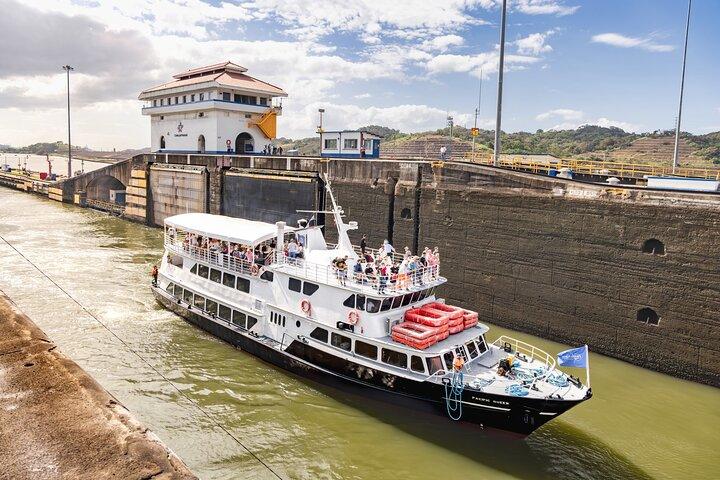
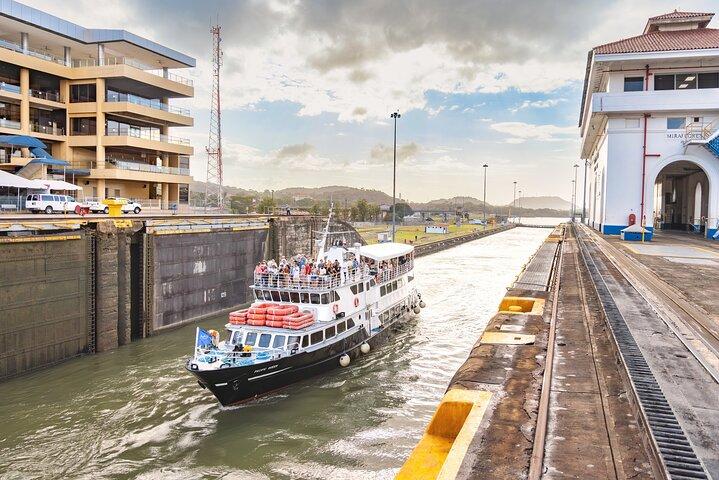
Partial transit boats go through the Miraflores and Pedro Miguel locks, under the Bridge of the Americas and the Centennial Bridge and along the Culebra Cut, leaving from Flamenco Marina on the Amador Causeway. Expect four to six hours, with timings set by the canal schedule; northbound and southbound sailings are sold separately. Prices run from about $150 and typically sit around $165.
Verdict: Do Miraflores on your own with a taxi or as part of a half-day city and canal tour. Book a partial transit only if a whole morning on the water appeals more than another day trip; skip the full transit unless the canal is the reason for the trip.
101 Highly rated city and canal tours tours on Excurgo · from $35, typical $77 per person · rated 4.8 across 7,746 reviews
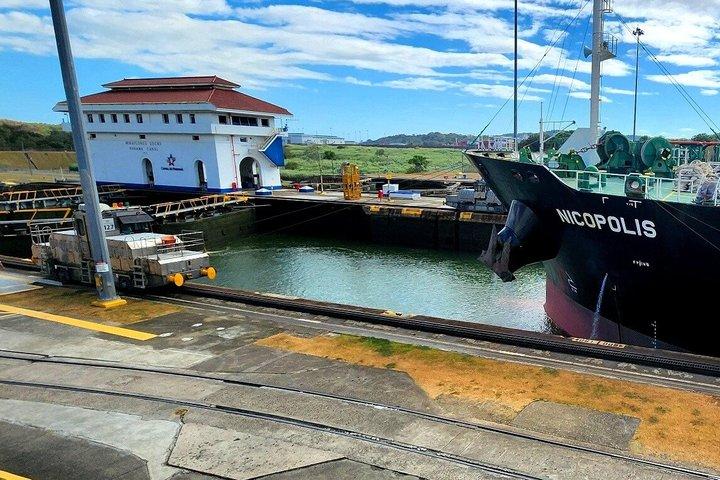

5 Partial transit sailings tours on Excurgo · from $150, typical $165 per person · rated 4.5 across 1,637 reviews
Casco Viejo or Panamá Viejo: which old town matters more?
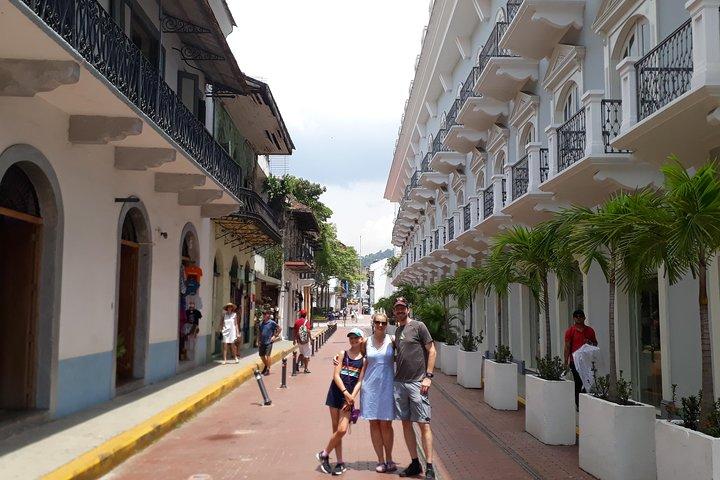
Panama City has two historic centres, listed together by UNESCO. The first city was founded on 15 August 1519 and burned during Henry Morgan's attack in January 1671; its ruins are Panamá Viejo. The replacement was formally founded in 1673 on a peninsula about 8 km away — that is Casco Viejo, also called Casco Antiguo.
| Casco Viejo | Panamá Viejo | |
|---|---|---|
| What it is | Living colonial quarter: churches, plazas, museums, restaurants | Archaeological site of the 1519 city with a museum |
| Ticket | Streets free; Canal Museum USD 15 | USD 17 non-resident adults, USD 5 children |
| Hours | Streets always open; museum Tue–Sun | Tue–Sun 8:30–17:30, last tickets 16:30; closed Monday |
| Time needed | Half a day to a full day | 2–3 hours |
| Best for | Everyone | History readers, a climb up the cathedral tower |
The Panamá Viejo ticket includes the archaeological park, the museum, the viewpoint in the old cathedral tower, the monuments and an internal shuttle. The price list on the site changed in October 2024, so guides quoting USD 15 are out of date.
Verdict: Casco Viejo is the one not to miss; give it the best part of a day. Add Panamá Viejo if you have a third day or a free afternoon, but not on a Monday, when it is closed.
When is the best time to visit Panama City?
January to March is the best time: dry, sunny and still hot
Temperature hardly changes: average highs stay between 31 and 33.4 °C in every month. What changes is rain. The dry season runs from December to April, and February is the driest month with about 12 mm; from May the wet season sets in and October brings about 311 mm.
| Month | High °C | Low °C | Rain mm | Verdict |
|---|---|---|---|---|
| January | 32.2 | 21.4 | 24 | Dry season — best |
| February | 32.7 | 21.5 | 12 | Driest month — best |
| March | 33.2 | 21.8 | 14 | Dry and hottest highs |
| April | 33.4 | 22.6 | 71 | Good; rain starts late |
| May | 32.4 | 22.9 | 222 | Wet season begins |
| June | 31.8 | 22.7 | 242 | Wet |
| July | 31.8 | 22.6 | 190 | Wet; whale season starts |
| August | 31.9 | 22.5 | 221 | Wet |
| September | 31.4 | 22.4 | 268 | Very wet |
| October | 31.1 | 22.2 | 311 | Wettest month |
| November | 31.1 | 22.1 | 259 | Very wet; many holidays |
| December | 31.7 | 21.8 | 125 | Dry season returns |
Averages 1991–2020 from the World Meteorological Organization.
Two calendar points matter. November has five public holidays (3, 5, 10 and 28 November, plus 4 November on some calendars), and the days between them often become bridge holidays. On 21 October the Black Christ festival brings tens of thousands of pilgrims to Portobelo — more than 100,000 by one 2025 estimate — so avoid a Portobelo day trip around that date unless the festival is the point.
The wet months have one advantage: humpback whales visit the Pacific coast roughly from June or July to October. Boats must stay at least 250 m from mothers with calves and limit watching to 15 minutes under environment ministry rules.
How do you get from Tocumen airport and get around Panama City?
Since March 2023 the metro reaches Tocumen. From the Aeropuerto station a shuttle train runs every 10 minutes to Corredor Sur on Line 2 at no extra charge; Line 2 then runs to San Miguelito, where it meets Line 1 into the centre. Fares are B/.0.35 on Line 1 and B/.0.50 on Line 2, paid with the rechargeable Metro card or a Visa or Mastercard card; tap out with the same card you tapped in with.
| Route or mode | Cost | Notes |
|---|---|---|
| Metro, airport to centre | B/.0.35–0.50 per line | Shuttle to Corredor Sur, Line 2, change at San Miguelito for Line 1 |
| Metro hours | — | Mon–Fri 5:00–23:00; Sat 5:00–22:00; Sun and holidays 7:00–22:00 |
| Yellow taxi | Zone fares, no meter | Agree the price before you get in; take one from a stand; small notes |
| Ride-hailing apps | Varies | Check the driver's identity and plate before getting in |
| Bus to El Valle de Antón | — | From platform 48, Albrook terminal, about every 30 minutes |
| Metrobus C850 | — | Albrook Mall to the Smithsonian stop on the Amador Causeway |
Taxis are not metered: fares depend on how many zones you cross, so settle the price first, carry small bills, say you do not want a shared ride and sit in the back. Tocumen is roughly 24–32 km from the centre, and no official airport taxi tariff could be confirmed for this guide. Metro Line 3, a monorail to Panamá Oeste, started test runs in April 2026 and is not expected to open before 2028.
Verdict: With light luggage outside rush hour, take the metro from the airport. With heavy bags or a late-night arrival, use a taxi from the official stand or a ride-hailing app and agree or confirm the fare first.
What are the best things to do in Panama City?
Watch ships rise at the Miraflores Locks Must do· Morning or after 14:30
Covered in detail above: B/.17.22, film included, about 90 minutes on site. Arrive for a morning or afternoon transit window.
Walk Casco Viejo and its cathedral Must do· Late afternoon into evening
The colonial quarter was listed by UNESCO in 1997 together with the Salón Bolívar. Its Metropolitan Cathedral was restored and reopened in November 2018, and Pope Francis consecrated the altar in January 2019. A walk along the 2.5 km marine viaduct of the Cinta Costera, built around the peninsula in 2014, gives the classic view across the bay to the towers.
30 Casco Viejo walking tours tours on Excurgo · from $15, typical $56 per person · rated 4.8 across 2,848 reviews
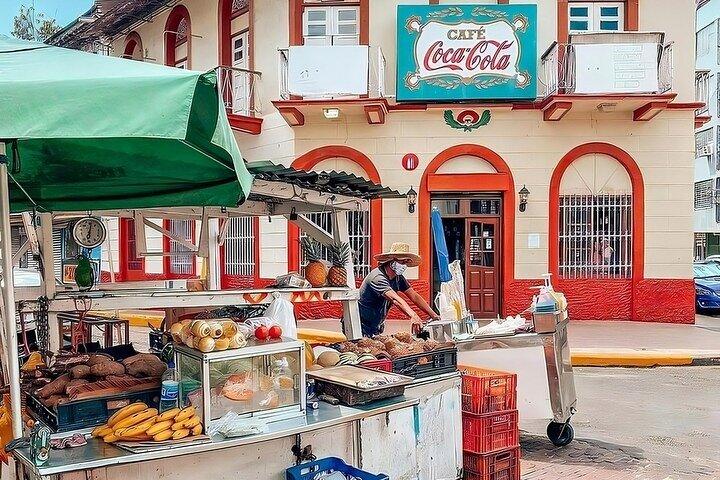
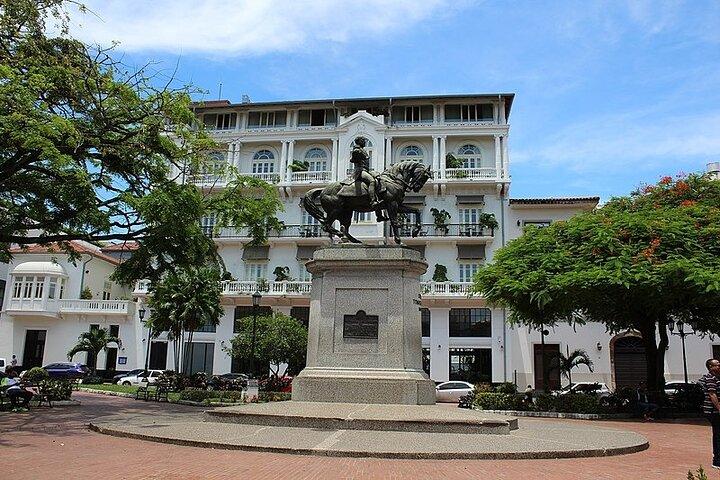
See the golden altar of San José — and ignore the pirate story Worth it· During the Casco Viejo walk
The Iglesia de San José holds a baroque altar of carved mahogany covered in gold leaf. Guides like to say friars disguised it so that Morgan's men would not take it, but studies date the altar to the 18th century, which contradicts the legend. The church itself was built between 1671 and 1677, after the old city fell.
Spend an hour in the Panama Canal Museum Worth it· Tuesday to Sunday
The museum on Plaza Catedral occupies the former Grand Hotel, which the French canal company used as its offices. Non-resident adults pay USD 15, children 6–12 and students USD 7.50; it closes on Mondays and the ticket office shuts at 17:30. The building is itself part of the French chapter of the canal story, which makes it a good companion to the Miraflores film.
Climb the cathedral tower at Panamá Viejo Worth it· Tuesday to Sunday, before 16:30
The original city, the first Spanish city on the Pacific coast of the Americas, survives as ruins, with a museum and a viewpoint in the old cathedral tower. Entry is USD 17 for non-resident adults and includes an internal shuttle between the parts of the site.
Visit the Biomuseo and ride the Amador Causeway Must do· Tuesday to Sunday; museum closes at 15:00
The Biomuseo is the only Frank Gehry building in Latin America. Non-resident adults pay B/.20, children 5–17 B/.12; it opens Tuesday to Sunday and closes at 15:00, so do it before lunch. It stands in Amador at the Pacific entrance of the canal, on the causeway built from rock dug out for the canal, which links Naos, Culebra, Perico and Flamenco islands to the mainland; since February 2024 a 1.56 km viaduct also joins it to the Cinta Costera.
At the far end, the Smithsonian's Punta Culebra Nature Center on Naos costs USD 10 for non-residents. From March to November it opens only on Wednesday to Friday afternoons (13:00–17:00) and on weekends (9:00–17:00); December–February hours differ between official pages.
Eat ceviche at the Mercado de Mariscos Worth it· Before 13:00 or after 14:00
The fish market on the edge of Casco Viejo is a cheap seafood lunch: the stands outside sell ceviche in cups for around USD 3. The market restaurant gets packed at lunchtime and service slows, so go early or late.
12 Food tours tours on Excurgo · from $25, typical $85 per person · rated 4.9 across 603 reviews


Taste Panamanian Geisha coffee Worth it· Any day
Panama's Geisha coffee from the Boquete highlands is the bean behind the specialty-coffee auction records: a natural Geisha sold for USD 803 a pound at the Best of Panama auction in 2018. Tastings in the city cost about $60.
Hike into the rainforest without leaving the city Worth it· Early morning
The Metropolitan Natural Park protects about 230 hectares of tropical forest inside the capital, with trees up to 35 m tall. Go early, before the heat builds. Ancón Hill, which rises behind the waterfront as seen from Casco Antiguo, is the other green escape close to the centre.
Take a boat on Gatun Lake Must do· Half day
Gatun Lake is the reservoir the canal climbs into: an artificial lake 26 m above sea level, made by damming the Chagres River. Boat tours on the lake are a staple of the catalogue, with 37 options typically around $119, and some start as low as $30.
37 Gatun Lake boat tours tours on Excurgo · from $30, typical $119 per person · rated 4.8 across 6,216 reviews

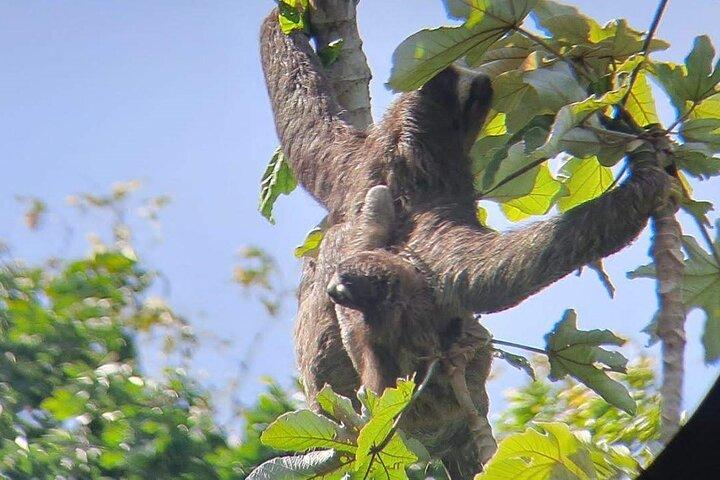

- Worth skipping: the Miraflores deck at midday. The lull between transit windows means you may watch empty chambers.
- Worth skipping: buying a Panama hat as a local souvenir. The hat is Ecuadorian, woven from toquilla straw; UNESCO lists the weaving as Ecuadorian heritage.
- Worth skipping: a full canal transit on a short trip. It adds Gatun Locks but takes longer than the 4–6 hour partial transit, which already covers Miraflores and Pedro Miguel.
Which day trips from Panama City are worth it?
| Day trip | Getting there | Typical tour price | Verdict |
|---|---|---|---|
| Emberá village, Chagres National Park | Road to Lake Alajuela, then motorised dugout up the Chagres; 6–7 hours total | $130 | Best culture day |
| Gatun Lake and canal islands | Road to the lake, then boat | $119 | Easiest nature trip |
| Guna Yala (San Blas) | 42 km Llano–Cartí road, then boat; entry fee USD 20 for foreigners (some sources USD 22) | $155 | Beautiful but long; better with one night |
| El Valle de Antón | About 2 hours to Las Uvas, then about 45 minutes; or bus from Albrook | $180 | Cooler crater town for hikers |
| Agua Clara and Fort San Lorenzo | Road to the Atlantic side | $145 | Second canal day |
| Portobelo and the Caribbean coast | Road to the Caribbean coast | $165 | Forts and beaches; avoid 21 October |
| Taboga Island | Boat or catamaran; check the current timetable | $99 | Quick beach day |
An Emberá village is the best single day trip
Chagres National Park covers 309,000 acres about 40 miles north of the city. Visits usually start at Puerto Corotú on Lake Alajuela and continue by motorised dugout canoe up the Chagres River, followed by a welcome, a walk and a lunch of fish and plantains. Getting into the canoe takes some agility. Prices start around $40.
62 Emberá village day trips tours on Excurgo · from $40, typical $130 per person · rated 4.9 across 4,248 reviews

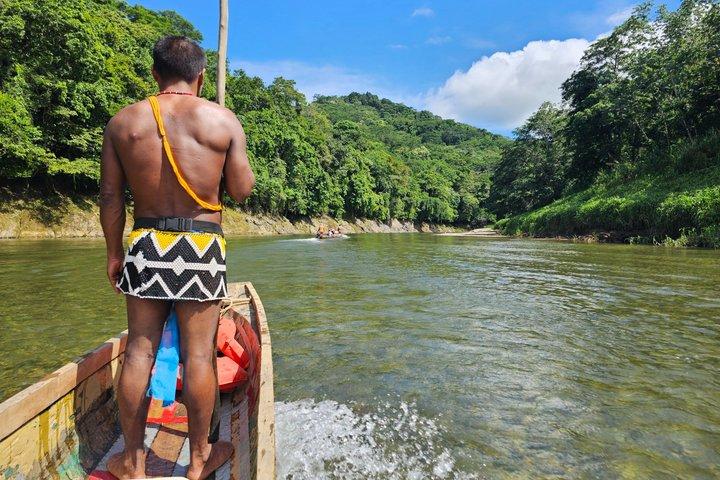
San Blas works better with a night than as a day trip
Guna Yala is an autonomous indigenous territory of about 365 islands governed by the Guna General Congress. Foreigners pay an entry fee (USD 20 on the regional tourism site; other sources say USD 22 plus a small port fee at Cartí). Day tours involve a long road through the Llano–Cartí route and a boat, so most of the day is transport. The CDC recommends yellow fever vaccination for mainland areas east of the Canal Zone, though not for Panama City; check with a travel clinic if you are heading east.
50 San Blas day trips tours on Excurgo · from $109, typical $155 per person · rated 4.5 across 2,971 reviews
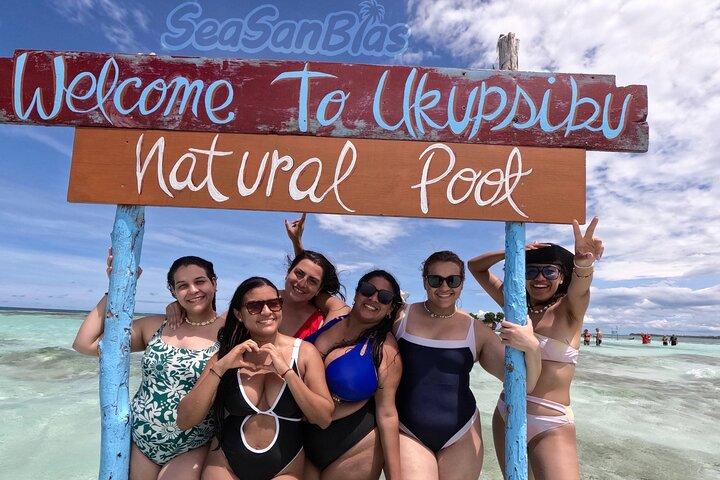

El Valle de Antón suits hikers who want cooler air
El Valle sits in the crater of an extinct volcano, with the India Dormida trail and a market. By road it is about two hours to Las Uvas and about 45 minutes more; buses leave from platform 48 at Albrook terminal roughly every half hour.
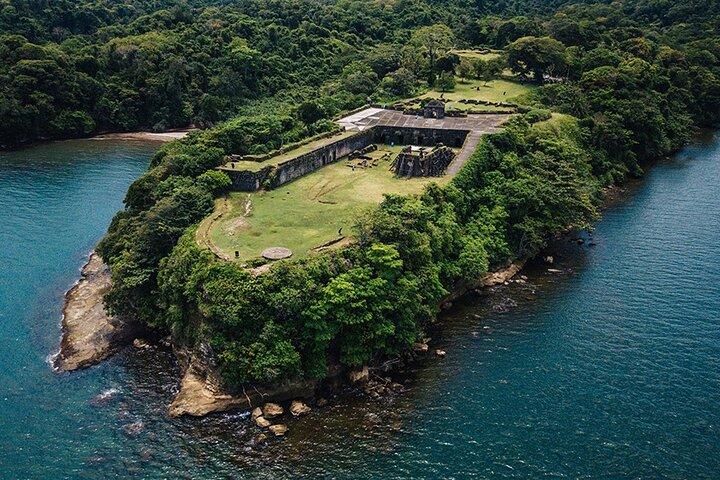
Portobelo's Caribbean forts, with Fort San Lorenzo, have been on UNESCO's List of World Heritage in Danger since 2012, when UNESCO cited deterioration and lack of maintenance — expect weathered ruins rather than restored monuments.
16 Agua Clara and Fort San Lorenzo tours tours on Excurgo · from $45, typical $145 per person · rated 4.8 across 2,081 reviews

Verdict: With one spare day, choose an Emberá village. With two, add Gatun Lake. Save San Blas for a trip with an overnight on the islands, and El Valle for travellers who want to hike.
How many days do you need in Panama City?
1 day (stopover)
Miraflores in the morning window, lunch at the Mercado de Mariscos, Casco Viejo and the Cinta Costera at sunset.
Tickets ≈ B/.17.22 · city and canal tours ≈ $77
2 days
Day one as above. Day two: Biomuseo and the Amador Causeway in the morning, Panamá Viejo and the Canal Museum in the afternoon (Tuesday to Sunday).
Tickets ≈ B/.17.22 + B/.20 + USD 17 + USD 15
3–4 days
Add an Emberá village or Gatun Lake, and either a partial transit or the Atlantic side with Agua Clara.
Day trips ≈ $130 · Gatun ≈ $119 · transit ≈ $165
Mondays need planning: Panamá Viejo, the Biomuseo and the Canal Museum are all closed, while Miraflores opens every day. Put the canal and a day trip on Monday.
How much do tours and tickets cost in Panama City?
| Official ticket | Non-resident adult | Child |
|---|---|---|
| Miraflores Visitor Center | B/.17.22 | B/.7.22 (6–12); under 6 free |
| Agua Clara Visitor Center | B/.10.00 | B/.5.00 (6–12) |
| Panamá Viejo | USD 17 | USD 5; under 6 free |
| Biomuseo | B/.20.00 | B/.12.00 (5–17) |
| Panama Canal Museum | USD 15 | USD 7.50 (6–12) |
| Punta Culebra (Smithsonian) | USD 10 | USD 3 (under 13) |
| Panama Canal Interactive Center | Free | Free |
| Activity | Tours | From | Typical | Top end |
|---|---|---|---|---|
| City and canal tours | 101 | $35 | $77 | $169 |
| Partial transit | 5 | $150 | $165 | $220 |
| Casco Viejo walking tours | 30 | $15 | $56 | $115 |
| Gatun Lake boat tours | 37 | $30 | $119 | $200 |
| Emberá village day trips | 62 | $40 | $130 | $250 |
| San Blas day trips | 50 | $109 | $155 | $459 |
| Food tours | 12 | $25 | $85 | $165 |
| Cooking classes | 4 | $70 | $95 | $95 |
| Coffee and chocolate tastings | 14 | $19 | $60 | $164 |
| Bike tours | 9 | $22 | $40 | $55 |
| El Valle de Antón day trips | 27 | $110 | $180 | $205 |
| Portobelo and the Caribbean coast | 19 | $99 | $165 | $245 |
| Taboga Island trips | 5 | $65 | $99 | $170 |
Tour prices are per person from the current catalogue and update automatically; 95% of tours offer free cancellation. Hotel stays carry 10% tax instead of the standard 7%.
Balboas and dollars are interchangeable at par, so the B/. prices above are dollar prices. For tour prices, the gap between the cheapest city-and-canal tour ($35) and a typical one ($77) is wide, so check whether the Miraflores ticket is included before comparing.
Where should you stay in Panama City?
Casco Viejo for a short stay; near a Line 1 station for longer ones
For one or two nights, Casco Viejo puts the cathedral, the Canal Museum, the fish market and the Cinta Costera within walking distance. For longer stays or early tour pickups, a hotel near a Line 1 metro station keeps both Albrook (the Line 1 terminus) and the airport (via San Miguelito) within reach.
Several neighbourhoods on Canada's caution list — Santa Ana, El Chorrillo, Calidonia, Curundú — are central, so check where a cheap booking actually sits before you commit. Accommodation is taxed at 10%, not the standard 7%.
Is Panama City safe, and what about money, entry and health?
Safe with normal city caution, but know which areas to avoid
The US State Department rates Panama at Level 2, 'exercise increased caution', because of crime, and Canada asks for a high degree of caution in Colón Province and in Panama City neighbourhoods including Calidonia, Curundú, El Chorrillo, Panama Viejo, Río Abajo, Santa Ana and 24 de Diciembre, plus the bus stations and shopping streets of Avenida Central. Both advise against travel to the remote border region with Colombia.
Pickpocketing and bag snatching are common, and express kidnappings — victims held briefly and taken to ATMs — are reported. Counterfeit USD 50 and USD 100 notes circulate, so carry small bills.
| Currency | Balboa = US dollar; US notes, balboa coins |
|---|---|
| Tipping | About 10% in restaurants; check whether service is already on the bill; taxis not usually tipped |
| Tax | 7% ITBMS; 10% on hotels and alcohol |
| Entry (UK) | Visa-free up to 3 months; passport valid 6 months beyond departure; possible proof of onward travel and USD 1,000 or a credit card |
| Entry (Canada) | Up to 180 days; passport valid 3 months beyond departure; USD 500 or a credit card |
| Entry stamp | Make sure you get it; fines apply without it |
| Yellow fever | Not recommended for Panama City or the Canal Zone; recommended east of the Canal Zone |
| Malaria | No transmission in Panama City or the Canal Zone |
Entry rules depend on your passport: British visitors get up to 3 months and Canadians up to 180 days, and both may be asked for an onward ticket and proof of funds. Check your own government's page before you fly, and make sure your passport is stamped on arrival; Canada notes a USD 1,000 fine without the stamp.
Mistakes visitors regret in Panama City
- Arriving at Miraflores at noon. Ships come in morning and afternoon waves; check the daily transit schedule first.
- Planning museums for a Monday. Panamá Viejo, the Biomuseo and the Canal Museum are closed; Miraflores is not.
- Leaving the Biomuseo for the afternoon. It closes at 15:00 every day it opens.
- Getting into an unmetered taxi without a price. Fares go by zones; agree first.
- Carrying USD 100 notes. Counterfeits circulate; small bills are safer.
- Treating San Blas as an easy day trip. Most of the day is road and boat; stay a night if you can.
- Booking Portobelo for 21 October by accident. The Black Christ festival fills the town with pilgrims.
- Trusting old prices. Miraflores is B/.17.22 and Panamá Viejo USD 17 for non-resident adults, whatever older guides say.
Panama City FAQ
How much does it cost to visit the Miraflores Locks in 2026?
Non-resident adults pay B/.17.22 (the balboa equals the US dollar), children 6–12 pay B/.7.22 and under-6s go free. The ticket includes the viewing deck and a 45-minute IMAX film about the canal. The ticket office is open daily from 8:00 to 17:00.
What time do ships pass through the Miraflores Locks?
Transits come in waves rather than continuously. Visitors report a morning window ending around 10:00–11:30 and an afternoon window from about 14:30–15:00, with a lull around midday. The canal's visitor site publishes the day's transit schedule, which is the reliable check.
Is a Panama Canal partial transit worth it?
It is worth it if you want to ride through the locks rather than watch from a deck. Boats pass Miraflores and Pedro Miguel, the Culebra Cut and two bridges in about four to six hours. Most visitors with limited time get enough from Miraflores and spend the saved day on Gatun Lake or an Emberá village.
Miraflores or Agua Clara — which locks should I visit?
Visit Miraflores first: it is close to the city and open until 18:00. Agua Clara, on the Atlantic side, overlooks the larger locks opened in 2016 and costs B/.10.00, but its ticket office closes in mid-afternoon, so it needs an early start and most of a day.
How do I get from Tocumen airport to Panama City?
The metro has served the airport since March 2023: a shuttle train runs every 10 minutes to Corredor Sur on Line 2, and Line 2 connects with Line 1 at San Miguelito. Fares are B/.0.35–0.50 per line, payable with a Metro card or a Visa or Mastercard card. Taxis use zone fares without meters, so agree the price before setting off.
When is the rainy season in Panama City?
The wet season runs from May to November, with October the wettest month at about 311 mm. The dry season runs from December to April; February averages about 12 mm. Average highs stay between 31 and 33.4 °C all year.
Do I need cash in Panama City?
The US dollar is the paper currency; Panama's balboa exists only as coins at the same value. Carry small notes for taxis and markets, and avoid USD 50 and USD 100 notes, which are counterfeited.
Is Casco Viejo safe?
Casco Viejo is the main visitor area, but Canada's travel advice lists several central neighbourhoods for a high degree of caution, including Santa Ana and El Chorrillo, and warns of pickpocketing and bag snatching. Keep valuables out of sight and use registered taxis or ride-hailing at night.
Can I do San Blas as a day trip from Panama City?
Yes, day tours exist, but they spend much of the day on the Llano–Cartí road and on a boat. Foreigners pay a Guna Yala entry fee (USD 20, with some sources quoting USD 22 plus a port fee). An overnight stay on the islands makes the journey more worthwhile.
Do I need a yellow fever vaccine for Panama City?
The CDC does not recommend it for travel limited to Panama City, the Canal Zone or areas west of it. It is recommended for travellers going to mainland areas east of the Canal Zone. Separately, Panama asks for a vaccination certificate from travellers arriving from a yellow fever risk country.
Sources and how this guide is made
Written by the Excurgo editorial team with AI assistance. We are a tour comparison site, not a tour operator, and we have not personally tested every tour. Every fact was researched in official and specialist sources and checked against them before publication; prices, ratings and tour counts come from our live catalogue of 871 Panama City tours. Ratings and review counts are collected by Viator and Tripadvisor. Tours are picked by rating weighted by number of reviews (at least 20); we earn a commission from Viator when you book, and it does not affect the order.
- Visit Canal de Panamá (Panama Canal Authority) — Miraflores prices, hours, film (Oct 2026)
- Visit Canal de Panamá — Agua Clara Visitor Center prices and hours (Oct 2026)
- Patronato Panamá Viejo — admission prices (from October 2024) (Oct 2026)
- Patronato Panamá Viejo — opening hours (Oct 2026)
- Biomuseo — tickets and opening hours (Oct 2026)
- Museo del Canal Interoceánico — tickets and hours (Oct 2026)
- UNESCO World Heritage Committee — Panamá Viejo and Historic District decision (Oct 2026)
- Government of Canada — Panama travel advice (safety, taxis, entry) (Oct 2026)
- GOV.UK — Panama entry requirements (Oct 2026)
- US CDC — Panama traveller health (yellow fever, malaria) (Oct 2026)
- Smithsonian Tropical Research Institute — Punta Culebra visitor information (Oct 2026)
- La Estrella de Panamá — Metro hours and fares (Oct 2026)
- Wikipedia (World Meteorological Organization data) — Panama City climate 1991–2020 (Oct 2026)
- Infobae — Copa Airlines stopover extended to 15 days (Oct 2026)
Photos come from Wikimedia Commons under free licences (CC BY, CC BY-SA, CC0 or public domain); the author and licence are shown under each one. They show the places described, not the exact tours listed.
Changelog. 11 October 2026: guide published.
Browse every tour: Panama City