Asia · 2 cities
Things to Do in Uzbekistan
Tashkent and Samarkand in one place: the train that makes the Silk Road cities a comfortable trip, the two months the weather is bearable, and what has changed for visitors recently.
541 tours listed by Viator 2 cities we cover Free cancellation




Where to go
Cities of Uzbekistan
In the order Viator’s own catalogue puts them — most-booked first, not alphabetical.
Full list
All cities, by region
Grouped by region using Viator’s own map of the country. The first block is the places it files directly under Uzbekistan.


Practical info
Know before you book
The things that change a decision — not a retelling of the guidebook.
The high-speed train is how the country works
The Afrosiyob links Tashkent to Samarkand in about two hours and continues to Bukhara. It is comfortable, cheap and sells out days ahead in season. Book it before you book the hotels — the schedule dictates the itinerary.
Samarkand is the image, Bukhara and Khiva the whole city
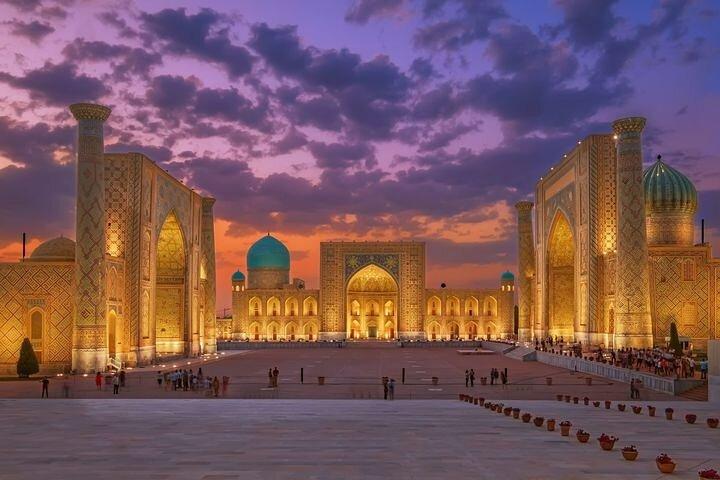
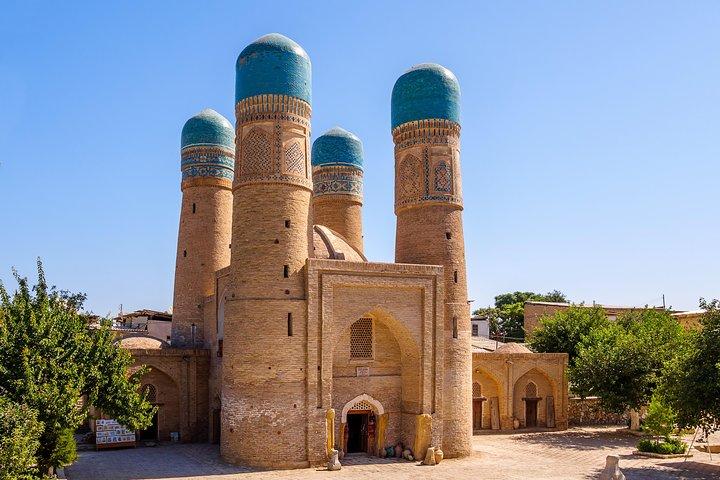
The Registan is the photograph everyone has seen, and Samarkand is otherwise a modern city around it. Bukhara and Khiva preserve entire medieval centres you can walk for hours. A trip that only reaches Samarkand has seen the highlight and missed the texture.
Tashkent’s metro is worth an hour of its own
The stations are decorated marble and mosaic, built as civic showpieces, and photography inside was forbidden until 2018 because they doubled as bomb shelters. It is now allowed, and a ride between the older stations costs almost nothing.
The climate is extreme in both directions
Summer routinely passes 40°C on the plains with no shade among the monuments, and winter drops below freezing. Spring and autumn are not merely nicer here — they are the only comfortable times to walk around a Silk Road city.
Entry and payment both got much easier
Uzbekistan removed visa requirements for many nationalities and cards are now widely accepted in hotels and larger restaurants. ATMs remain patchy outside the main cities, so carry som for bazaars, taxis and smaller places.
Navruz is on 21 March
The Persian new year, celebrated across the country with food, music and public events, and a national holiday. It falls at the start of the best travel season and is a good reason to aim for late March.
When to visit
Uzbekistan through the seasons
What is open, how busy it gets, and when to book ahead.
Spring
Apr–May
- Best for
- The best weather of the year, green landscapes, every monument comfortable.
- Crowds
- Booking tip
- The peak season — book the Afrosiyob and the Samarkand hotels well ahead.
Summer
Jun–Aug
- Best for
- The lowest prices and the mountains near Tashkent, which stay cooler.
- Crowds
- Booking tip
- Over 40°C with no shade among the monuments — sightseeing means dawn and dusk.
Autumn
Sep–Oct
- Best for
- Warm clear days, the melon and grape harvest, the bazaars at their fullest.
- Crowds
- Booking tip
- September and October are the equal of spring and slightly less busy.
Winter
Nov–Mar
- Best for
- Empty monuments, snow on the domes, the cheapest travel of the year.
- Crowds
- Booking tip
- Cold and grey, but the Registan without a single other visitor is a real experience.
Frequently asked
Uzbekistan: common questions
How many days do you need in Uzbekistan?
A week for the classic Silk Road route: Tashkent, Samarkand, Bukhara and Khiva, linked by train and one internal flight. Five days covers Tashkent and Samarkand comfortably but skips the two cities most people end up preferring.
What does a tour in Uzbekistan cost?
Uzbekistan is not in our fifty-city price index, so we avoid quoting a median. It is inexpensive: guided days, food and hotels all cost well below European levels, and the high-speed train between the Silk Road cities is remarkably cheap.
When is the best time to visit?
April to early June and September to October. The summer is genuinely too hot for walking around unshaded monuments, and the winter is cold. Late March catches Navruz at the start of the good weather.
Do you need a visa?
Many nationalities no longer do, following a significant liberalisation, and others use a straightforward e-visa. The list has changed several times in recent years, so check the current position for your passport rather than relying on older advice.
Are tours run in English?
In the main Silk Road cities, yes, and guiding standards are good. Russian remains the second language of the country and Uzbek the first; outside the tourist circuit English thins out quickly, so arrange guides in advance.