Asia · 15 cities
Things to Do in Sri Lanka
Fifteen Sri Lankan destinations in one place: which coast is dry when, why almost everyone travels with a driver, and how the famous train ride actually works.
7,675 tours listed by Viator 15 cities we cover Free cancellation








Full list
All cities, by region
Grouped by region using Viator’s own map of the country. The first block is the places it files directly under Sri Lanka.





Practical info
Know before you book
The things that change a decision — not a retelling of the guidebook.
Two monsoons, on opposite coasts
The southwest is wet from May to September; the east and north are wet from October to January. There is almost always somewhere dry, which is why the right answer to “when should I go” here is really “which coast”. A trip planned without knowing this is how people end up on a rainy beach in August.
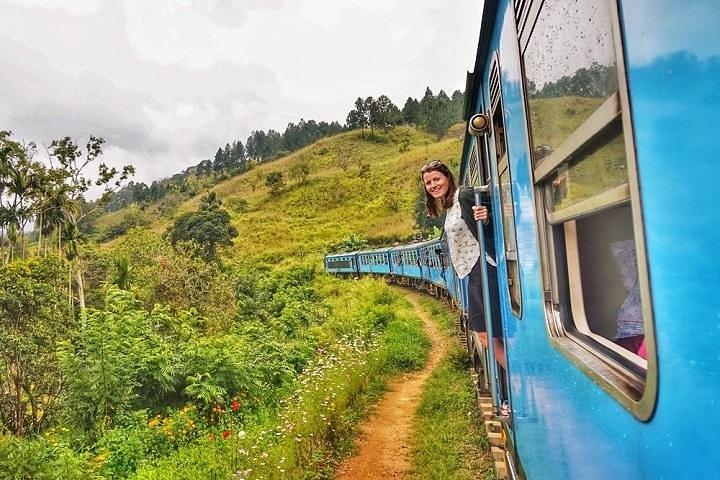
The Kandy to Ella train is the sightseeing
Six to seven hours through tea country and one of the great rail journeys anywhere. Reserved seats sell out weeks ahead; unreserved means standing in a doorway, which many people enjoy more than they expect. Either way, book before you arrive in Kandy.
A car and driver for the whole trip is normal
Distances are short in kilometres and long in hours — eighty kilometres can take three. Most visitors hire a car with a driver for the week, and it costs less than self-drive hire does in Europe. It is also considerably safer than driving here yourself.
Sigiriya is climbed at first light
Twelve hundred steps, no shade, and both the heat and the queues build from mid-morning. The gate opens early and that is the only sensible time to be there. Pidurangala, the rock opposite, is cheaper, quieter and gives you the view of Sigiriya itself.
Safari is a dawn and dusk business
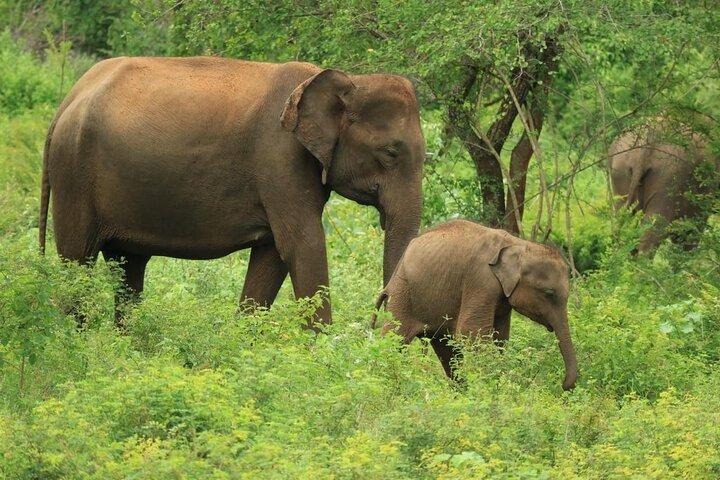
Yala, Udawalawe and Wilpattu run game drives early and late because that is when animals move. Midday drives exist, cost the same and see much less. Book the dawn one and accept the alarm.
Temple etiquette is taken seriously
Shoulders and knees covered at Buddhist sites, shoes and hats off, and never pose with your back to a Buddha image — that one is an actual offence, not a faux pas, and it is enforced.
When to visit
Sri Lanka through the seasons
What is open, how busy it gets, and when to book ahead.
West & south dry
Dec–Mar
- Best for
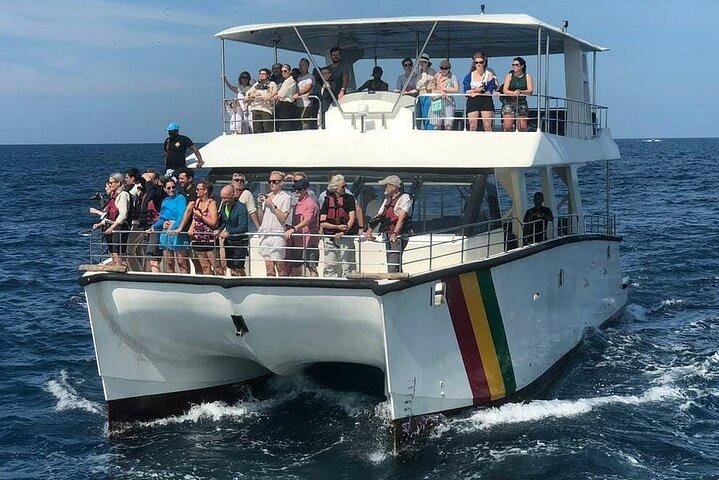
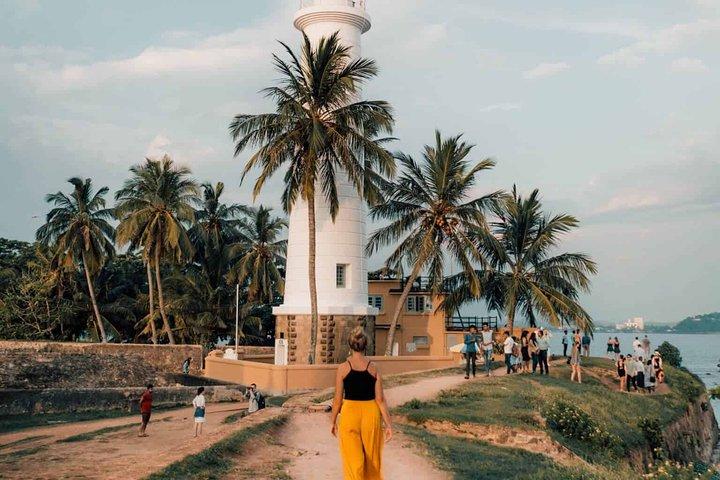
- Galle, the southern beaches, whale watching off Mirissa, the hill country clear.
- Crowds
- Booking tip
- This is high season on the popular coast — book the south over Christmas months ahead.
Inter-monsoon
Apr
- Best for
- The one month both coasts are reasonable, and the hill country at its greenest.
- Crowds
- Booking tip
- Sinhala and Tamil New Year in mid-April closes businesses and fills domestic travel.
East & north dry
May–Sep
- Best for
- Trincomalee, Arugam Bay, Jaffna — the side of the island most visitors never see.
- Crowds
- Booking tip
- The south is wet now: if the plan is Galle, this is the wrong half of the year.
Second inter-monsoon
Oct–Nov
- Best for
- Lowest prices, empty sites, and the cultural triangle still perfectly workable.
- Crowds
- Booking tip
- The wettest, least predictable weeks island-wide — keep the itinerary flexible.
Frequently asked
Sri Lanka: common questions
How many days do you need in Sri Lanka?
Ten to fourteen days for the classic loop: the cultural triangle, Kandy, the hill country by train, a safari and a stretch of coast. The island looks small and drives slowly — a week means choosing two of those five rather than rushing all of them.
When is the best time to visit?
It depends which coast. December to March for the south and west, including Galle and the whale watching. May to September for the east and north. The cultural triangle and the hill country are workable nearly all year, which is why they anchor most itineraries.
Do I need a driver?
It is the normal way to travel here and the one we would recommend. Roads are slow and busy, signage is inconsistent, and a driver for a week costs less than a hire car does in most of Europe. Trains cover the scenic legs; the driver covers everything else.
Is it worth booking the Kandy to Ella train in advance?
Yes for a reserved seat — they open about a month ahead and go quickly in high season. Unreserved tickets are always available on the day and mean standing, often in an open doorway, which is how most of the famous photographs are taken.
What about elephant rides and orphanages?
Riding is widely criticised on welfare grounds and is not something to seek out. A national park game drive shows you wild elephants in numbers no captive attraction can match — Udawalawe in particular — and costs less. The “orphanage” and “sanctuary” labels vary enormously in what they actually mean, so read what the place does rather than what it calls itself.
Do I need a visa for Sri Lanka?
Most visitors apply online for an electronic travel authorisation before arriving. The fee and the process have been changed more than once in recent years, so use the official government site and check the current position rather than an older guide.