Europe · 2 cities
Things to Do in Romania
Bucharest and Brasov in one place: what Bran Castle actually is, how far Transylvania is from the capital, and which mountain road only exists for part of the year.
2,032 tours listed by Viator 2 cities we cover Free cancellation




Where to go
Cities of Romania
In the order Viator’s own catalogue puts them — most-booked first, not alphabetical.
Full list
All cities, by region
Grouped by region using Viator’s own map of the country. The first block is the places it files directly under Romania.


Practical info
Know before you book
The things that change a decision — not a retelling of the guidebook.
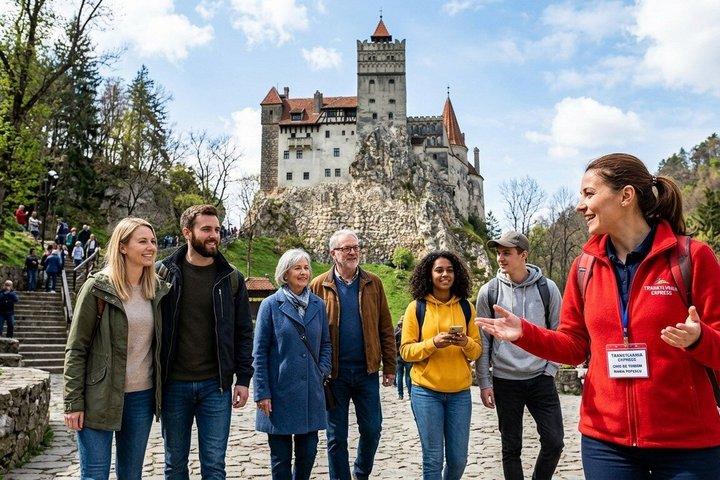
Bran is sold as Dracula’s castle and never was
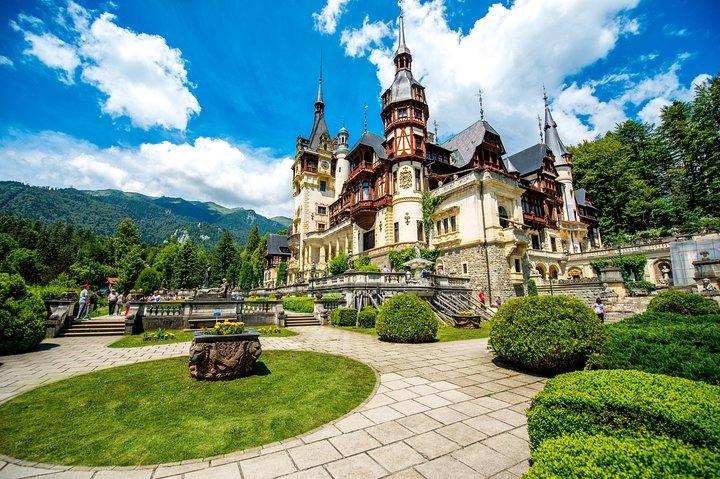
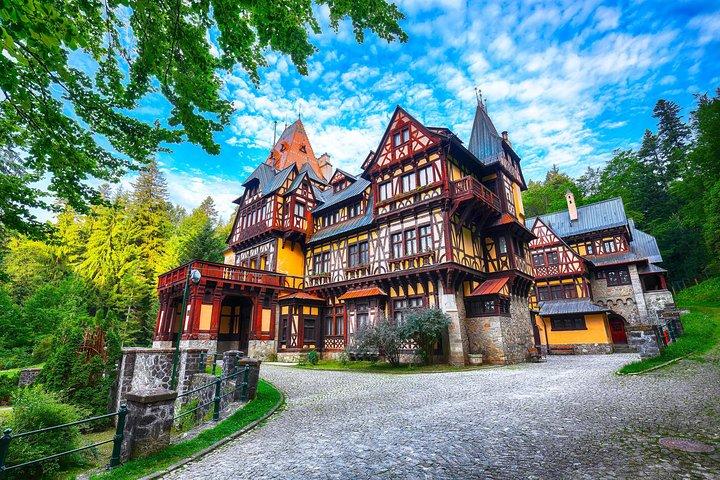
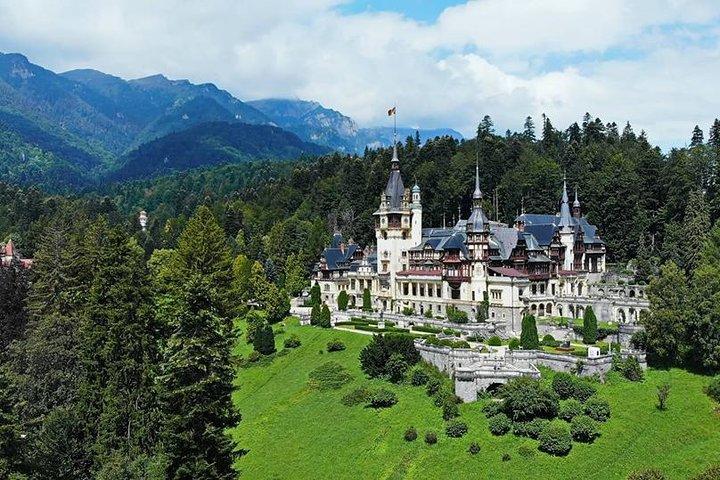
Vlad Țepeș did not live there, and Bram Stoker never visited Romania. It is still a good castle in a fine setting. Peleș, an hour away at Sinaia, is the more impressive building by a distance, and most day trips do both.
Transylvania is a long way from Bucharest
Brasov is two and a half to three hours by train through the mountains, so the standard castle day trip from the capital runs to twelve hours. Basing yourself in Brasov instead turns the same sights into short outings.
The Palace of the Parliament has to be booked with ID
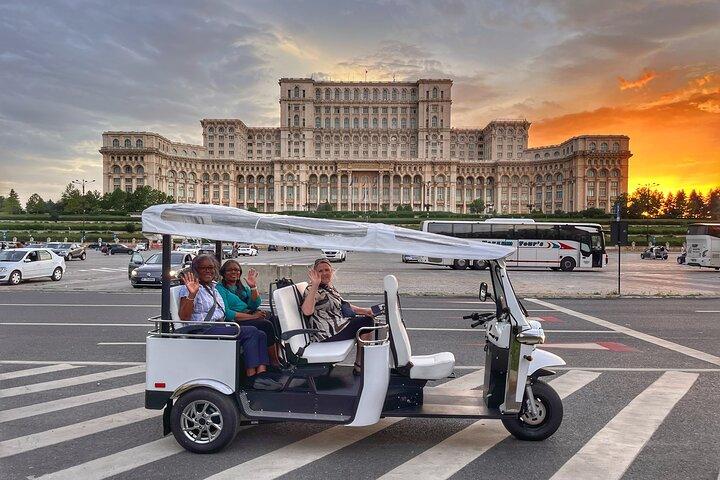
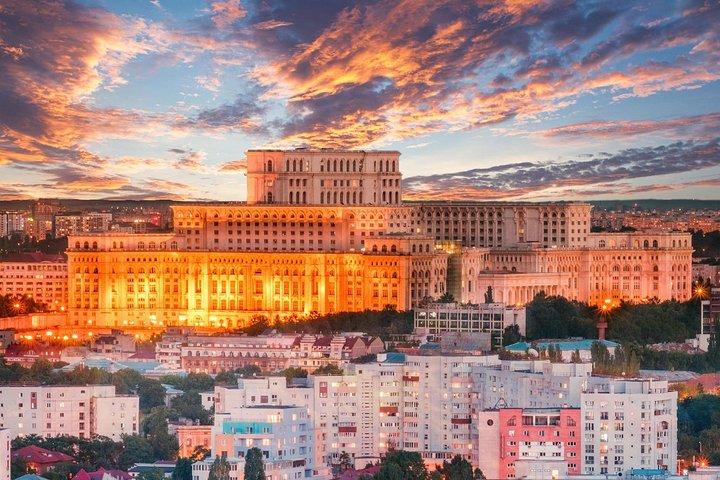
The second-largest administrative building in the world, entered only on a guided tour, with a passport or ID number given at booking and checked at the door. Turning up without a reservation does not work.
The Transfăgărășan is a summer road
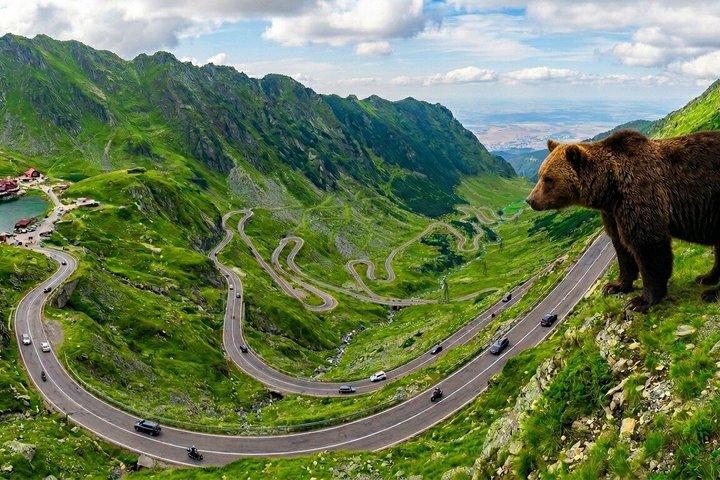
The famous mountain highway usually opens around the start of July and closes again by the end of October, and its exact dates are announced each year. A June booking for it is a booking for a closed road.
The painted monasteries are genuinely remote
Bucovina in the far north-east and the wooden churches of Maramureș are among the most remarkable things in the country and are six or seven hours from Bucharest. They need two or three days of their own, not a day trip.
The currency is the leu
Not the euro, despite EU membership. Cards work well in both cities; rural guesthouses, monasteries and village markets frequently do not, so carry some cash outside the towns.
When to visit
Romania through the seasons
What is open, how busy it gets, and when to book ahead.
Spring
Apr–May
- Best for
- Transylvania green, Bucharest’s parks, castles without queues.
- Crowds
- Booking tip
- The high mountain roads are still shut — plan around the valleys.
Summer
Jun–Aug
- Best for
- Hiking in the Carpathians, the Transfăgărășan open, the Black Sea coast.
- Crowds
- Booking tip
- Bucharest gets very hot in August and empties; the mountains are the better bet.
Autumn
Sep–Oct
- Best for
- Colour in Transylvania, wine harvest, the best all-round month for castles.
- Crowds
- Booking tip
- September keeps the mountain road open and loses the summer crowds.
Winter
Nov–Mar
- Best for
- Snow on the castles, cheap skiing at Poiana Brasov, Christmas markets.
- Crowds
- Booking tip
- Brasov in December is the atmospheric option; mountain passes close.
Frequently asked
Romania: common questions
How many days do you need in Romania?
Two days for Bucharest and three for Transylvania based in Brasov, which puts Bran, Peleș, Sighișoara and the mountains within easy reach. A week is comfortable; ten days lets you add the painted monasteries in the north.
Is Romania cheap to visit?
Among the cheaper countries in the EU for food, transport and guiding. It is not in our fifty-city price index, so we avoid quoting a median, but a private driver and guide for a full day here costs less than a group coach seat in western Europe.
Is Bran Castle worth visiting?
Yes, provided you are not expecting Dracula. It is an attractive fourteenth-century fortress with a good museum inside and a striking approach. Most people find Peleș, on the same day trip, the more memorable building.
When is the best time to visit?
May, June and September. July and August are hot in Bucharest but the best window for the high mountains and the Transfăgărășan. Winter is cold, cheap and good for Brasov and the ski resorts.
Are tours run in English?
Routinely in both cities and at all the main castles. Romania has a large English- speaking guiding sector, and private guides are affordable enough that many visitors take one for the whole Transylvania leg.