Europe · 2 cities
Things to Do in Malta
Valletta and Mellieha in one place: how the whole country fits into a bus network, when the Blue Lagoon is worth the boat, and the dress rule that stops people at a cathedral door.
826 tours listed by Viator 2 cities we cover Free cancellation





Practical info
Know before you book
The things that change a decision — not a retelling of the guidebook.
Everything routes through Valletta
The island is fifteen miles long and the bus network is a hub and spoke with the capital at the centre — which means a cross-island trip often means changing in Valletta. It is cheap and it works; it is just slower than the distance implies.
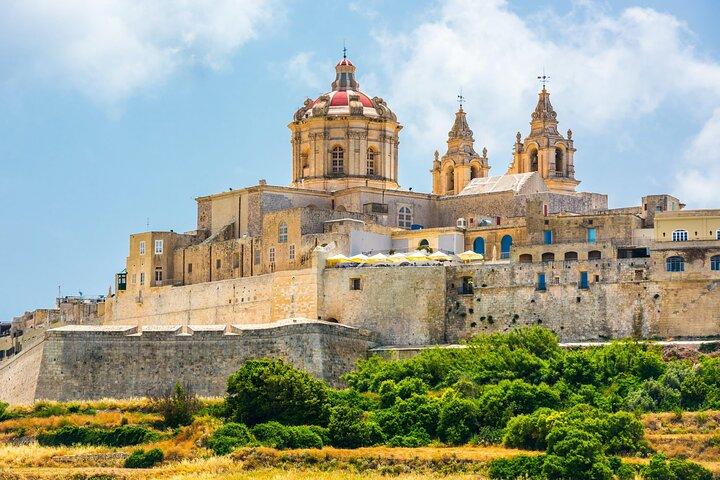
St John’s Co-Cathedral bans heels and bare shoulders
Flat shoes are required to protect the marble tomb floor, and shoulders and knees have to be covered. People are turned away daily. Inside are two Caravaggios, including the largest canvas he ever painted, which is worth changing your shoes for.
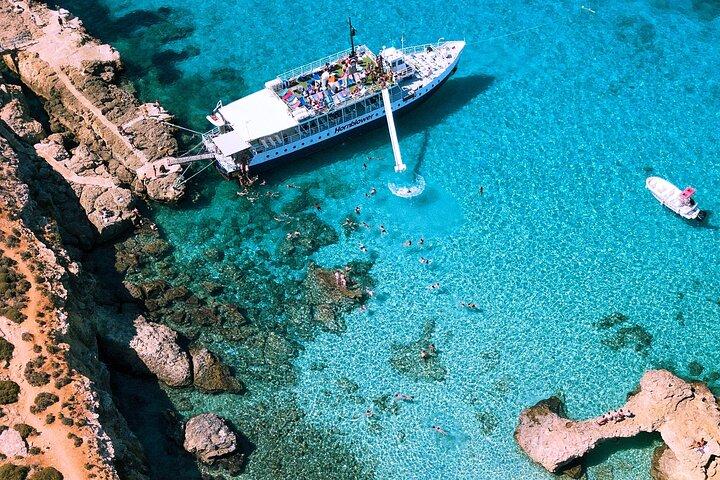
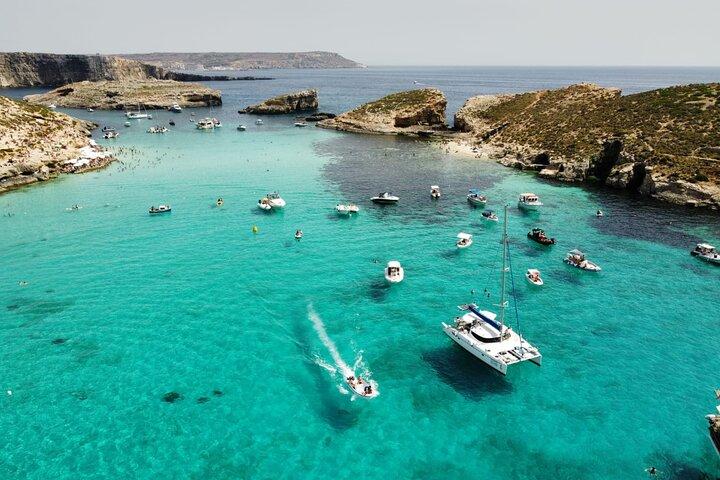
Comino’s Blue Lagoon is best before ten
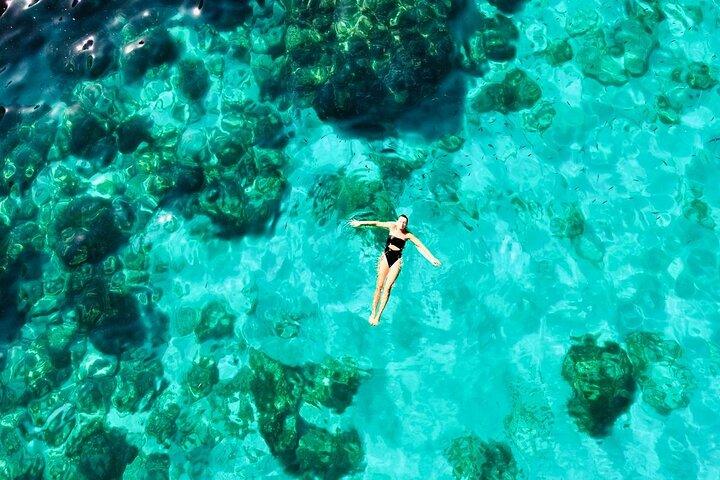
It is a small bay on an almost uninhabited island, and in July and August it takes thousands of people a day. The first boats out of Cirkewwa or Mellieha get an hour of it nearly empty; by midday the water is beautiful and the shore is not.
There is very little shade and very little rain
Malta is stone, sea and sun, with almost no trees and effectively no rain from May to September. Forty-degree days happen. Plan the outdoor sightseeing for the morning and treat the middle of the day as indoor time.
English is an official language
Alongside Maltese, and it is used in shops, signage and government. Driving is on the left. For an English-speaking visitor this is one of the most frictionless countries in the Mediterranean.
Village festas run all summer
From June to September, a different village celebrates its patron saint almost every weekend, with band marches and serious firework displays. They are free, local and unannounced to visitors — ask at your hotel which one is on.
When to visit
Malta through the seasons
What is open, how busy it gets, and when to book ahead.
Spring
Mar–May
- Best for
- Walking the cliffs, the temples, Valletta before the heat, swimming from May.
- Crowds
- Booking tip
- The best sightseeing months — the island is green for the only time in the year.
Summer
Jun–Aug
- Best for
- Swimming, boat trips to Gozo and Comino, festas every weekend.
- Crowds
- Booking tip
- Very hot and shadeless — the Blue Lagoon needs an early boat or it is not worth it.
Autumn
Sep–Nov
- Best for
- The sea at its warmest, diving visibility at its best, crowds gone by October.
- Crowds
- Booking tip
- October is the sweet spot: swimming weather and comfortable sightseeing in one month.
Winter
Dec–Feb
- Best for
- Mild walking weather, empty temples and museums, the lowest prices.
- Crowds
- Booking tip
- It is the wet season by Maltese standards and windy — boats to Comino often do not run.
Frequently asked
Malta: common questions
How many days do you need in Malta?
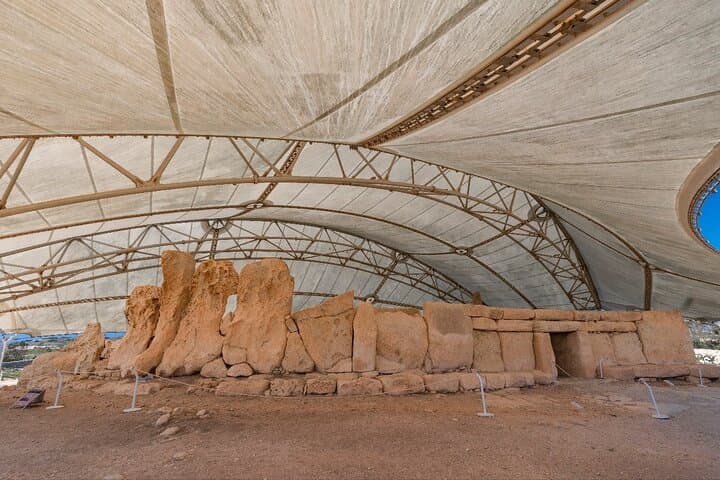
Four days covers it: two for Valletta, the Three Cities and Mdina, one for Gozo and one for the coast or the megalithic temples. A week allows a slower pace and proper time on Gozo, which is quieter and rural in a way the main island is not.
What does a tour in Malta cost?
Malta is not in our fifty-city price index, so we will not quote a median. Boat trips to Gozo and Comino and half-day harbour cruises are the bulk of the catalogue and are competitively priced by Mediterranean standards.
Is Gozo worth a separate day?
Yes. The ferry from Cirkewwa takes twenty-five minutes and Gozo is a slower, greener, more agricultural island with the Ġgantija temples — older than the pyramids — and far better swimming. A night there is better still.
When is the best time to visit?
April, May and October. June to September is hot, shadeless and busy, though it is the only time the sea and the festas are at their best. Winter is mild and quiet, with the caveat that wind cancels the small boats.
Do you need a car in Malta?
No. The bus network reaches everything and tours cover the rest, and the roads are narrow, busy and on the left. Distances are short enough that taxis and rideshares are a reasonable fallback for anything awkward.