Europe · 2 cities
Things to Do in Cyprus
Paphos and Larnaca in one place: how the divided island works in practice, why there is no railway, and the one month you can plausibly ski and swim on the same day.
791 tours listed by Viator 2 cities we cover Free cancellation







Practical info
Know before you book
The things that change a decision — not a retelling of the guidebook.
The island is divided and the line can be crossed
The Republic of Cyprus controls the south; the north is under Turkish Cypriot administration. Crossings are open, the easiest being on foot at Ledra Street in Nicosia, and you need a passport. Hire car insurance frequently does not cover the north — check before driving across.
There is no railway at all
Everything moves by road. Buses between towns are cheap and slow; most visitors hire a car or take tours. Driving is on the left, a legacy of British administration, which catches out arrivals from mainland Europe.
The Paphos mosaics have almost no shade
The Roman villa floors in the archaeological park are among the finest in the Mediterranean and the site is open, flat and unshaded. Go early, take water, and treat a July midday visit as a bad idea rather than a brave one.
Troodos has a real, if small, ski season
The mountains hold snow from January to March and there are a handful of lifts on Mount Olympus. Skiing in the morning and swimming in the afternoon is an actual February possibility here, and about ninety minutes of driving apart.
The swimming season is unusually long
The sea is comfortable from April into November, which is longer than anywhere else in the Mediterranean basin. Inland summer temperatures regularly pass forty degrees, so the coast is where the summer is bearable.
Orthodox Easter moves and changes everything
It rarely falls on the same date as western Easter, and it is the biggest holiday of the year: villages fill, restaurants are booked and some sites close on the day itself. Kataklysmos in June is the other big one, celebrated on the seafront.
When to visit
Cyprus through the seasons
What is open, how busy it gets, and when to book ahead.
Spring
Mar–May
- Best for
- Wildflowers, the archaeological sites in comfortable heat, swimming from April.
- Crowds
- Booking tip
- The best months of the Cypriot year — warm, green and not yet crowded.
Summer
Jun–Aug
- Best for
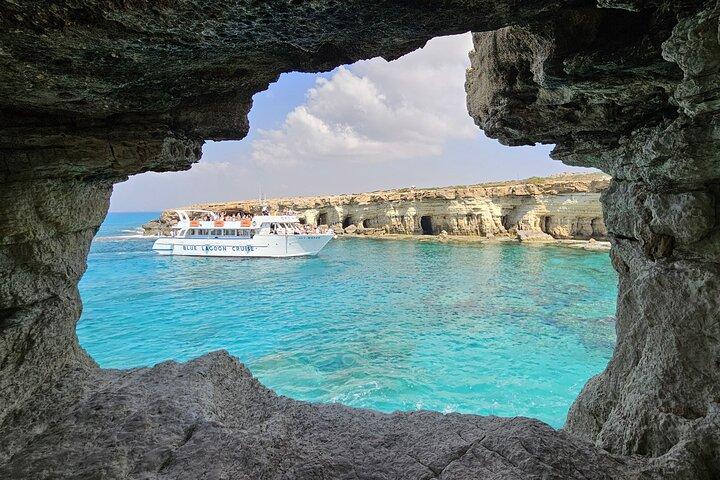
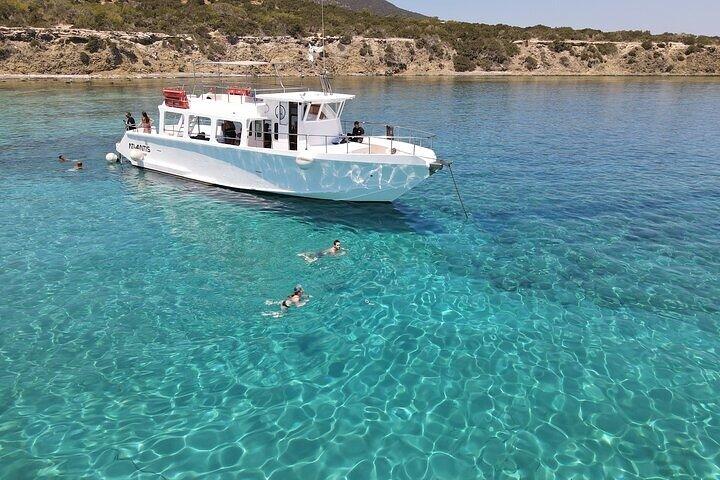
- Beaches, boat trips, and long evenings on the coast.
- Crowds
- Booking tip
- Inland can exceed 40°C — move sightseeing to early morning and keep afternoons at sea.
Autumn
Sep–Nov
- Best for
- Sea at its warmest, sites without the heat, the wine harvest in the hills.
- Crowds
- Booking tip
- October is the quiet favourite: swimming weather with spring-like sightseeing conditions.
Winter
Dec–Feb
- Best for
- Mild coastal walking, snow in Troodos, the cheapest prices of the year.
- Crowds
- Booking tip
- Some resort hotels close for the season — the towns themselves stay open.
Frequently asked
Cyprus: common questions
How many days do you need in Cyprus?
A week is the usual shape: a base on the coast with day trips to Paphos, the Troodos villages and Nicosia. Four days is enough to see the archaeological sites and swim; the island rewards slowing down rather than covering ground.
What does a tour in Cyprus cost?
Cyprus is not in our fifty-city price index, so we avoid quoting a median. It generally sits below Greece and Italy for comparable guided days, with jeep safaris into Troodos and Akamas the most-booked full-day product.
Can you visit northern Cyprus?
Yes. The crossings are open and straightforward with a passport, and day trips to Famagusta and Kyrenia are widely sold. The one practical trap is car insurance: most southern rental policies are void in the north, so take the tour or buy cover at the crossing.
When is the best time to visit?
April, May, September and October. The sea is warm from April to November and the summer inland heat is the only real obstacle. Winter is mild, cheap and fine for sightseeing, with snow in the mountains.
Is English widely spoken?
Very — Cyprus was under British administration until 1960 and English remains in common use, alongside left-hand driving and three-pin plugs. There is effectively no language barrier for an English-speaking visitor.