Americas · 13 cities
Things to Do in Canada
Thirteen Canadian destinations in one place: how much of the country you can realistically cover, which Rockies lake you can no longer drive to, and when the whale and colour seasons actually run.
5,195 tours listed by Viator 13 cities we cover Free cancellation


Where to go
Cities of Canada
In the order Viator’s own catalogue puts them — most-booked first, not alphabetical.


Full list
All cities, by region
Grouped by region using Viator’s own map of the country. The first block is the places it files directly under Canada.


Day trips
Out of the city and back the same day.
ExploreWalking tours
Small groups, old streets, two hours on foot.
ExploreBoats & cruises
Harbour cruises, catamarans, kayaks and sunset sailings.
ExploreFood & drink
Street food, markets and tasting walks with a local guide.
ExplorePhotography
Guided shoots at the right hour, and photographers for hire.
ExploreCity tours
Guided sightseeing on foot, by bus and by open-top tram.
ExploreWine & breweries
Vineyards, cellars, breweries and distilleries.
ExploreCycling
City rides, e-bikes and countryside routes.
ExplorePractical info
Know before you book
The things that change a decision — not a retelling of the guidebook.
The distances are continental
Vancouver to Toronto is a four and a half hour flight — further than London to Cairo. Trying to combine the west coast and the east in a single week means spending it in airports. Pick one side.
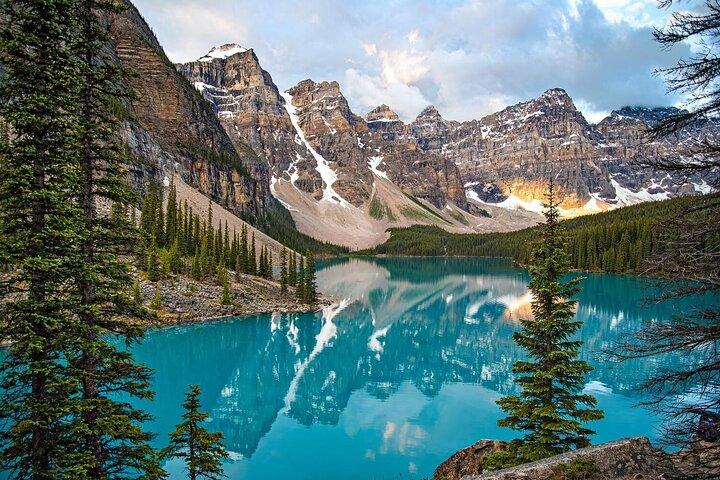
Moraine Lake has no private cars any more
Access is by park shuttle, commercial tour or bicycle only. Lake Louise parking fills before dawn in summer and is then closed. Both lakes need a booked shuttle seat or a tour, plus a national park pass for the vehicle.
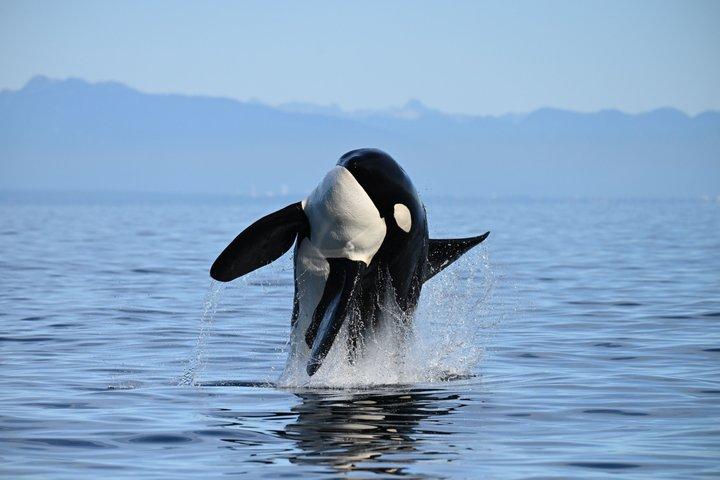
The whale seasons differ by coast
Off Victoria and Vancouver Island, orcas and humpbacks run from about May to October. In the St Lawrence near Quebec, whales including belugas are there from June to October. Outside those windows the boats do not go out.
Autumn colour is a bookable season
Quebec and Ontario turn from late September to mid-October, and it is a genuine travel season with its own prices. The window moves a week or two each year with the weather, so book flexible accommodation rather than a precise date.
Quebec operates in French
Montreal and Quebec City serve visitors in English without difficulty, but the working language is French and signage often is only French. Opening with a bonjour rather than a hello is noticed and appreciated.
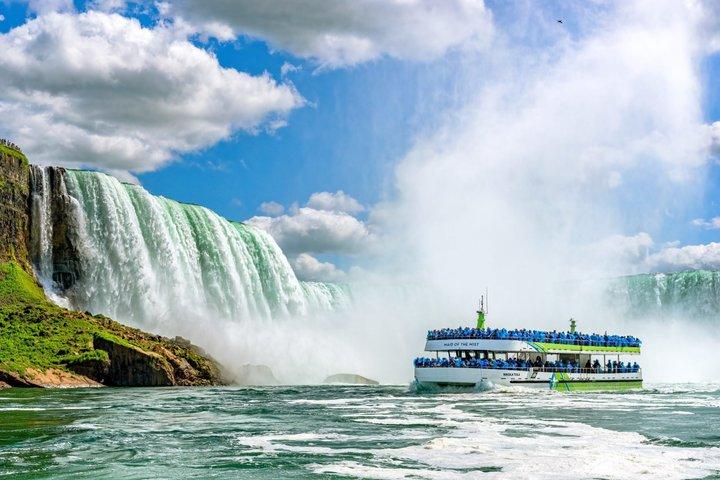
Niagara works all year, including frozen
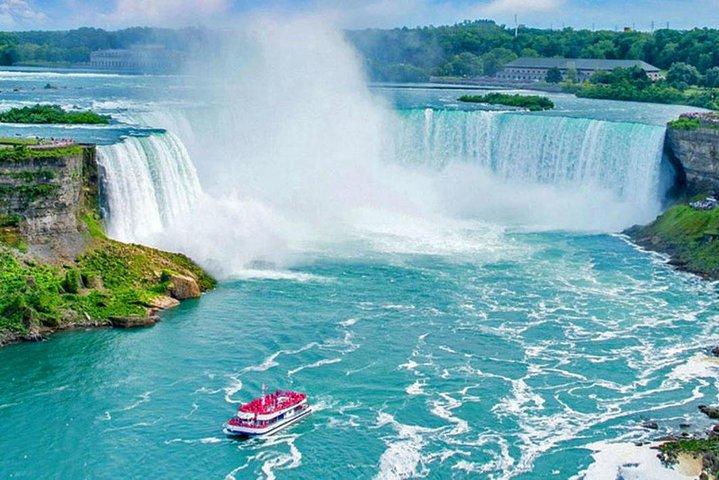
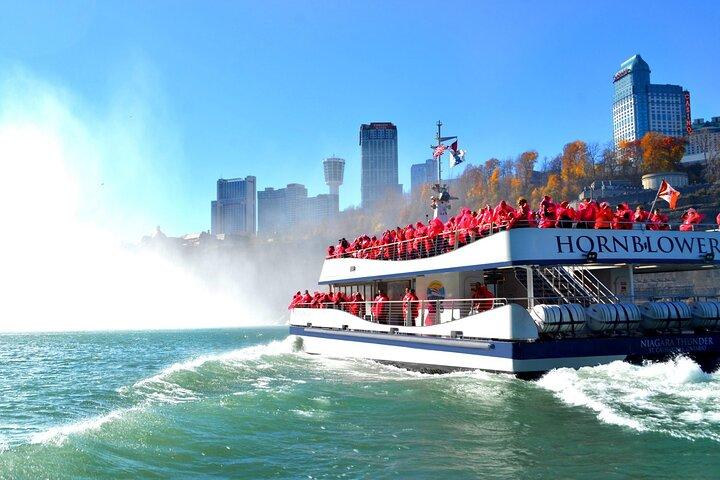
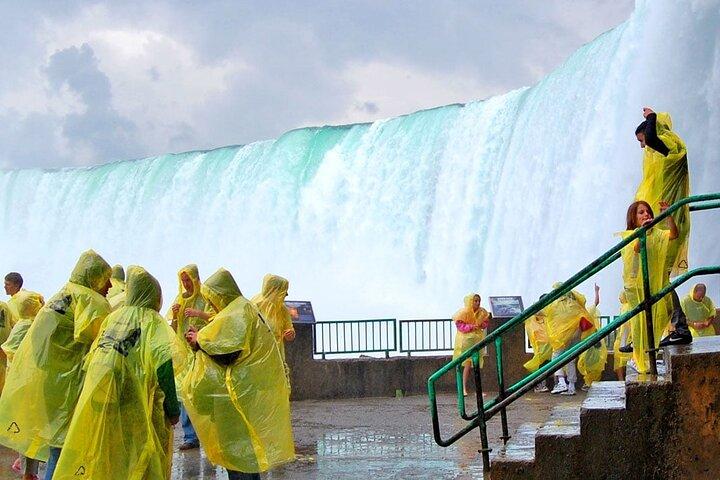
The falls run through the winter and partly ice over at the edges, the illumination continues, and the boat is the only thing that stops. Winter is the cheapest and emptiest time to see them, at the cost of standing in genuine cold.
When to visit
Canada through the seasons
What is open, how busy it gets, and when to book ahead.
Spring
Apr–May
- Best for
- Cities thawing, whale season opening on the west coast, low prices.
- Crowds
- Booking tip
- Rockies roads and trails are still snowbound well into June — plan low, not high.
Summer
Jun–Aug
- Best for
- The Rockies, every national park, whale watching on both coasts, long days.
- Crowds
- Booking tip
- Banff and Jasper are at capacity — shuttles, parking and hotels all need booking ahead.
Autumn
Sep–Oct
- Best for
- Quebec and Ontario colour, the Rockies without crowds, wine country in BC.
- Crowds
- Booking tip
- September is the best month in the mountains: trails open, tour buses gone.
Winter
Nov–Mar
- Best for
- Whistler and Banff skiing, Quebec’s winter carnival, northern lights in Yukon.
- Crowds
- Booking tip
- Many mountain roads and park facilities close — check what is open before you commit.
Frequently asked
Canada: common questions
How many days do you need in Canada?
A week per region. Vancouver, Victoria and Whistler make one trip; the Rockies with Banff, Lake Louise and Jasper another; Toronto, Niagara, Montreal and Quebec City a third. Two of those in ten days is comfortable; three is not.
What does a tour in Canada cost?
Canada is not in our fifty-city price index, so we will not quote a median. Prices broadly track the United States: city walking tours are inexpensive, while Rockies day trips, glacier walks and whale watching sit at the upper end of the catalogue.
When is the best time to visit?
June to September for the Rockies and the coasts; late September to mid-October for eastern autumn colour; December to March for skiing. May and November are the two thin months when much of the outdoors is between seasons.
Do you need a car in the Rockies?
It helps, but less than it used to. Moraine Lake is closed to private vehicles entirely, Lake Louise parking is capped, and Banff runs a decent shuttle network. Guided day trips from Banff or Calgary now cover most of what a car would.
Can you see the northern lights in Canada?
In the north, yes — Yellowknife and Whitehorse are among the most reliable places on earth for it, from late August to April. None of the cities on this page are far enough north to count on it; it is a separate trip.
VancouverTorontoNiagara Falls & AroundMontrealBanffQuebec CityHalifaxVictoriaCalgaryWhistlerOttawaVancouver IslandKelowna