Europe · 2 cities
Things to Do in Bosnia and Herzegovina
Sarajevo and Mostar in one place: how most visitors arrive, what the recent history means for the tours on offer, and why this is the cheapest stop on a Balkan trip.
654 tours listed by Viator 2 cities we cover Free cancellation







Practical info
Know before you book
The things that change a decision — not a retelling of the guidebook.
Mostar is usually a day trip from the Croatian coast
About three hours from Dubrovnik or Split, with a border crossing in each direction. It works, and it is how the great majority of visitors see the town. Staying a night gets you the bridge without the coaches, which is a different place entirely.
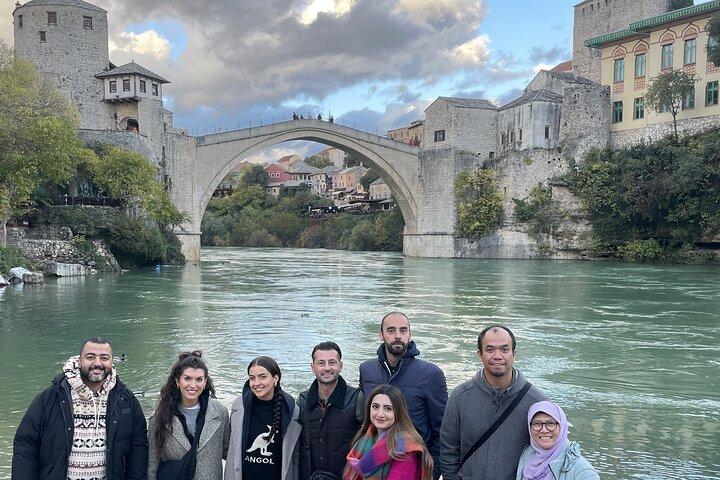
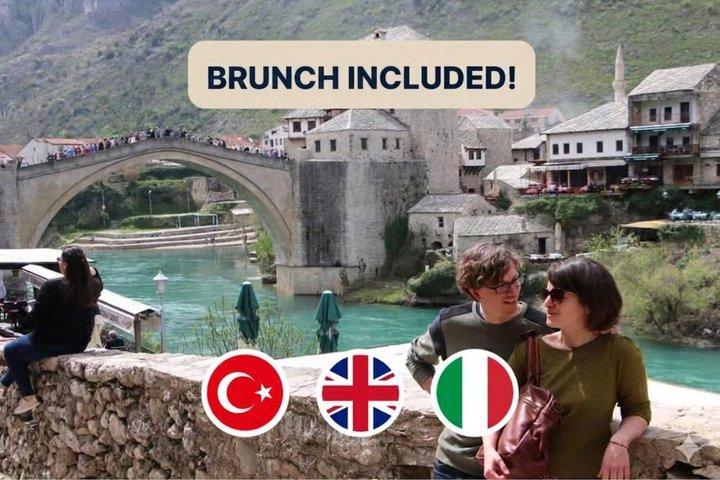
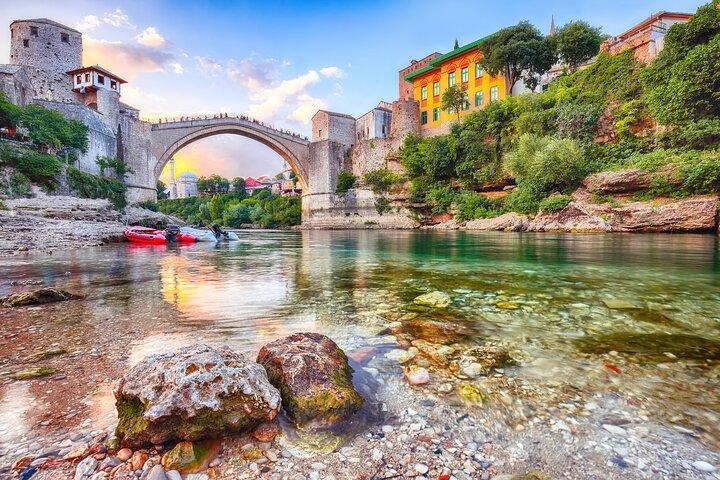
The Mostar bridge is a reconstruction, and that matters
The sixteenth-century original was destroyed in 1993 and rebuilt with the same stone and methods, reopening in 2004. The divers who jump from it are a centuries-old local club, not a tourist act — though they will ask for a contribution first.
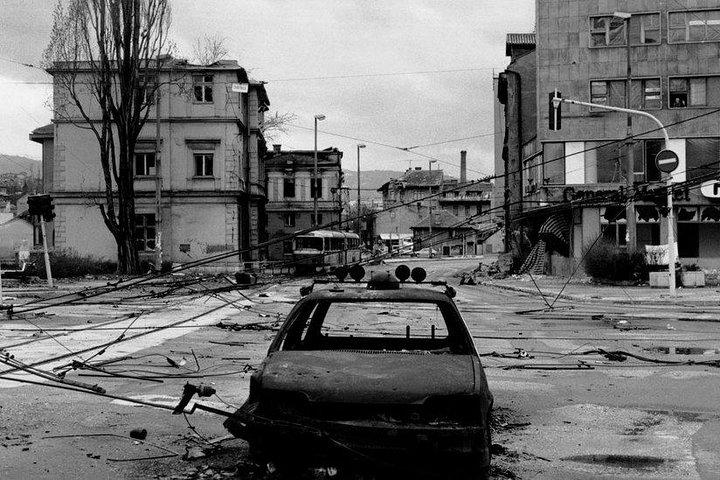
Sarajevo tells its war history directly
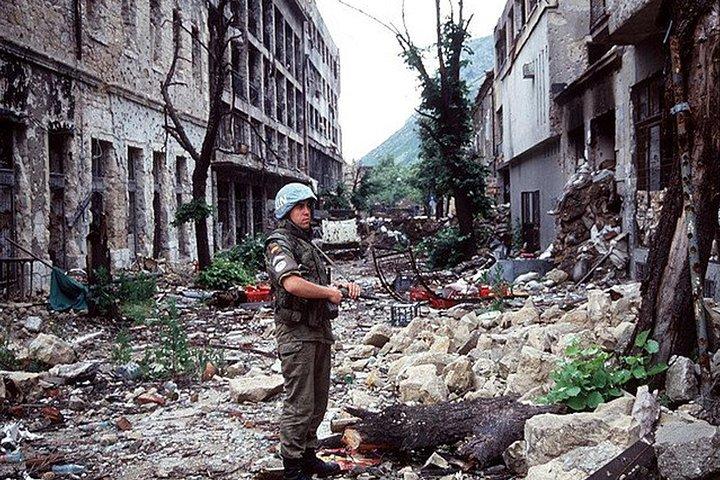
The Tunnel of Hope, the siege museums and the walking tours are often led by people who lived through the 1992–95 siege. It is frank and sometimes hard going, and it is the single most worthwhile thing to do in the city.
The 1984 Olympic sites are still there
The bobsleigh track on Mount Trebević is abandoned, covered in graffiti and reachable by a rebuilt cable car from the city centre. The Sarajevo Film Festival in August is the other date that fills the city.
The convertible mark is pegged to the euro
Euros are accepted in many tourist places, but change comes back in marks at a rate that is rarely in your favour. Cash matters more than in the EU, and cards are patchy outside the two cities.
This is the cheapest eating in the region
Ćevapi with bread and onion is the national dish and costs a few euros anywhere. Sarajevo’s old bazaar is full of it, and the coffee culture — served Ottoman-style with a copper pot — is a genuine reason to sit down.
When to visit
Bosnia and Herzegovina through the seasons
What is open, how busy it gets, and when to book ahead.
Spring
Apr–May
- Best for
- Green hills around Sarajevo, rivers at full flow, Mostar before the coaches.
- Crowds
- Booking tip
- The best walking weather of the year in both cities.
Summer
Jun–Aug
- Best for
- The bridge divers, rafting on the Neretva, the film festival in August.
- Crowds
- Booking tip
- Mostar is very hot and very full between eleven and four — go early or stay over.
Autumn
Sep–Oct
- Best for
- Colour in the hills, comfortable temperatures, day-trip traffic falling away.
- Crowds
- Booking tip
- September is the pick — warm, quieter and everything still running.
Winter
Nov–Mar
- Best for
- Sarajevo under snow, cheap skiing on the Olympic mountains, empty museums.
- Crowds
- Booking tip
- Sarajevo sits in a valley and winter air quality can be poor — worth knowing.
Frequently asked
Bosnia and Herzegovina: common questions
How many days do you need in Bosnia and Herzegovina?
Two days in Sarajevo and one in Mostar covers the essentials properly. Many people give the country a single day trip from Croatia, which sees the bridge and misses Sarajevo — the more interesting of the two by a wide margin.
Is Bosnia cheap to visit?
It is among the cheapest countries in Europe for food, accommodation and guiding. It is not in our fifty-city price index, so we avoid a median figure, but the difference from neighbouring Croatia is immediately obvious on any restaurant bill.
Can you visit Mostar from Dubrovnik or Split?
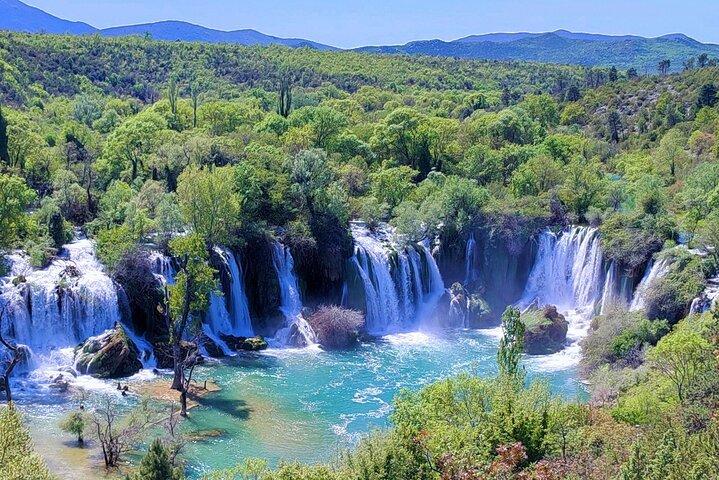
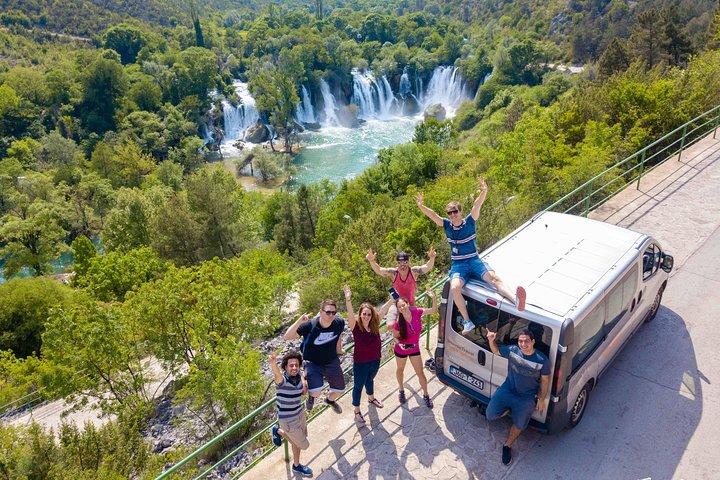
Yes — roughly three hours each way from either, and it is a standard full-day tour, often combined with Kravice waterfalls or Počitelj. Bring a passport: this is a border crossing outside the EU.
When is the best time to visit?
May, June and September. July and August are hot in the Neretva valley and busiest in Mostar. Winter suits Sarajevo, which is a mountain city with cheap skiing twenty minutes away.
Are tours run in English?
Widely, and the war-history guiding in Sarajevo in particular is done in English to a high standard. Many guides there are survivors of the siege, which is what makes those tours worth taking rather than reading about.