Americas · 2 cities
Things to Do in Bolivia
La Paz and Uyuni in one place: what arriving at 4,000 metres feels like, which season gives the mirror photograph, and how to choose a Death Road operator.
640 tours listed by Viator 2 cities we cover Free cancellation




Where to go
Cities of Bolivia
In the order Viator’s own catalogue puts them — most-booked first, not alphabetical.


Practical info
Know before you book
The things that change a decision — not a retelling of the guidebook.
You arrive at 4,050 metres
El Alto, La Paz’s airport, is one of the highest international airports in the world, and the altitude is felt immediately — headaches, breathlessness, poor sleep the first night. Do nothing on the first day. The city centre itself is several hundred metres lower and easier.
The salt flat gives two completely different photographs
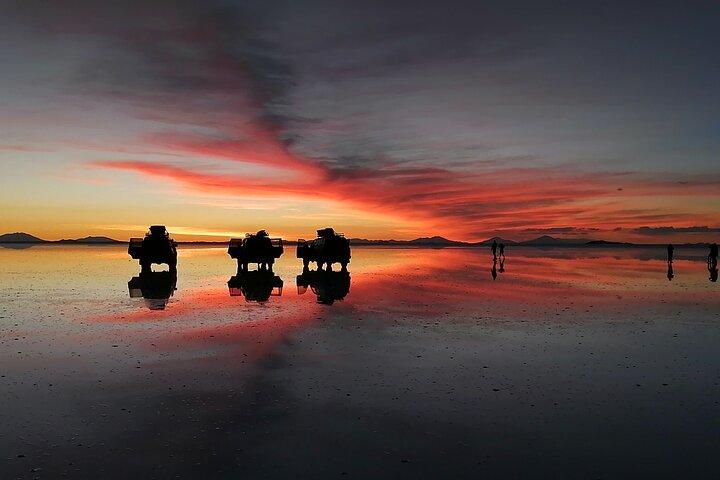
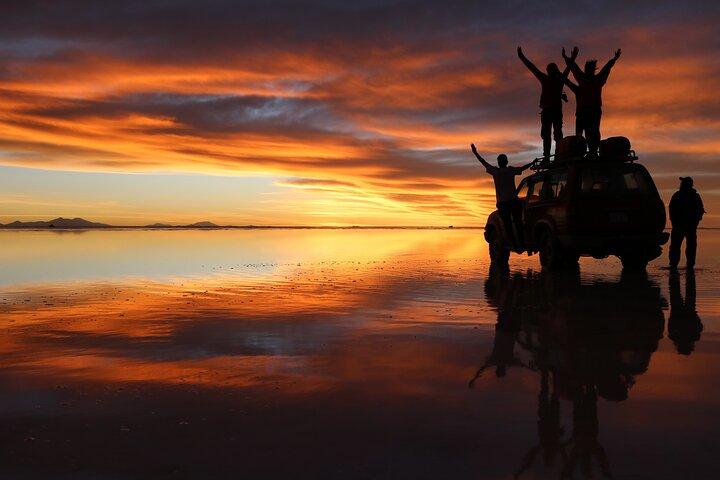
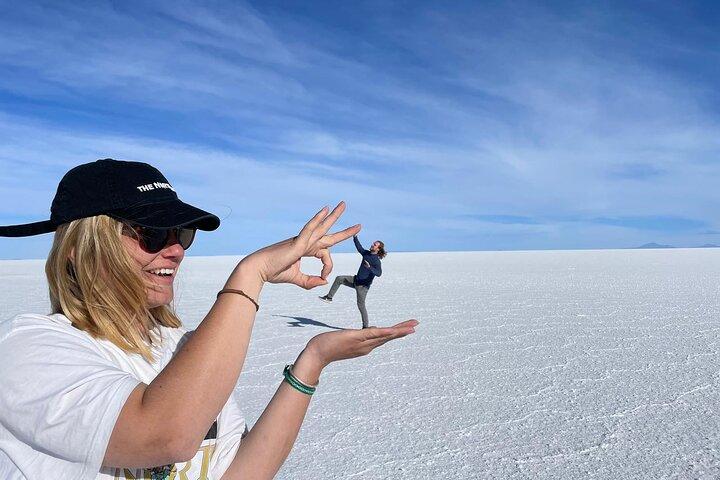
In the wet season, roughly December to April, a thin film of water turns the Salar into a mirror reflecting the sky — the famous image, and the season when parts become undriveable. In the dry season the white hexagonal crust stretches to the horizon and the whole flat is accessible.
The cable car is public transport and the best view
La Paz’s Mi Teleférico is the largest urban cable car network in the world, built because the city is built into a canyon. A ticket costs almost nothing and the ride between La Paz and El Alto is the best view of the city there is.
La Paz to Uyuni: overnight bus or one-hour flight
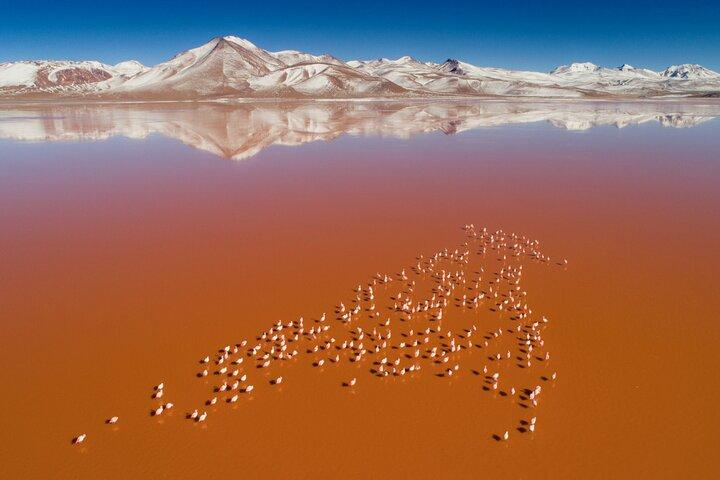
The bus takes about ten hours overnight and is what most backpackers take; the flight is an hour. Uyuni tours run as one, three or four-day loops, with the longer ones crossing the altiplano lagoons towards the Chilean border.
Choose the Death Road operator on equipment
The Yungas road descent drops 3,600 metres in a day and it is the country’s most-booked adventure. The price difference between operators is bike quality, brake maintenance and guide ratio. This is not the place to take the cheapest offer.
Bolivia is the cheapest country in South America
Food, transport and guiding all cost a fraction of Chile or Argentina. It is not in our price index so we will not quote a median, but cash is essential: cards are rarely accepted outside the main La Paz hotels.
When to visit
Bolivia through the seasons
What is open, how busy it gets, and when to book ahead.
Dry season
May–Oct
- Best for
- The full salt flat accessible, clear altiplano skies, reliable roads.
- Crowds
- Booking tip
- Nights on the Salar drop well below freezing — the lodges are basic and unheated.
Wet season
Dec–Mar
- Best for
- The mirror effect on the Salar, green valleys, fewer visitors in La Paz.
- Crowds
- Booking tip
- Parts of the flat become impassable — confirm your operator can reach the mirror areas.
Shoulder
Apr
- Best for
- The best of both: some water left for reflections, most of the flat driveable.
- Crowds
- Booking tip
- April is the connoisseur’s month on the Salar, and the least predictable.
Shoulder
Nov
- Best for
- Dry-season access with the rains just arriving, and low prices everywhere.
- Crowds
- Booking tip
- Weather is in transition — a good month if you want the flat empty.
Frequently asked
Bolivia: common questions
How many days do you need in Bolivia?
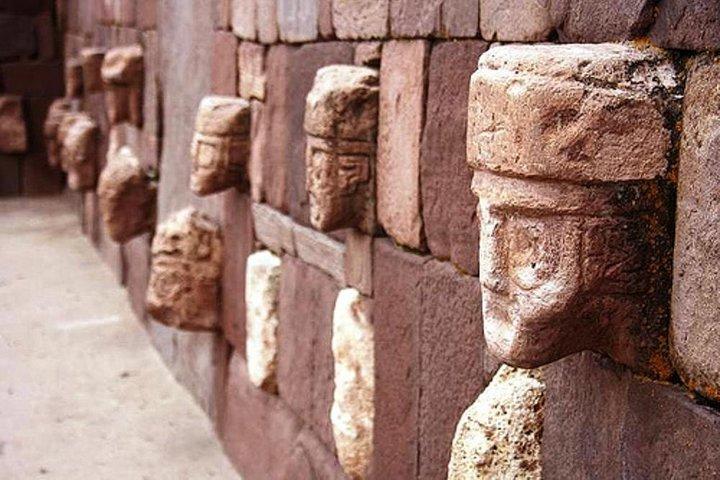
A week: three days acclimatising and exploring La Paz with the Death Road or Tiwanaku, then a three-day Uyuni loop. Ten days lets you continue from Uyuni across the lagoons into Chile rather than doubling back.
What does a tour in Bolivia cost?
Bolivia is not in our fifty-city price index, so we avoid a median figure. It is comfortably the cheapest country in South America — a three-day Uyuni tour with transport, guide, meals and accommodation costs less than a single day trip in Chile.
When should you visit the Uyuni salt flats?
December to March for the mirror, with the caveat that parts of the flat close. May to October for full access to the whole crust, the island of cacti and the drive across it. April and November sit between the two and can give both.
How bad is the altitude in La Paz?
Significant. The airport is at 4,050 metres and most people feel it within an hour. Do nothing strenuous for twenty-four hours, drink more water than usual, and consider arriving from somewhere already high — Cusco or Puno — rather than from sea level.
Are tours run in English?
In La Paz and on the main Uyuni circuits, yes, though Spanish-language groups are more frequent and cheaper. For the multi-day salt flat loops, confirm an English-speaking driver-guide at booking — it makes a large difference over three days.