Asakusa30 min
Asakusa (浅草) is the center of Tokyo's shitamachi (literally "low city"), one of Tokyo's districts, where an atmosphere of the Tokyo of past decades survives.
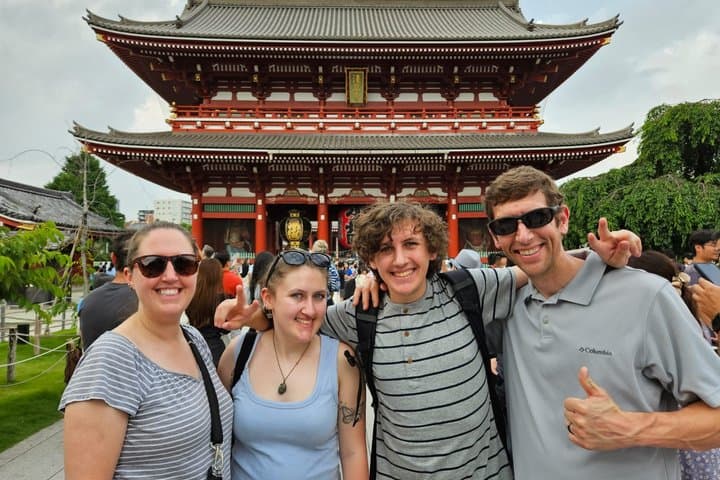
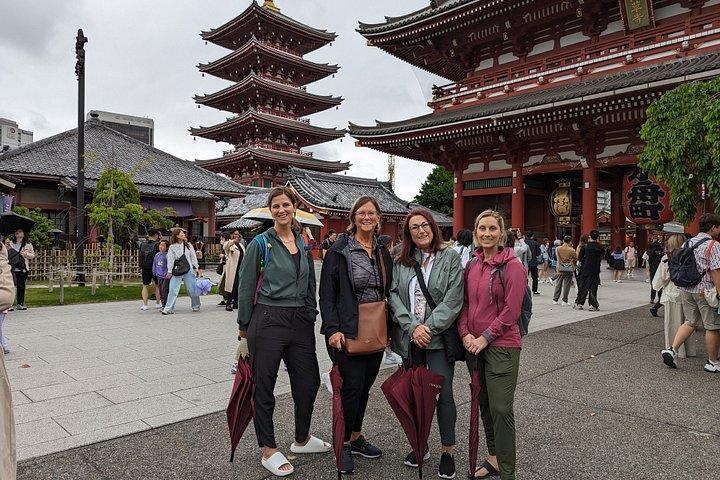
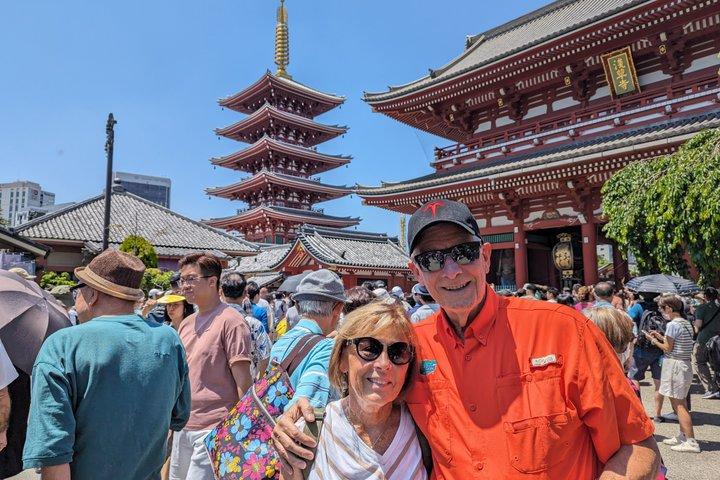
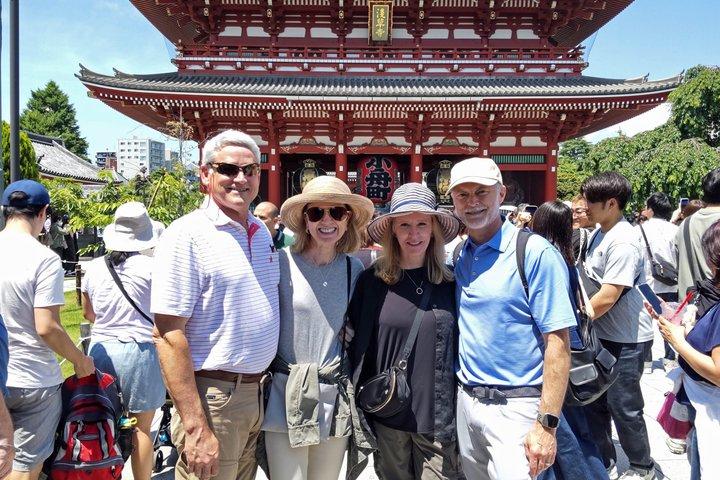
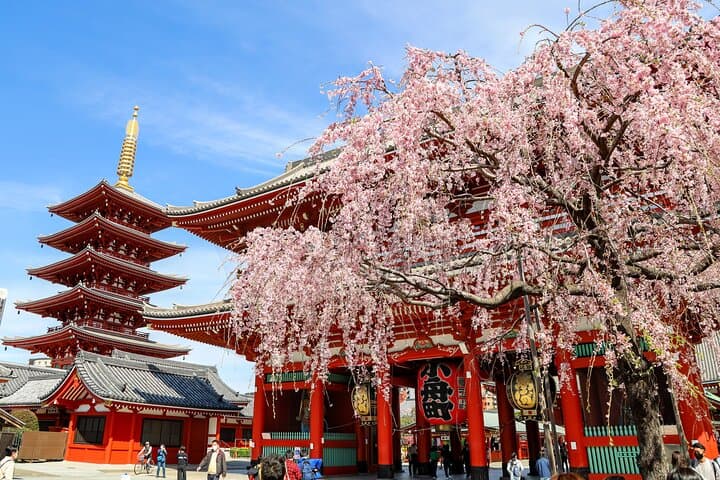
Asakusa's main attraction is Sensoji, a very popular Buddhist temple, built in the 7th century. The temple is approached via the Nakamise, a shopping street that has been providing temple visitors with a variety of traditional, local snacks and tourist souvenirs for centuries.
Senso-ji Temple30 min
Sensoji (浅草寺, Sensōji, also known as Asakusa Kannon Temple) is a Buddhist temple located in Asakusa. It is one of Tokyo's most colorful and popular temples.
The legend says that in the year 628, two brothers fished a statue of Kannon, the goddess of mercy, out of the Sumida River, and even though they put the statue back into the river, it always returned to them. Consequently, Sensoji was built nearby for the goddess of Kannon. The temple was completed in 645, making it Tokyo's oldest temple.
Kappabashi Street (Kappabashi Dogugai)30 min
Kappabashi Street (かっぱ橋道具街, Kappabashi Dōgugai) is a shopping street between Ueno and Asakusa, which is lined with several dozens of stores selling everything needed by restaurant operators, with the exception of fresh food.
You will find specialized stores for dishes, pots, pans, cooking utensils, stoves, tables, chairs, signs, lanterns and more. There are also a few stores which sell plastic and wax food samples, used by many restaurants in their show windows.
Ryogoku KokugikanAdmission not included30 min
Home of the heavyweights—sumo's main stadium
The huge stadium known as Ryogoku Kokugikan dominates the sumo-obsessed neighborhood of Ryogoku , and is the focus of big excitement during the tournament season.
Hamarikyu GardensAdmission not included30 min
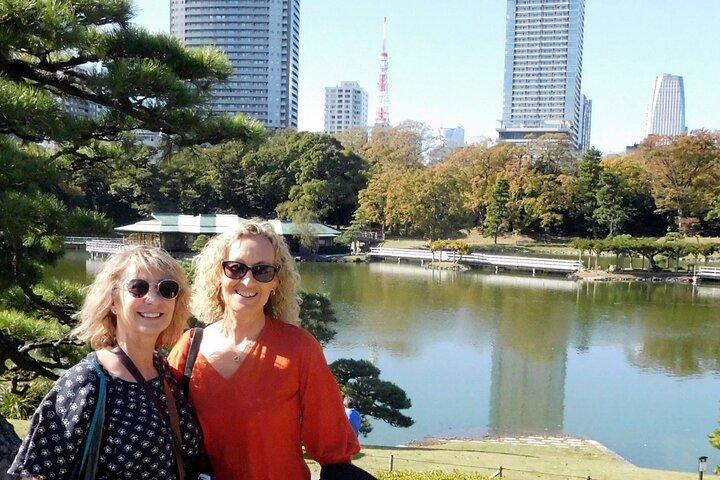
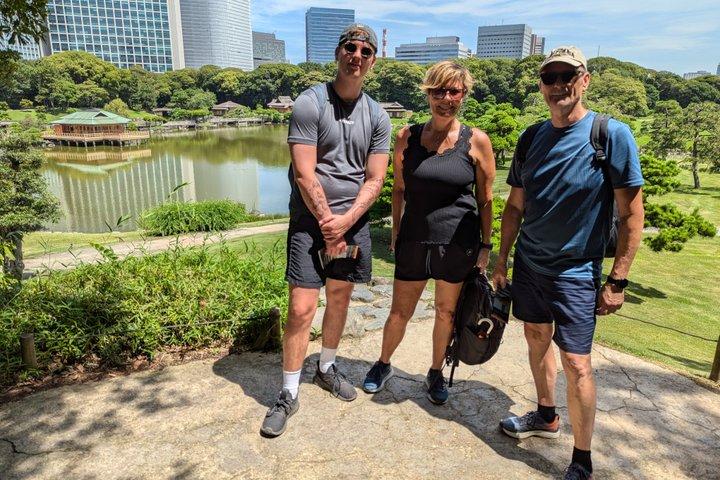
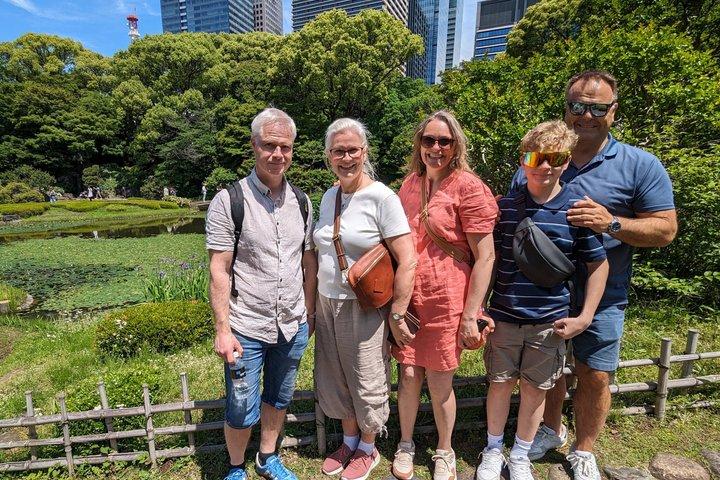
Hama Rikyu (浜離宮, Hama Rikyū), is a large, attractive landscape garden in central Tokyo. Located alongside Tokyo Bay, Hama Rikyu features seawater ponds which change level with the tides, and a teahouse on an island where visitors can rest and enjoy the scenery. The traditionally styled garden stands in stark contrast to the skyscrapers of the adjacent Shiodome district.
Odaiba District30 min
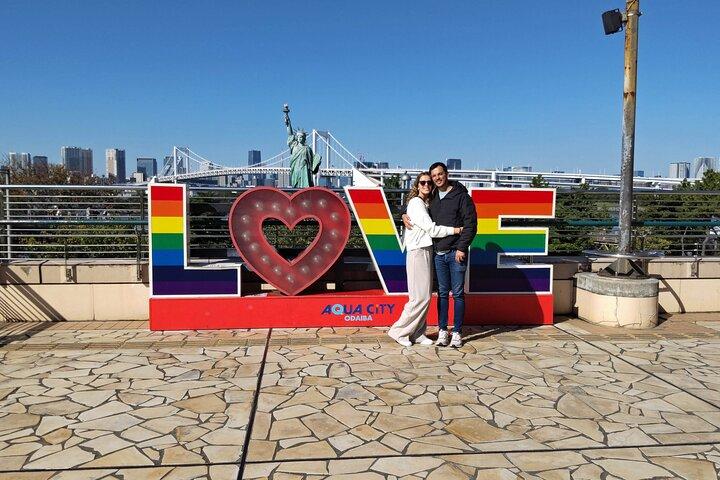
Odaiba (お台場) is a popular shopping and entertainment district on a man made island in Tokyo Bay. It originated as a set of small man made fort islands (daiba literally means "fort"), which were built towards the end of the Edo Period (1603-1868) to protect Tokyo against possible attacks from the sea and specifically in response to the gunboat diplomacy of Commodore Perry.
More than a century later, the small islands were joined into larger islands by massive landfills, and Tokyo began a spectacular development project aimed to turn the islands into a futuristic residential and business district during the extravagant 1980s. But development was critically slowed after the burst of the "bubble economy" in the early 1990s, leaving Odaiba nearly vacant.