I had a great experience on the Sofia Highlights Walking Tour with a Visit to the Old Observatory. Our guide, Lyubo, was very knowledgeable and shared fascinating stories about the city’s history as we walked through key landmarks like Saint Nedelya Cathedral, the Ancient Serdica complex, the Rotunda Church of St. George, and the impressive Alexander Nevsky Cathedral. I especially enjoyed learning how Sofia - once known as Serdica - evolved through Roman, Byzantine, and Ottoman periods. The walk through Sofia University and Borisova Gradina Park was also lovely in the evening. The highlight was the visit to the Astronomical Observatory at Sofia University. Ending the tour by observing Jupiter through the telescope was a memorable experience. A perfect mix of history, culture, and science - highly recommended! Thanks to Adrian for organising the tour...
Sofia Highlights Walking Tour with a Visit to the Old Observatory



+5 photos


At a glance
- Duration
- 4 hours
- Price from
- $40 / person
- Location
- Sofia, Bulgaria
- Rating
- 5.0 / 5 · 1 reviews
- Languages
- EN
- Group
- Small group, up to 15
- Cancellation
- Free cancellation up to 24 hours before
- Confirmation
- Instant
- Ticket
- Mobile or paper ticket accepted
- Operator
- BulTrips
- Meeting point
- The meeting point is at the front facade of Saint Nedelya church.
Description
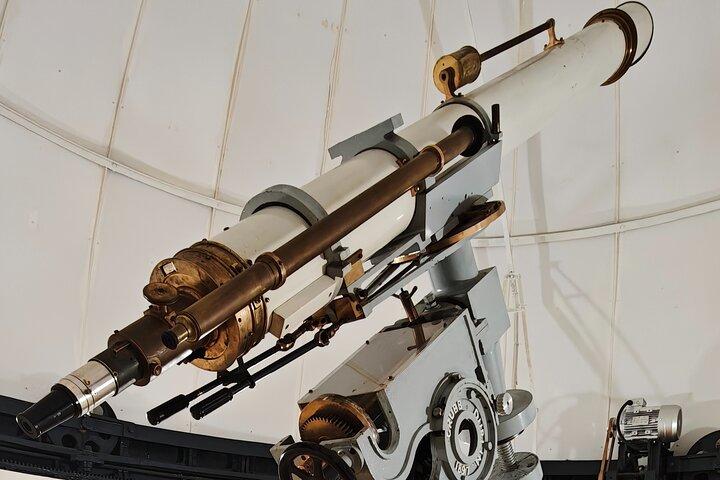
This unique walking experience moves swiftly through Sofia's archaeological and historical heart. We then trade the dense urban core for a green refuge as we enter Boris’ Garden, known affectionately as 'The Lungs of Sofia'. The adventure culminates with exclusive access to the University Astronomical Observatory, one of the oldest astronomical institutions in the Balkans. You will receive a rare guided tour of this pioneering scientific complex, encountering historic instruments like the still-functional 15.2cm Grubb Refractor. If the weather allows, you will have the extraordinary opportunity to look into the night sky through an original telescope, or if it is between June and August, through an amazing solar telescope, connecting directly with the stars that inspired Bulgaria's first modern scientists. This is the perfect tour for the intellectual traveler, offering a deep dive into history, nature, and the cosmos in a powerful, high-value, 4-hour sprint.
Schedule & prices
- Runs
- Fri and Sat
- Start times
- 5:30 PM and 6:00 PM
- Next available
- Fri, Nov 20
- Adult (ages 11+)
- $40
- Child (ages 3–10)
- $33
- Infant (ages 0–2)
- Free
In demand: 9 of the next 9 departures are already sold out.
From the operator’s live schedule on Viator, checked Oct 14.
Tour Options
Itinerary
Begin your tour at Saint Nedelya Church, one of Sofia’s most historic landmarks. Here you’ll uncover the story behind the 1925 terrorist bombing, one of the most dramatic events in Europe’s interwar history. This powerful introduction sets the stage for your journey through the era of the Bulgarian monarchy (1879–1944)—a period marked by royal ambition, political intrigue, and national transformation. It’s the perfect starting point for understanding how Sofia became the capital it is today.
Continue your journey at the Ancient Serdica Archaeological Complex, where Sofia’s Roman past comes to life beneath the modern city. Here you’ll walk through the remains of streets, homes, early Christian basilicas, and fortress walls that once formed the thriving Roman town of Serdica, so beloved that Emperor Constantine reportedly considered making it his capital. This stop reveals how Sofia has grown layer by layer over the centuries, blending ancient foundations with today’s vibrant urban heart.
The Rotunda Church of St George
The Rotunda of Saint George (St. George Rotunda) is Sofia’s oldest preserved building, a 4th-century brick church dating back to the Roman city of Serdica. Hidden within the courtyard of the Presidency and government buildings, it offers a dramatic view of the layers of history—Roman, Byzantine, and medieval—found at the very heart of the capital.
St. Alexander Nevski Cathedral
Your tour continues at the Alexander Nevsky Cathedral, Sofia’s most iconic landmark and one of the largest Orthodox churches in the Balkans. Built in honor of the Russian soldiers who helped liberate Bulgaria in 1878, its gold-plated domes, marble interiors, and intricate mosaics showcase the grandeur of the Bulgarian Revival. Here you’ll explore the cathedral’s national significance and its role in shaping Sofia’s identity as a modern European capital.
Sofia University Saint Kliment Ohridski
Discover the historic Sofia University “St. Kliment Ohridski”, the oldest and most prestigious higher-education institution in Bulgaria. Its elegant neo-Renaissance building, funded by prominent local benefactors, symbolizes the nation’s cultural and intellectual awakening after Liberation. Here you’ll learn how the university became a center of science, literature, and political thought, shaping generations of leaders and contributing to Sofia’s growth as a vibrant academic capital.
Boris' Garden (Borisova Gradina), named after Tsar Boris III, holds the distinction of being the oldest and largest park in Sofia, often referred to locally as "The Lungs of Sofia". Its development began in the 1880s, designed by Swiss gardener Daniel Neff, establishing it as a foundational green public space in the newly formed Bulgarian state. This popular park is much more than a natural retreat; it is an integrated urban space featuring lakes, numerous monuments to prominent Bulgarians, and diverse plant life. Crucially, Boris' Garden is home to the historic University Astronomical Observatory, which will be our next stop.
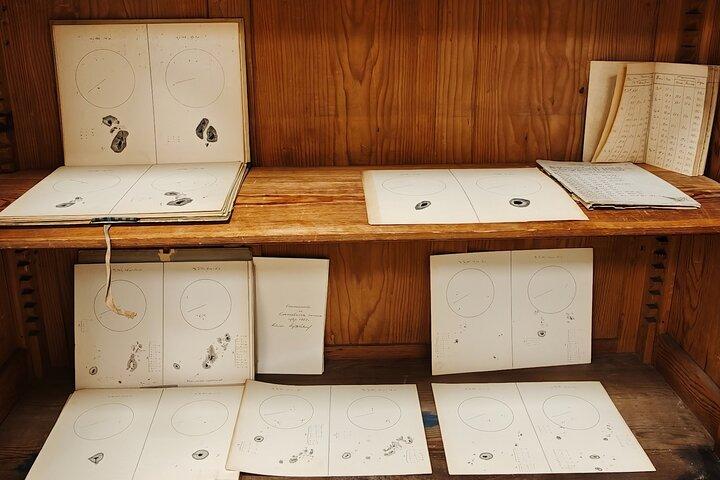
Located within the serene setting of Boris' Garden, the Sofia University Astronomical Observatory is one of the oldest astronomical institutions in the Balkans, founded in 1892. During your visit, you will embark on a guided tour of the complex, learning about its pioneering history. You will see historic instruments, including the famous 15.2cm Grubb Refractor, which is still utilized today for public outreach and academic instruction. If conditions permit, you may have the rare opportunity to look into the night sky through the original telescopes, connecting directly with over a century of Bulgarian intellectual history. This unique experience offers a tangible connection from the historical foundations of Sofia to the ongoing exploration of the cosmos.
What's included
Included
2-hours of walking tour with a professional, highly educated guide
If the weather allows, observation with the main telescope of the Observatory
Guided visit of Sofia University Astronomical Observatory
Not included
Gratuities
Traveller Ratings
Reviews collected by Viator and Tripadvisor
5.0
1 reviews
How it compares in Sofia
- Starting price $40 is 68% below the typical $125 for tours of similar length in Sofia
Excurgo comparison of 607 Viator tours, recalculated daily.
Important Information
- Infants and small children can ride in a pram or stroller
- Public transportation options are available nearby
- Suitable for all physical fitness levels
- Travelers with flu or a cold are not allowed to participate
Cancellation
For a full refund, cancel at least 24 hours before the scheduled departure time.
1+ days before100% refund
0–1 days before0% refund
Frequently asked questions
How long does this tour take?
Sofia Highlights Walking Tour with a Visit to the Old Observatory lasts about 4 hours. The itinerary has 7 stops.
How much does this tour cost?
Prices start at $40 per person for this Sofia experience, booked through Viator with the price shown before checkout. There is 1 booking option, so the final price depends on the option you choose.
What days does this tour run?
According to the operator’s current schedule, it runs on Fridays and Saturdays, starting at 5:30 PM and 6:00 PM.
How much does this tour cost for children?
Children aged 3–10 pay from $33, adults from $40. Infants go free.
Does this tour sell out?
It can: 9 of the next 9 departures are already sold out, so booking ahead is a good idea.
Can I cancel this tour for free?
Yes. Cancel at least 1 day before the start for a full refund. Later cancellations are non-refundable.
Where does the tour start?
The meeting point is The meeting point is at the front facade of Saint Nedelya church. Hotel pickup is not part of this experience.
What languages is this tour offered in?
The experience is available in EN.
Is this a private or a group tour?
It is a small-group experience with a maximum of 15 participants.
Is the tour suitable for children?
Infants and small children can ride in a pram or stroller
Will my booking be confirmed immediately?
Yes, bookings are confirmed instantly.
Reviews(1)
Reviews collected by Viator and Tripadvisor
S
Fabulous Sofia Walking Tour
Compare similar tours in Sofia
- Lowest price: Plovdiv Walking Tour AudioGuide To Old Town And Roman Landmarks — $14
- Best rated: Sofia Highlights 2 Hour Sightseeing Walking Tour — 4.9 (764 reviews)
- Shortest: Balchik Palace Walking Tour with Highlights — 1 hour
| Tour | Duration | Rating | Price | |
|---|---|---|---|---|
| Sofia Highlights Walking Tour with a Visit to the Old Observatory | 4 hours | 5.0 (1) | $40 | |
 Sofia Highlights 2 Hour Sightseeing Walking Tour Sofia Highlights 2 Hour Sightseeing Walking Tour | 2 hours | 4.9 (764) | $18 | View |
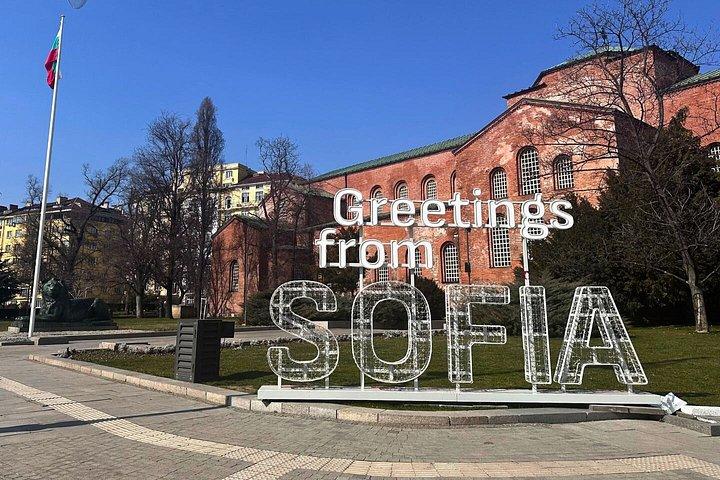 Private Sofia Walking Tour History, Culture and City Highlights Private Sofia Walking Tour History, Culture and City Highlights | 2–3 hours | — | $46 | View |
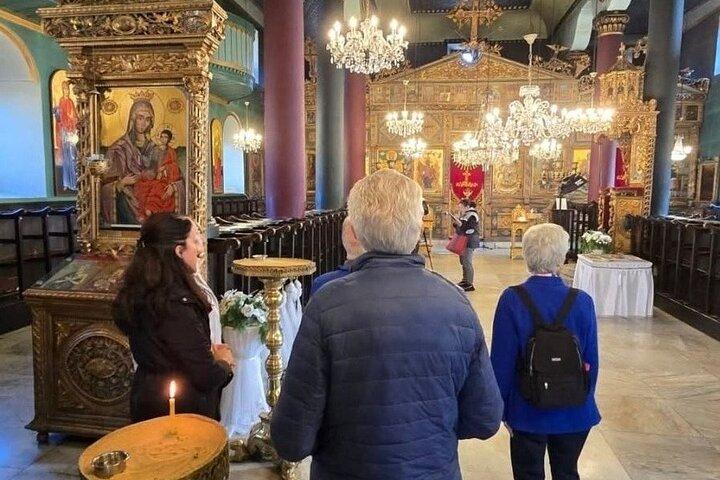 Walking Tour: Highlights of Varna & Optional Wine Tasting Walking Tour: Highlights of Varna & Optional Wine Tasting | 2 hours | 5.0 (6) | $52 | View |
 Balchik Palace Walking Tour with Highlights Balchik Palace Walking Tour with Highlights | 1 hour | — | $34 | View |
 Guided Walking Tour Old Town of Plovdiv & Rakia Tasting Guided Walking Tour Old Town of Plovdiv & Rakia Tasting | 2–3 hours | 4.8 (5) | $17 | View |
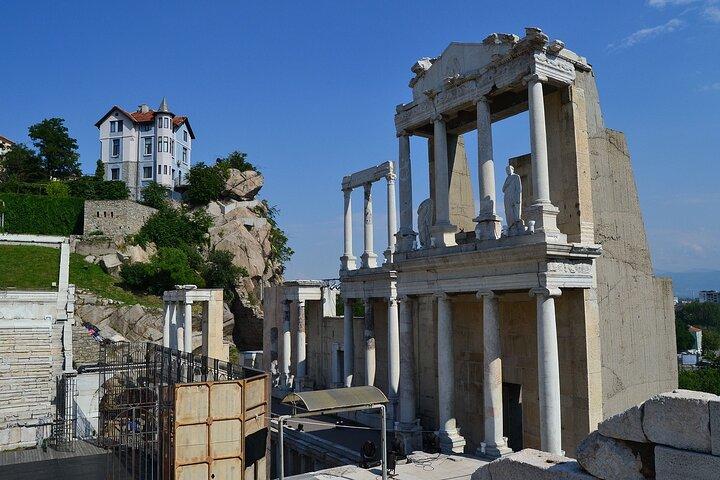 Plovdiv Walking Tour AudioGuide To Old Town And Roman Landmarks Plovdiv Walking Tour AudioGuide To Old Town And Roman Landmarks | 2–3 hours | 4.2 (14) | $14 | View |
from$40
5.0(1) Free cancellation