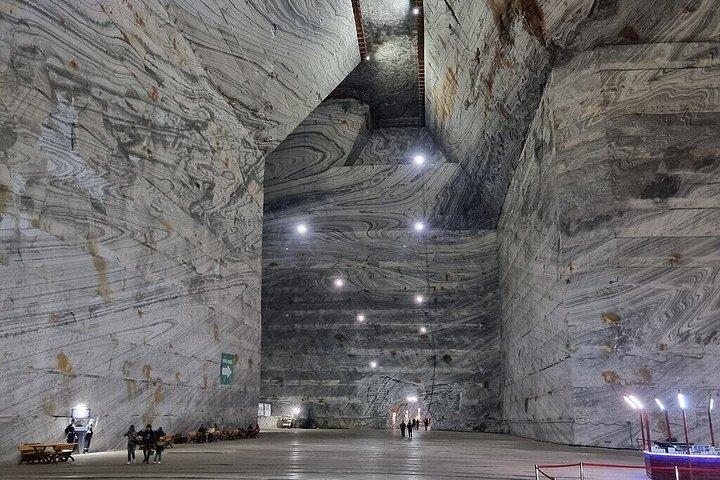
Unirea Salt MineAdmission not included120 min
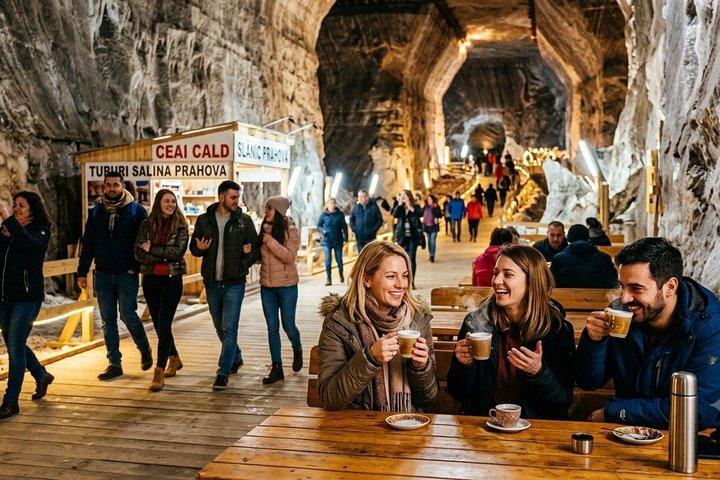
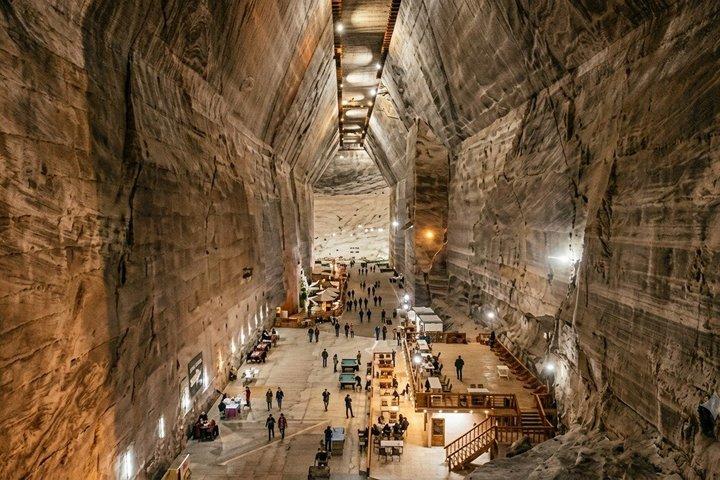
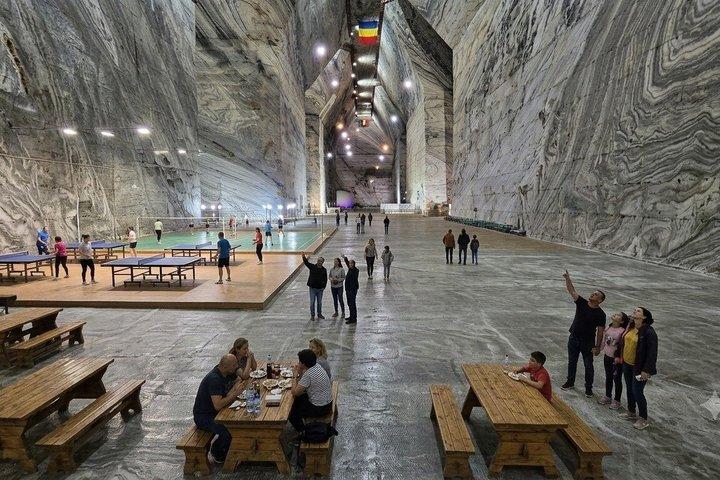
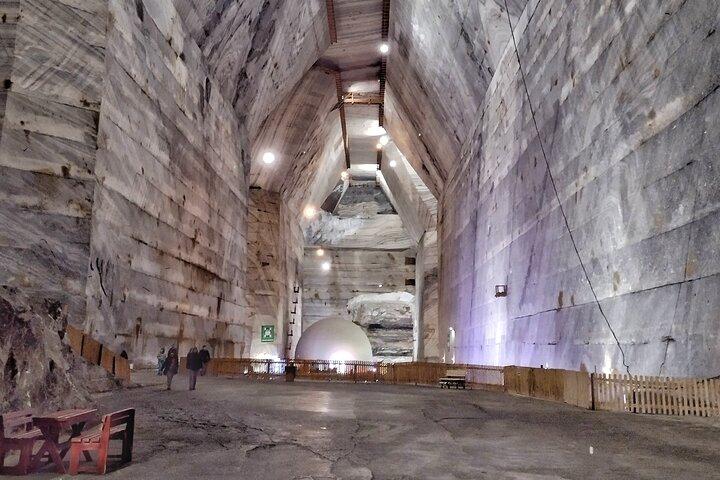
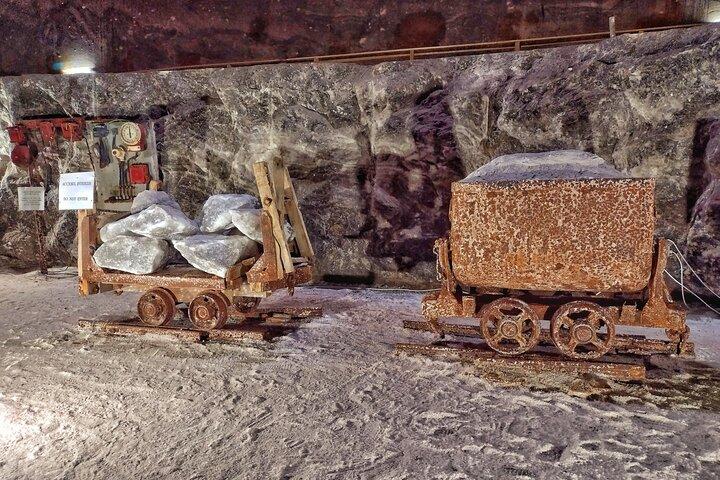
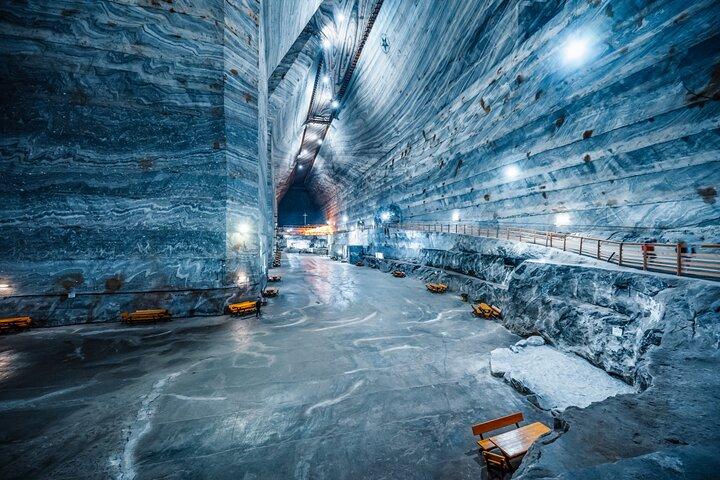
Known as the largest salt mine in Europe, Slănic Prahova Salt Mine is an old salt mine closed for extraction purposes, but is open for visitors, featuring a microclimate with natural air-conditioning and constant temperature and atmospheric pressure throughout the year. Many of the visitors come for its supposed healing effects due to the purity of the air. Throughout the mine you will find various types of equipment for recreational activity such as playground equipment and some ping-pong tables. One area is sectioned off and is used for medical patients with lung problems to come and rest in.
After a 1.5 km drive inside the underground galleries, descending more than 200 meters below the surface, you will have free time to explore the impressive salt mine. Enjoy various activities such as mini-golf, ping-pong, relaxation areas, or visit Romania’s largest planetarium, featuring a huge dome and advanced 4K laser projection for a truly unique underground celestial show.
Therme BucurestiAdmission not included180 min
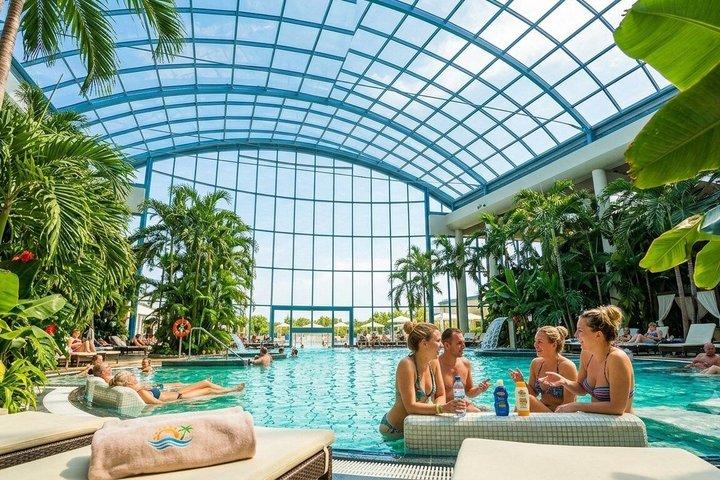
One of the largest spa center in Europe, with a large variety of wellness facilities including thermally heated indoor and outdoor pools, themed saunas, mineral pools, water slides, sauna and massage services.
Muzeul National al Satului "Dimitrie Gusti"Admission not included60 min
The National Village Museum “Dimitrie Gusti” is an open-air ethnographic museum showcasing traditional Romanian life. Located on the shores of Herăstrău Lake in Bucharest North side, it features over 300 authentic houses, farms, churches, and workshops brought from villages across Romania. As you walk through its lanes, you discover centuries-old architecture, rural crafts, and the diverse regional cultures that shaped the country’s heritage. A souvenir shop with authentic crafts is available on site.
Snagov MonasteryAdmission not included60 min
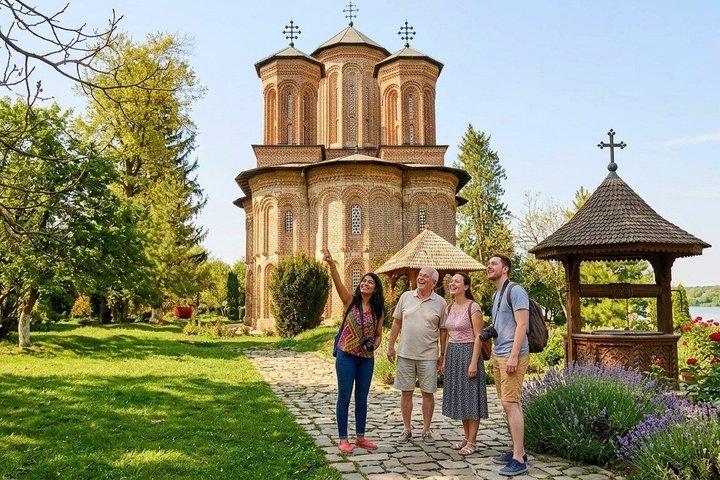
Built around the 1408 in Byzantine architecture with Romanian impressions, this monastery sits on a small island in the north part of lake Snagov. During his reign time, Vlad Tepes added more improvements to the monastery including a fortified stonewall and the narrow bridge to the main land that is used by visitors in present day. One of the important scholars of the time, Antim Ivireanul published here the first Romanian books using the Latin alphabet letters. Some historians state that after his assassination in the treacherous act of his boyars in the battle at Codrii Vlasiei (Forests of Vlasia) nearby Snagov, the body of Vlad Tepes Dracula was brought to the monastery and secretly buried in the orthodox tradition. Nowadays, visitors of the Snagov monastery can see the tomb funeral stone laying in front of the altar that is said to be the daytime resting place of Dracula.