Kamakura Day Tour
+7 photos

At a glance
- Duration
- 8 hours
- Price from
- $114 / person
- Location
- Kamakura, Japan
- Rating
- 5.0 / 5 · 2 reviews
- Languages
- AR, EN, FR
- Group
- Private
- Cancellation
- Free cancellation up to 24 hours before
- Hotel pickup
- Available
- Confirmation
- Instant
- Ticket
- Mobile or paper ticket accepted
- Operator
- Abitsune
Description
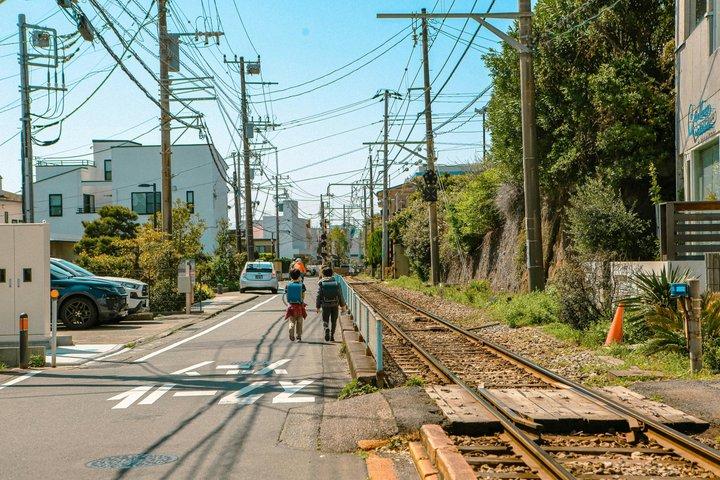
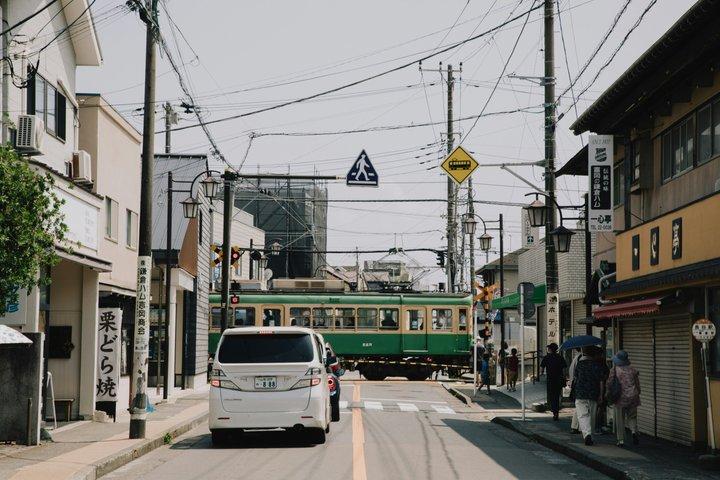
Walk Kamakura with a Friend" Unlike standard tours, this experience feels like exploring with a knowledgeable local friend who happens to know every hidden corner of their hometown. What Makes It Different: Conversational, Not Scripted No memorized lectures or rigid schedules—ask anything, wander freely, and let curiosity guide the day Stories flow naturally: local legends, personal memories, which café owner makes the best matcha. Insider Access That quiet garden path most visitors miss? The shopkeeper who chats about temple restoration? The sunset spot locals keep secret? Your "friend" knows them all Paced Like Real Life Lunch isn't a rushed meal—it's lingering over shirasu-don while people-watching and debating the best season for hydrangeas Time to sketch, to sit, to absorb—no herding from site to site. Adaptive & Personal Want to spend 20 extra minutes photographing the Sammon Gate's roof details? Skip a spot for more beach time? The day bends to your interests.
Schedule & prices
- Runs
- Every day
- Start times
- 9:00 AM and 2:00 PM
- Next available
- Fri, Oct 9
- Adult (ages 18+)
- $114
- Child (ages 5–17)
- $63
- Infant (ages 0–4)
- Free
Prices change with the date; the lowest is shown.
In demand: 30 of the next 60 departures are already sold out.
From the operator’s live schedule on Viator, checked Oct 7.
Tour Options
Itinerary
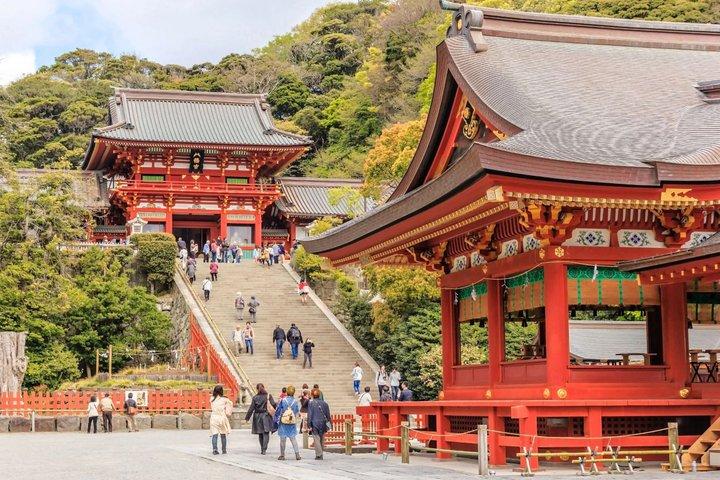
Tsurugaoka Hachimangu Shrine
Tsurugaoka Hachimangu Shrine is Kamakura's most important Shinto shrine and spiritual heart of the city. Founded in 1063 by Minamoto no Yoriyoshi and later expanded by his descendant Minamoto no Yoritomo (founder of the Kamakura shogunate), it served as the symbolic protector of the samurai government. Cultural Significance: Dedicated to Hachiman, the god of war and patron deity of the Minamoto samurai clan Hosted important political ceremonies during the Kamakura shogunate Remains a vibrant center for festivals, weddings, and New Year celebrations.
Kencho-ji Temple
Kencho-ji Temple is the #1 ranked of Kamakura's five great Zen temples and the oldest Zen training monastery in Japan. Founded in 1253 by Hojo Tokiyori and Chinese Zen master Lanxi Daolong, it established the Rinzai Zen tradition in the country.Cultural Significance: Head temple of the Kencho-ji branch of Rinzai Zen Peak training center for Zen monks; meditation sessions still held Symbol of Kamakura's international connections with Song Dynasty China.
Kamakura Komachidori
Komachi-dori Street is Kamakura's vibrant main shopping and dining artery, stretching from Tsurugaoka Hachimangu Shrine toward Kamakura Station. Named after the famous Heian-period poet Ono no Komachi, this pedestrian-friendly thoroughfare blends traditional atmosphere with contemporary energy. Atmosphere: Narrow street with a mix of traditional wooden storefronts and modern boutiques Constant flow of visitors, locals, and temple pilgrims creates lively human scenery Side alleys hide quieter cafés and historic residences.
Hasedera Temple
Hasedera Temple is one of Kamakura's most visually spectacular temples, perched on a hillside overlooking Sagami Bay. Founded in 736 (with current structures dating to the Kamakura period), it belongs to the Jodo sect and centers on devotion to Kannon, the goddess of mercy. Cultural Significance: Major pilgrimage site for Kannon devotees The "Kannon Pilgrimage" route includes this as a key stop Legend says the Kannon statue was carved from a single camphor tree.
Kotoku-in - Great Buddha of Kamakura
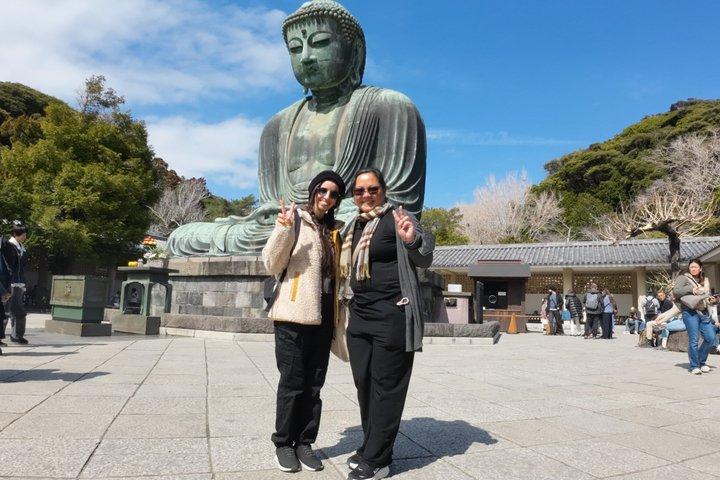
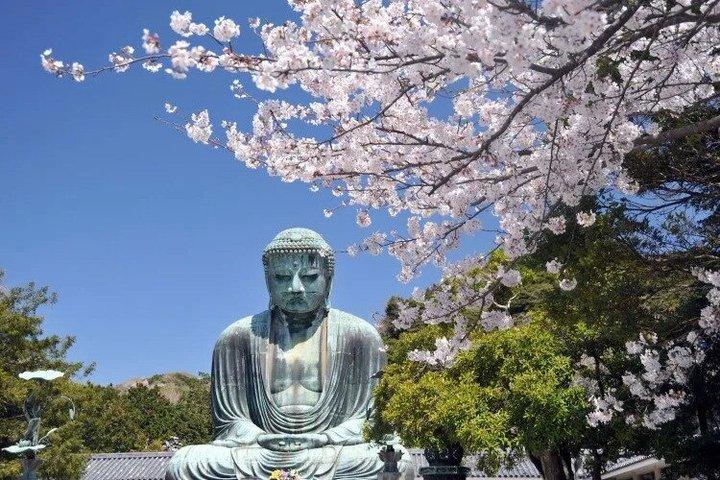
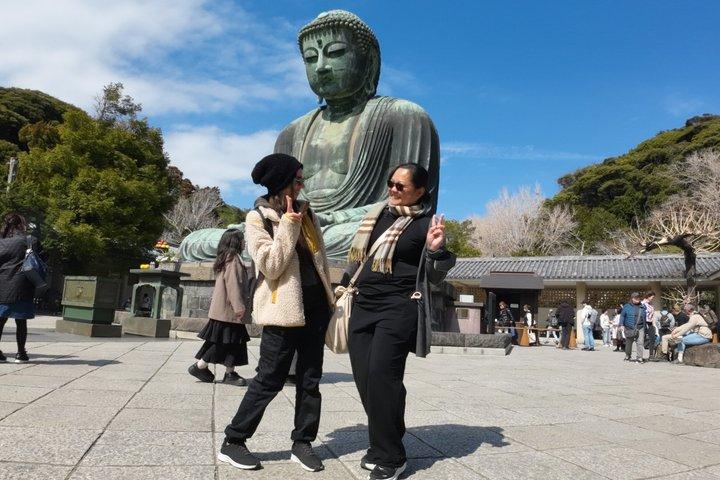
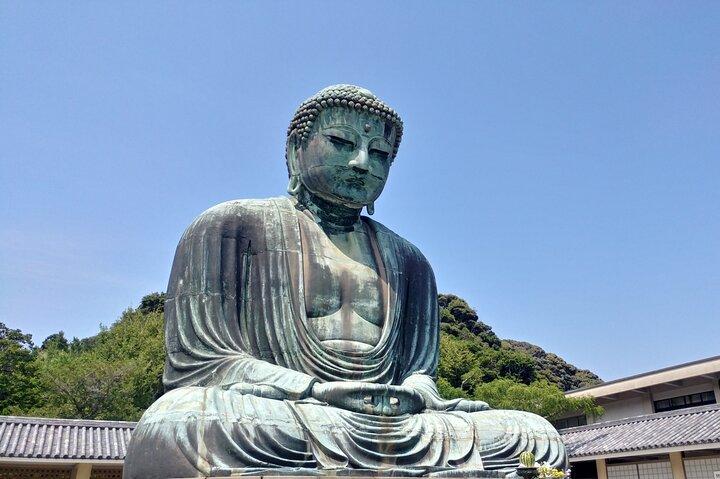
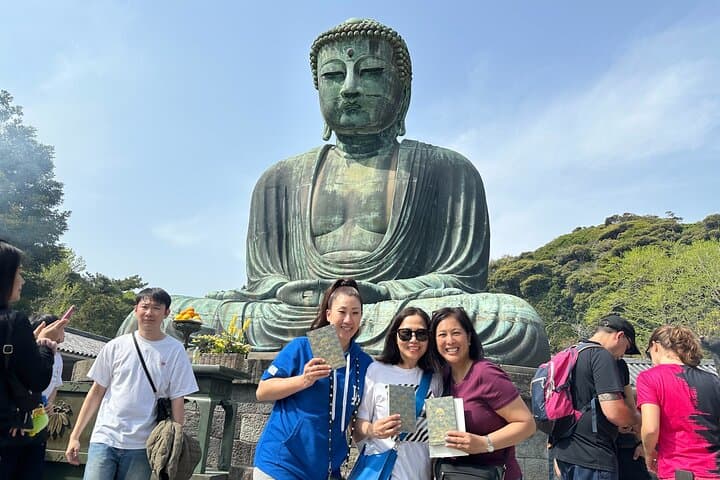
Kotoku-in Temple is home to the Great Buddha (Daibutsu), Kamakura's most iconic landmark and one of Japan's most celebrated Buddhist images. Founded in 1252, the temple originally housed the bronze statue indoors until a tsunami destroyed the hall in 1498, leaving the Buddha exposed to the elements ever since. Cultural Significance: Represents Amitabha Buddha of infinite light and compassion Survived fires, earthquakes, and the 1498 tsunami that swept away its hall Symbol of resilience and spiritual endurance; beloved by locals and visitors alike.
What's included
Included
Photos of Tour Participants taken by the guide
English speaking guide
Small welcome gift
Entrance fee - Hasedera Temple//Kotoku-in (Great Buddha of Kamakura)//Jochiji Temple
Not included
Lunch
Public transportation
Private transportation Taxi / Private Car or Bus
Pickup Locations & Times
we will send you the WhatsApp contact of our guide after confirmation. they will wait for you in front of the gates of Kamakura station
Traveller Ratings
Reviews collected by Viator and Tripadvisor
5.0
2 reviews
How it compares in Kamakura
- No. 43 by number of reviews among 111 tours in Kamakura
- Starting price $114 is 35% below the typical $175 for tours of similar length in Kamakura
Excurgo comparison of 111 Viator tours, recalculated daily.
Important Information
- Wheelchair accessible
- Infants and small children can ride in a pram or stroller
- Public transportation options are available nearby
- Infants are required to sit on an adult’s lap
- Transportation options are wheelchair accessible
- All areas and surfaces are wheelchair accessible
- Travelers should have at least a moderate level of physical fitness
Cancellation
For a full refund, cancel at least 24 hours before the scheduled departure time.
1+ days before100% refund
0–1 days before0% refund
Frequently asked questions
How long does Kamakura Day Tour take?
Kamakura Day Tour lasts about 8 hours. The itinerary has 5 stops.
How much does Kamakura Day Tour cost?
Prices start at $114 per person for this Kamakura experience, booked through Viator with the price shown before checkout. There are 2 booking options, so the final price depends on the option you choose.
What days does Kamakura Day Tour run?
According to the operator’s current schedule, it runs every day, starting at 9:00 AM and 2:00 PM.
How much does Kamakura Day Tour cost for children?
Children aged 5–17 pay from $63, adults from $114. Infants go free.
Does Kamakura Day Tour sell out?
It can: 30 of the next 60 departures are already sold out, so booking ahead is a good idea.
Can I cancel Kamakura Day Tour for free?
Yes. Cancel at least 1 day before the start for a full refund. Later cancellations are non-refundable.
Is hotel pickup included?
Yes, pickup is offered. we will send you the WhatsApp contact of our guide after confirmation. they will wait for you in front of the gates of Kamakura station Pickup points include Shangrila Tsuruoka, Hotel Metropolitan Kamakura.
What languages is Kamakura Day Tour offered in?
The experience is available in AR, EN, FR.
Is this a private or a group tour?
It is a private experience: only your party takes part. Up to 15 travellers can book together.
Is the tour suitable for children?
Infants and small children can ride in a pram or stroller Infants are required to sit on an adult’s lap
Is the tour wheelchair accessible?
Wheelchair accessible Transportation options are wheelchair accessible All areas and surfaces are wheelchair accessible
Reviews(2)
Reviews collected by Viator and Tripadvisor
Compare similar tours in Kamakura
- Lowest price: Kamakura Walking Tour - The City of Shogun — $35
- Best rated: Kamakura Walking Tour - The City of Shogun — 5.0 (144 reviews)
- Shortest: Kamakura Walking Tour - The City of Shogun — 3h 30min
| Tour | Duration | Rating | Price | |
|---|---|---|---|---|
| Kamakura Day Tour | 8 hours | 5.0 (2) | $114 | |
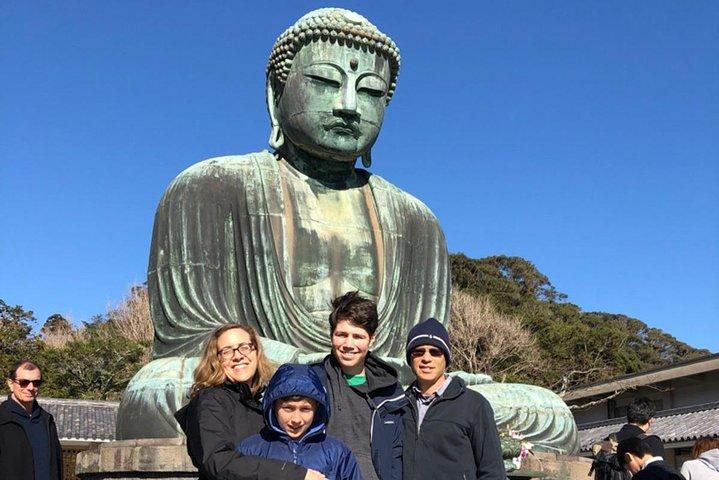 Kamakura Historical Walking Tour with the Great Buddha Kamakura Historical Walking Tour with the Great Buddha | 5 hours | 4.9 (173) | $91 | View |
 Kamakura Walking Tour - The City of Shogun Kamakura Walking Tour - The City of Shogun | 3h 30min | 5.0 (144) | $35 | View |
 Kamakura Private Tour: Temples, Nature, and the Great Buddha Kamakura Private Tour: Temples, Nature, and the Great Buddha | 5 hours | 4.9 (130) | $131 | View |
 Kamakura & Enoshima Private Tour | Licensed Guide & Driver Kamakura & Enoshima Private Tour | Licensed Guide & Driver | 10 hours | 5.0 (77) | $582 | View |
 Kamakura Customized Half-Day Tour with Licensed Local Guide Kamakura Customized Half-Day Tour with Licensed Local Guide | 4 hours | 4.9 (66) | $97 | View |
 When Emperors Reigned and Shoguns Ruled When Emperors Reigned and Shoguns Ruled | 4 hours | 4.9 (42) | $107 | View |
from$114
5.0(2) Free cancellation