KABUKI performance by National Theatre in Hatsudai, Tokyo
Description
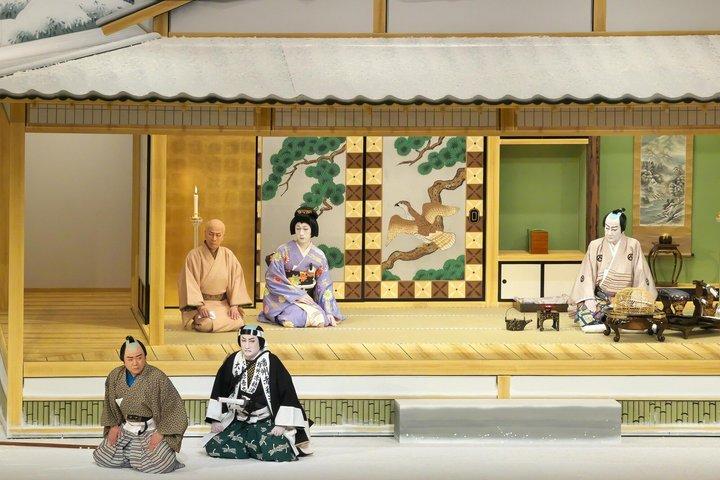
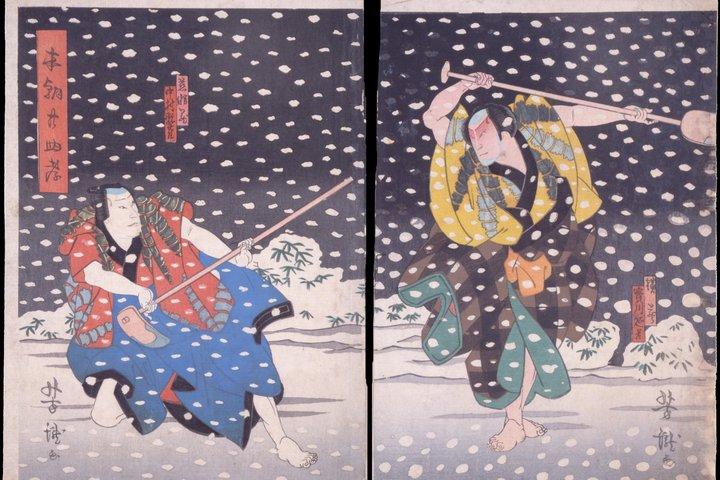
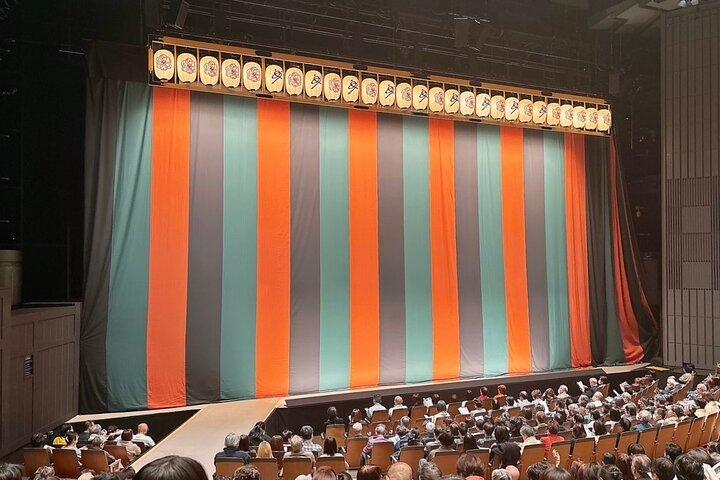
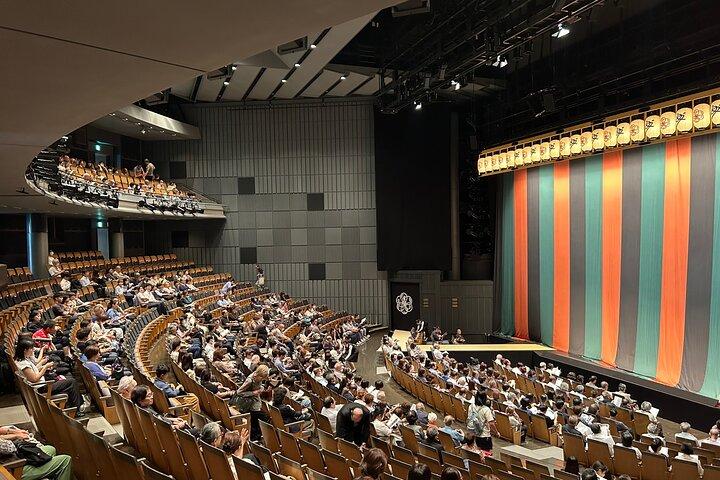
Kabuki is the dramatic theatre which combines music and dance. It is one of Japan’s most typical traditional arts. This performing art contains exciting stories, beautiful scenes and other features that thrill audiences. Throughout its long history spanning hundreds of years, Kabuki has incorporated trends from each successive era, and continues to be a fresh performing art. Experience the true essence of Japanese culture, not just imitation. This performance will feature top performers who have been sharing authentic art for hundreds of years. English audio guide is included, making the performance easy to understand. We invite you to take this opportunity to enjoy KABUKI! *The stage photos shown are from past performance.
Tour Options
Itinerary
You will see a KABUKI performance at New National Theatre, Tokyo (Playhouse). English audio guide is included, making the performance easy to understand. *The time is estimates and could vary. *English synopsis is available. It is included in the paid Japanese brochure.
Highlights
What's included
Traveller Ratings
Important Information
- Infants are required to sit on an adult’s lap
- Service animals allowed
- Public transportation options are available nearby
- Infants and small children can ride in a pram or stroller
- Transportation options are wheelchair accessible
- Wheelchair accessible
- Suitable for all physical fitness levels
- Audio guide is English only. Japanese and other languages are not available.
- If you are coming in a wheelchair, please contact us as soon as possible so that we can provide wheelchair-accessible seating.
Reviews(1)
Excellent experience! I was especially impressed with the performance of the two main characters, Osumu and Rokusuku, and the talent of the child actor. The three street walkers' dance was witty and highly entertaining; it brought the ancient art of Kabuki closer to the modern viewer. The English audio guide was very helpful. I saw this full version of the play which lasted over four hours (with two intervals), which is a bit taxing foExcellent experiencer a modern viewer. May I suggest that instead of showing full versions the players could perform most famous scenes from two or three plays.