Hitler Walking Tour Dresden Audio Guide and Self Guided Tour


Description
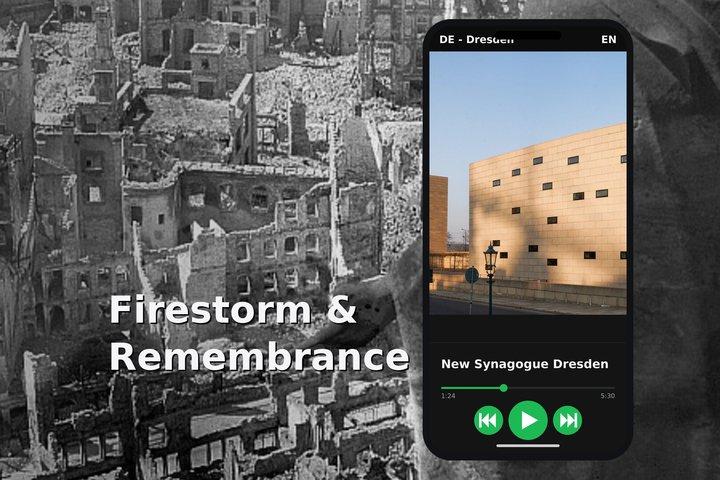
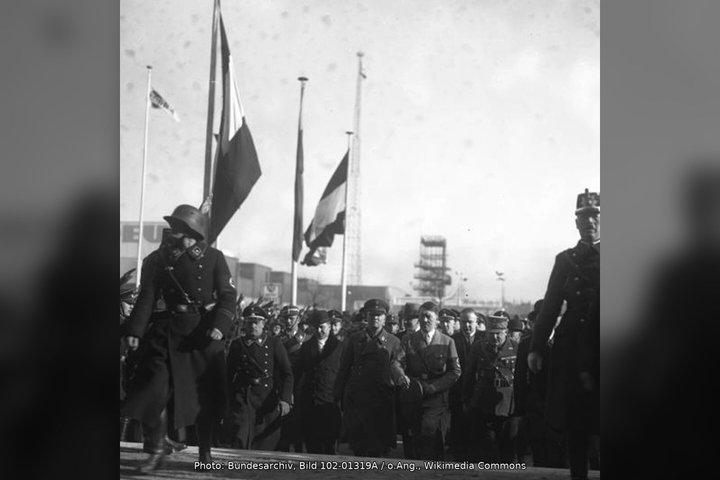
Uncover Dresden's Darkest Chapter Step into a difficult but necessary part of Dresden's past. This rigorously factual audio walk traces the years of Nazi dictatorship and the firestorm that flattened the old town in February 1945. You will deeply understand the sensitive history of persecution, the dismantling of democracy, and the devastating destruction of a city. Grasp these events exactly where they happened, allowing you to reflect and learn at your own pace. How It Works No human person for guiding (tourguide), this is self-guided audio tour. You use your own smartphone to navigate and listen. No app download is required—just click the access link in your ticket to begin instantly. This route explores the free public sights, so no entrance tickets are needed or included. Tour Details * Duration: 2h walking, 40m audio * Stops: 9 * Languages: EN, DE, IT, FR, ES
Tour Options
Itinerary
Crowned by a golden statue of Hercules atop a tower more than a hundred meters high, Dresden's New Town Hall was the seat of Nazi power in Saxony. From its viewing platform came the most haunting photograph of the city's destruction.
The Kreuzkirche rises at the southeastern edge of the Altmarkt, the largest church in Saxony and home to one of the world's oldest boys' choirs. Its fire-gutted shell and deliberately bare interior stand as a silent witness to the destruction of February 1945.
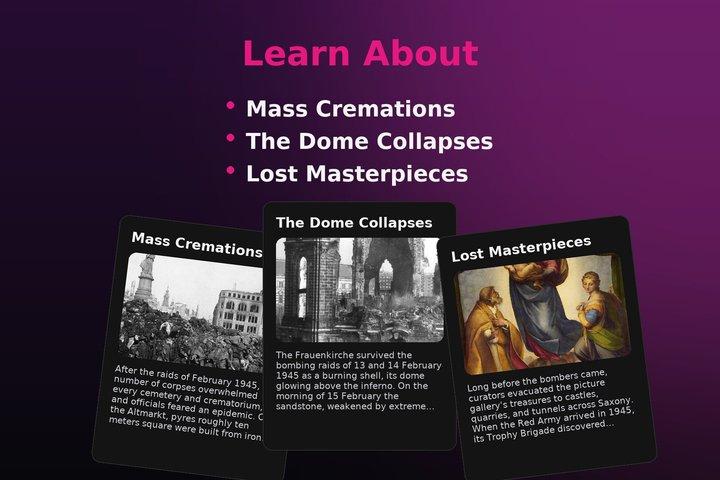
Dresden's oldest square, a grand ceremonial stage under the Nazi regime and, after the firestorm of February 1945, the ground where thousands of the dead were cremated on open pyres.
The graceful baroque square at the foot of the Frauenkirche, where not a single house was left standing after the 1945 firestorm. Almost everything you see today has been patiently rebuilt from the ashes.
Dresden's great Baroque church, whose vast stone dome collapsed in the firestorm of February 1945 and lay as a mountain of rubble for two generations. Rebuilt from its own salvaged stones and reconsecrated in 2005, it stands today as a symbol of reconciliation.
A windowless cube of pale stone that seems to twist toward Jerusalem, standing on the ashes of the synagogue the Nazis burned in 1938.
A grand stone promenade high above the Elbe, long nicknamed the Balcony of Europe, that after February 1945 became a viewpoint over a city reduced to ash.
One of the grandest opera houses in Germany, and a quiet monument to how completely Dresden's cultural life was first corrupted, then extinguished. Burned to a hollow shell in 1945, the Semperoper stood roofless for forty years before it sang again.
A jewel of Baroque architecture that was gutted to a burnt shell in the 1945 firestorm and painstakingly rebuilt from the rubble. Its galleries once held treasures that vanished into a Soviet railway tunnel before returning a decade later.
Highlights
What's included
Important Information
- Service animals allowed
- Public transportation options are available nearby
- Infants and small children can ride in a pram or stroller
- Suitable for all physical fitness levels