Valley of the KingsAdmission not included90 min
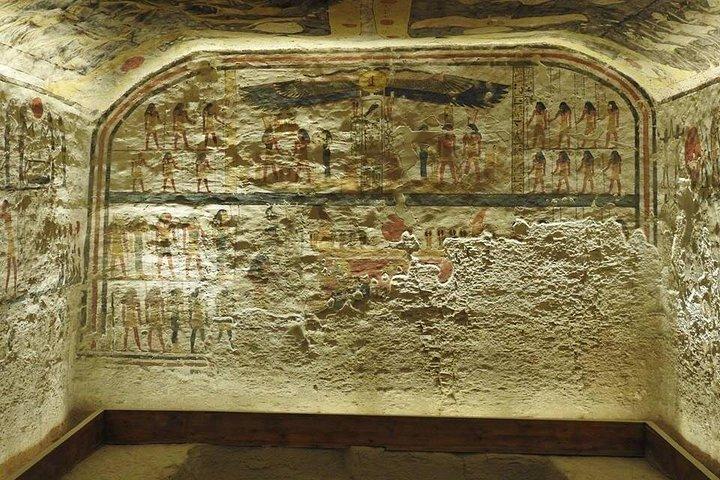
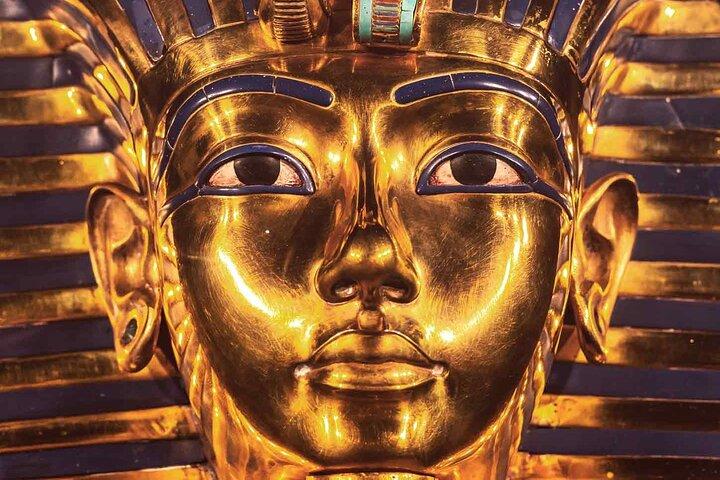
The Valley of the Kings is a historic site located on the west bank of the Nile River near Luxor, Egypt. It is one of the most significant burial grounds of the ancient Egyptian pharaohs, used from the 18th to the 20th dynasty. The valley contains many famous royal tombs, including that of Tutankhamun, Ramses II, and Seti I.
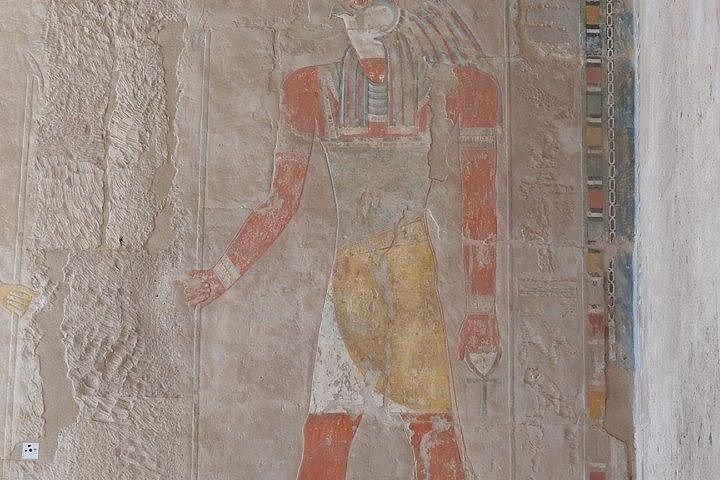
The tombs are renowned for their intricate designs and detailed wall paintings that depict scenes from the lives of the pharaohs and religious rituals, making it one of the most important archaeological sites in the world. The Valley of the Kings is a key location for scholars studying ancient Egyptian culture and history.
Temple of HatshepsutAdmission not included60 min
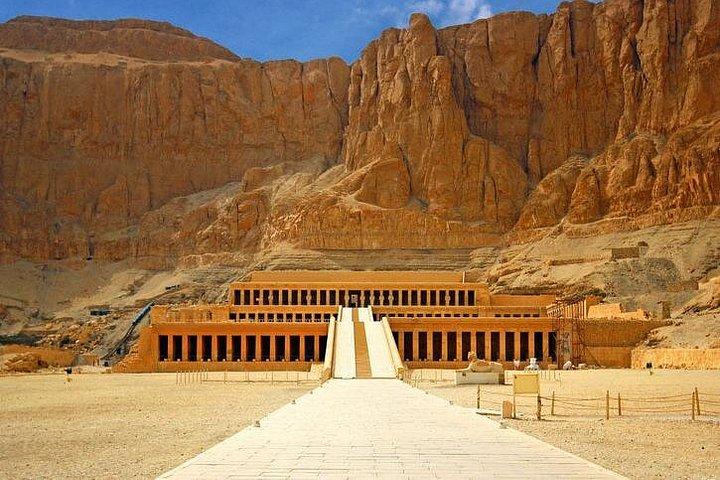
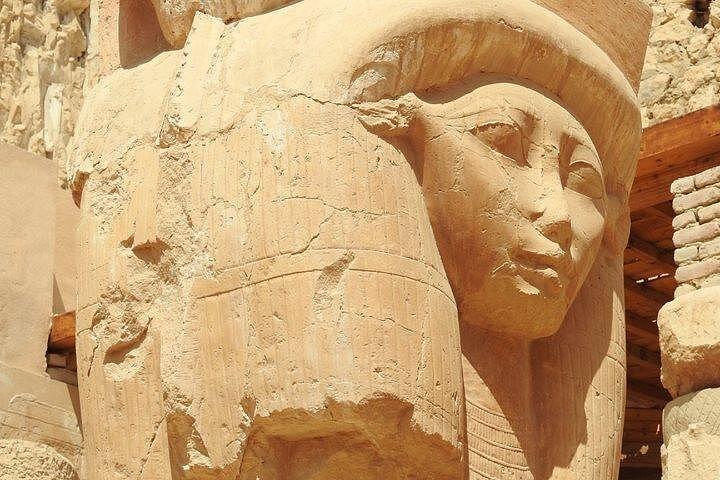
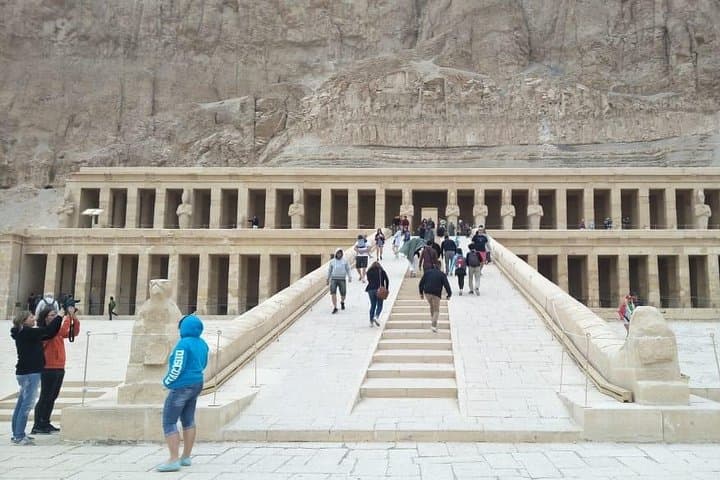
Hatshepsut's Temple, located in Deir el-Bahari on the west bank of the Nile near Luxor, is one of the most impressive mortuary temples of ancient Egypt. Built during the reign of Queen Hatshepsut in the 15th century BCE (18th Dynasty), the temple was dedicated to the god Amun-Ra.
The temple is known for its unique architectural design, featuring three terraced levels that rise above the surrounding landscape, with ramps leading visitors from one level to the next. It is seamlessly integrated into the natural cliffs of the Theban Mountains. The walls of the temple are adorned with intricate carvings and frescoes depicting scenes from Hatshepsut's life, including her famous trading expedition to the land of Punt.
Colossi of Memnon10 min
The Colossi of Memnon are two massive statues located on the west bank of the Nile near Luxor, Egypt. These statues represent Amenhotep III, one of Egypt's most powerful pharaohs of the 18th Dynasty. The statues, which stand about 18 meters (59 feet) tall, were originally part of a larger mortuary temple built by Amenhotep III, which has mostly been destroyed over time.
The statues depict Amenhotep III seated on his throne, with his hands resting on his knees. They are famous for the mysterious sound they made at dawn during the Roman period, which was believed to be the voice of the pharaoh himself. This phenomenon, known as the "singing" or "crying" of the statues, was later attributed to the wind and the temperature changes in the stone.
Today, the Colossi of Memnon stand as one of Egypt’s most iconic landmarks and are a major tourist attraction. They serve as a reminder of the grandeur and scale of ancient Egyptian monuments and the ingenuity behind their construction.
Karnak Open Air MuseumAdmission not included60 min
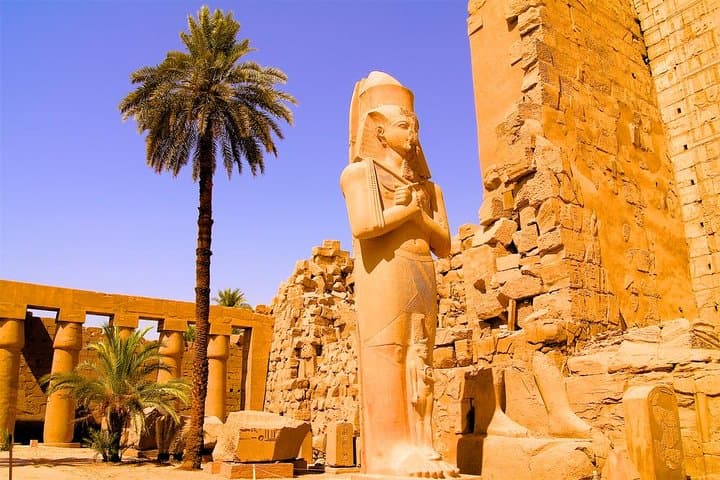
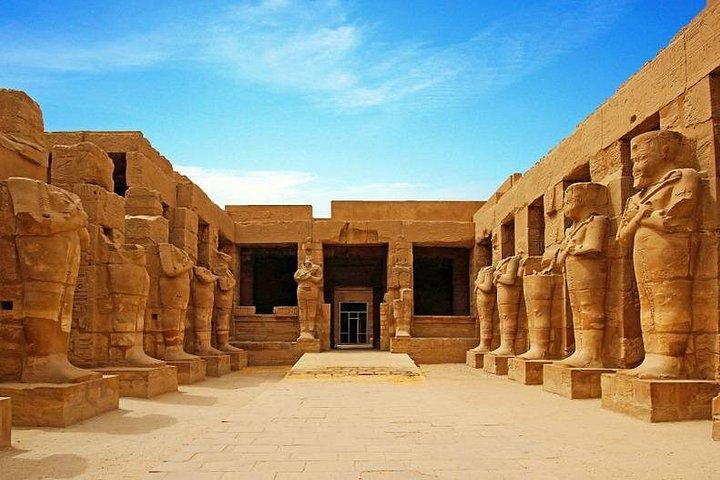
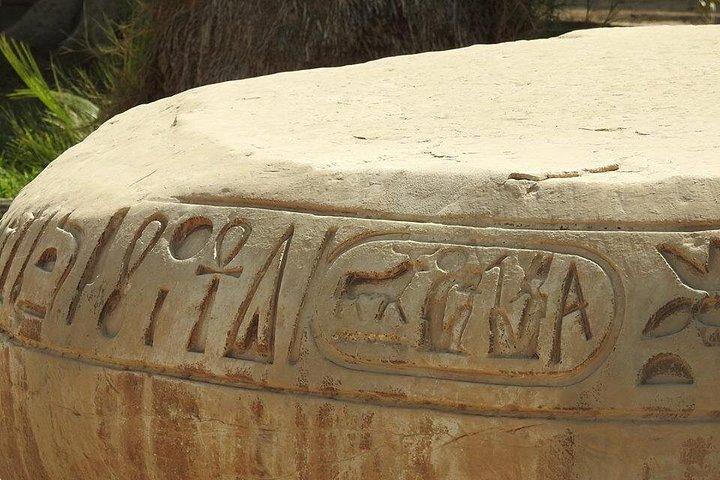
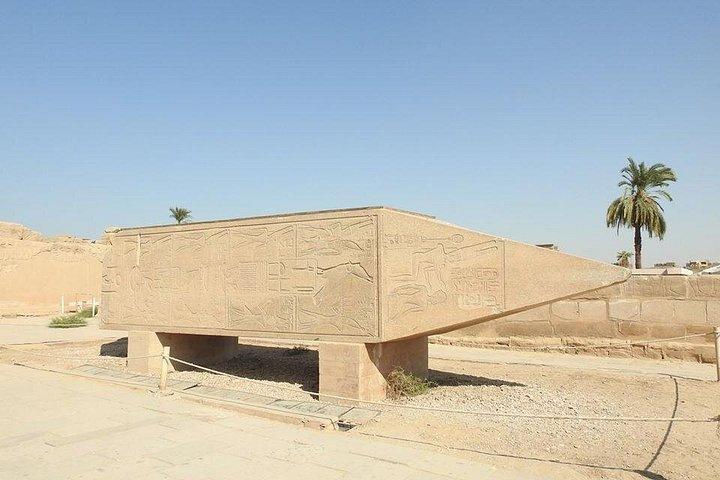
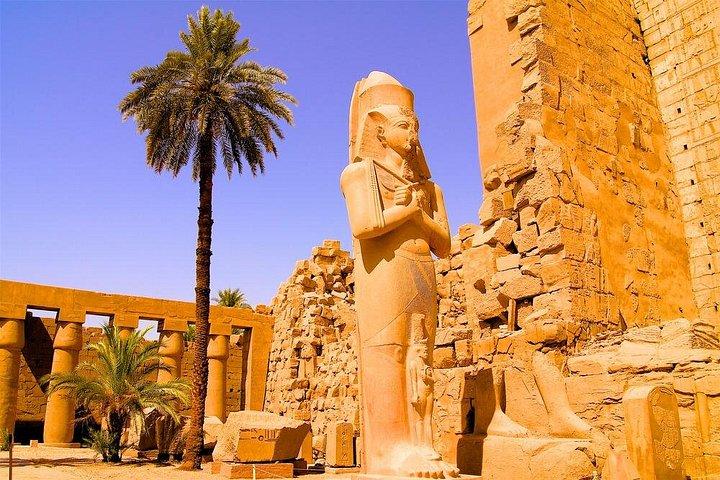
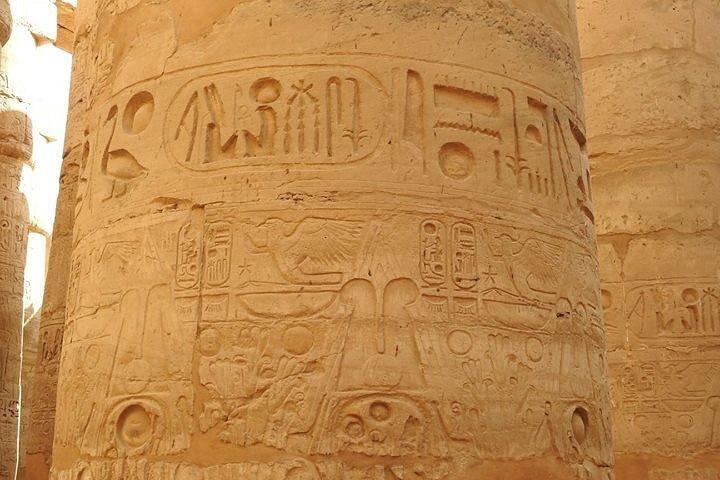
Karnak Temple, located in Luxor, Egypt, is one of the largest and most significant religious sites of ancient Egypt. It was primarily dedicated to the god Amun-Ra and became the most important temple complex in Egypt during the New Kingdom period (c. 1550–1070 BCE).
Luxor TempleAdmission not included45 min
Luxor Temple, located in the heart of Luxor, Egypt, is one of the most important and well-preserved temples of ancient Egypt. It was primarily dedicated to the god Amun-Ra, his wife Mut, and their son Khonsu, forming part of the Theban triad