Colonial Historical Walking Tour in Yogyakarta


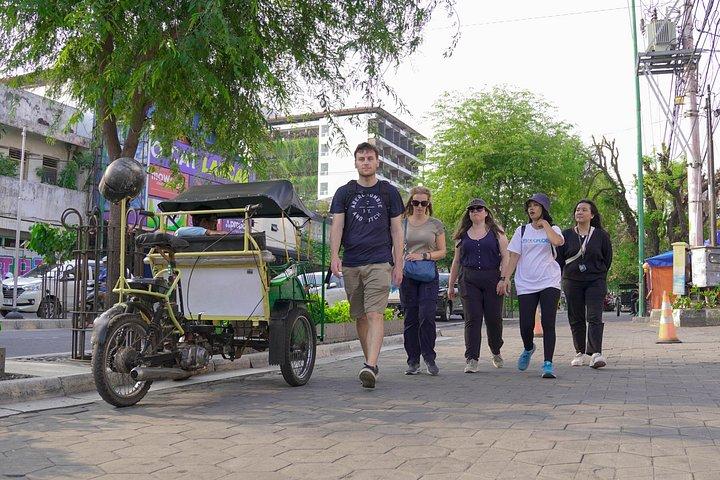

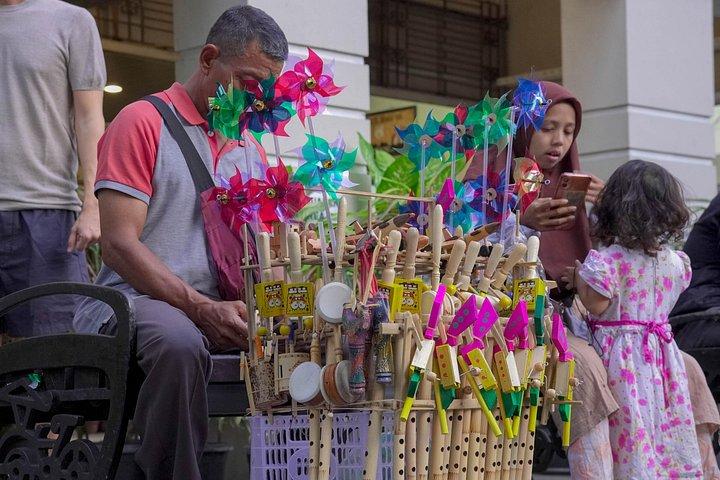
+4 photos


At a glance
- Duration
- 2 hours
- Price from
- $32 / person
- Location
- Yogyakarta, Indonesia
- Languages
- EN
- Group
- Small group, up to 30
- Cancellation
- Free cancellation up to 24 hours before
- Confirmation
- Instant
- Ticket
- Mobile or paper ticket accepted
- Operator
- YKExplore
- Meeting point
- Please kindly look for the YKExplore sign at the Tugu area. Our guide will contact you before the scheduled meeting time
Description
Experience the fascinating colonial history of Yogyakarta on a guided walking tour that takes you through the city’s most significant Dutch-era landmarks. This immersive tour will transport you back to the Dutch East Indies period, revealing stories of trade, governance, architecture, and resistance that shaped the city into what it is today. Wander through grand colonial buildings, bustling historical markets, old administrative centers, and cultural enclaves, each with its own unique story. This tour is perfect for history enthusiasts, cultural explorers, and photographers looking to capture Yogyakarta’s rich heritage beyond its temples and palaces.
Schedule & prices
- Runs
- Every day
- Start times
- 9:00 AM
- Next available
- Mon, Oct 12
- Adult (ages 10–65)
- $32
- Child (ages 1–9)
- $32
From the operator’s live schedule on Viator, checked Oct 11.
Tour Options
Itinerary
Yogyakarta Monument
Tugu Monument, often referred to as Tugu Pal Putih, is one of Yogyakarta’s most iconic historical landmarks. Built in 1755 by Sultan Hamengkubuwono I, this towering white pillar stands at the heart of the city, symbolizing the unity between the Sultan and his people. During the Dutch colonial period, the original structure was damaged in an earthquake in 1867 and later reconstructed with modifications by the Dutch government. The new design, completed in 1889, features European architectural influences, reflecting the colonial presence in Yogyakarta at the time.
During the colonial era, press buildings like this one were essential in disseminating news, often controlled by the Dutch to regulate information. After Indonesia’s independence, Kedaulatan Rakyat transformed the space into a symbol of freedom, using it to voice the aspirations of the Indonesian people.
Mantenga Nature Reserve & Cultural Village
Tugu Hotel is a historical landmark that offers a glimpse into the city’s colonial past. Originally built during the Dutch colonial period, this elegant structure reflects the architectural grandeur of the early 20th century, with its Indo-European design, high ceilings, and antique furnishings that transport visitors back in time.
Tetenger Yogya Kembali serves as a tribute to the city’s struggle for independence from Dutch colonial rule. This monument marks the moment when Yogyakarta was officially returned to Indonesian control on June 29, 1949, after a period of Dutch occupation during the Indonesian National Revolution.
A Colonial-Era Luxury Hotel During the colonial period, this hotel was a prestigious meeting place for Dutch elites and later played a role in Indonesia’s fight for independence. Its strategic location made it a witness to important historical events, including the Dutch occupation and the Indonesian struggle for sovereignty.
During the colonial period, this hotel was a prestigious meeting place for Dutch elites and later played a role in Indonesia’s fight for independence. Its strategic location made it a witness to important historical events, including the Dutch occupation and the Indonesian struggle for sovereignty.
Standing proudly at the entrance of Kampoeng Ketandan, the Páifāng (牌坊), or Ketandan Gate, is a striking symbol of Yogyakarta’s rich Chinese-Indonesian heritage. This beautifully decorated archway marks the entrance to Ketandan, a historic Chinese quarter that dates back to the Dutch colonial period, when Chinese immigrants were designated to live and trade in specific areas under colonial regulations.
Pasar Beringharjo
The current colonial-style building, with its symmetrical façade and large archways, was constructed in the 1920s as part of Dutch efforts to modernize Yogyakarta’s infrastructure. The Dutch administration sought to regulate trade by providing a formalized market space, reinforcing their economic control over the region.
originally built during the Dutch colonial period, is one of Yogyakarta’s oldest Protestant churches. Established in the mid-19th century, it served as a place of worship for Dutch settlers, officials, and other European expatriates living in the city.
Located at the southern end of Malioboro Street, Kantor Pos Besar Yogyakarta (Yogyakarta Main Post Office) is a prominent landmark from the Dutch colonial period, built in the early 20th century as part of the Netherlands’ expanding postal network in the Dutch East Indies.
Bank Indonesia
Standing majestically at the intersection of Malioboro Street and Yogyakarta’s heritage district, Bank Indonesia Yogyakarta is a striking example of Dutch colonial architecture. Built in the early 20th century, this building was originally home to De Javasche Bank, the central financial institution of the Dutch East Indies, which played a crucial role in regulating the colony’s economy and trade.
What's included
Included
English Speaking Guide
Mineral Water
Not included
Tips
Personal Expenses
How it compares in Yogyakarta
- Starting price $32 is close to the typical $30 for tours of similar length in Yogyakarta
Excurgo comparison of 529 Viator tours, recalculated daily.
Important Information
- Service animals allowed
- Public transportation options are available nearby
- Suitable for all physical fitness levels
- lease note that during this tour, participants may encounter varying accounts of historical events due to the Indonesian perspective provided. Historical narratives can differ based on cultural viewpoints and interpretations. We strive to offer a comprehensive understanding by incorporating local insights, which may present alternative or additional details compared to other sources.
Cancellation
For a full refund, cancel at least 24 hours before the scheduled departure time.
1+ days before100% refund
0–1 days before0% refund
Frequently asked questions
How long does Colonial Historical Walking Tour in Yogyakarta take?
Colonial Historical Walking Tour in Yogyakarta lasts about 2 hours. The itinerary has 11 stops.
How much does Colonial Historical Walking Tour in Yogyakarta cost?
Prices start at $32 per person for this Yogyakarta experience, booked through Viator with the price shown before checkout. There is 1 booking option, so the final price depends on the option you choose.
What days does Colonial Historical Walking Tour in Yogyakarta run?
According to the operator’s current schedule, it runs every day, starting at 9:00 AM.
How much does Colonial Historical Walking Tour in Yogyakarta cost for children?
Children aged 1–9 pay from $32, adults from $32.
Can I cancel Colonial Historical Walking Tour in Yogyakarta for free?
Yes. Cancel at least 1 day before the start for a full refund. Later cancellations are non-refundable.
Where does the tour start?
The meeting point is Please kindly look for the YKExplore sign at the Tugu area. Our guide will contact you before the scheduled meeting time. Hotel pickup is not part of this experience.
What languages is Colonial Historical Walking Tour in Yogyakarta offered in?
The experience is available in EN.
Is this a private or a group tour?
It is a small-group experience with a maximum of 30 participants.
Will my booking be confirmed immediately?
Yes, bookings are confirmed instantly.
Compare similar tours in Yogyakarta
- Lowest price: Yogyakarta: Culinary and Heritage Guided Walking Tour — $13
- Best rated: Small-Group Walking and Food Tour by Night in Yogyakarta — 5.0 (361 reviews)
- Shortest: Colonial Historical Walking Tour in Yogyakarta — 2 hours
| Tour | Duration | Rating | Price | |
|---|---|---|---|---|
| Colonial Historical Walking Tour in Yogyakarta | 2 hours | — | $32 | |
 Yogya Day Historical Walking Tour Yogya Day Historical Walking Tour | 3 hours | — | $33 | View |
 Yogyakarta Historical and Food Tour Yogyakarta Historical and Food Tour | 3 hours | 5.0 (15) | $29 | View |
 Yogyakarta: Culinary and Heritage Guided Walking Tour Yogyakarta: Culinary and Heritage Guided Walking Tour | 3 hours | 5.0 (7) | $13 | View |
 Semarang Evening Walking and Food Tour Semarang Evening Walking and Food Tour | 3 hours | — | $37 | View |
 Yogyakarta Day Historical Walking Tour Yogyakarta Day Historical Walking Tour | 3 hours | — | $31 | View |
 Small-Group Walking and Food Tour by Night in Yogyakarta Small-Group Walking and Food Tour by Night in Yogyakarta | 3–4 hours | 5.0 (361) | $33 | View |
from$32
Free cancellation