Baltimore Black History Walking Tour


+2 photos

At a glance
- Duration
- 2 hours
- Price from
- $59 / person
- Location
- Baltimore, United States
- Languages
- EN, EN
- Group
- Small group, up to 12
- Cancellation
- Free cancellation
- Confirmation
- Instant
- Ticket
- Mobile or paper ticket accepted
- Operator
- Taste of Freedom Tours
- Meeting point
- Guests will meet their Taste of Freedom guide outside the Baltimore Visitor Center, 401 Light Street, Baltimore, MD 21202, at Baltimore's Inner Harbor. Please arrive 10–15 minutes before the scheduled departure time. Your guide will meet the group near the main entrance to the Visitor Center.
Description
Baltimore’s Black history hidden in plain sight. Walk the actual streets where slavery, freedom-seeking, resistance, Black institution-building, and the first blood shed in the Civil War collided. Through expert storytelling, archival context, and place-based interpretation, discover Harriet Tubman, Frederick Douglass, Nicholas “Nick” Biddle, and the free Black communities that helped shape the nation.
Tour Options
Itinerary
Inner Harbor
Discover Baltimore’s world-famous Inner Harbor as the starting point for a deeper story of the city. As your guide welcomes you to Baltimore, learn how this waterfront connected America to the world through commerce, ships, railroads, and human movement, and why these same streets became a crossroads of slavery, freedom-seeking, resistance, and revolution.
Inner Harbor
Stand at the site of historic Bowley’s Wharf and uncover a hidden chapter of Baltimore’s waterfront. In the 19th century, these busy wharves connected Baltimore to global commerce, but also to the domestic slave trade that forcibly transported Black men, women, and children south. Discover the stories of enslaved people, free Black sailors, and merchants as you begin to see what was really happening along this waterfront.
Inner Harbor
Stand at historic Smith’s Wharf, where Frederick Douglass wrote that he first landed in Baltimore as an 8-year-old boy in March 1826. Arriving from Maryland’s Eastern Shore, Frederick Augustus Washington Bailey encountered a bustling urban waterfront unlike anything he had known before. Discover why Baltimore became a defining place in his life and how coming to this city helped open a gateway to possibilities that would eventually lead toward freedom.
Inner Harbor
Stand at Dugan’s Wharf, the Baltimore waterfront where Harriet Tubman’s October 21, 1856 rescue of Tilly unfolded. Learn how Tubman used Baltimore’s crowded harbor, transportation routes, and free Black networks to help move a young enslaved woman toward freedom. Discover why this daring mission required extraordinary courage, careful planning, and an unexpected “go south to go north” strategy that ultimately carried Tilly beyond the reach of slavery.
President Street Station
Stand at historic President Street Station and explore one of Baltimore’s most important transportation crossroads. Learn how the railroad network connecting Baltimore to the North became part of Frederick Douglass’s 1838 escape from slavery, and how this same corridor later became a flashpoint during the opening days of the Civil War.
Stand at historic Slemmers Alley and uncover one of Baltimore’s lesser-known connections to Harriet Tubman’s Underground Railroad work. Here, her brother-in-law Tom Tubman lived within the city’s free Black waterfront community. Learn how this neighborhood became a place of refuge, planning, and trusted connections during Tubman’s first documented rescue mission in 1850.
Inner Harbor
Stand at historic O’Donnell’s Wharf and uncover one of the most sobering chapters of Baltimore’s waterfront. Here, the Yates & Harrison auction house operated beside the docks, where enslaved men, women, and children were bought, sold, and transported through the domestic slave trade. Discover how slavery operated not at the margins of Baltimore’s economy, but in the middle of its commercial waterfront.
Baltimore Visitor Center
The experience is designed in two one-hour sections, with a midpoint return to the Baltimore Visitor Center for a brief restroom and comfort break before continuing into the second half of the tour.
Stand at the original site of Sharp Street African Methodist Church and discover one of the most influential institutions in early Black Baltimore. Founded in 1787, the congregation became a center of faith, education, community leadership, and resistance. Learn how educators and abolitionists including William J. Watkins helped make literacy and public advocacy tools of freedom, and how that intellectual tradition shaped his niece, Frances Ellen Watkins Harper.
CFG Bank Arena
Stand at the former site of Lilly’s Tavern and discover the story of Nicholas “Nick” Biddle, a 65-year-old Black man from Pottsville, Pennsylvania, who became the first man to shed blood in the Civil War. As you walk the same streets Biddle traveled with the Pennsylvania First Defenders on April 18, 1861, uncover how an ordinary Baltimore commercial district became the setting for an extraordinary confrontation over slavery, Union, and the future of the nation.
Stand at the former site of Hope H. Slatter’s slave jail, one of Baltimore’s largest and most notorious centers of the domestic slave trade. Enslaved men, women, and children were confined here while awaiting sale or forced transportation to the Deep South. Follow Nicholas “Nick” Biddle’s 1861 route through a landscape where the buying, selling, and imprisonment of Black people operated in plain sight, before continuing toward Camden Station and a violent confrontation.
Camden Station- Camden Yards
Stand at historic Camden Station at Camden Yards and follow Nicholas “Nick” Biddle to the moment a Baltimore riot erupted on April 18, 1861. As the Pennsylvania First Defenders struggled through a hostile crowd of roughly 2,500 Confederate sympathizers toward trains bound for Washington, Biddle, the only Black man marching with the group, was struck in the head by a brick and continued forward bleeding. Discover why this site, beside the former Joseph S. Donovan slave jail, became the setting for the first blood shed in the Civil War and a powerful collision of slavery, race, Union, and freedom.
Inner Harbor
Stand at the former site of Bernard M. Campbell’s slave pen and discover a remarkable moment when freedom entered through the doors of Baltimore’s slave jails. On July 24, 1863, Colonel William Birney acted under Special Order No. 202 as Union forces moved against Baltimore’s slave-trading operations and freed Black men, women, and children being held in captivity. Discover how some of the men who walked out of these jails went on to enlist in the United States Colored Troops and fight for the freedom of others.
Inner Harbor
Return to Baltimore’s waterfront for the final chapter of the Taste of Freedom experience. After walking through stories of slavery, resistance, freedom-seeking, Black institutions, the Civil War, and liberation, reflect on the people and places you discovered along the way. The experience concludes with a conversation about what you learned, what surprised you, and which of Baltimore’s hidden freedom stories deserve to be remembered.
What's included
Included
Taste of Freedom: Baltimore Digital Companion
Historic images and archival materials
Expert-guided Baltimore Black history walking experience
Historical interpretation and storytelling at 14 locations
Not included
Food and drink: Food and beverages
Fees: Parking fees
Other: Transportation to and from the meeting point
Important Information
- Infants and small children can ride in a pram or stroller
- Service animals allowed
- Public transportation options are available nearby
- Not recommended for travelers with spinal injuries
- Not recommended for pregnant travelers
- Not recommended for travelers with poor cardiovascular health
- Suitable for all physical fitness levels
Cancellation
For a full refund, cancel at least 24 hours before the scheduled departure time.
1+ days before100% refund
0–1 days before0% refund
Frequently asked questions
How long does Baltimore Black History Walking Tour take?
Baltimore Black History Walking Tour lasts about 2 hours. The itinerary has 14 stops.
How much does Baltimore Black History Walking Tour cost?
Prices start at $59 per person for this Baltimore experience, booked through Viator with the price shown before checkout. There is 1 booking option, so the final price depends on the option you choose.
Can I cancel Baltimore Black History Walking Tour for free?
Yes. Cancel at least 1 day before the start for a full refund. Later cancellations are non-refundable.
Where does the tour start?
The meeting point is Guests will meet their Taste of Freedom guide outside the Baltimore Visitor Center, 401 Light Street, Baltimore, MD 21202, at Baltimore's Inner Harbor. Please arrive 10–15 minutes before the scheduled departure time. Your guide will meet the group near the main entrance to the Visitor Center. Hotel pickup is not part of this experience.
What languages is Baltimore Black History Walking Tour offered in?
The experience is available in EN, EN.
Is this a private or a group tour?
It is a small-group experience with a maximum of 12 participants.
Is the tour suitable for children?
Infants and small children can ride in a pram or stroller
Will my booking be confirmed immediately?
Yes, bookings are confirmed instantly.
Compare similar tours in Baltimore
- Lowest price: Baltimore Downtown Poe Ruth and More GPS Self Guided Walking Tour — $10
- Best rated: Baltimore Walking Foodie Tour in Fells Point — 4.9 (199 reviews)
- Shortest: Baltimore History Sail on the Summer Wind — 1h 30min
| Tour | Duration | Rating | Price | |
|---|---|---|---|---|
| Baltimore Black History Walking Tour | 2 hours | — | $59 | |
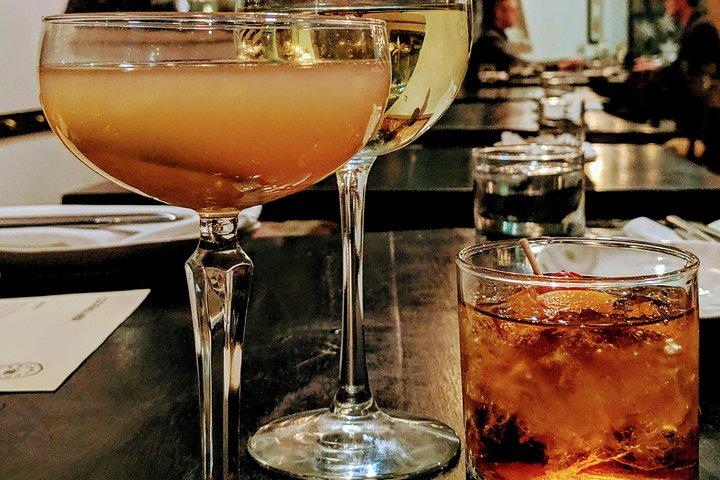 Baltimore Walking Foodie Tour in Fells Point Baltimore Walking Foodie Tour in Fells Point | 4 hours | 4.9 (199) | $104 | View |
 Baltimore History Sail on the Summer Wind Baltimore History Sail on the Summer Wind | 1h 30min | 4.9 (74) | $65 | View |
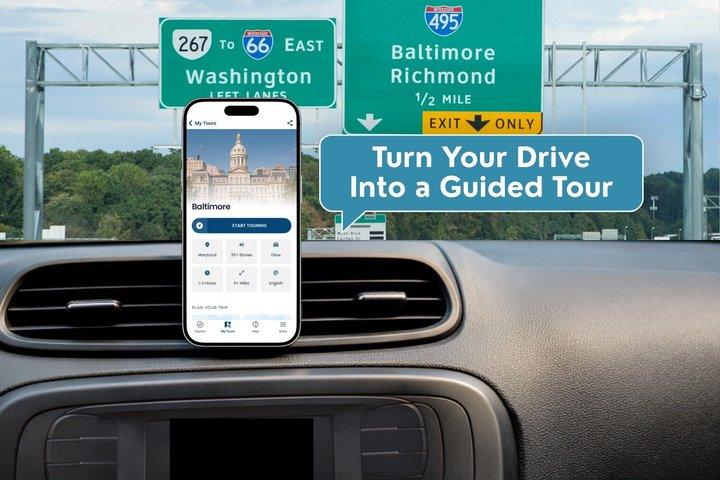 Baltimore Walking & Driving Self-Guided Audio Tour Baltimore Walking & Driving Self-Guided Audio Tour | 1–3 hours | 3.5 (31) | $17 | View |
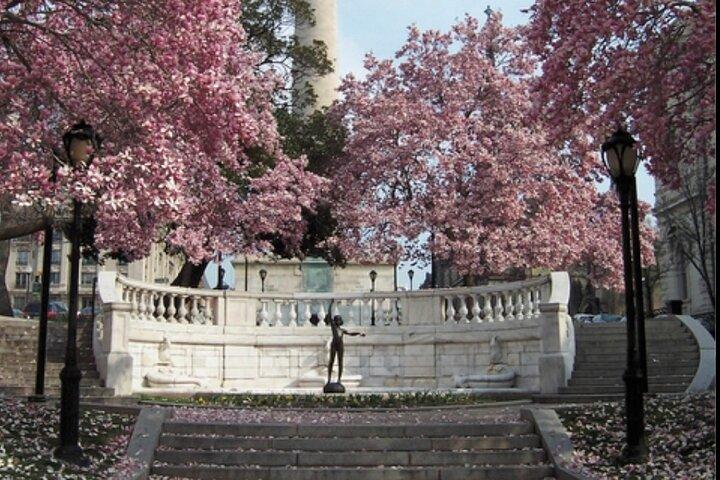 Mount Vernon and The Millionaires, 2 hour walking tour Mount Vernon and The Millionaires, 2 hour walking tour | 2 hours | 5.0 (21) | $30 | View |
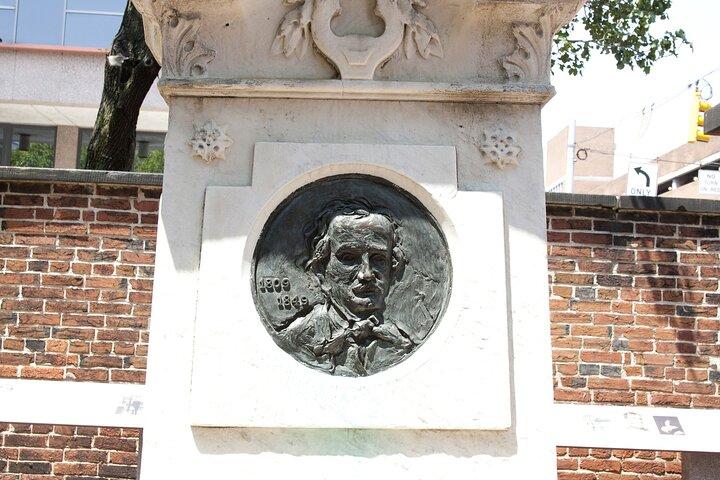 Baltimore Downtown Poe Ruth and More GPS Self Guided Walking Tour Baltimore Downtown Poe Ruth and More GPS Self Guided Walking Tour | 1h–1h 30min | 5.0 (3) | $10 | View |
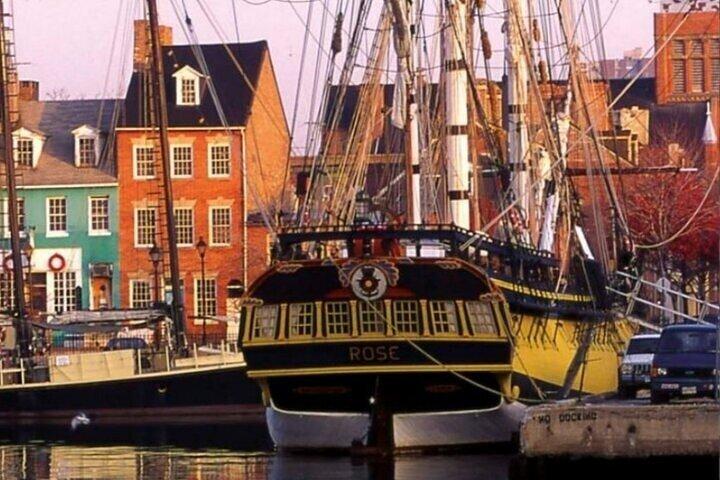 Salty Old Fells Point 1.5 Hour Walking Tour Salty Old Fells Point 1.5 Hour Walking Tour | 1h 30min | 5.0 (2) | $25 | View |
from$59
Free cancellation