
Travel guide · South Korea
Seoul Travel Guide 2026: palace tickets, DMZ rules, Climate Card, best months and real costs
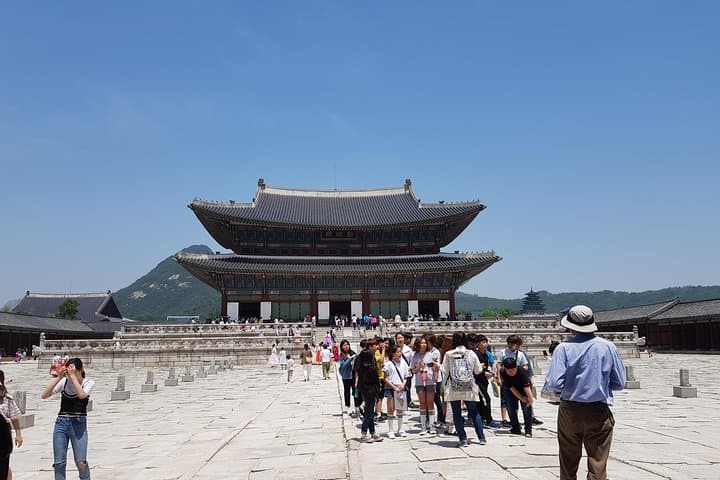
Geunjeongjeon, the throne hall of Gyeongbokgung Photo: kallerna, CC BY-SA 4.0
Seoul is a capital of about 9.6 million people where the five Joseon royal sites cost KRW 1,000 to 5,000 and the DMZ's Third Tunnel lies only about 52 km from the city. The decisions that matter are which DMZ tour to take now that the Joint Security Area is closed to ordinary visitors, which day each palace closes, and how to get around cheaply with the new Climate Card tourist pass. This guide gives current official prices and rules, clear verdicts on seasons, neighbourhoods and day trips, and live prices from 1,440 bookable tours.
Seoul at a glance
Seoul's special city counted about 9.58 million residents in early 2026. For visitors, the historic core is the cluster of Joseon-era royal sites north of the Han River: Gyeongbokgung, Changdeokgung, Changgyeonggung, Deoksugung and the Jongmyo royal shrine, which UNESCO listed in 1995. Namsan and its tower sit just south of that core, while Gangnam, Jamsil and the Lotte World Tower lie across the river.
The money in Seoul goes on hotels, food and tours, not on sights: palace tickets cost the price of a coffee, and many temple and national park entrances outside the city have been free for years. The rest of this guide answers the questions travellers actually ask, in the order you need to decide them. For tours by category, see our Seoul tours page.
| Population | About 9.58 million (special city, Q1 2026) |
|---|---|
| Main airport | Incheon, about 43 minutes to Seoul Station by AREX Express |
| Getting around | Subway from KRW 1,550 by card; buses; taxis from KRW 4,800 |
| Tourist pass | Climate Card: KRW 5,000 (1 day) to KRW 20,000 (7 days), plus KRW 3,000 card |
| Typical palace ticket | KRW 1,000–3,000; KRW 6,000 for five sites |
| Distance to the DMZ | The Third Tunnel is about 52 km from Seoul |
| Entry | K-ETA exemption for listed countries until 31 December 2026; e-Arrival card online |
| Help line | 1330 Korea Travel Helpline, +82-2-1330, English spoken |
Seoul in pictures
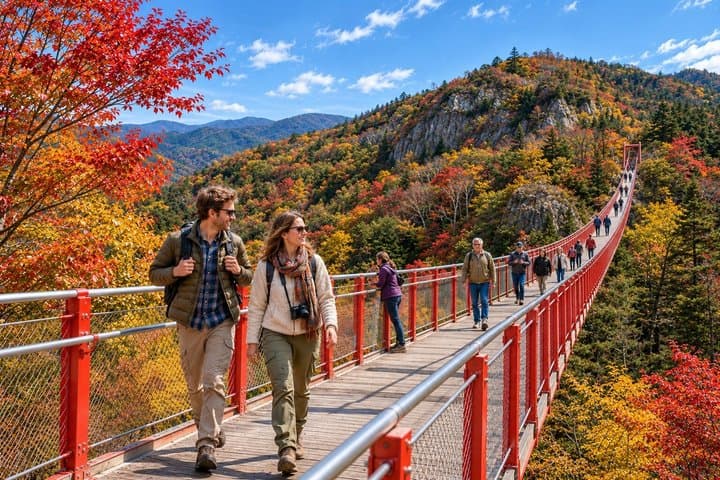
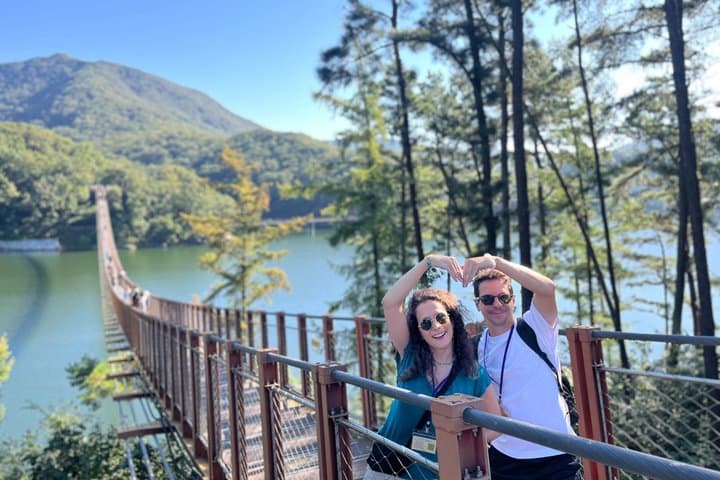
Tap a photo to enlarge it. Photos: Arturbraun, Republic of Korea, lumoplank, Basile Morin, USAGI_POST — Wikimedia Commons.
Can you still visit the DMZ and the JSA from Seoul?
Yes to the DMZ sites near Paju, no to the JSA for ordinary tourists
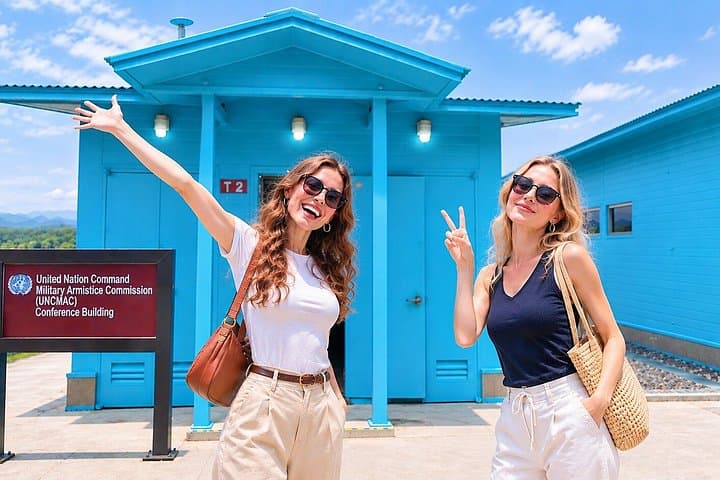
The Joint Security Area at Panmunjom, the blue huts on the border line, has been closed to ordinary public tours since a US soldier crossed into North Korea during a visit in July 2023. The UN Command restarted only special tours in May 2025, and these are limited to military officers of colonel rank or above and senior civil servants, with exceptions at the Command's discretion. Any tour sold to a regular tourist as 'JSA' should be read carefully: several bundle a museum or a viewpoint instead.
What you can visit are the sites around Imjingak in Paju. The Third Tunnel, found in 1978, is 1.6 km long and lies about 52 km from Seoul; Dora Observatory looks across the border. Both are reached on reserved tours that start at Imjingak, both are closed on Mondays, and both require a passport or Alien Registration Card. The Third Tunnel also closes on weekday public holidays and over Seollal and Chuseok.
| Site | Access | Closed | ID |
|---|---|---|---|
| Joint Security Area (Panmunjom) | UN Command special tours only, for senior officials and officers | Not open to ordinary tourists | — |
| Third Tunnel | Reserved tour from Imjingak; open 09:10–14:40 | Mondays, weekday holidays, Seollal, Chuseok | Passport or ARC |
| Dora Observatory | DMZ Peace Tour from Imjingak; listed 10:00–17:00 | Mondays | Passport |
| Imjingak | Outside the Civilian Control Line; public transport from Seoul | — | — |
Non-Koreans travelling on their own are not guaranteed entry beyond the Civilian Control Line, and most sites past it have no public transport, so for nearly everyone a tour from Seoul is the practical choice. Tours can also be cancelled at short notice when tension rises, which tends to happen after missile tests or during South Korea–US exercises.
Verdict: Take a half-day or full-day DMZ tour from Seoul on any day except Monday, and carry your passport. Skip anything advertised as a JSA visit unless the operator states in writing that you are eligible; for tourists, the JSA is not on the menu in 2026.
134 Highest-rated DMZ tours from Seoul tours on Excurgo · from $38, typical $120 per person · rated 4.9 across 183,232 reviews
The DMZ is a live military area. Photo rules vary by site; follow your guide's instructions.
Which Seoul palaces should you see, and what do tickets cost?
Gyeongbokgung and Changdeokgung first; the KRW 6,000 combined ticket pays off at three sites
Seoul's palaces are cheap and walk-in, and foreign and Korean visitors pay the same. The catch is the closing days, which are split: Gyeongbokgung and Jongmyo close on Tuesdays, while Changdeokgung, Changgyeonggung and Deoksugung close on Mondays. Plan the palace day around that and you will never meet a locked gate.
| Site | Adult ticket | Closed | Notes |
|---|---|---|---|
| Gyeongbokgung | KRW 3,000 | Tuesday | Guard ceremony 10:00 and 14:00; no free Culture Day |
| Changdeokgung | KRW 3,000 | Monday | Secret Garden (Huwon) KRW 5,000 extra, guided only |
| Changgyeonggung | KRW 1,000 | Monday | Open 09:00–21:00 |
| Deoksugung | KRW 1,000 | Monday | Open 09:00–21:00; Seokjojeon by reservation |
| Jongmyo Shrine | KRW 1,000 | Tuesday | Guided tours only on Mon, Thu, Fri |
| Combined ticket | KRW 6,000 | — | One entry to each of the five; 6 months; excludes Huwon |
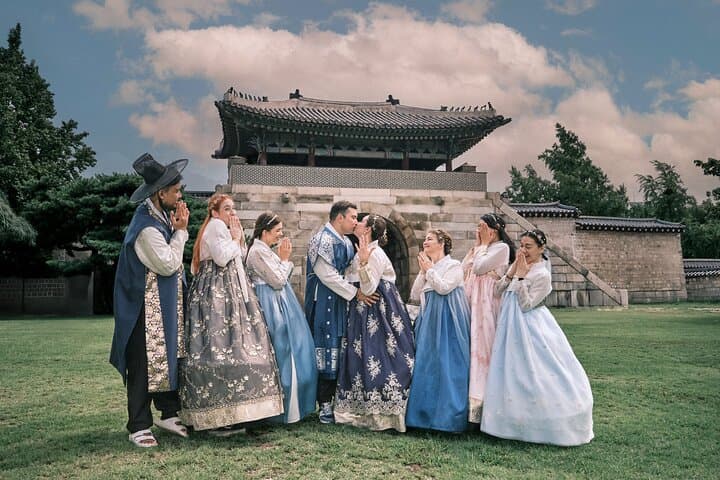
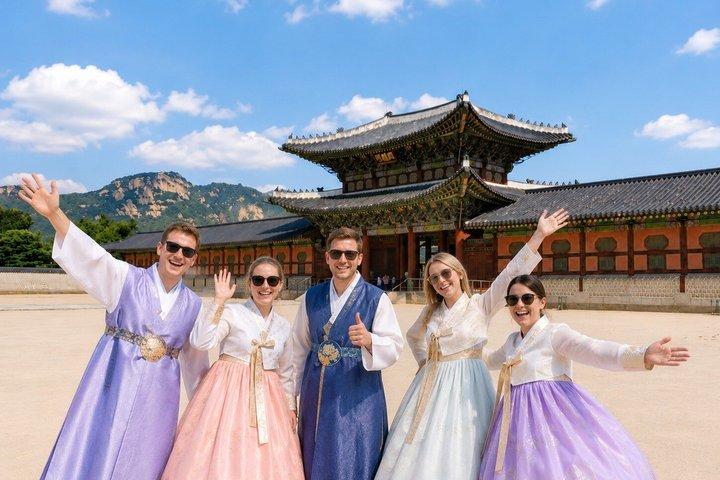
Entry is free for foreign visitors aged 18 and under or 65 and over, and for anyone wearing hanbok, traditional Korean dress. Every Wednesday is also a free Culture Day at the palaces, except at Gyeongbokgung and the Secret Garden. Those rules mean many visitors never buy a ticket at all.
The combined ticket costs KRW 6,000 against KRW 9,000 for all five sites separately, and it stays valid for six months. It does not include the Secret Garden, which needs its own KRW 5,000 ticket plus a main Changdeokgung ticket.
Verdict: Buy the KRW 6,000 combined ticket only if you will visit at least Gyeongbokgung, Changdeokgung and one more site; for one or two palaces, single tickets are cheaper. If you plan to rent hanbok anyway, wear it on palace day and skip tickets entirely (except the Secret Garden).
Visitors are asked to leave about 30 minutes before closing, and hours can change for operational reasons.
When is the best time to visit Seoul?
April–May and late September–October are the best months
Seoul has hard seasons. January averages a high of 2 °C and a low of -5.5 °C, while August averages 30 °C. The bigger problem in summer is rain: July and August together bring well over half of the city's roughly 1,418 mm a year, and the monsoon, usually June and July, can cause floods and landslides in hilly areas.
| Month | Avg high | Avg low | Rain | Verdict |
|---|---|---|---|---|
| January | 2.1 °C | -5.5 °C | 17 mm | Coldest month; ski trips |
| February | 5.1 °C | -3.2 °C | 28 mm | Cold; few crowds |
| March | 11.0 °C | 1.9 °C | 37 mm | Cool; chilly nights |
| April | 17.9 °C | 8.0 °C | 73 mm | Best: cherry blossom season |
| May | 23.6 °C | 13.5 °C | 104 mm | Best: warm, green |
| June | 27.6 °C | 18.7 °C | 130 mm | Warm; rains begin |
| July | 29.0 °C | 22.3 °C | 414 mm | Wettest month; monsoon |
| August | 30.0 °C | 22.9 °C | 348 mm | Hottest; typhoon risk |
| September | 26.2 °C | 17.7 °C | 142 mm | Good from mid-month |
| October | 20.2 °C | 10.6 °C | 52 mm | Best: dry, clear, foliage begins |
| November | 11.9 °C | 3.5 °C | 51 mm | Foliage early in the month; cold by the end |
| December | 4.2 °C | -3.4 °C | 23 mm | Cold and dry |
Cherry blossom is a short window: the 2026 Yeouido Spring Flower Festival ran from 3 to 7 April, along Yeouiseo-ro by the river. In autumn, the city expected the leaves to peak from late October to early or mid-November 2026 and published 110 foliage walking trails covering 167 km.
Typhoon season normally runs from June to November, so any summer or early-autumn trip should leave slack for a lost day. Cold is the winter issue: the royal guard ceremony can be scaled down in severe cold or heat.
Verdict: Go in mid-April to May or in October. If you can only travel in summer, put the palaces in the morning, keep indoor options for rainy afternoons, and expect to lose a day to weather.
How do you get from Incheon Airport to Seoul and around the city?
Take the all-stop AREX train and buy a Climate Card for busy sightseeing days
The AREX Express runs non-stop from Incheon to Seoul Station in about 43 minutes with reserved seats, and the adult fare is now KRW 13,000. Many guides still quote KRW 9,500, which is out of date. The all-stop AREX takes about 59 minutes, costs KRW 4,750 with a transport card, and runs direct to Hongik Univ. station for Hongdae in about an hour.
| Option | Time to centre | Adult fare | Best for |
|---|---|---|---|
| AREX all-stop | About 59 min to Seoul Station | KRW 4,750 (card) | Most travellers; Hongdae direct |
| AREX Express | About 43 min to Seoul Station | KRW 13,000 | Hotels near Seoul Station |
| Airport limousine bus | About 60–80 min | About KRW 16,000–18,000 | Heavy luggage |
| Taxi | About 50 min to Myeong-dong | Meter plus tolls | Groups, late arrivals |
In the city, the subway is the backbone. With a transport card the adult base fare has been KRW 1,550 for the first 10 km since 28 June 2025; single-journey tickets cost more. The Climate Card tourist pass gives unlimited rides on the Seoul subway and Seoul buses for KRW 5,000 (1 day), 8,000 (2), 10,000 (3), 15,000 (5) or 20,000 (7), plus KRW 3,000 for the physical card, which machines in Line 1–8 stations sell for cash.
Know the gaps before you buy: the Climate Card does not cover the Sinbundang Line, GTX, stations outside Seoul, airport buses or Seoul Bike, and you can ride it to Incheon Airport but not board at the airport. That means it will not pay your ride in from Incheon, and it will not cover a train to Suwon's stations outside the city. A pass also cannot be charged ahead; it runs from first to last train on the dates you load it.
Taxis start at KRW 4,800 for the first 1.6 km by day, rising to KRW 5,800 or KRW 6,700 at night, and those night fares already include the surcharge. Drivers often speak little English, so keep your destination written in Korean. Kakao T, the K.ride app built for foreign visitors, and Uber all work.
Verdict: Arrive on the all-stop AREX unless you are staying beside Seoul Station. Buy a Climate Card only for days with four or more rides; on lighter days a pay-as-you-go card at KRW 1,550 a journey costs less.
What are the best things to do in Seoul?
Gyeongbokgung and the guard change at Gwanghwamun Must do· Morning, not Tuesday
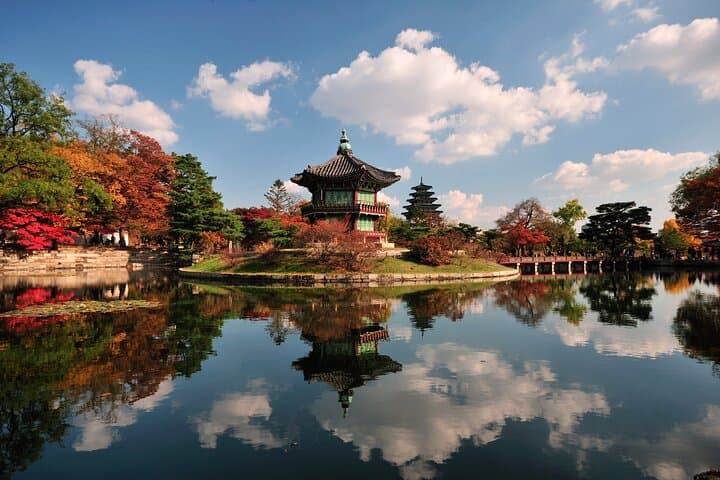
Gyeongbokgung is the palace most first-time visitors start with, and its throne hall, Geunjeongjeon, faces a broad stone courtyard. Time your arrival for the royal guard changing ceremony in front of Gwanghwamun, the main gate, at 10:00 or 14:00 on any day but Tuesday. Entry is KRW 3,000, or free in hanbok.
124 Top-rated palace and city tours tours on Excurgo · from $7, typical $75 per person · rated 4.9 across 15,259 reviews
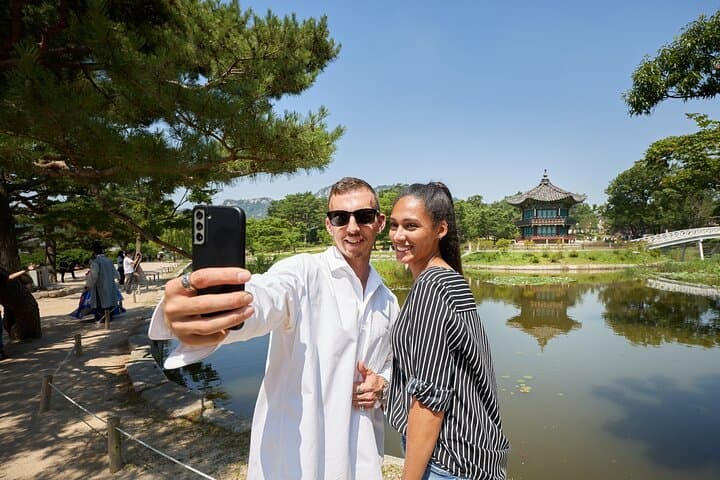
Changdeokgung and its Secret Garden Must do· Book the garden tour; not Monday
Changdeokgung is the palace to choose if you only see two. Its rear garden, Huwon, can be visited only on guided, timed tours of up to 100 people: half the places are reserved online and half are sold on the day. English tours run at 10:30, 11:30 and 14:30, plus 15:30 from March to November. The garden ticket is KRW 5,000 on top of the KRW 3,000 palace ticket.
Jongmyo Shrine, the UNESCO-listed royal shrine Worth it· Weekends for free roaming
Jongmyo, the Joseon royal shrine on UNESCO's list since 1995, is a quieter counterpart to the palaces. It is closed on Tuesdays. On Mondays, Thursdays and Fridays you can enter only on a guided tour of about 50 minutes, with English tours at 10:00, 12:00, 14:00 and 16:00; on weekends, holidays and Culture Day Wednesdays you can wander freely. Tickets are KRW 1,000.
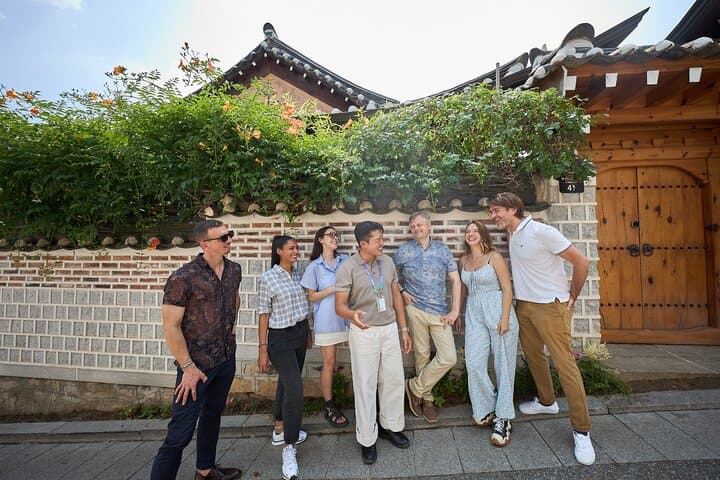
Bukchon Hanok Village, between 10:00 and 17:00 only Worth it· 10:00–17:00
Bukchon's hanok lanes between Gyeongbokgung and Changdeokgung are still lived in, and the city now protects residents with a curfew. In the red zone around Bukchon-ro 11-gil, tourists are not allowed from 17:00 to 10:00, and since 1 March 2025 offenders can be fined KRW 100,000 after a warning. Hotel guests, shop customers and people simply passing through are exempt.
45 Hanbok and palace experiences tours on Excurgo · from $7, typical $73 per person · rated 4.9 across 1,658 reviews
Gwangjang Market and a guided food walk Must do· Evening, any day
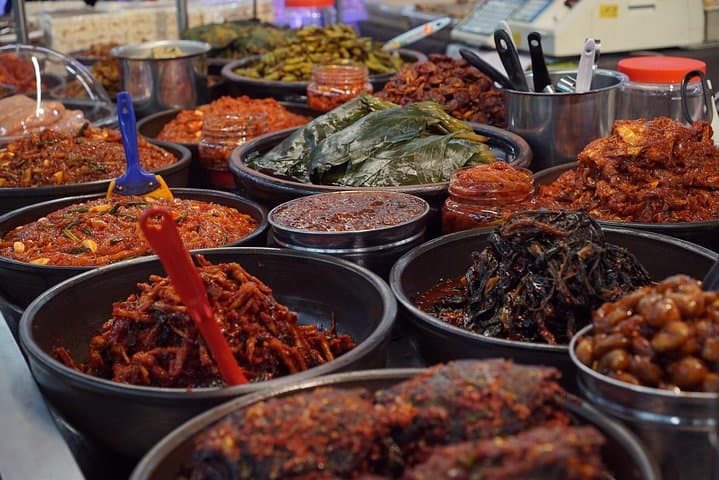
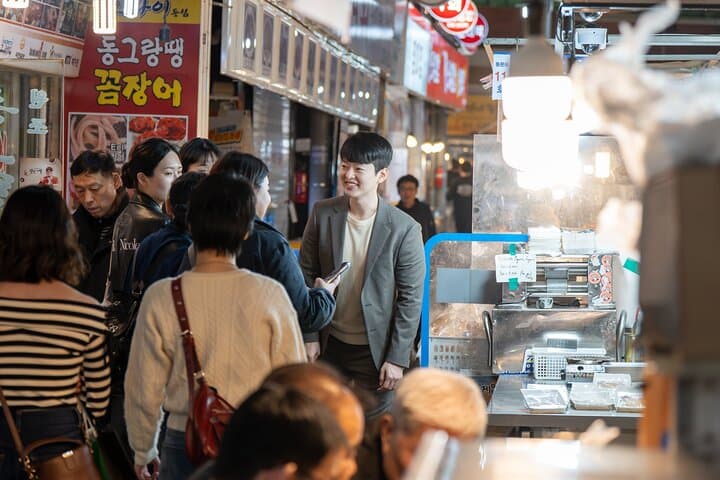
Gwangjang Market, which traces its origins to 1905, is the best single place to eat your way through Korean street food: mayak gimbap, mung bean pancakes and tteokbokki. The food alley opens daily from 09:00 to 23:00, while the main market closes on Sundays; take Line 1 to Jongno 5-ga, Exit 8. Check prices before you order: a viral overcharging row in November 2025 led to a stall suspension and a real-name system for about 250 stalls.
126 Best-rated Seoul food tours tours on Excurgo · from $31, typical $100 per person · rated 4.9 across 6,376 reviews
A Korean cooking or kimchi class Worth it· Any day
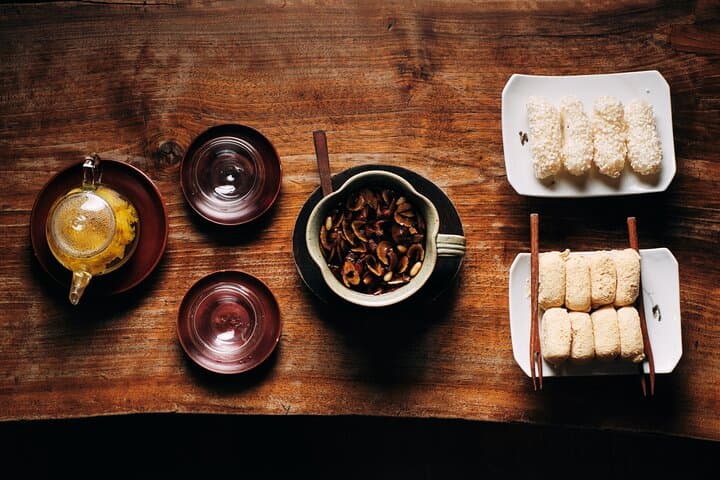
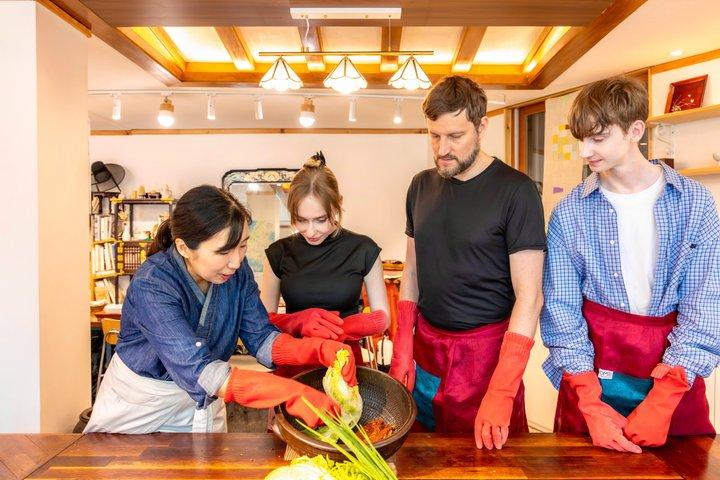
Seoul's catalogue lists 45 cooking and kimchi classes, usually around $90, and many start with a market visit. It is a practical souvenir and a good choice for a wet July afternoon.
45 Top cooking classes tours on Excurgo · from $52, typical $90 per person · rated 5.0 across 3,251 reviews


N Seoul Tower or Seoul Sky: pick one view Worth it· Sunset
N Seoul Tower on Namsan is open daily until 22:30 on weekdays and 23:00 at weekends, and the cable car up the mountain has run since 1962. Its observatory price is quoted inconsistently (VisitKorea lists KRW 29,000 for adults, other 2026 listings less), so check on the day. Seoul Sky, on floors 117–123 of the Lotte World Tower at about 500 m, costs KRW 33,000 for adults.
Verdict: Choose N Seoul Tower if you are staying north of the river: the ride up Namsan on the cable car is part of the outing. Choose Seoul Sky only if you are in Gangnam or Jamsil anyway or want the highest view.
The Han River by night or by river bus Worth it· Evening
The Han River is Seoul's open space. The Hangang Bus ferry runs between Magok and Jamsil via seven piers, including Yeouido, for KRW 3,000; the June 2026 timetable listed 16 sailings a day and about two hours end to end. Guided night cruises and river tours start around $18.
Deoksugung and Changgyeonggung after dark Worth it· Until 21:00, not Monday
Both of these smaller palaces stay open until 21:00 (last entry 20:00) all year and cost KRW 1,000, which makes them the easy evening option after a day elsewhere. Deoksugung's Seokjojeon hall is shown only on limited guided sessions booked online.
K-pop, crafts and pub crawls Worth it· Afternoons and evenings
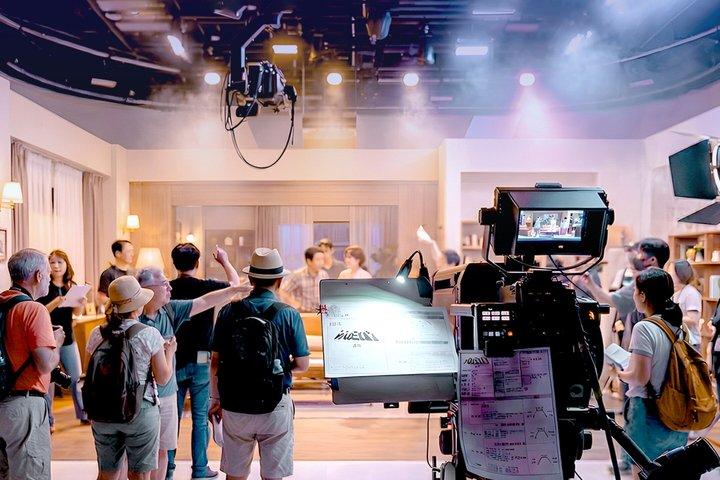
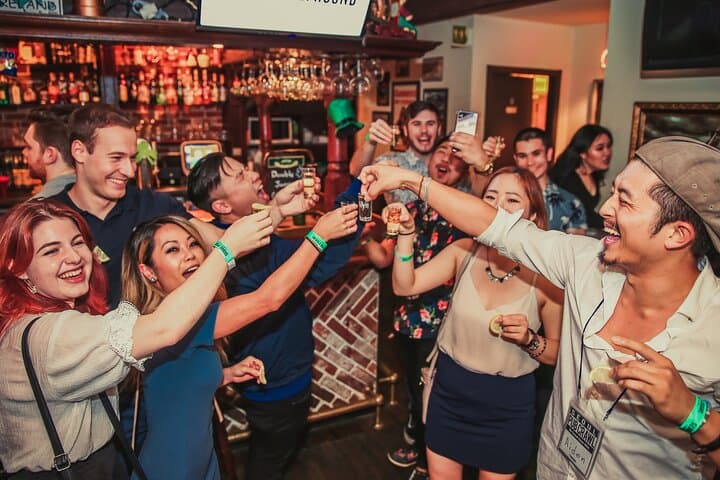
The catalogue lists 47 K-pop and K-drama experiences, from fan tours to dance classes, and 30 craft workshops such as perfume making and name seals, usually around $50. Pub crawls and drinking nights start from about $12. These are the activities for a second or third visit, or for travellers who come for the music.
47 Popular K-pop and K-drama tours tours on Excurgo · from $13, typical $109 per person · rated 5.0 across 2,610 reviews

Worth skipping
- Any 'JSA' tour that cannot explain how you are eligible: public JSA tours stopped in July 2023 and have not reopened to ordinary visitors.
- Bukchon at sunset or early morning: the red zone is closed to tourists from 17:00 to 10:00, with KRW 100,000 fines.
- Gyeongbokgung on a Tuesday, or Changdeokgung on a Monday: both are closed.
- Paying for both observatories: N Seoul Tower and Seoul Sky show you the same city; one is enough.
- The AREX Express if your hotel is not near Seoul Station: the all-stop train costs KRW 4,750 against KRW 13,000.
What are the best day trips from Seoul?
The DMZ first; then Suwon for history or Nami Island for scenery
Seoul's classic day trips sit within one to three hours. The DMZ is covered above. Of the rest, Suwon is the easiest to do on your own by subway, Nami Island is simple by train and ferry, and Seoraksan is a long day by bus that many people do with a tour.
| Trip | Getting there | Entry | Tours |
|---|---|---|---|
| DMZ (Third Tunnel, Dora Observatory) | Tour from Seoul; about 52 km | Via tour; passport | $120 |
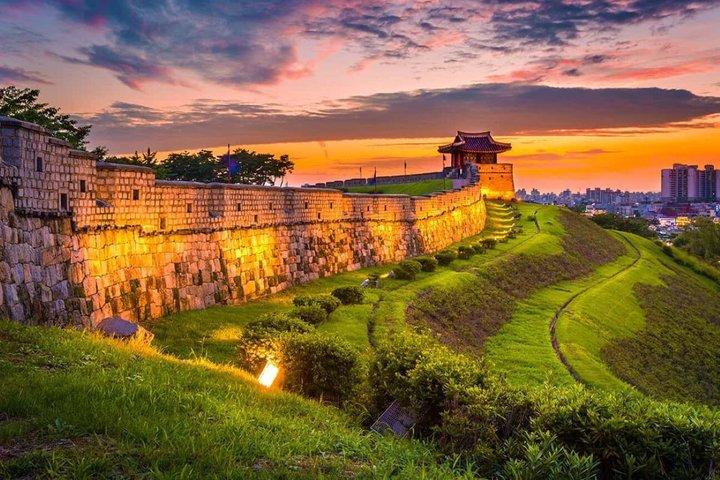
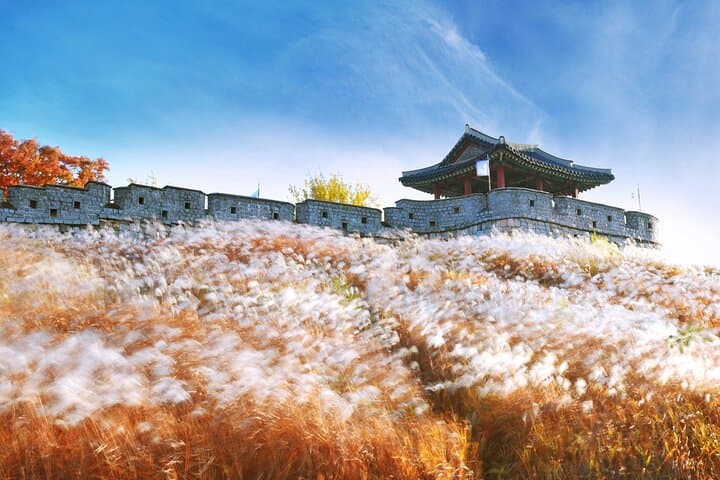
| Suwon Hwaseong Fortress | Line 1 to Suwon, then bus 66 or 66-4 (about 20 min) | Fortress walls free; Haenggung KRW 2,000 | $91 |
| Nami Island | ITX-Cheongchun to Gapyeong (about 1 h), then ferry | KRW 19,000 incl. return ferry | $145 |
| Korean Folk Village (Yongin) | Usually by tour | KRW 37,000 adult all-day | — |
| Seoraksan National Park | Express bus to Sokcho, about 2 h 10 min–2 h 30 min, then city bus 7 or 7-1 | No park entrance fee | $240 |
| Ski resorts (winter) | Shuttle or tour | Lift passes extra | $110 |
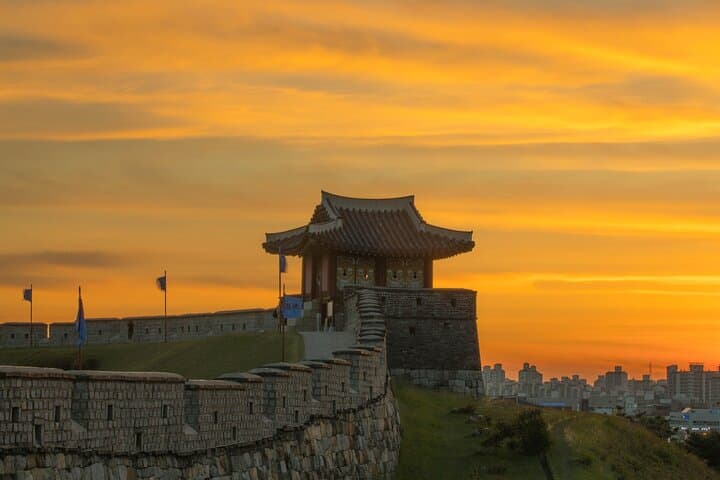
Suwon's Hwaseong Fortress, UNESCO-listed since 1997, is the best history day: walking the walls is free, the Haenggung temporary palace costs KRW 2,000 (free in hanbok or over 65), and a KRW 4,000 ticket adds two museums. From Suwon Station, Exit 4, buses 66 and 66-4 reach the fortress in about 20 minutes.
35 Suwon day trips tours on Excurgo · from $43, typical $91 per person · rated 4.9 across 1,619 reviews
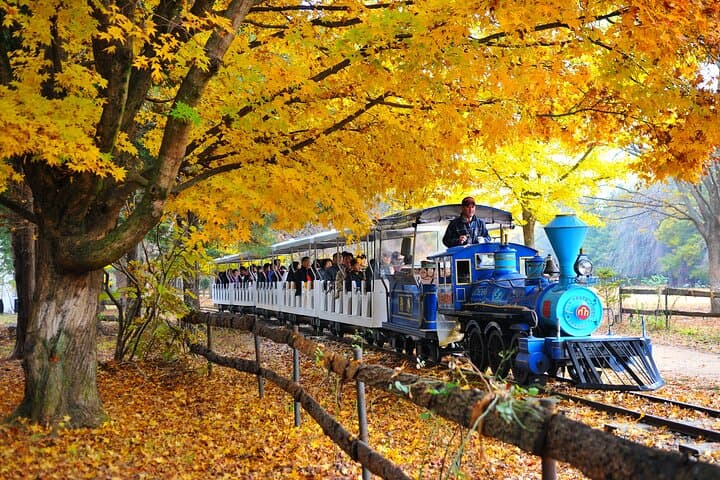
Nami Island sits in the river near Gapyeong and is reached by a short ferry. Admission is KRW 19,000 for adults including the return ferry, and the island is open every day. ITX-Cheongchun trains from Yongsan or Cheongnyangni reach Gapyeong in about an hour, and the ferry dock is a 30-minute walk or 5-minute taxi from the station. Tours usually pair it with the Garden of Morning Calm and a rail bike.
126 Nami Island day trips tours on Excurgo · from $35, typical $145 per person · rated 4.8 across 4,158 reviews
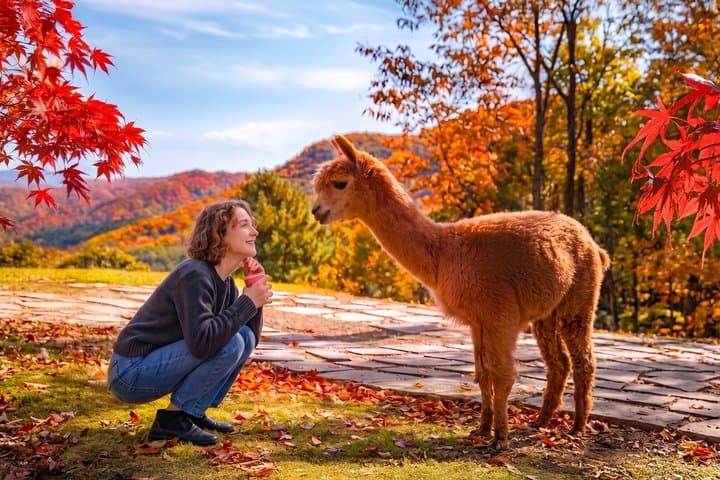
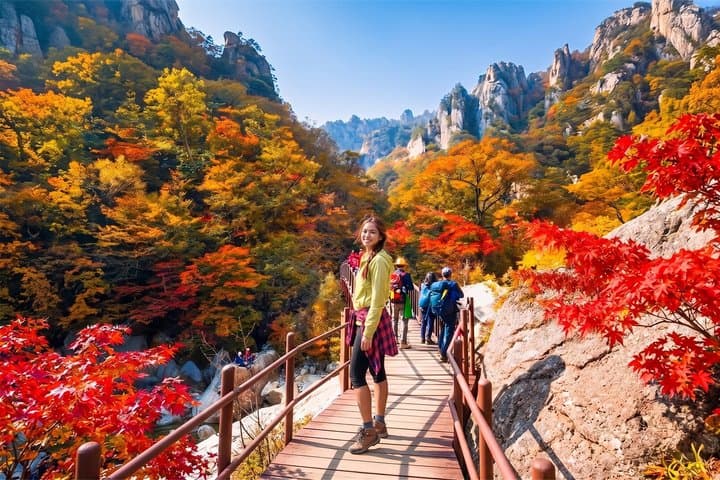
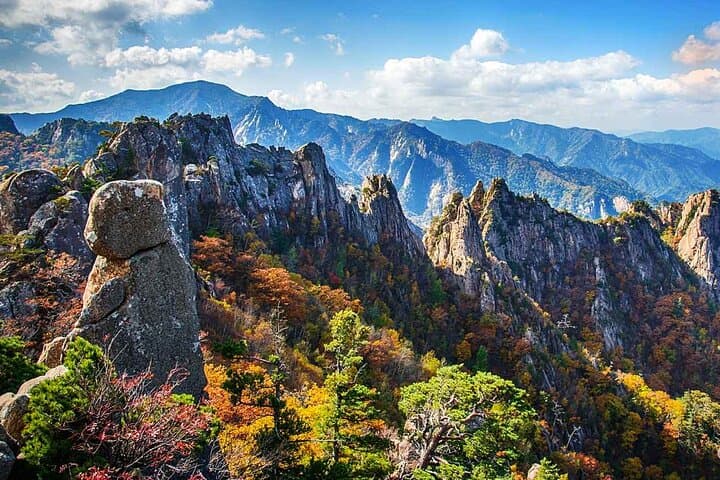
Seoraksan's granite peaks are the big mountain trip from Seoul, but the express bus to Sokcho alone takes about 2 h 10 min to 2 h 30 min each way. National parks stopped charging entrance fees in 2007, and many temple fees ended in May 2023.
37 Seoraksan day trips tours on Excurgo · from $53, typical $240 per person · rated 4.8 across 2,213 reviews
Verdict: If you have one spare day, do the DMZ. With two, add Suwon by subway on your own. Save Seoraksan for autumn and for trips of five days or more; the travel time is too long for a short stay.
How many days do you need in Seoul?
Three full days cover the essentials if you group sights by area and closing day. Remember that Gyeongbokgung and Jongmyo close on Tuesdays, Changdeokgung and the DMZ sites on Mondays.
1 day
Gyeongbokgung and the 10:00 guard change, Bukchon before 17:00, Changdeokgung's Secret Garden in the afternoon, dinner at Gwangjang Market.
Tickets ≈ KRW 11,000 · food tour ≈ $100
3 days
Day 1 as above; day 2 a DMZ tour and N Seoul Tower at sunset; day 3 Jongmyo or Deoksugung, a cooking class and the Han River in the evening.
Combined palace ticket KRW 6,000 · DMZ ≈ $120 · class ≈ $90
5 days
Add Suwon's Hwaseong Fortress and a Nami Island or Seoraksan day, plus an evening of K-pop or a pub crawl.
Nami KRW 19,000 · Suwon tours ≈ $91 · Seoraksan ≈ $240
How much do tours in Seoul cost?
Tours, not tickets, are where the budget goes in Seoul. The table shows typical prices across 1,440 bookable tours in our catalogue, from the cheapest to the top end, refreshed automatically.
| Activity | Tours | From | Typical | Top end |
|---|---|---|---|---|
| DMZ tours | 134 | $38 | $120 | $410 |
| Palace and old Seoul tours | 124 | $7 | $75 | $200 |
| Street food and market tours | 126 | $31 | $100 | $245 |
| Cooking and kimchi classes | 45 | $52 | $90 | $130 |
| Hanbok rental and photoshoots | 45 | $7 | $73 | $159 |
| K-pop and K-drama experiences | 47 | $13 | $109 | $434 |
| Pub crawls and drinking nights | 22 | $12 | $75 | $137 |
| Han River cruises and night tours | 16 | $18 | $99 | $245 |
| Bike and e-bike tours | 15 | $53 | $104 | $220 |
| Craft and perfume workshops | 30 | $15 | $50 | $73 |
| Hiking tours | 30 | $37 | $156 | $310 |
| Nami Island day trips | 126 | $35 | $145 | $420 |
| Suwon day trips | 35 | $43 | $91 | $379 |
| Seoraksan day trips | 37 | $53 | $240 | $560 |
| Ski day trips | 40 | $14 | $110 | $529 |
90% of Seoul tours offer free cancellation. Check each listing for what is included, such as palace tickets or hotel pick-up.
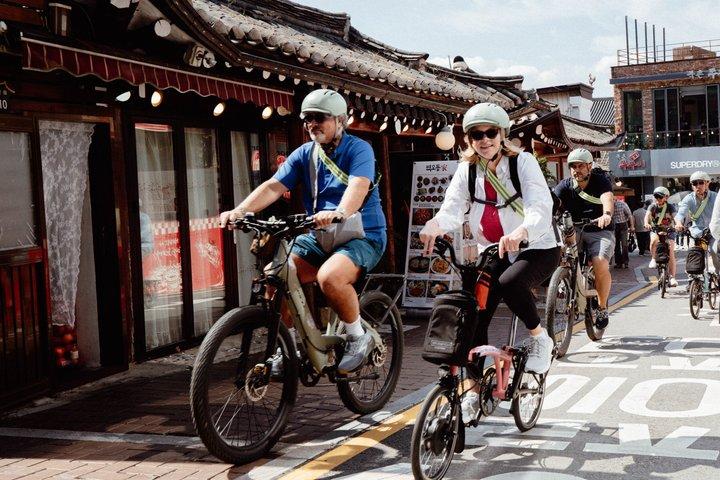
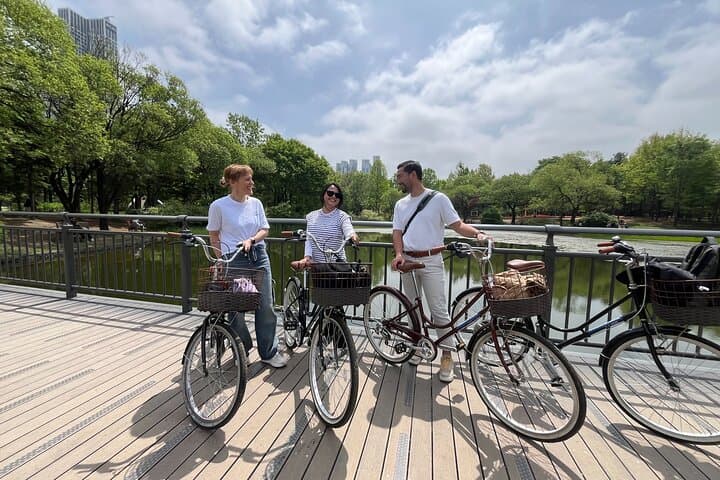
15 Bike and e-bike tours tours on Excurgo · from $53, typical $104 per person · rated 4.9 across 1,620 reviews
22 Nightlife picks tours on Excurgo · from $12, typical $75 per person · rated 4.9 across 2,709 reviews

Where should you stay in Seoul?
Stay near the palaces or Myeong-dong for a first visit
For a first trip, base yourself north of the Han River near the palaces, Insadong or Myeong-dong: that keeps Gyeongbokgung, Changdeokgung, Bukchon and Gwangjang within short subway rides, and Myeong-dong is about 50 minutes from Incheon by taxi. Hongdae suits night owls and budget travellers and has a direct all-stop AREX train from the airport in about an hour. Gangnam and Jamsil are further from the historic sights.
| Area | Best for | Airport link | Trade-off |
|---|---|---|---|
| Jongno / Gwanghwamun / Insadong | Palaces, Bukchon, markets | AREX to Seoul Station, then subway | Quieter late at night |
| Myeong-dong / Seoul Station | Shopping, Namsan, transport hub | AREX Express to Seoul Station (43 min) | Crowded; tourist-focused |
| Hongdae | Nightlife, cafés, budget | All-stop AREX direct, about 1 h | Further from the palaces |
| Gangnam / Jamsil | Business, Seoul Sky, modern Seoul | Longest taxi ride from Incheon | Far from the historic core |
If you sleep in a hanok guesthouse inside the Bukchon red zone, the curfew does not apply to you as a guest of accommodation in the zone.
Verdict: Choose Jongno or Myeong-dong for a first visit of three to four days. Choose Hongdae if nightlife matters more than early palace starts. Leave Gangnam for business trips or a return visit.
What should you know about entry, money and safety in Seoul?
| K-ETA | Exemption for currently exempt countries runs to 31 December 2026; check before trips in 2027 |
|---|---|
| e-Arrival card | Online up to 3 days before arrival; not needed with a K-ETA |
| Tax refund | From KRW 15,000 per receipt; instant refund in shop for KRW 15,000 to under 1,000,000, up to KRW 5,000,000 per trip |
| Taxis | KRW 4,800 base by day; no 20% out-of-area surcharge to Incheon Airport, tolls extra |
| Bukchon curfew | Red zone closed to tourists 17:00–10:00; KRW 100,000 fine |
| Help | 1330 Korea Travel Helpline; 120 Dasan Call Center for taxi complaints |
South Korea extended its K-ETA exemption for the currently exempt countries and regions, including the United States, through 31 December 2026. If you travel in 2027, check the K-ETA rules again before you book. Travellers who are exempt still file the e-Arrival card online, up to three days before landing; holding a K-ETA removes that step.
Tax refunds are generous: at participating shops you show your passport and the tax comes off at the till for purchases from KRW 15,000 to under KRW 1,000,000, up to KRW 5,000,000 in total. Goods must leave Korea within three months.
Crime against foreigners is rare. The UK Foreign Office notes occasional petty theft in crowded places and areas popular with foreigners, such as Itaewon, and reports of assaults mainly around nightlife; use licensed taxis or public transport late at night. If you hear sirens, it may be a civil emergency drill: traffic stops and people may be directed into metro stations or basements.
Foreign visitors may not take part in political activities in South Korea, and demonstrations are best avoided. If a taxi driver names a flat price instead of using the meter, that is not allowed: keep the receipt and plate number and report it to the 120 Dasan Call Center.
What mistakes do visitors to Seoul regret?
- Booking a 'JSA' tour expecting to stand at the border huts: public JSA tours have been closed since July 2023.
- Planning the DMZ for a Monday, when the Third Tunnel and Dora Observatory are closed.
- Forgetting the passport on DMZ day: sites beyond the Civilian Control Line check ID.
- Turning up at Gyeongbokgung on a Tuesday or Changdeokgung on a Monday.
- Leaving the Secret Garden to chance: only 50 places per session are sold on the day.
- Visiting Bukchon after 17:00 and risking a KRW 100,000 fine.
- Paying KRW 13,000 for the AREX Express when the all-stop train costs KRW 4,750 and takes about 16 minutes longer.
- Expecting the Climate Card to cover the Sinbundang Line, airport buses or a ride from the airport.
- Travelling in July or August without a rain plan: those two months average over 750 mm of rain between them.
- Assuming the K-ETA exemption continues after 31 December 2026 without checking.
Seoul FAQ
Can tourists visit the JSA (Panmunjom) in 2026?
Not as ordinary tourists. Public tours stopped after a US soldier crossed into North Korea during a tour in July 2023. The UN Command resumed only special tours in May 2025 for officers of colonel rank or above and senior civil servants. Regular DMZ tours visit the Third Tunnel and Dora Observatory instead.
Do I need my passport for a DMZ tour?
Yes. Visitors must carry a passport or Alien Registration Card to enter DMZ sites beyond the Civilian Control Line, including the Third Tunnel and Dora Observatory. Both sites are closed on Mondays.
Is Gyeongbokgung free if you wear hanbok?
Yes. Visitors wearing hanbok enter the royal palaces free, and so do foreign visitors aged 18 and under or 65 and over. Otherwise Gyeongbokgung costs KRW 3,000 for adults. The free Wednesday Culture Day does not apply at Gyeongbokgung.
Which days are Seoul's palaces closed?
Gyeongbokgung and Jongmyo Shrine close on Tuesdays. Changdeokgung, Changgyeonggung and Deoksugung close on Mondays. Hours vary by season, and visitors are asked to leave about 30 minutes before closing.
How do I visit the Changdeokgung Secret Garden?
Only on a guided, timed tour of up to 100 people: 50 places are reserved online and 50 are sold on site. English tours run at 10:30, 11:30 and 14:30, plus 15:30 from March to November. You need a KRW 5,000 garden ticket and a KRW 3,000 palace ticket.
How much is the AREX train from Incheon Airport?
The AREX Express to Seoul Station costs KRW 13,000 for adults and takes about 43 minutes. The all-stop train takes about 59 minutes and costs KRW 4,750 with a transport card. Older guides quoting KRW 9,500 for the Express are out of date.
Is the Climate Card worth it for tourists?
It is worth it on days with several rides. Passes cost KRW 5,000 for one day up to KRW 20,000 for seven, plus KRW 3,000 for the card, against a KRW 1,550 base fare per subway ride. It does not cover the Sinbundang Line, airport buses or boarding at Incheon Airport.
Do I need a K-ETA to visit South Korea?
Travellers from countries on the exemption list do not need one until 31 December 2026, but must file an e-Arrival card online up to three days before arrival. You can still apply for a K-ETA voluntarily for a fee, which removes the arrival card step. Check the rules again for travel in 2027.
Can you visit Bukchon Hanok Village in the evening?
Not the red zone around Bukchon-ro 11-gil. Tourists are barred there from 17:00 to 10:00, and fines of KRW 100,000 have applied since 1 March 2025. Hotel guests, shop customers and people passing through are exempt.
When is the best time to visit Seoul?
Mid-April to May and October. Average highs are 18–24 °C and rainfall is modest, whereas July and August average 414 mm and 348 mm of rain and the monsoon usually falls in June and July. In 2026 the Yeouido cherry blossom festival ran from 3 to 7 April.
Sources and how this guide is made
Written by the Excurgo editorial team with AI assistance. We are a tour comparison site, not a tour operator, and we have not personally tested every tour. Every fact was researched in official and specialist sources and checked against them before publication; prices, ratings and tour counts come from our live catalogue of 1,440 Seoul tours. Ratings and review counts are collected by Viator and Tripadvisor. Tours are picked by rating weighted by number of reviews (at least 20); we earn a commission from Viator when you book, and it does not affect the order.
- Korea Heritage Service — palace hours and closing days (Nov 2026)
- Korea Heritage Service — palace admission and free-entry rules (Nov 2026)
- Visit Seoul — airport to city: AREX, buses, taxis (Jun 2026)
- Seoul Metropolitan Government — Climate Card prices and coverage (Nov 2026)
- Seoul Metropolitan Government — Bukchon red-zone restrictions (Oct 2024)
- VisitKorea — DMZ guide for tourists (Feb 2025)
- VisitKorea — The Third Tunnel (Nov 2026)
- Embassy of the Republic of Korea — K-ETA exemption extended to 31 December 2026 (Dec 2025)
- Korea.net — e-Arrival card launch (Feb 2025)
- VisitKorea — tax refunds and 1330 helpline (Oct 2025)
- GOV.UK — South Korea safety and security (Nov 2026)
- Suwon Cultural Foundation — Hwaseong prices and hours (Nov 2026)
- Nami Island — admission fees (Nov 2026)
- Kyunghyang Shinmun — JSA tour status (Oct 2026)
- The Korea Herald — Seoul taxi fares and apps (Oct 2026)
Photos come from Wikimedia Commons under free licences (CC BY, CC BY-SA, CC0 or public domain); the author and licence are shown under each one. They show the places described, not the exact tours listed.
Changelog. 13 November 2026: guide written; prices and rules checked against official sources.
Browse every tour: Seoul