Rome Tours &
Things to Do
Discover the best Rome tours, skip-the-line Colosseum and Vatican tickets, ancient Rome experiences, food tours and day trips. Compare top-rated activities and plan your perfect Rome itinerary.
rating

Explore Rome by interest
Whatever brings you to Rome — world-class museums, the river, or a long lunch — start with the experiences travellers love most.
Ancient Rome
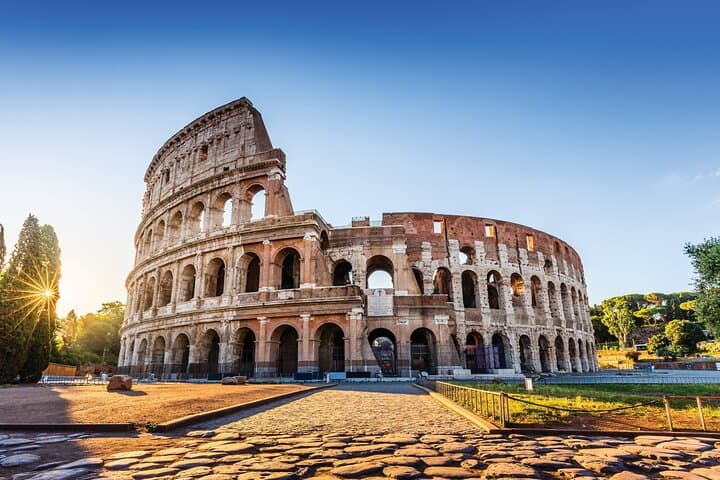
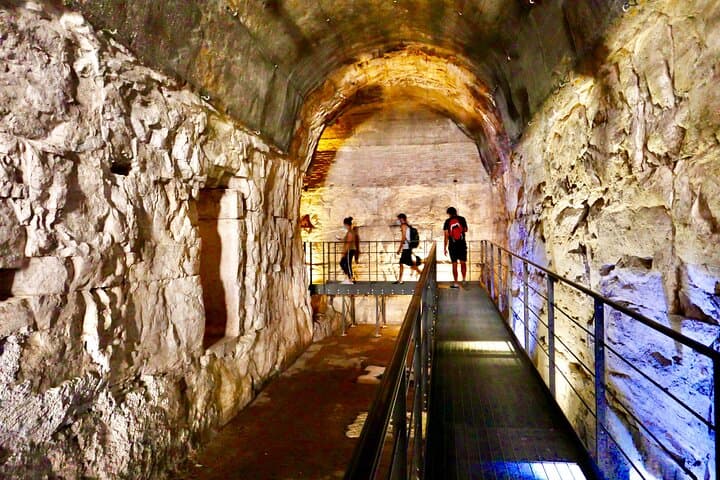
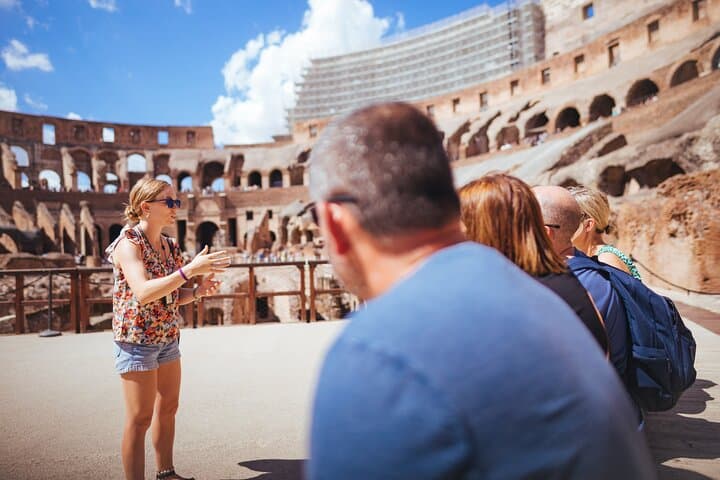
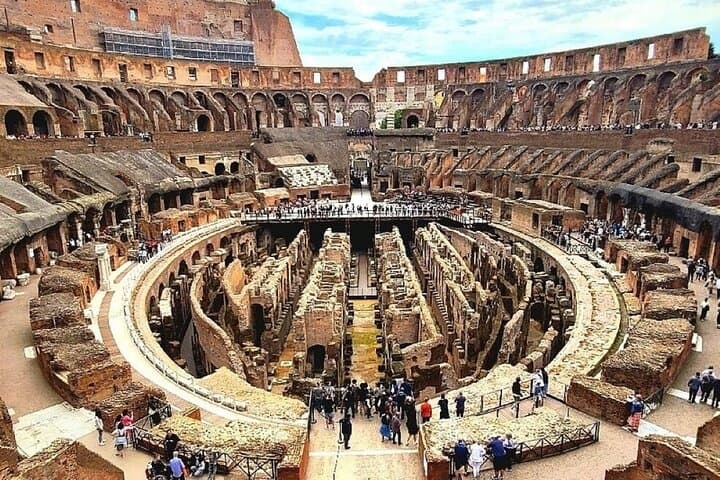
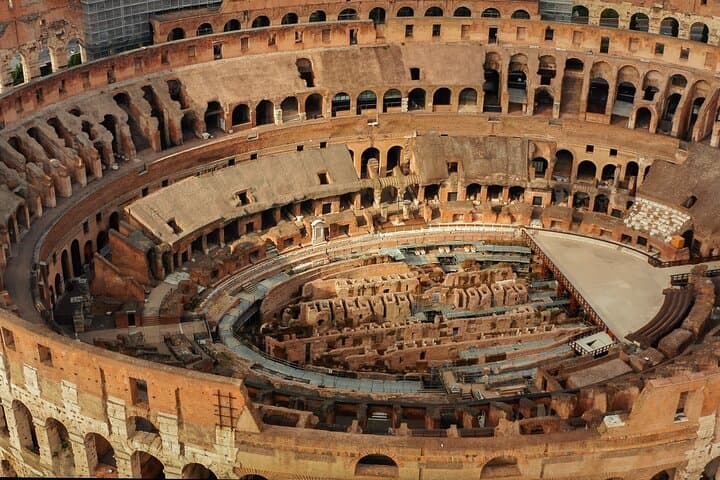
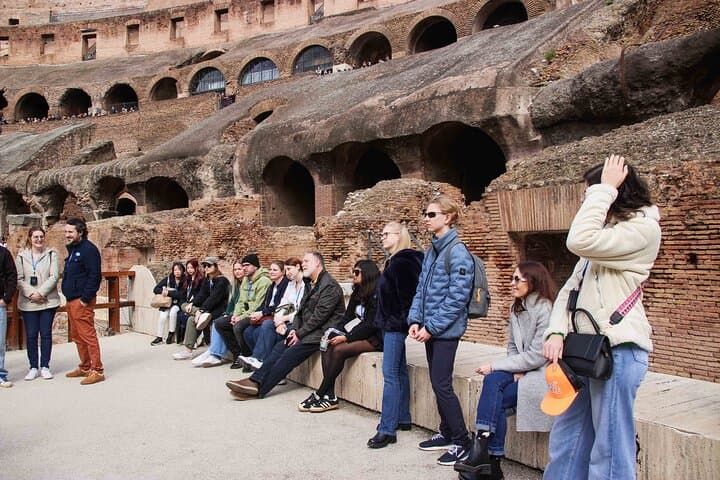
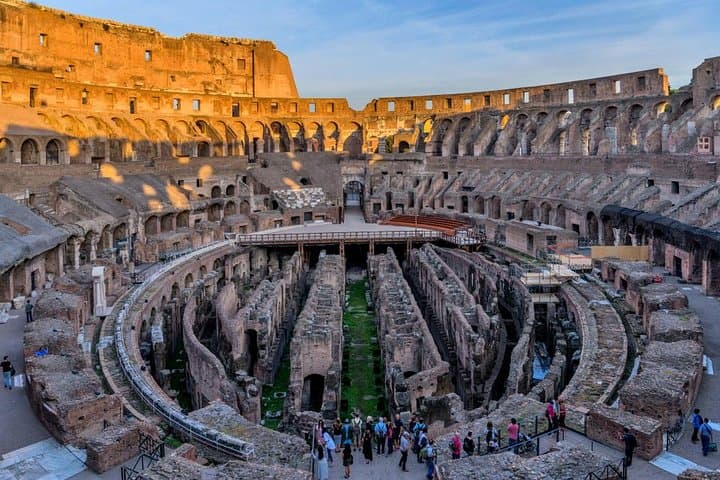
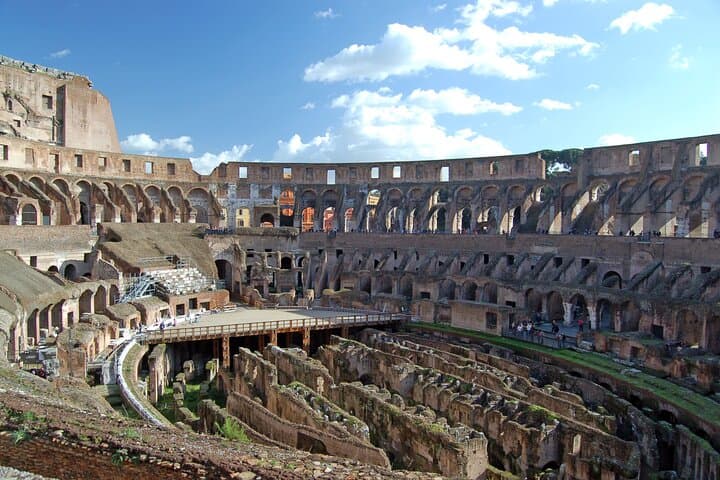
The Colosseum, Roman Forum and Palatine Hill, plus underground and arena-floor access.
ExploreVatican City
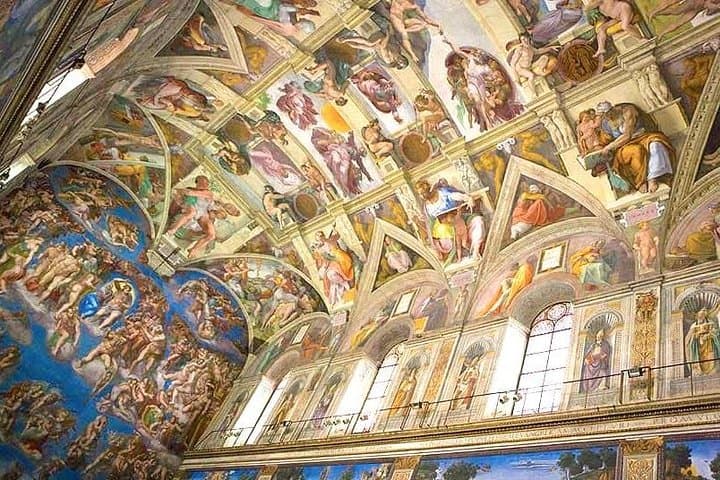
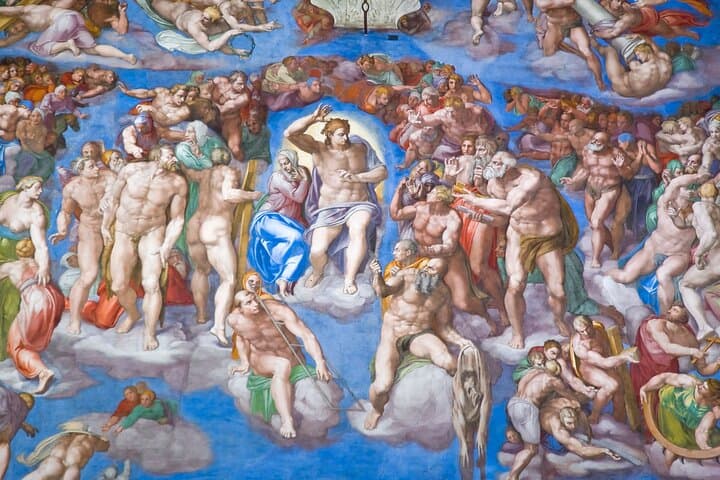
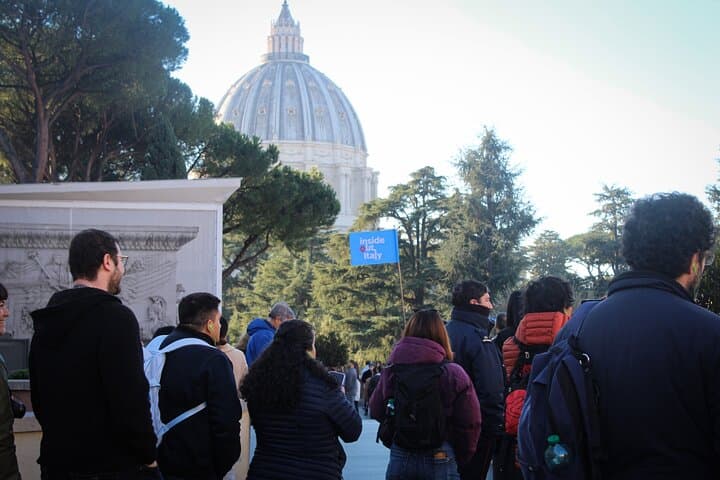
The Sistine Chapel, St Peter's Basilica and the papal galleries, with early-access options.
ExploreMuseums & galleries
The Borghese, Capitoline and Vatican collections — skip-the-line entry and expert guides.
ExploreFood & wine
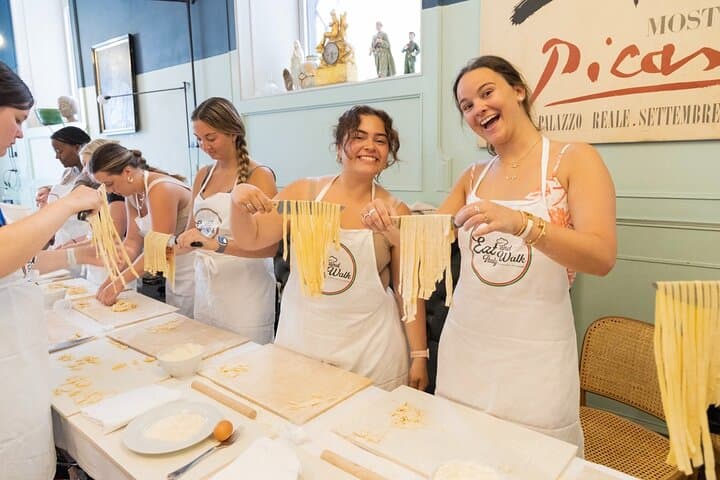
Trastevere food tours, pasta and pizza classes, and wine tastings in historic cellars.
ExploreWalking tours
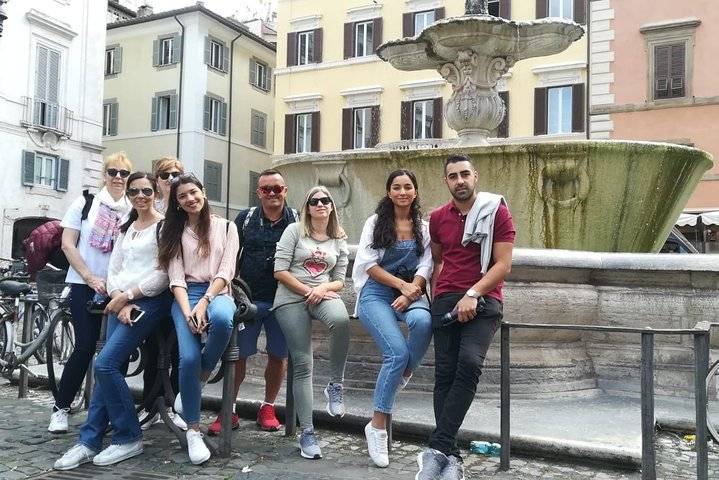
The historic centre, Trastevere and hidden piazzas with local guides.
ExploreDay trips
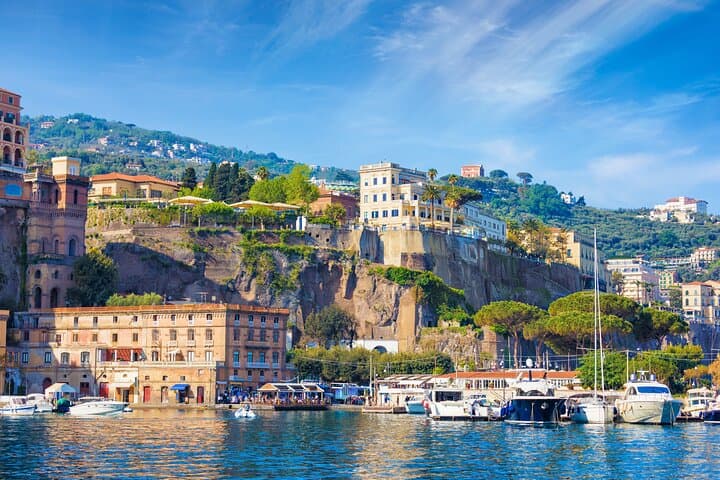
Pompeii, Tivoli, Florence and the Amalfi Coast — easy escapes from the capital.
ExploreFamily activities
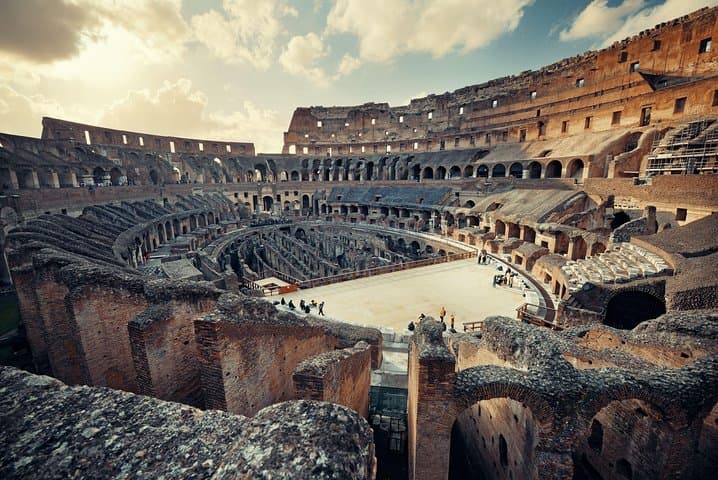
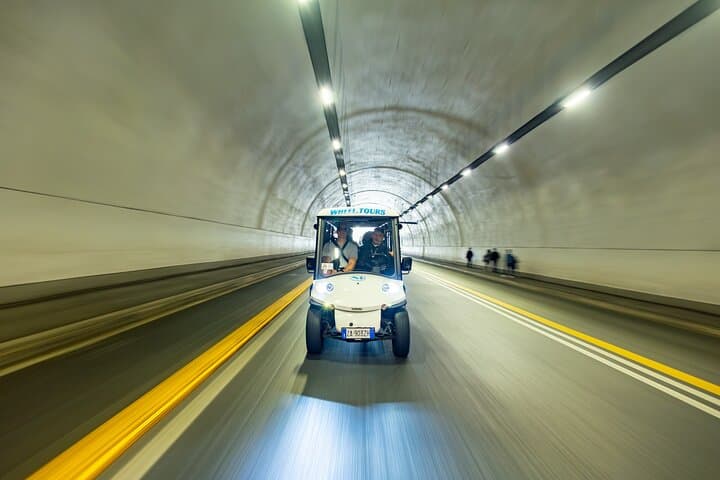
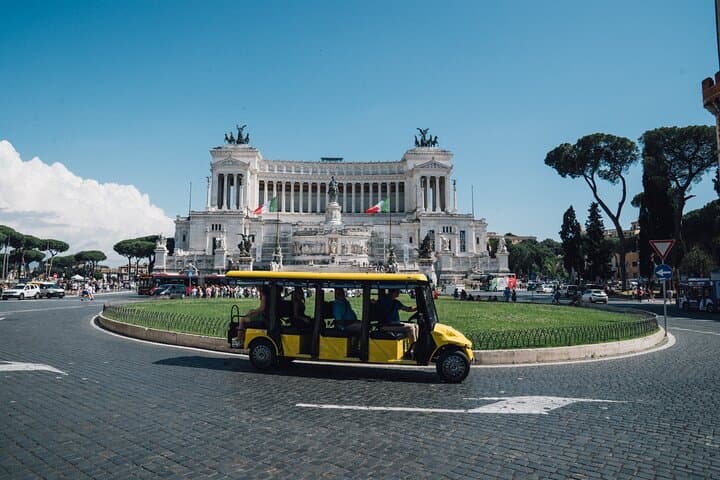
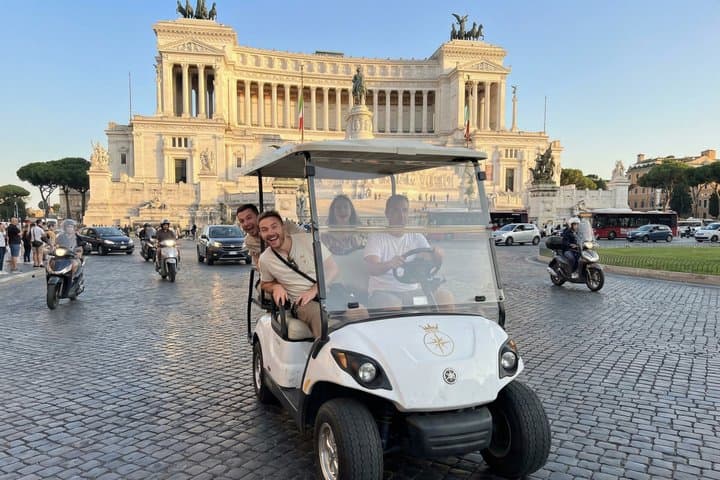
Gladiator schools, golf-cart tours and kid-friendly Colosseum visits.
ExploreNight & evening
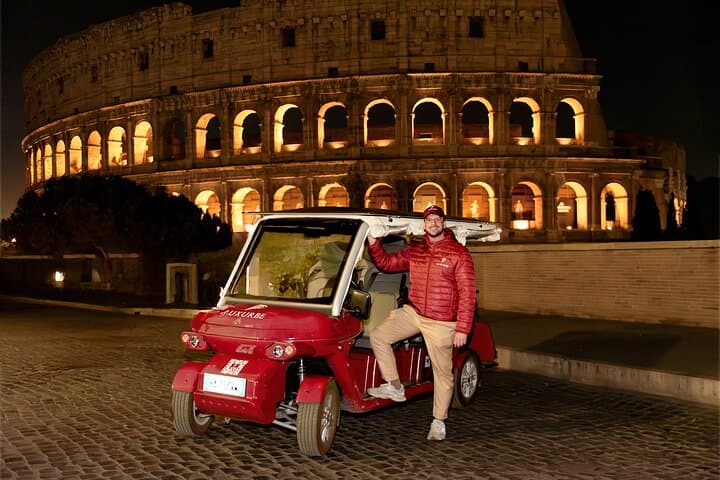
Rome by night tours, evening food crawls and illuminated landmark walks.
ExploreTop attractions in Rome
The landmarks that define the city — and the tickets and tours that get you in, often skipping the line.
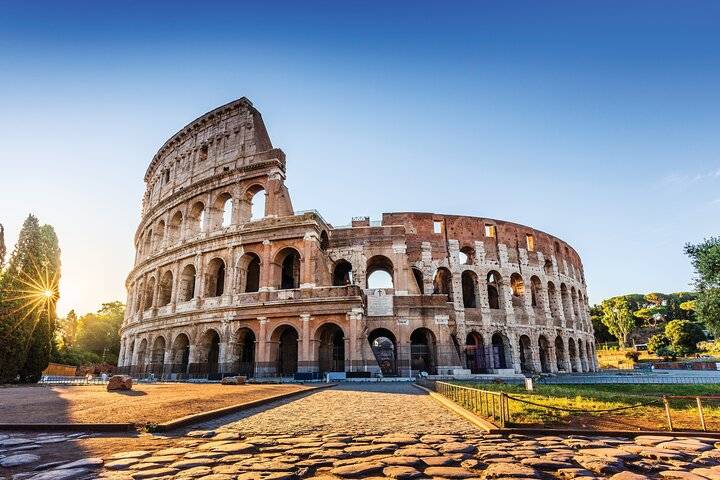
Colosseum
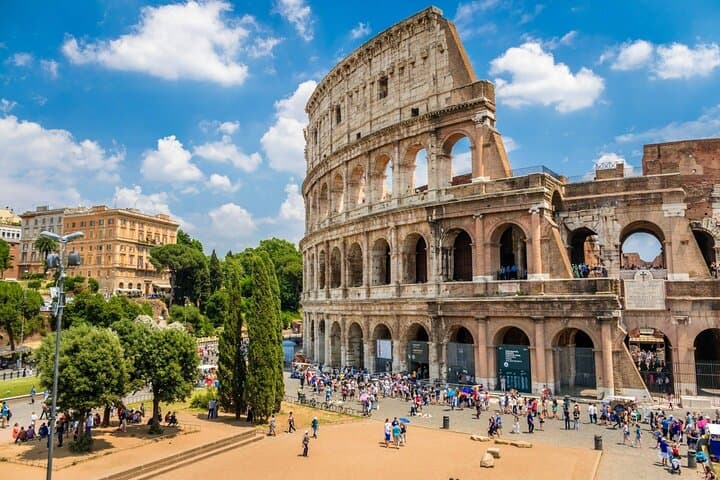
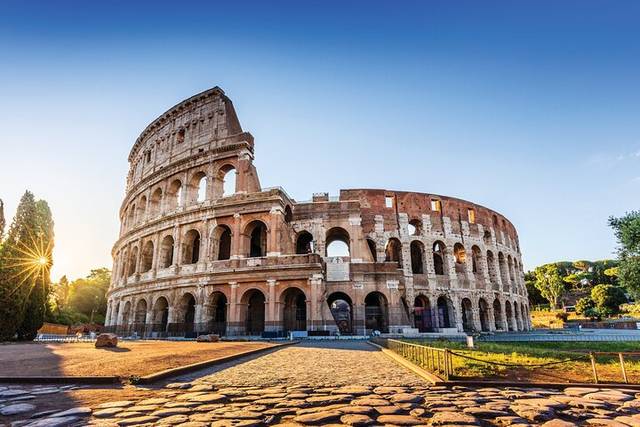
Rome's mighty 2,000-year-old amphitheatre, where gladiators once fought before 50,000 spectators.
Vatican Museums
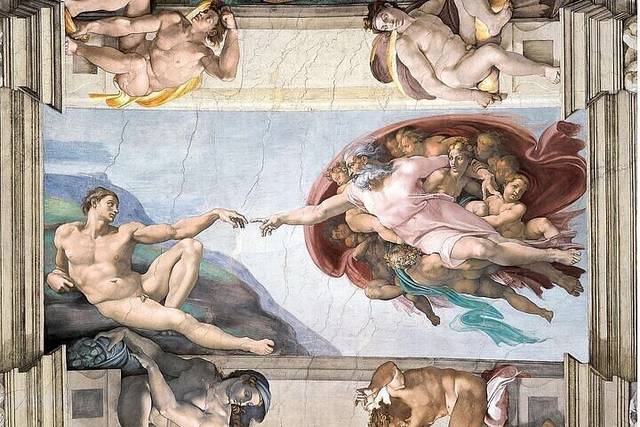
Miles of galleries leading to Michelangelo's Sistine Chapel ceiling — one of the world's great art collections.
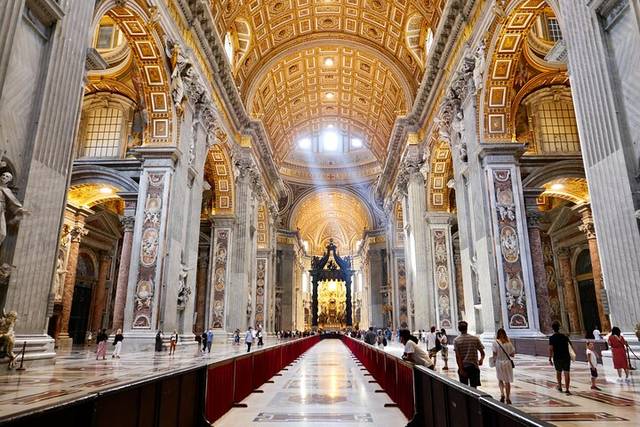
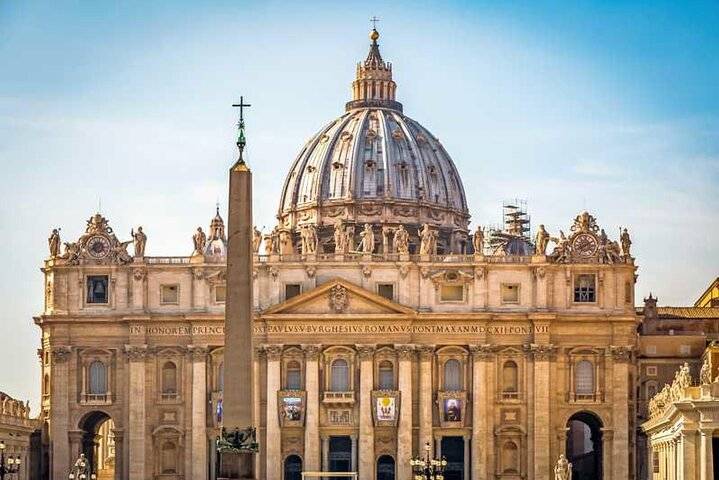
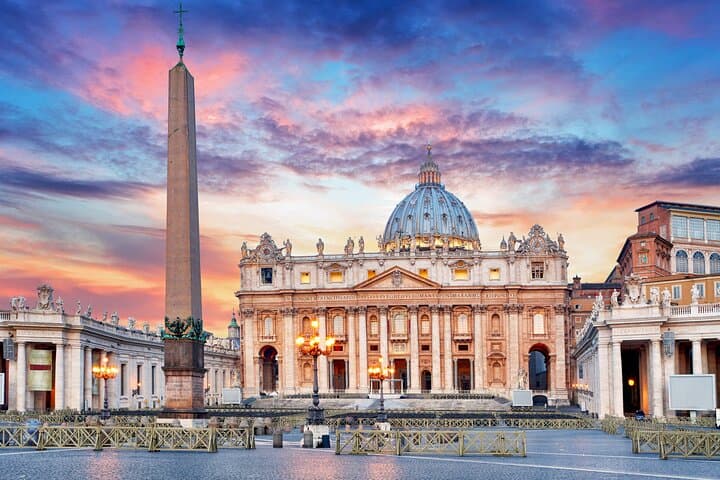
St Peter's Basilica
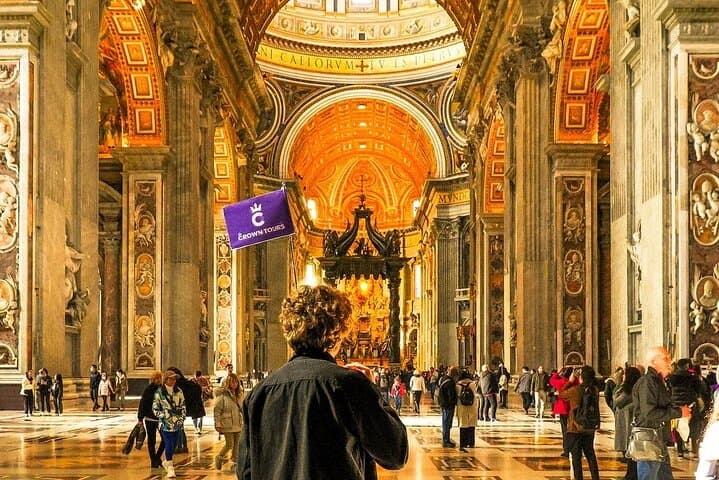
The largest church in the world, crowned by Michelangelo's dome above St Peter's Square.
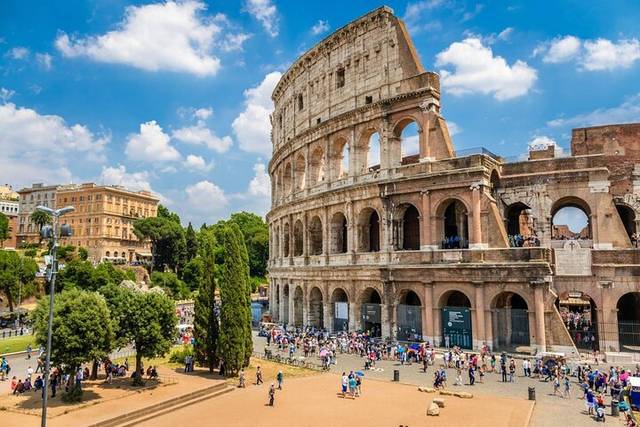
Roman Forum & Palatine
The political heart of ancient Rome — ruins of temples and basilicas below the imperial palaces.
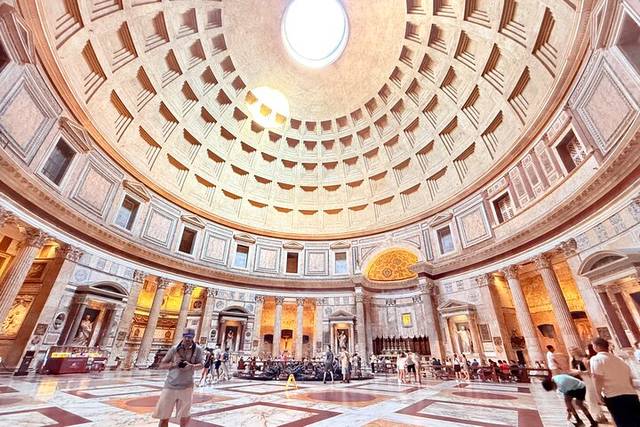
Pantheon
The best-preserved ancient monument in Rome, with the world's largest unreinforced concrete dome.
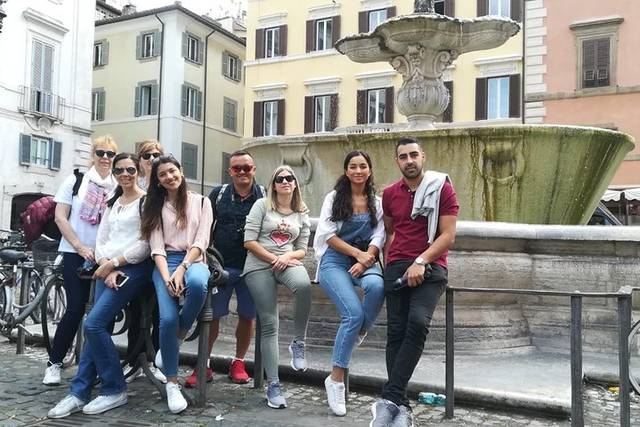
Trevi Fountain
Rome's grandest Baroque fountain — toss a coin to ensure your return to the Eternal City.
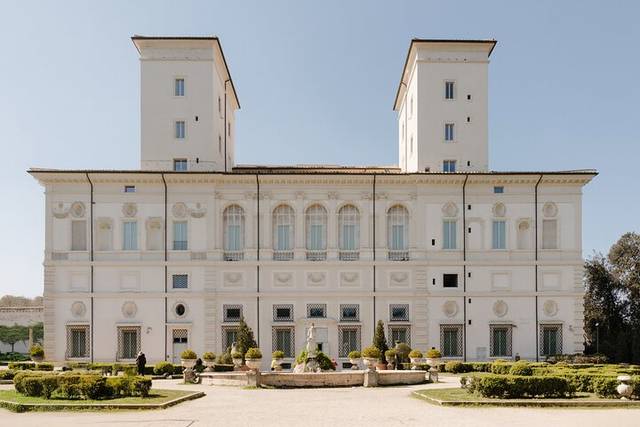
Borghese Gallery
Bernini sculptures and Caravaggio paintings in a cardinal's villa set in Rome's largest park.
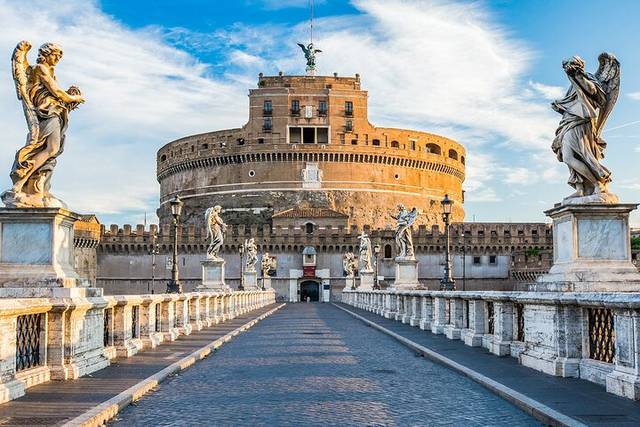
Castel Sant'Angelo
Hadrian's cylindrical mausoleum turned papal fortress, linked to the Vatican by a secret passage.
Rome in 1 day
- 1Colosseum & Roman Forum at opening
- 2Pantheon & Trevi Fountain
- 3Vatican Museums & Sistine Chapel
- 4Sunset dinner in Trastevere
Rome in 2 days
- 1Day 1: Colosseum, Forum & Palatine
- 2Pantheon, Trevi & Piazza Navona
- 3Day 2: Vatican & St Peter’s
- 4Borghese Gallery & Trastevere
Rome in 3 days
- 1Days 1–2: ancient Rome & the Vatican
- 2Borghese Gallery & historic centre
- 3Day 3: Tivoli or Pompeii day trip
- 4Farewell Trastevere food tour
Rome with kids
- 1Gladiator school session
- 2Kid-friendly Colosseum tour
- 3Golf-cart ride with gelato
- 4Pizza-making class
Rome for foodies
- 1Testaccio market tastings
- 2Hands-on pasta-making class
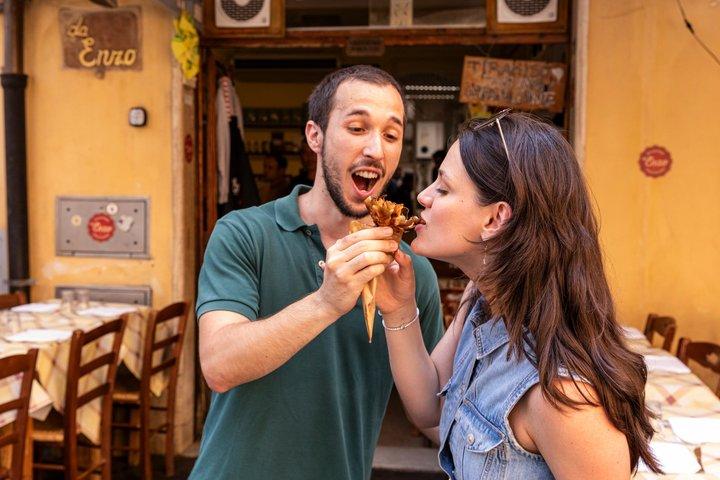
- 3Trastevere food tour at twilight
- 4Wine tasting to finish
Ancient Rome deep-dive
- 1Colosseum arena floor at opening
- 2Roman Forum & Palatine Hill
- 3Catacombs beneath the city
- 4Appian Way by e-bike
 Full day away
Pompeii
The Roman city frozen by Vesuvius in AD 79 — streets, villas and frescoes preserved under ash.
 1 hr away
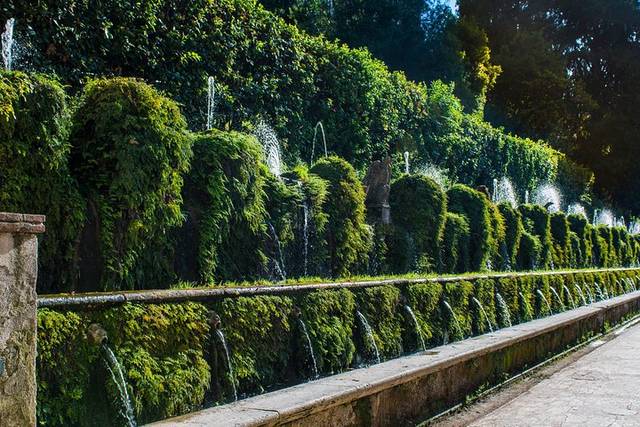
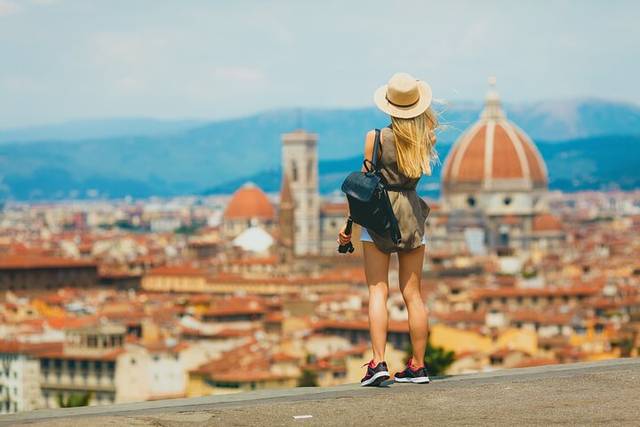
Tivoli
Hadrian's Villa and the Renaissance fountains of Villa d'Este in the hills east of Rome.
 1.5 hrs away
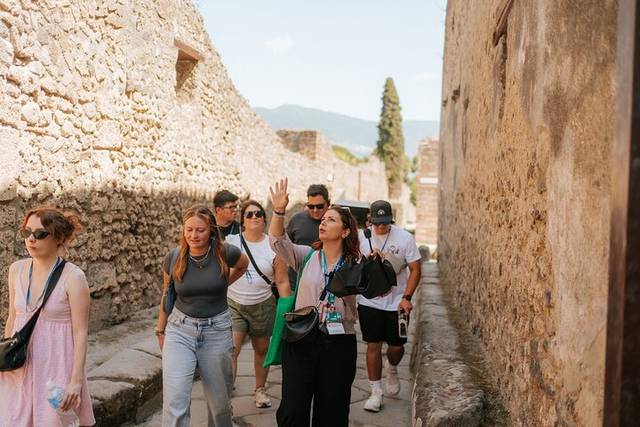
Florence
The cradle of the Renaissance — the Duomo, Michelangelo's David and the Uffizi, by high-speed train.
 Full day away
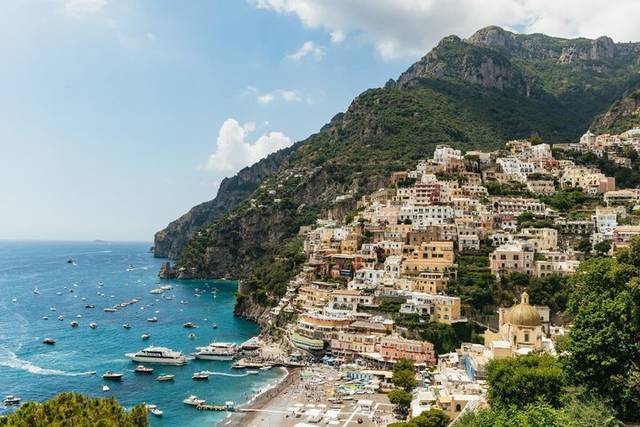
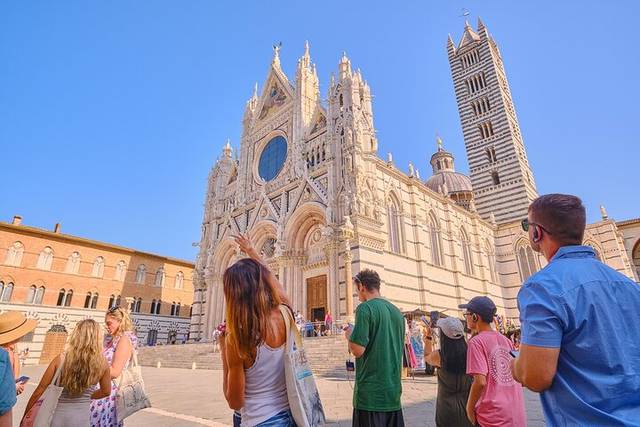
Amalfi Coast
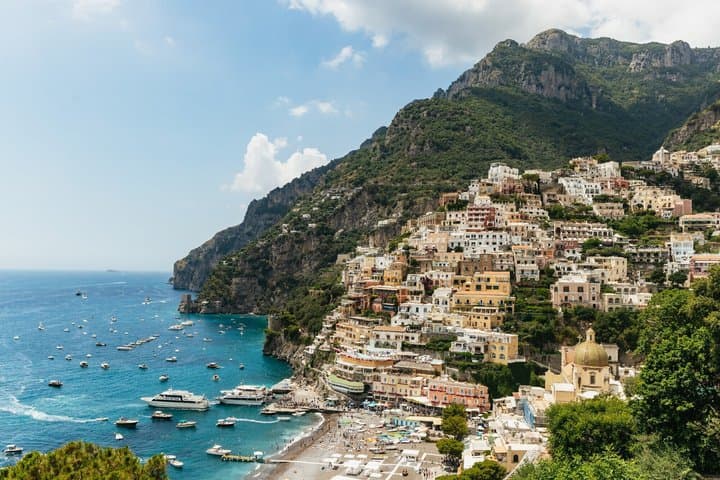
Positano, Sorrento and the cliffside drama of Italy's most beautiful coastline.
 Full day away
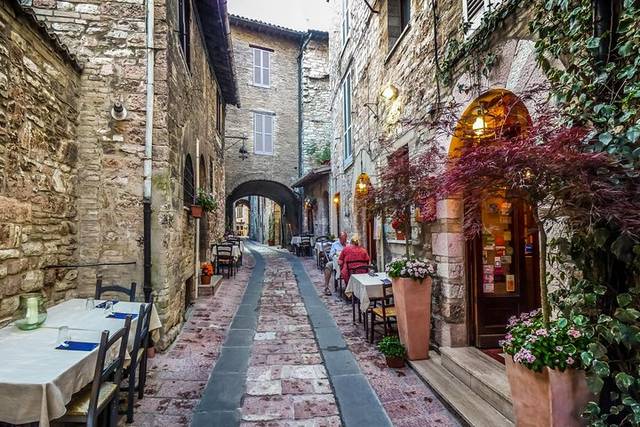
Tuscany
Rolling vineyards and Montepulciano cellars for a day of wine and a Tuscan lunch.
 1.5 hrs away
Orvieto
A golden hilltop town with a striped Gothic cathedral and Umbrian wine, near Civita di Bagnoregio.
Know before you go
Short, straight answers to the questions every Rome visitor asks before booking.
The sweet-spot months
April–May and late September–October bring warm 18–25°C days, long light and lighter crowds than high summer.
Spring (Mar–May)
Mild weather, blooming gardens and Easter pilgrims. Holy Week and the 21 April city birthday get busy, so book ahead.
Summer (Jun–Aug)
Hot (30–35°C) and crowded, but long evenings and open-air opera. Choose early-morning entry slots and carry water.
Autumn (Sep–Oct)
A local favourite: warm days, golden light and thinner crowds, with the best value of the year.
Winter (Nov–Feb)
Cool (8–15°C), quiet museums and Christmas markets. The cheapest time to fly and stay, and Vatican lines are short.
Events to plan around
Easter and Jubilee years draw huge crowds to the Vatican; book papal-audience and museum slots well ahead.
One day
Enough for the highlights reel: the Colosseum, the Pantheon and Trevi, and the Vatican. Skip-the-line tickets make it fit.
Two days
Add the Roman Forum and Palatine properly, the Borghese Gallery and a relaxed evening in Trastevere.
Three days
The sweet spot: the major sites plus the catacombs or a day trip to Tivoli or Ostia Antica.
Four to five days
Slow down: add a food tour, the Appian Way and a full day trip to Pompeii or Florence.
A week or more
Live like a local — lesser-known basilicas, neighbourhood markets and day trips to the Amalfi Coast or Tuscany.
Travelling with kids
Add a half-day buffer: a gladiator school and golf-cart tour need a slower, break-friendly pace.
On foot
The historic centre is compact and best explored on foot; many top sights are 10–15 minutes apart over cobbles, so wear comfortable shoes.
The Metro
Three lines (A, B, C) are fast for longer hops — Line A reaches the Vatican (Ottaviano) and Spanish Steps; Line B the Colosseum.
Buses & trams
A dense network fills the gaps the Metro misses; the same BIT ticket covers Metro, bus and tram for 100 minutes.
Tickets & passes
A single BIT ticket is €1.50; 24/48/72-hour and Roma Pass options add value if you ride often and skip some lines.
From the airports
Fiumicino links to Termini by the Leonardo Express (32 min); Ciampino by shuttle bus. Pre-book transfers in peak season.
Taxis & e-scooters
Use official white taxis or apps for fixed airport fares; e-scooters and bike-share suit short central hops in good weather.
Colosseum
Yes — queues top an hour in season and daily numbers are capped. Timed skip-the-line or guided tickets are the reliable way in.
Vatican Museums
Strongly recommended: the queue can stretch around the walls. Timed entry or an early-access tour saves the worst of it.
Borghese Gallery
Essential — entry is by timed reservation only, in two-hour slots, and tickets sell out days ahead.
St Peter's Basilica
Entry is free but the security line is long; an early or guided tour skips it, and dome-climb tickets save more time.
Pantheon
A small entry fee applies; reserved tickets skip the growing queue at peak times, though early morning is still quiet.
How much extra
Skip-the-line usually adds only a few euros over standard admission; guided versions cost more but include context and priority access.
Colosseum arena floor
Arena-floor and underground tickets are limited and sell out days ahead — book the moment your dates are confirmed.
Vatican early entry
Before-hours and small-group Vatican tours fill up first, especially around Easter and in Jubilee years.
Borghese Gallery
Timed slots are released in advance and go quickly; there is no same-day standby in busy months.
Pompeii & Amalfi day trips
Popular full-day trips with transport sell out on weekends and in summer.
Food tours & cooking classes
Small-group Trastevere food tours and pasta classes have limited places and book out fast.
Papal audience
Free Wednesday papal-audience tickets must be requested ahead; guided packages secure seating and access.
Colosseum tours
Around €25–45 for skip-the-line entry with the Forum; arena-floor and guided tours cost more.
Vatican tours
Roughly €35–65 for a guided Vatican Museums and Sistine Chapel tour with skip-the-line entry.
Walking & food tours
About €30–70 for guided walks and Trastevere food tours, usually including tastings or entry.
Borghese & Pantheon
Borghese tickets run about €20–35; the Pantheon is a few euros, more with a guide.
Day trips
Full-day trips to Pompeii, Florence or the Amalfi Coast run about €90–150 including transport.
How to save
Book online ahead, travel in shoulder season, and consider the Roma Pass if you visit several paid sites.
Rome through the seasons
What's best, how busy it gets, and one booking tip for each time of year.
- Best for
- Mild days, blossom and Easter pilgrims make this a lively, photogenic time for walking tours.
- Crowds
- Booking tip
- Book Vatican and Colosseum slots early around Easter.
- Best for
- Long evenings and open-air opera, but the hottest and busiest months — sightseeing starts early.
- Crowds
- Booking tip
- Reserve early-morning entry and carry water.
- Best for
- Warm light, harvest food and thinner crowds make autumn the local favourite.
- Crowds
- Booking tip
- Great value on tours as shoulder-season prices return.
- Best for
- Cool, quiet museums, short Vatican lines and Christmas markets.
- Crowds
- Booking tip
- Pick indoor highlights — the Vatican and Borghese shine now.