







Zurich
+98%€119median tour
€82middle half of tours€299
- 13% under €50
- #48 cheapest of 50
Seven Swiss destinations in one place: which mountain excursions are worth their price, when the travel pass actually pays, and what a day out costs in one of the most expensive countries in our price index.
In the order Viator’s own catalogue puts them — most-booked first, not alphabetical.
Grouped by region using Viator’s own map of the country. The first block is the places it files directly under Switzerland.
From our own price index — 2,400 tours across 50 cities, collected August 2026. Medians, not averages: a couple of multi-day packages drag an average into fiction.
€119median tour
€82middle half of tours€299
Vertical line is the global median, €60. Full table for all 50 cities in the Tour Price Index.
The things that change a decision — not a retelling of the guidebook.
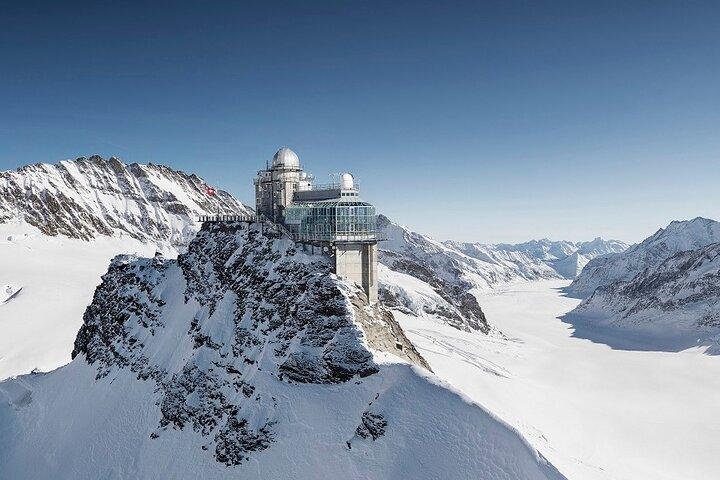
Zurich’s median tour is €119 against a global median of €60 — third-highest of the fifty cities we measured. Mountain railways are the reason: a single return to Jungfraujoch costs more than a full-day guided tour does in most of Europe. Budget for the mountain, not the guide.
Unlike Japan, the Swiss Travel Pass tends to win: it covers trains, buses, lake boats, many museums and gives large discounts on the mountain railways it does not cover outright. Two mountain excursions plus intercity travel and it is normally ahead.
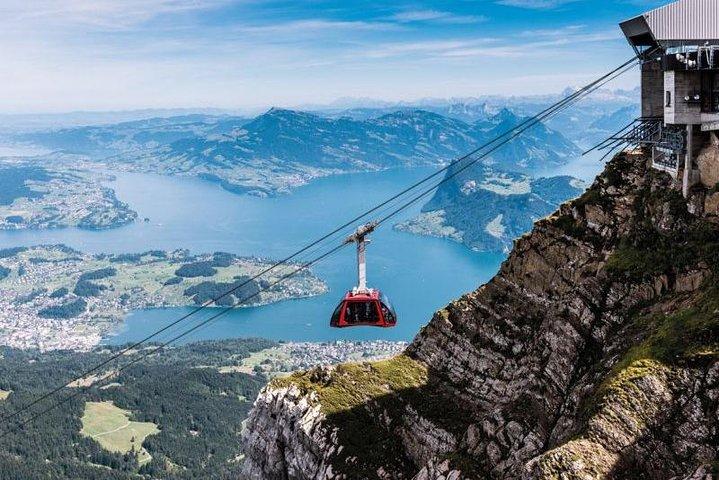
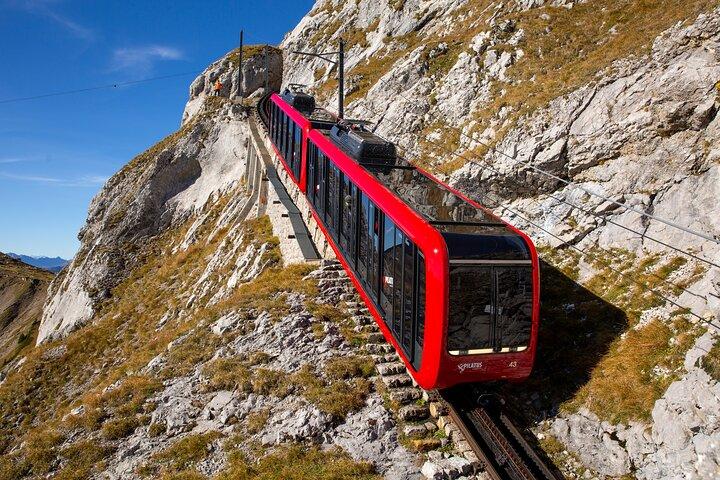
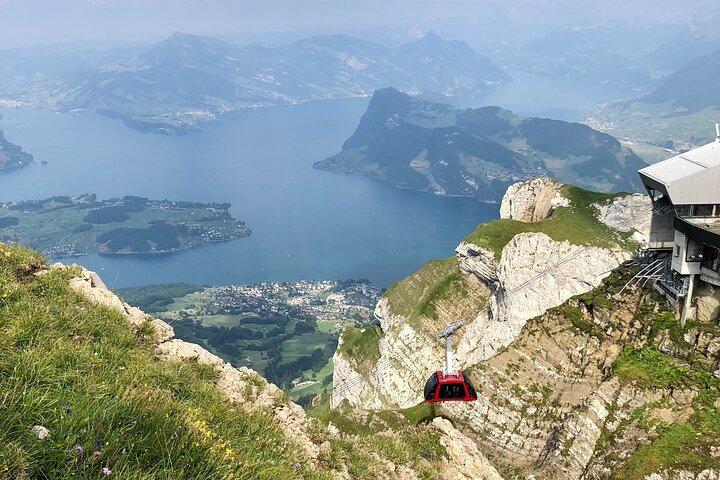
Jungfraujoch, Titlis and Pilatus are extraordinary in clear air and pointless in fog, and they cost the same either way. Check the summit webcams on the morning — every one of these mountains publishes them — and move the trip a day if it is socked in.
Late April to late May and late October to early December are the changeover windows, and individual lifts close for weeks at a time. Check the specific mountain rather than assuming the country is open.
Zurich to Lucerne is under an hour, to Interlaken about two, Geneva to Chamonix around ninety minutes. One base genuinely covers a lot here, and the day-trip catalogue is built on that.
German in Zurich and Lucerne, French in Geneva and Lausanne, Italian in Ticino. English guiding is widespread in the tourist centres and thinner in the valleys — worth confirming for anything away from the main resorts.
What is open, how busy it gets, and when to book ahead.