Americas · 5 cities
Things to Do in Ecuador
Five Ecuadorian destinations in one place: how the Galápagos actually works as a trip, why the day is always twelve hours long, and what altitude does between Quito and the coast.
1,883 tours listed by Viator 5 cities we cover Free cancellation


Where to go
Cities of Ecuador
In the order Viator’s own catalogue puts them — most-booked first, not alphabetical.


Full list
All cities, by region
Grouped by region using Viator’s own map of the country. The first block is the places it files directly under Ecuador.


Practical info
Know before you book
The things that change a decision — not a retelling of the guidebook.
The Galápagos is a cruise or an island base, and they differ
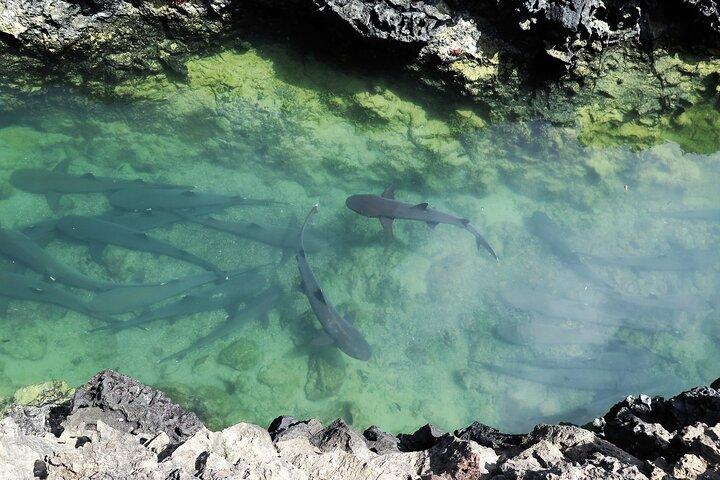
A live-aboard cruise reaches the remote islands that day trips cannot; basing yourself on Santa Cruz and island-hopping is far cheaper and covers the central islands. Both require the park entry fee and a transit control card bought at the airport.
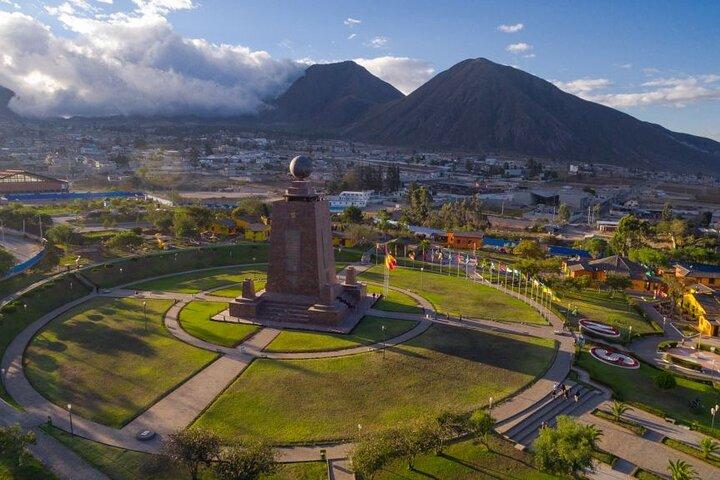
On the equator the day never changes length
Sunrise around six, sunset around six, every day of the year, everywhere in the country. It removes a whole planning variable — but it also means no long summer evenings, wherever you are.
Altitude, not latitude, sets the weather
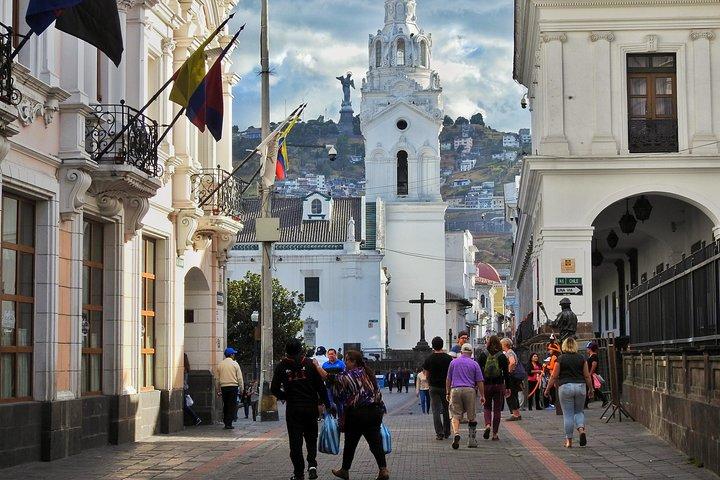
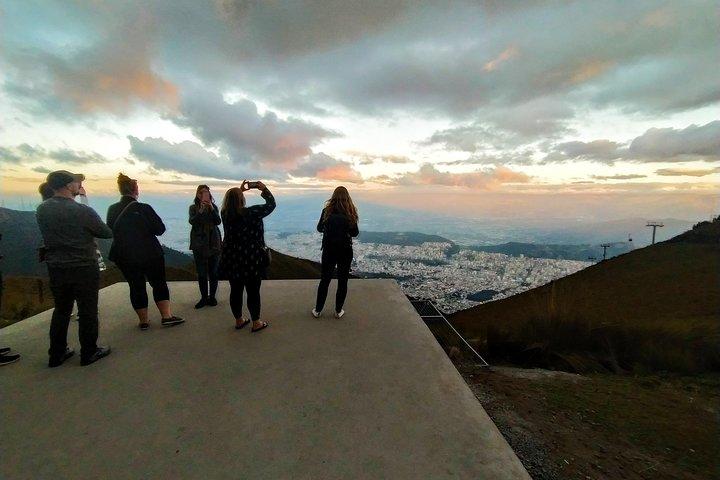
Quito sits at 2,850 metres and is cool and thin-aired; Guayaquil at sea level is hot and humid; Baños in between is temperate. A day can move between all three, and so can your packing list.
The currency is the US dollar
Ecuador adopted it officially in 2000, so there is nothing to exchange and prices are immediately legible. Small denominations are in short supply outside cities — break twenties when you can.
Baños is the adventure town
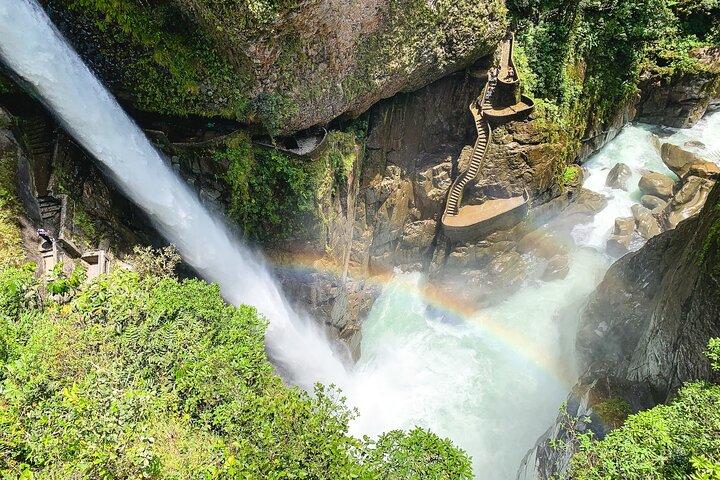
Waterfalls, canyoning, rafting and the famous swing over the gorge, all within a short ride of one small town three hours from Quito. It is where most of the country’s adrenaline catalogue actually happens.
Otavalo market runs on Saturdays
The largest indigenous market in South America, two hours north of Quito. It operates daily at reduced scale and on Saturday at full size, with the animal market at dawn. Time the day trip accordingly.
When to visit
Ecuador through the seasons
What is open, how busy it gets, and when to book ahead.
Highland dry
Jun–Sep
- Best for
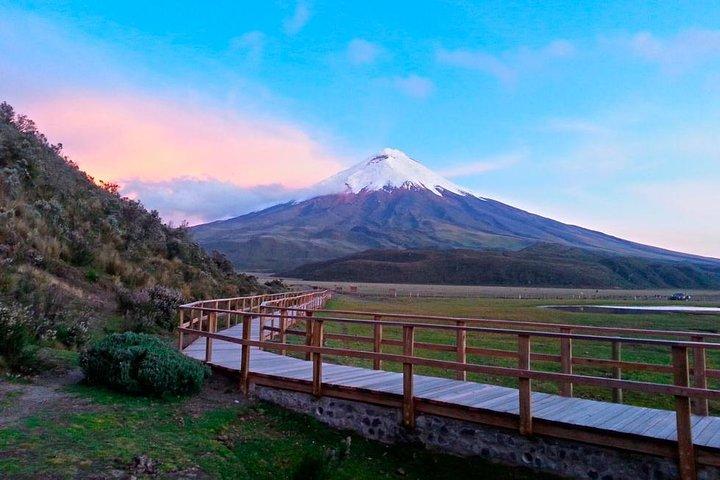
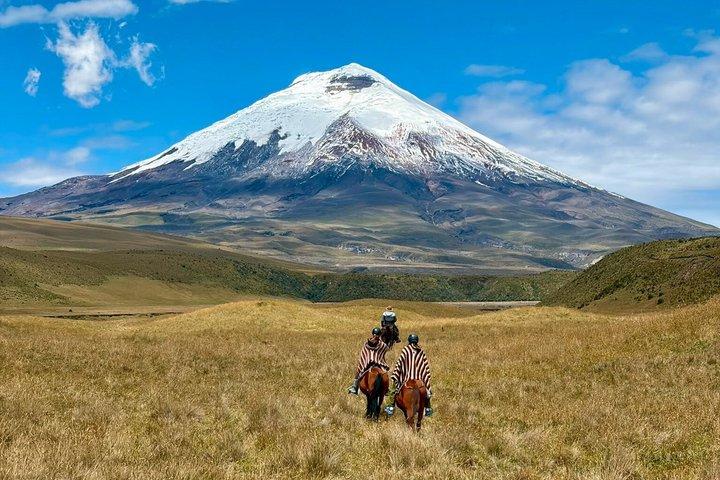
- Quito, the volcanoes, Cotopaxi views, hiking in the Andes.
- Crowds
- Booking tip
- The clearest months for mountain scenery, and the windiest in the Galápagos.
Highland wet
Oct–May
- Best for
- Green landscapes, fewer visitors, warm calm seas in the islands.
- Crowds
- Booking tip
- Rain in the Andes is an afternoon event; the coast is at its sunniest now.
Galápagos warm
Dec–May
- Best for
- Calm crossings, warm water for snorkelling, nesting turtles and land birds.
- Crowds
- Booking tip
- The easiest season if you are prone to seasickness on a cruise.
Galápagos cool
Jun–Nov
- Best for
- Richer marine life, whale sharks in the north, albatross on Española.
- Crowds
- Booking tip
- Choppier water and cooler air — wetsuits are standard rather than optional.
Frequently asked
Ecuador: common questions
How many days do you need in Ecuador?
Five days for the mainland — Quito, Otavalo, Cotopaxi and Baños — and five to eight more for the Galápagos, which is a flight and its own trip. Doing the islands in under four nights loses most of the value of getting there.
What does a tour in Ecuador cost?
Ecuador is not in our fifty-city price index, so we avoid quoting a median. The mainland is inexpensive by South American standards; the Galápagos is the opposite, with cruises priced per day at a level that reflects the strict visitor cap.
Galápagos cruise or island-hopping?
A cruise if the remote western and northern islands matter — they cannot be reached any other way. Island-hopping from Santa Cruz if budget is the constraint: you see the central islands, sleep on land, and pay a fraction of the price.
When is the best time to visit?
June to September for the Andes at their clearest, December to May for the Galápagos at its calmest and warmest. Because the country sits on the equator there is no bad month — only different trade-offs between the highlands, the coast and the islands.
Is the altitude in Quito a problem?
At 2,850 metres, some people feel it for a day. Arrive, walk slowly and do not schedule Cotopaxi or a climb for the first morning. The coast and the Galápagos are at sea level, so a trip that starts there gives you no acclimatisation at all.