Americas · 5 cities
Things to Do in Chile
Five Chilean destinations in one place: why every leg is a flight, what Torres del Paine requires in advance, and how the Atacama’s altitude catches people out.
2,367 tours listed by Viator 5 cities we cover Free cancellation



Where to go
Cities of Chile
In the order Viator’s own catalogue puts them — most-booked first, not alphabetical.


Full list
All cities, by region
Grouped by region using Viator’s own map of the country. The first block is the places it files directly under Chile.


Practical info
Know before you book
The things that change a decision — not a retelling of the guidebook.
The country is 4,300 kilometres long
Santiago to San Pedro de Atacama is a two-hour flight plus an hour of desert road; to Punta Arenas in the far south, three and a half hours in the air. Chile is not a driving-between-regions country — each destination is its own flight.
Torres del Paine needs planning, not just a ticket
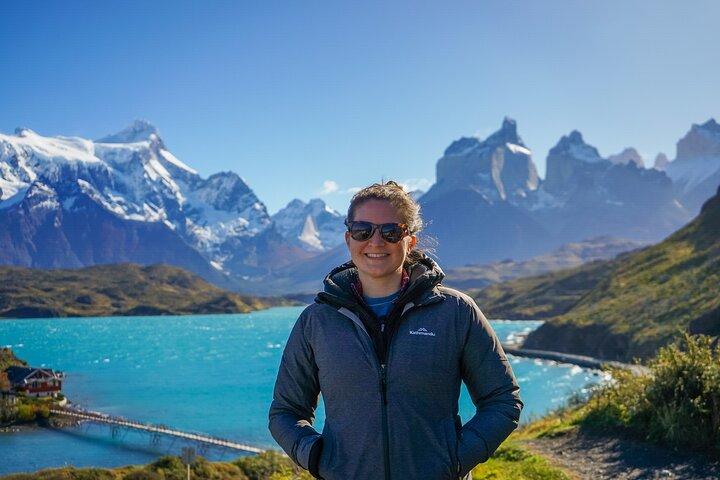
Park entry is booked online in advance, the season runs roughly October to April, and the refugios and campsites on the W trek sell out months ahead. Puerto Natales is the base town and two hours from the park gate.
The Atacama is high as well as dry
San Pedro sits at 2,400 metres and the classic excursions go far higher — the El Tatio geysers are at 4,300 and the tours leave at four in the morning to catch them steaming. Take the first day gently, and treat the geyser trip as day two or three.
The desert sky is the other attraction
The Atacama has among the clearest skies on earth and a serious astronomy tourism industry beside the professional observatories. Book around a new moon — a full moon washes out most of what you came to see, and the tours run regardless.
Seasons are inverted and February empties the cities
January and February are high summer and the Chilean holiday month — Santiago quietens while the south and the coast fill with domestic travellers. Patagonia is only really open in this half of the year.
Chile is the most expensive country in South America
Prices for food, transport and guided days run well above Peru, Bolivia or Argentina. The country is not in our price index, so we will not put a number on it, but budget closer to southern Europe than to its neighbours.
When to visit
Chile through the seasons
What is open, how busy it gets, and when to book ahead.
Spring
Sep–Nov
- Best for
- Patagonia opening, wildflowers, the desert in bloom in a good year.
- Crowds
- Booking tip
- November is the sweet spot in Torres del Paine — long days, fewer people, less wind.
Summer
Dec–Feb
- Best for
- Patagonia at full access, the Lake District, long southern daylight.
- Crowds
- Booking tip
- Peak prices and famous Patagonian wind; book refugios and flights months ahead.
Autumn
Mar–Apr
- Best for
- Colour in the south, wine harvest near Santiago, Patagonia calming down.
- Crowds
- Booking tip
- March is the quiet favourite: the park is still open and the crowds have gone.
Winter
May–Aug
- Best for
- Skiing in the Andes an hour from Santiago, and the Atacama at its clearest.
- Crowds
- Booking tip
- Torres del Paine services largely close; the desert works all year and gets cold at night.
Frequently asked
Chile: common questions
How many days do you need in Chile?
Two weeks to do it justice: Santiago and the wine valleys, four nights in the Atacama, and four or five in Patagonia. Ten days means choosing between the desert and the south. Both are flights from Santiago in opposite directions.
What does a tour in Chile cost?
Chile is not in our fifty-city price index, so we avoid a median figure. It is the most expensive country in South America for guided days — Atacama excursions and Patagonian full-day trips are priced at a level closer to Europe than to Peru or Bolivia.
When is the best time to visit Patagonia?
November to March. December and January give the longest days and the strongest wind; March gives stable weather with far fewer people. Outside October to April much of the infrastructure around Torres del Paine shuts down.
How do you handle the Atacama altitude?
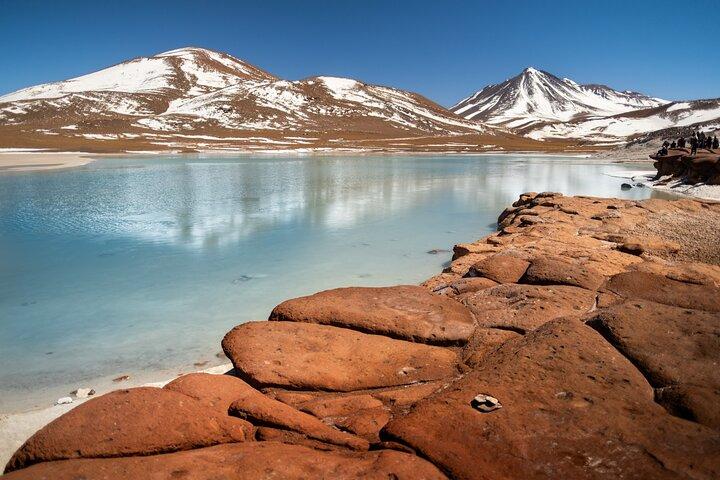
San Pedro at 2,400 metres is manageable for most people, but the excursions climb to over 4,000. Spend the first day on the low-altitude trips — the Moon Valley, the salt lagoons — and save the geysers and the altiplano lakes for later in your stay.
Are tours run in English?
In San Pedro, Puerto Natales and Santiago, routinely, though Spanish-language departures are often cheaper and more frequent. In smaller towns the English option needs booking ahead rather than assuming.