Europe · 3 cities
Things to Do in Bulgaria
Sofia, Plovdiv and Varna in one place: the one day trip everyone takes out of the capital, why Plovdiv is older than it looks, and what changes between the mountains and the coast.
1,200 tours listed by Viator 3 cities we cover Free cancellation






Where to go
Cities of Bulgaria
In the order Viator’s own catalogue puts them — most-booked first, not alphabetical.
Full list
All cities, by region
Grouped by region using Viator’s own map of the country. The first block is the places it files directly under Bulgaria.


Practical info
Know before you book
The things that change a decision — not a retelling of the guidebook.
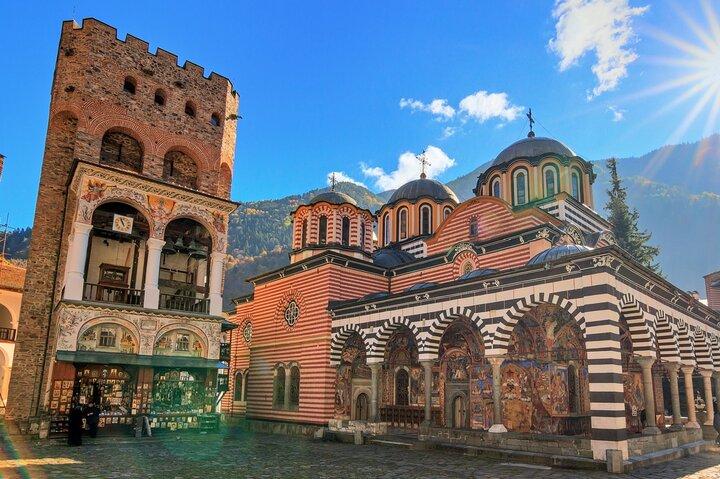
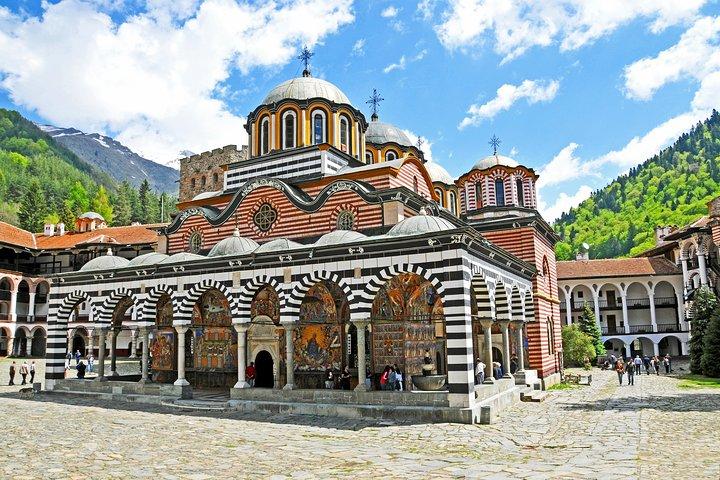
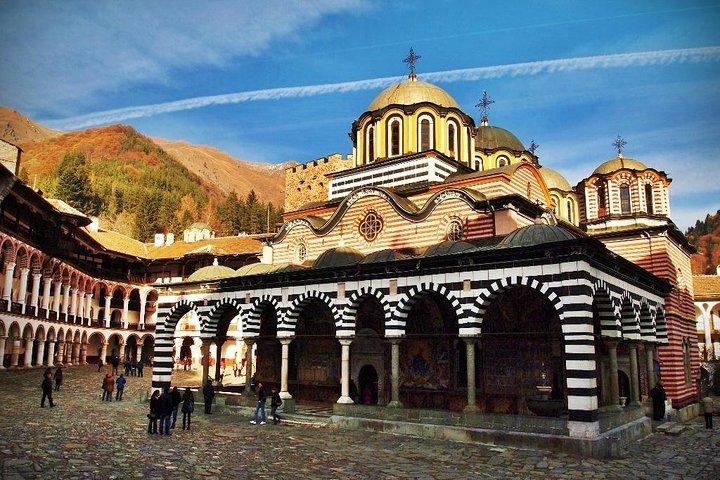
Rila Monastery is the day trip out of Sofia
About two hours each way into the mountains, and the most-booked thing in the country. Most tours combine it with the Boyana Church on the way back, which is a ten-minute stop with thirteenth-century frescoes and a strict limit on how many people are inside at once.
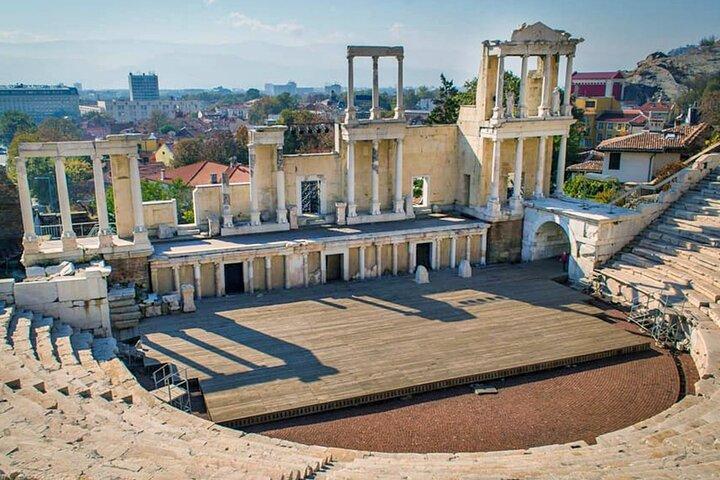
Plovdiv is one of the oldest cities in Europe
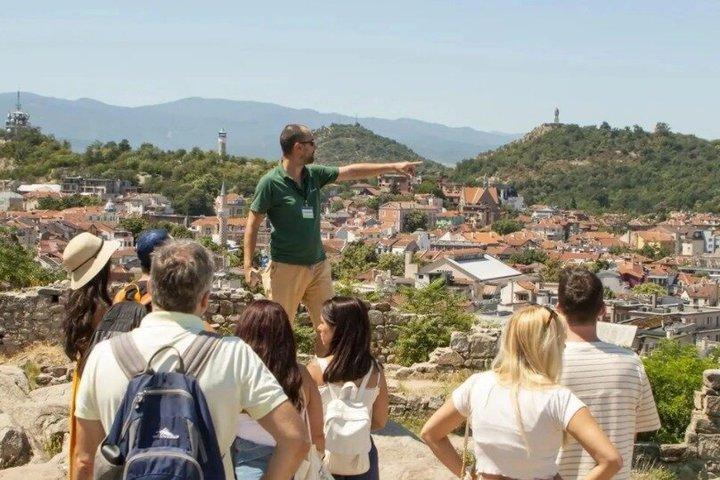
Continuously inhabited for around eight thousand years, with a Roman theatre that is still used for concerts and an Ottoman old town layered on top. It is two hours from Sofia by train and deserves a night rather than an afternoon.
The Black Sea coast is a summer-only country
Varna and the resorts around it run from June to September and largely shut outside it. The sea is warm from July, and the beaches are wide and considerably cheaper than the Mediterranean equivalents.
Skiing here is cheap by European standards
Bansko and Borovets run from December to April and cost a fraction of the Alps for lift passes, lessons and food. Sofia is ninety minutes from Borovets, which makes a day on the snow a realistic city-break add-on.
The head shake is inverted, and the alphabet is Cyrillic
A nod can mean no and a shake can mean yes — it is real, it is inconsistent around tourists, and it causes genuine confusion. Street signs are in Cyrillic with Latin transliteration on the main routes but not always elsewhere.
The currency is the lev
Pegged to the euro at a fixed rate, which makes mental arithmetic easy. Cards work in the cities; the monasteries, village restaurants and small museums often do not take them.
When to visit
Bulgaria through the seasons
What is open, how busy it gets, and when to book ahead.
Spring
Apr–May
- Best for
- Sofia and Plovdiv at their best, the Rose Valley in late May, mountains greening.
- Crowds
- Booking tip
- The coast is not open yet — spring here is a city and mountain season.
Summer
Jun–Aug
- Best for
- The Black Sea, hiking in the Rila and Pirin, festivals in Plovdiv.
- Crowds
- Booking tip
- Sofia in August is hot and half-empty — locals leave for the coast.
Autumn
Sep–Oct
- Best for
- Warm sea into September, wine harvest, the monasteries in colour.
- Crowds
- Booking tip
- The best-value window of the year, and the weather barely differs from August.
Winter
Nov–Mar
- Best for
- Cheap skiing, Sofia’s museums, thermal spas, snow on the monastery roofs.
- Crowds
- Booking tip
- The coastal resorts are closed entirely — go inland or to the mountains.
Frequently asked
Bulgaria: common questions
How many days do you need in Bulgaria?
Two days for Sofia with Rila, two for Plovdiv, and as long as you like on the coast. Five days covers the two inland cities comfortably; a week adds either the Black Sea in summer or the mountains in winter.
Is Bulgaria cheap to visit?
It is one of the cheaper countries in Europe for food, transport and guiding. It is not in our fifty-city price index, so we cannot quote a median, but a private guide for a full day costs less here than a group tour does in western Europe.
When is the best time to visit?
May, June and September. July and August are hot inland and busy on the coast; December to March is for skiing. The shoulder months are the ones where the whole country works at once.
Can you visit Rila Monastery on your own?
Yes, but public transport is slow and infrequent, so almost everyone takes a tour or hires a driver. It is a full day either way. Dress modestly — it is a working monastery with monks in residence.
Are tours run in English?
In Sofia, Plovdiv and Varna, routinely. Sofia has an established free walking tour scene and good licensed guiding; outside the three cities, English departures are worth confirming.