Europe · 5 cities
Things to Do in Belgium
Five Belgian destinations in one place: why one base covers the whole country, when Bruges is worth staying in rather than visiting, and what the language border actually changes.
1,519 tours listed by Viator 5 cities we cover Free cancellation







Where to go
Cities of Belgium
In the order Viator’s own catalogue puts them — most-booked first, not alphabetical.


Practical info
Know before you book
The things that change a decision — not a retelling of the guidebook.
Everything is an hour apart
Brussels to Ghent is half an hour, to Bruges an hour, to Antwerp forty minutes. There is no need to move hotel in Belgium: one base and trains outward covers the entire country comfortably, which is unusual in Europe.
Bruges empties in the evening
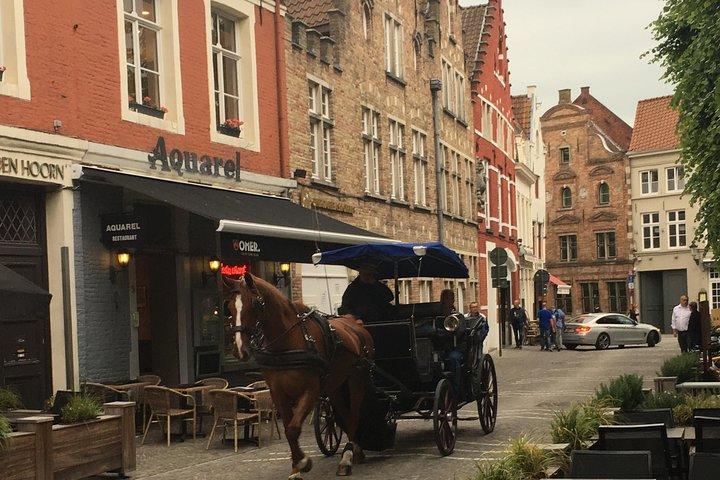
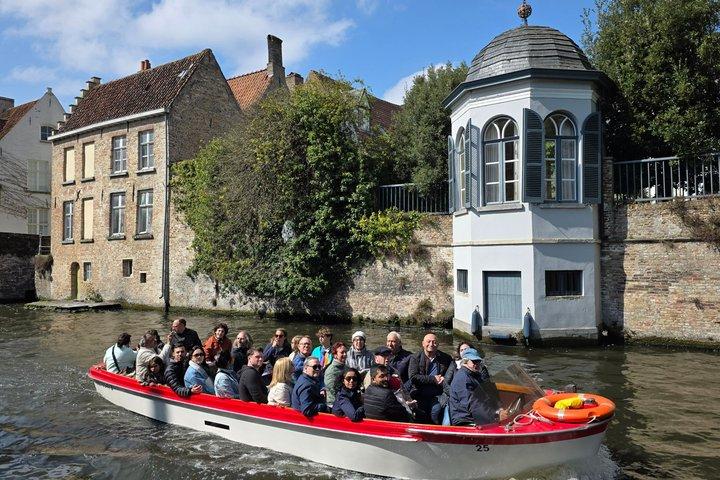
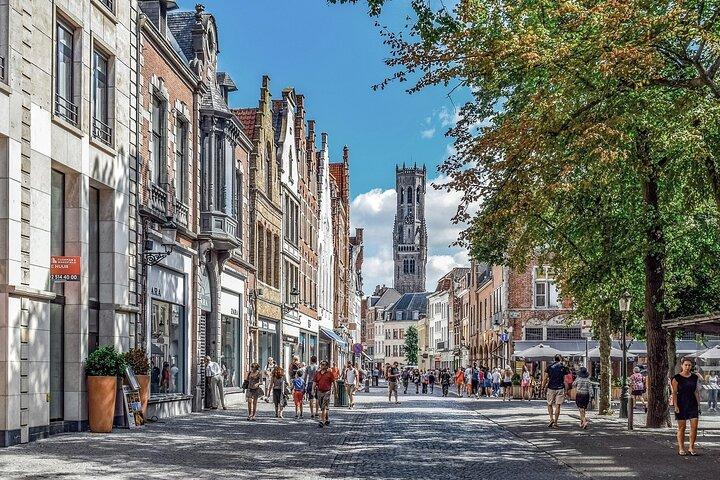
It takes several million day visitors a year, almost all of them between ten and five. Staying a night turns the busiest small town in Belgium into an empty medieval city at eight in the evening. If you can only visit for the day, go early rather than late.
Beer here is a serious subject and needs booking
Trappist and lambic breweries run tours that fill weeks ahead, and several of the most famous names — Westvleteren among them — do not offer brewery tours at all. A guided tasting is usually a better introduction than chasing a specific brewery.
Two languages, and the road signs change the name
Dutch in Flanders, French in Wallonia, both in Brussels. Towns have two names and the signs use only the local one: Mons is Bergen, Liège is Luik, Kortrijk is Courtrai. It confuses drivers more than anything else in the country.
Mondays are quiet for the wrong reason
Most Belgian museums close on Mondays, including several of the big ones in Brussels and Antwerp. It is a good day for a walking tour, a brewery or a train to a town you were only going to look at anyway.
The Flower Carpet is every other year
Brussels lays a carpet of begonias across the Grand Place for four days in mid-August, in even-numbered years only. Christmas markets in Brussels and Bruges run from late November and are the other reason to plan around a date here.
When to visit
Belgium through the seasons
What is open, how busy it gets, and when to book ahead.
Spring
Apr–May
- Best for
- Terraces reopening, canals without coach parties, comfortable walking weather.
- Crowds
- Booking tip
- May has several public holidays when museums close — check the dates.
Summer
Jun–Aug
- Best for
- Long evenings, festivals, and the North Sea coast when it behaves.
- Crowds
- Booking tip
- Bruges and Ghent are at their busiest — arrive before ten or stay the night.
Autumn
Sep–Oct
- Best for
- Beer festivals, museums with room, the cities back to themselves.
- Crowds
- Booking tip
- The best value months of the year here, and the weather is no worse than May.
Winter
Nov–Mar
- Best for
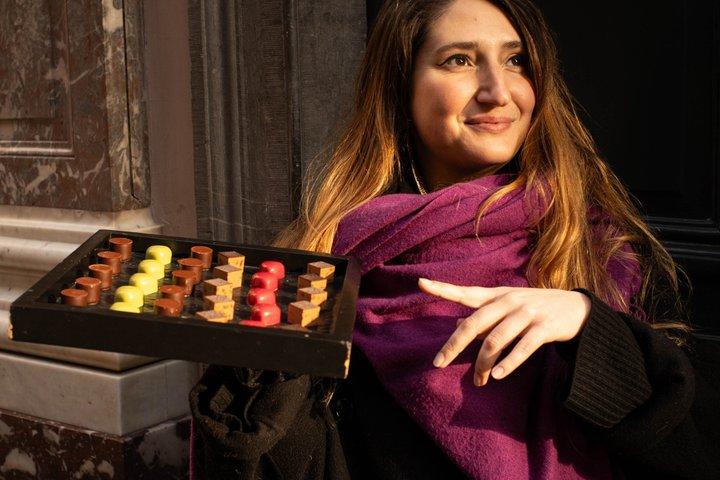
- Christmas markets, chocolate, and the kind of weather beer was invented for.
- Crowds
- Booking tip
- It is grey and wet rather than cold — this is an indoor trip, and a good one.
Frequently asked
Belgium: common questions
How many days do you need in Belgium?
Three to four days covers it properly: two in Brussels, and day trips to Bruges and Ghent, or a night in one of them. Antwerp deserves a day of its own if you care about art or fashion. The country is genuinely small and the trains are frequent.
Bruges or Ghent?
Bruges is prettier and much busier; Ghent is a working university city with almost as much medieval architecture and a fraction of the crowds. If you have one day, Bruges early. If you have two, do both — they are twenty minutes apart by train.
When is the best time to visit?
May, June and September. Belgium is not a weather destination and the difference between months is mostly how many people are in Bruges. December has the markets, which is a reason of its own.
Is Brussels worth staying in?
Yes, and it is underrated — it has the best food, the best museums and by far the best transport links in the country, and it is markedly cheaper to sleep in than Bruges. Use it as the base and take the trains out.
Are tours run in English?
Everywhere in the four cities on this page, routinely. Brussels in particular has a large international population, and English-language guiding there is as good as anywhere in Europe.