Praca do Giraldo15 min
City center and a meeting point.
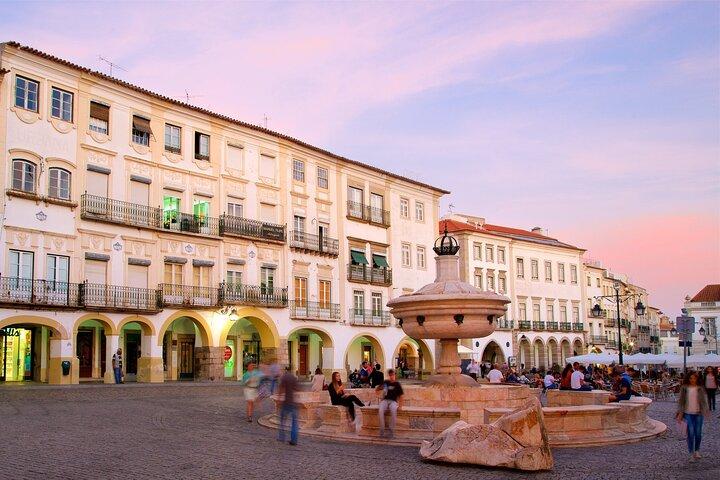
The main square of Évora was originally called «Plaça Grande» and housed the City Hall, a beautiful Manueline (Portuguese Gothic) building, demolished to give place to the current and equally elegant Banco de Portugal. The name was changed in honor of Giraldo Sem Pavor, a knight who helped the first king of Portugal to expel the Moors from the region in 1165.
Rua 5 De Outubro15 min
Crafts, local products and historical heritage.
Cathedral of Evora (Se Catedral de Evora)Admission not included30 min
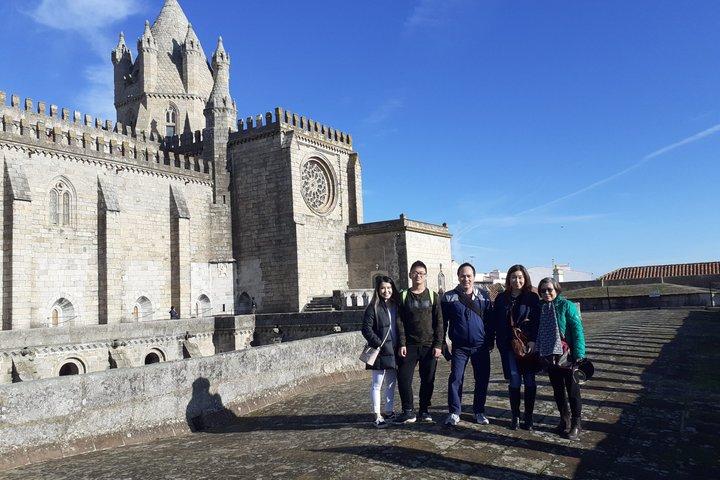
It is the largest medieval cathedral in Portugal.
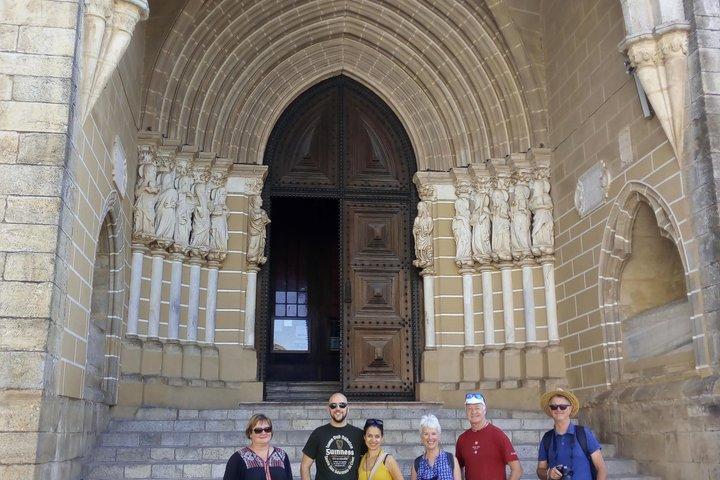
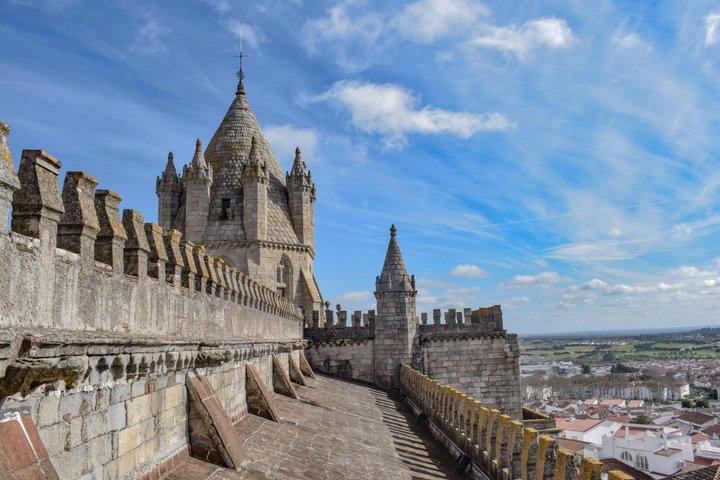
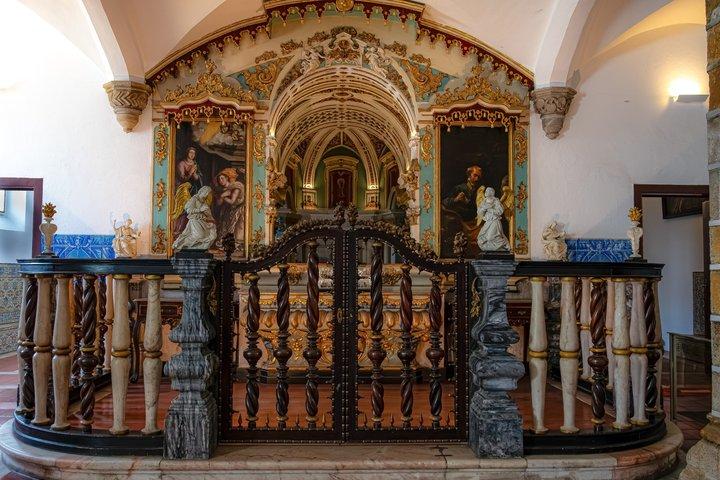
This impressive church in Évora was enlarged during the 15th and 16th centuries. During this period, several important parts were built: the high choir, the baptistery and the arc of the Chapel of Our Lady of Mercy. This chapel of the Cathedral of Évora is a unique testimony to hybrid Plateau architecture.
15 min
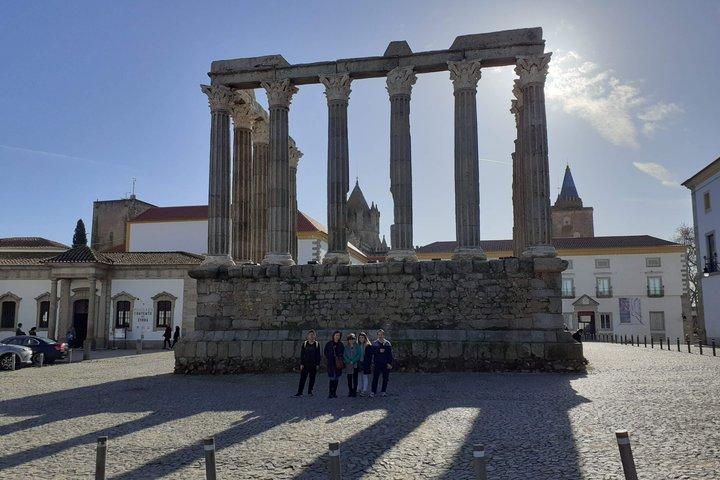
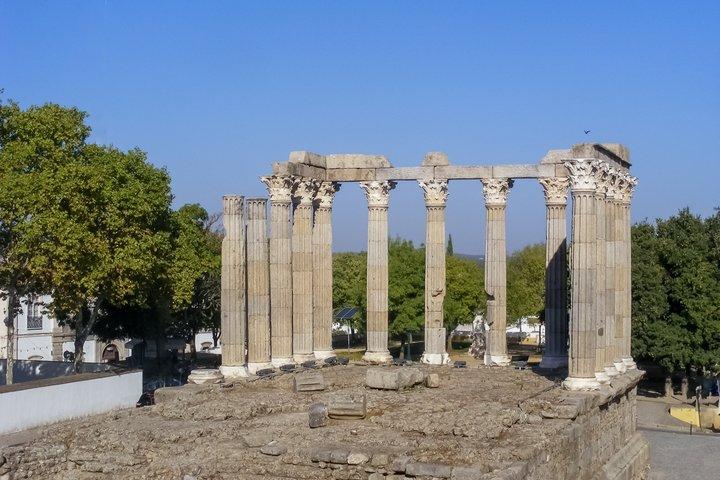
The Roman Temple of Évora is one of the largest and best preserved Roman temples on the Iberian Peninsula.
It's the city's business card.
Jardim Diana10 min
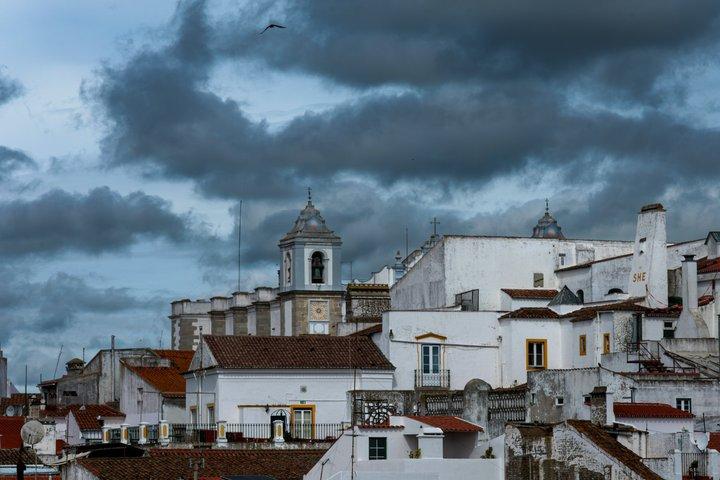
The Diana Garden, next to the Roman Temple, has a peculiar topographic location – a garden located in a slope delimited by confinement walls, from which you can see the urban landscape of Évora with the Alentejo plains on the horizon.
Pateo de Sao Miguel10 min
The Palace of St. Michael, originally a Moorish fortress, is the oldest palace in Évora. It was transformed into a royal residence after being taken by the first king of Portugal.
Igreja De Sao Francisco15 min
Church of San Francisco - Evora
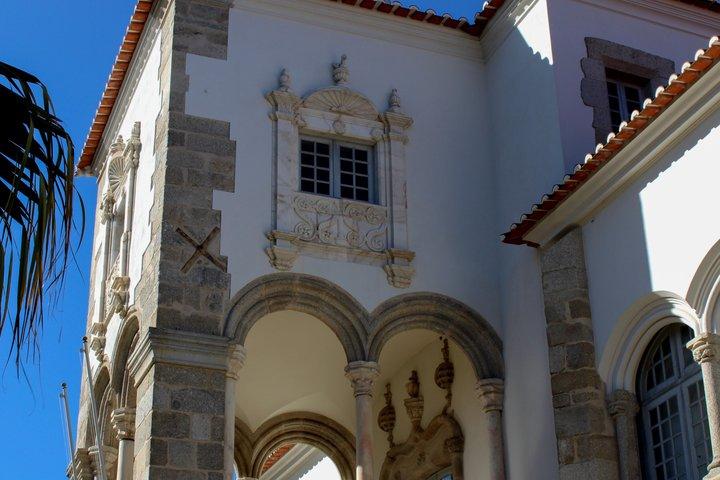
One of the distinctive features of the facade is a portico with arches of different styles - a typical example of the "union" between the Gothic and Moorish styles, present in so many monuments of this region of Portugal. On the Manueline Gate, we can see the emblems of the kings who ordered to build the church - D. John II and D. Manuel I - whose emblems were, respectively, the pelican and the armillary sphere.
Chapel of BonesAdmission not included30 min
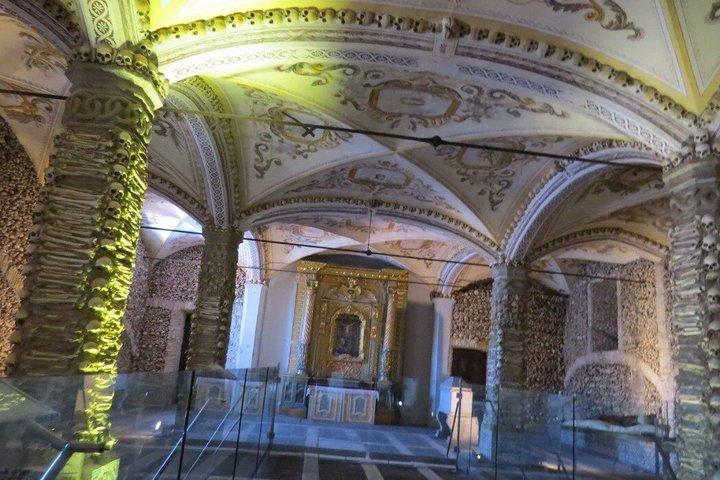
The chapel was built in the 17th century at the initiative of three Franciscan frades. Its purpose is to convey the message of the transiency and fragility of human life. This message is clearly transmitted to the visitors of the Bone Chapel right at the entrance, through the sign that says: “We bones who are here, for yours we wait”.