Self Guided Franschhoek Wine Tour GPS Audio Guide

+11 photos


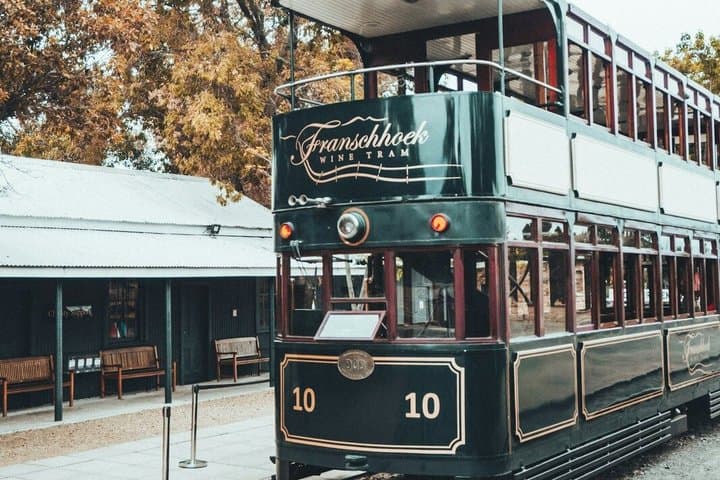

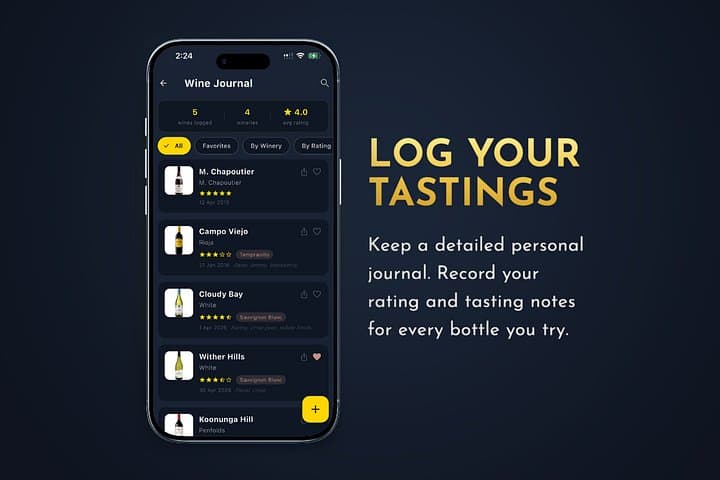
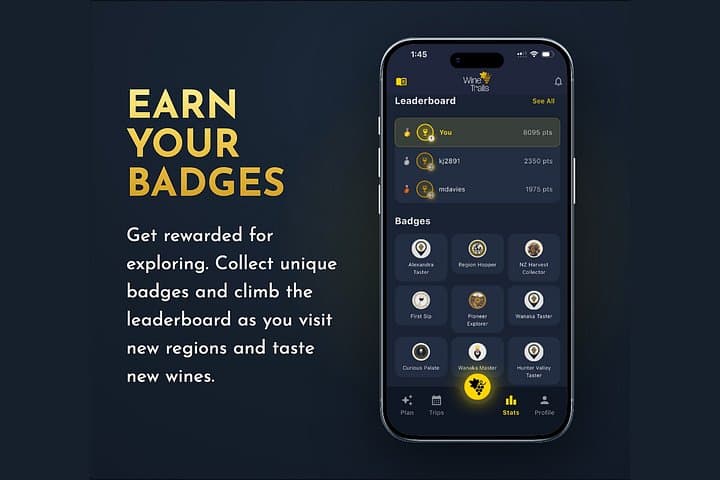
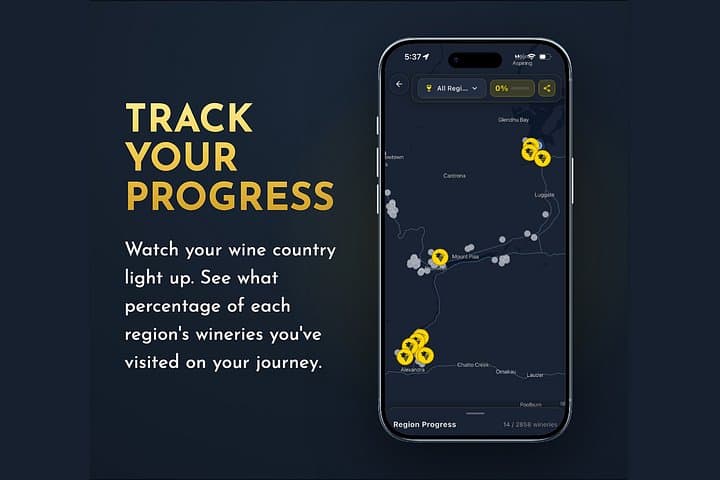
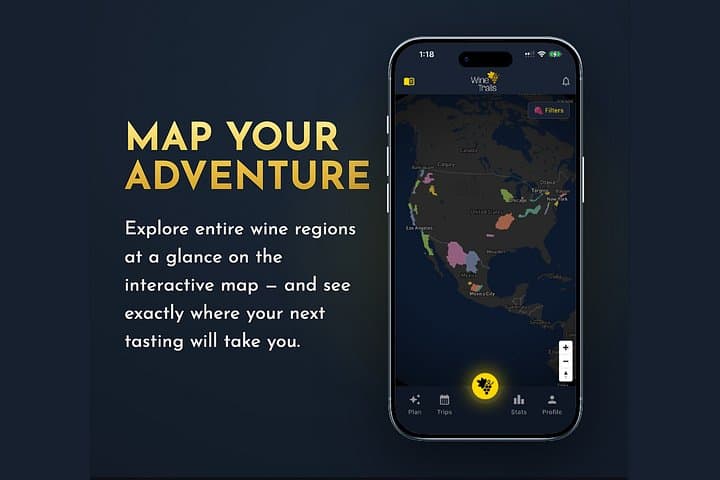
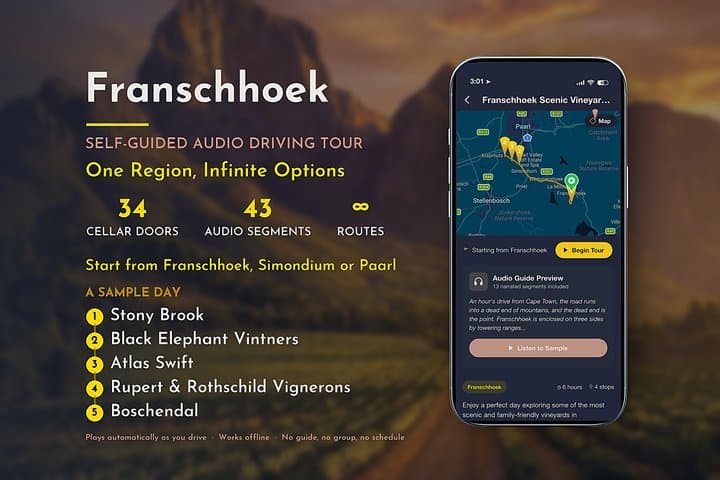
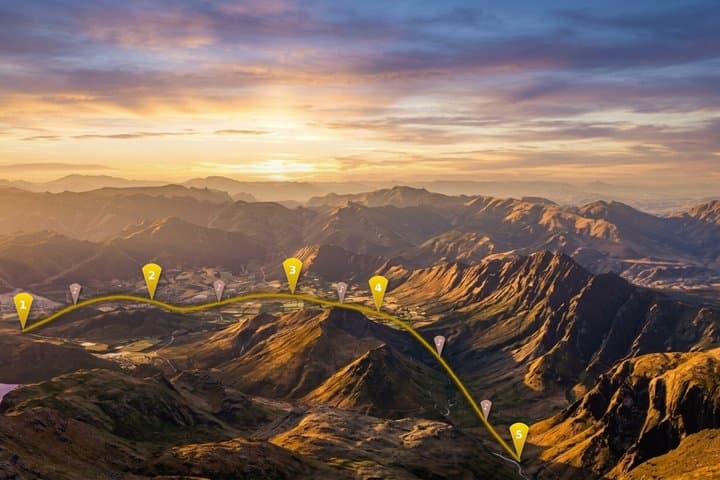
Drive Franschhoek yourself, with a GPS audio guide that plays automatically as you go. Your booking unlocks the whole valley in the free Wine Trails app: pick your date and starting point, Franschhoek village, Groot Drakenstein, Simondium or Paarl, choose the estates you want from the 34 mapped between the pass and the Simonsberg, and the app builds your personal route with turn-by-turn narration. Narrated stories cover the people behind the gates: the Huguenot refugees of 1688 whose farm names are still on the signs, Paulina Pepler at Rickety Bridge, the Rupert family's three estates, Charles Back's arrival from Lithuania in 1902, and the cellars that make Cap Classique and nothing else. No group, no schedule, no guide; pause for a long lunch in the village, ride a Wine Tram line, replay anything, and the audio keeps working when the signal drops on the pass, because everything downloads offline. You'll need a car and a designated driver; tastings are paid directly at each estate.
Out at sunset: the 6:00 PM departure is under way when the sun sets, around 7:40 PM in the coming weeks.
From the operator’s live schedule on Viator, checked Nov 18.
Three white arches at the head of the village, unveiled in 1948 for the refugees of 1688; the museum beside it tells the story of the edict that drove them out of France.
Family-run cellar on the pass road above the village, Pinot Noir and Chardonnay only, led today by cellar master Takuan von Arnim under the creed that wine is grown, not made.
Cap Classique house making nothing else, from Pinot Noir, Chardonnay and Pinot Meunier; claims the first Agrafe Cap Classique in the Cape, fermented under cork and clip.
One thing, two grapes: Cap Classique from Pinot Noir and Chardonnay, more than half the Chardonnay from its own farm; Brut Reserve, Blanc de Blancs and Brut Rosé on the counter.
Founded in 1991 with what it calls South Africa’s first underground maturation cellar; 36 hectares of vines planted high on the valley slopes between 400 and 600 metres.
One of the farms acquired by Huguenot Pierre Joubert after he arrived in 1694; manor house, gallery and restaurant at the village end of the R45.
Land granted to Huguenot farmers in 1694 and owned in the 1830s by Paulina Pepler, one of South Africa’s first female landowners; tastings at the bridge on the R45.
Food, literature and conservation on the valley’s main road: rotisserie restaurant, family tables, a shop and sponsor of the Cape Leopard Trust.
For a full refund, cancel at least 24 hours before the scheduled departure time.
Self Guided Franschhoek Wine Tour GPS Audio Guide lasts about 2–13 hours. The itinerary has 16 stops.
Prices start at $25 per person for this Franschhoek experience, booked through Viator with the price shown before checkout. There is 1 booking option, so the final price depends on the option you choose.
According to the operator’s current schedule, it runs every day, with 21 departures a day between 8:00 AM and 6:00 PM.
Yes. Cancel at least 1 day before the start for a full refund. Later cancellations are non-refundable.
The meeting point is These are self-guided wine tours, so these are just where a user can drive in from. The user can start from wherever they are at. Hotel pickup is not part of this experience.
The experience is available in CMN, EN.
It is a private experience: only your party takes part. Your own group can be up to 8 people on one booking; no other travellers join.
| Tour | Duration | Rating | Price | |
|---|---|---|---|---|
| Self Guided Franschhoek Wine Tour GPS Audio Guide | 2–13 hours | — | $25 | |
 Historic Tulbagh: A Self-Guided Audio Tour of Church Street's Heritage | 1h–1h 15min | 4.5 (2) | $5 | View |
 Sea Point Promenade: A Self-Guided Audio Tour | 1h 5min | 5.0 (1) | $5 | View |
 The Village in the City: A Self-Guided Audio Tour of Bo-Kaap | 35 min–1h | 5.0 (1) | $6 | View |
 Slavery in the Cape: A Self-Guided Audio Tour of Cape Town's Slave History | 1h–1h 15min | — | $5 | View |
 Cape Town's original shoreline: a self-guided audio tour | 2h–2h 30min | — | $5 | View |
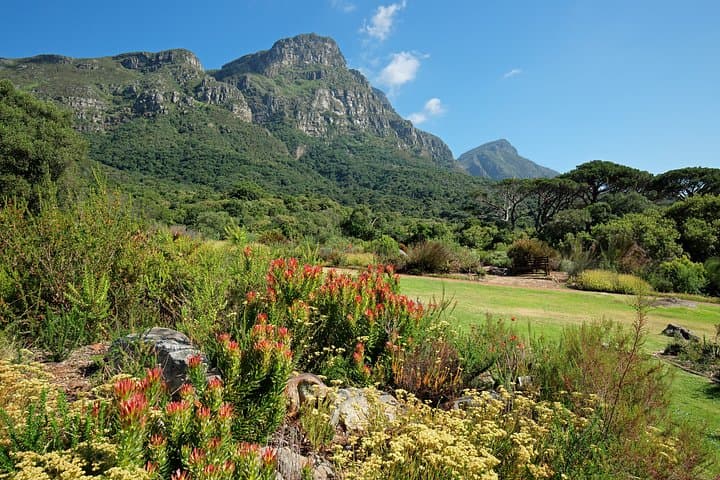 Cape Town's Famous Kirstenbosch Gardens: Self-Guided Audio Tour | 1h 15min–2h 30min | 3.7 (14) | $5 | View |
Named in 1709 by Huguenot Pierre Joubert for his Provençal village; manor from the 1750s, owned by the Rupert family since 1970, with a bakery, farm shop and concert programme.
L’Ormarins, named for the Huguenot village of Lourmarin, the farm on which Rupert Wines was founded; a large estate at the heart of the family’s valley.
A story that begins in 1685 with Jean le Long; Cape Dutch manor now a national monument, 1,900 hectares of working farm with the Werf and the Cellar Door for tasting.
Allocated in 1688 to Flemish merchant Jacques de Savoye off the ship Oosterland and named peace and delight; the Buys family has farmed it since 1996.
A 1997 partnership between Dr Anton Rupert and Baron Edmond de Rothschild, whose family has owned Château Lafite since 1868; on the Simondium side under the Simonsberg.
One of the oldest working Cape Dutch farms, at the foot of the Simonsberg, where the garden leads everything: menus, hotel rooms and a Cap Classique called Sprankel.
Among the first Cape producers of Chardonnay, from 1988, on 145 hectares of the Simonsberg-Paarl hills along the Simondium road.
Bought in 1916 by Charles Louis Back, who arrived from Lithuania in 1902 with nothing; four generations of Backs later the name is still on the gate.
Infants and small children can ride in a pram or stroller
Yes, bookings are confirmed instantly.