Sebilj Brunnen (Fountain)5 min
Sebilj is a famous wooden fountain located in the heart of Sarajevo’s Baščaršija. Built in the 18th century, it’s an iconic symbol of the city, known for its beautiful Ottoman architecture. Sebilj is a popular meeting spot and a place to relax, surrounded by cobbled streets, shops, and cafes. It’s a must-see landmark that captures the essence of Sarajevo’s rich history and vibrant atmosphere.
KazandzilukPass by
Kazandžiluk is one of the oldest streets in Sarajevo's Baščaršija, dating back to the 16th century. This cobbled, pedestrian-only lane is renowned for its coppersmiths, who have been crafting and selling copperware for centuries. Visitors can find a variety of handmade items, including coffee pots, trays, and jewelry, often featuring intricate filigree designs. The street begins near the Baščaršija Square and extends eastward, turning south to connect with Bravadžiluk Street. Walking through Kazandžiluk offers a glimpse into Sarajevo's rich Ottoman heritage and a chance to purchase unique, handcrafted souvenirs.
Sarajevo City HallPass by
Vijećnica, Sarajevo’s City Hall, is a stunning example of Moorish Revival architecture, built in 1894. Originally a city hall, it later housed the National Library. During the Siege of Sarajevo in 1992, it was heavily damaged. After restoration, it reopened in 2014 as a national monument and cultural venue, symbolizing the city’s resilience and rich history.
5 min
Inat Kuća (House of Spite) is a historic building in Sarajevo. In the late 19th century, the owner refused to sell his house for the construction of the City Hall. Authorities moved it brick by brick to the opposite bank of the river. Today, it’s a restaurant serving traditional Bosnian food.
Latin Bridge5 min
Latin Bridge is a historic Ottoman bridge in Sarajevo, famous for being the site of the 1914 assassination of Archduke Franz Ferdinand, which triggered World War I. Built in the 16th century, it remains an important city landmark.
Gazi Husrev-beg Mosque5 min
Gazi Husrev Bey's Mosque is the largest mosque in Sarajevo, built in 1530. It’s an important symbol of the city’s Ottoman history, with beautiful architecture and a rich cultural heritage.
Gazi-Husrev Beg's Bezistan5 min
Bezistan is a 16th-century covered market in Sarajevo’s Baščaršija, built by Gazi Husrev-beg. It’s a historic shopping area with shops under arched arcades.
5 min
Sacred Heart Cathedral in Sarajevo, built in the late 19th century, is the largest cathedral in Bosnia and Herzegovina. Its Neo-Gothic style and historical significance make it a key symbol of the city.
5 min
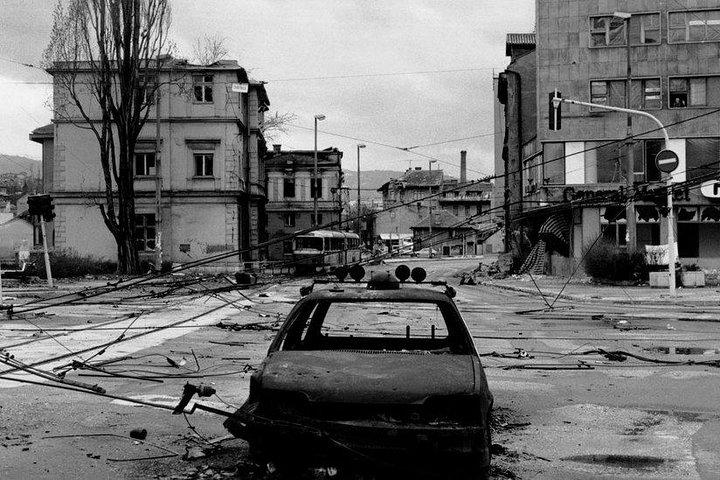
The Parliament Building in Sarajevo, constructed in 1982, is a modernist structure designed by architect Juraj Neidhardt. It houses the Parliamentary Assembly of Bosnia and Herzegovina. Notably, the building was severely damaged during the Siege of Sarajevo in the 1990s but has since been restored.
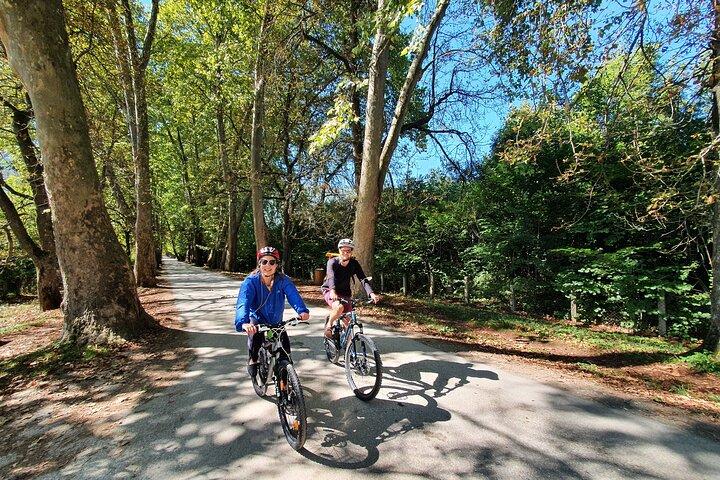
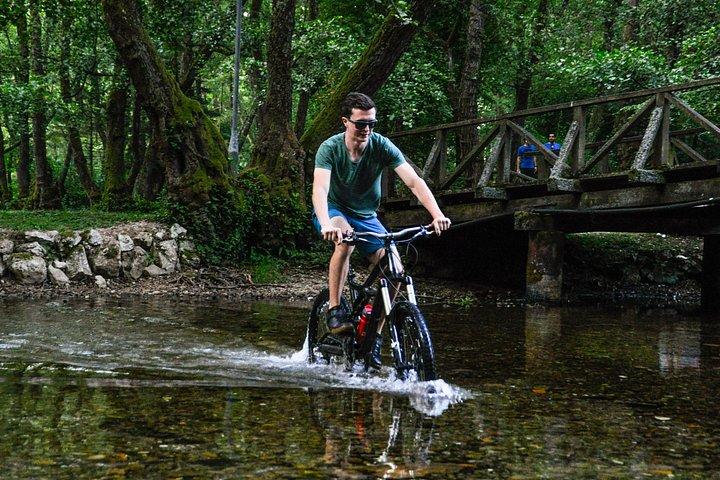
Vrelo BosneSpring of the Bosna river is a public park, featuring the spring of the River Bosna, at the foothills of the Mount Igman on the outskirts of Sarajevo, capital of Bosnia and Herzegovina.
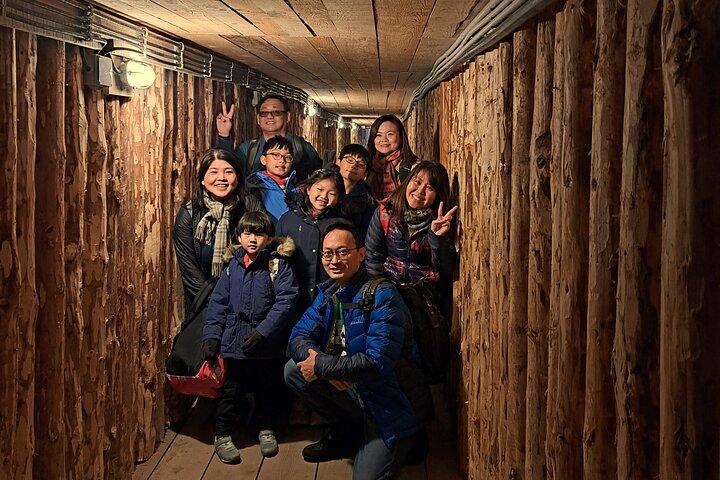
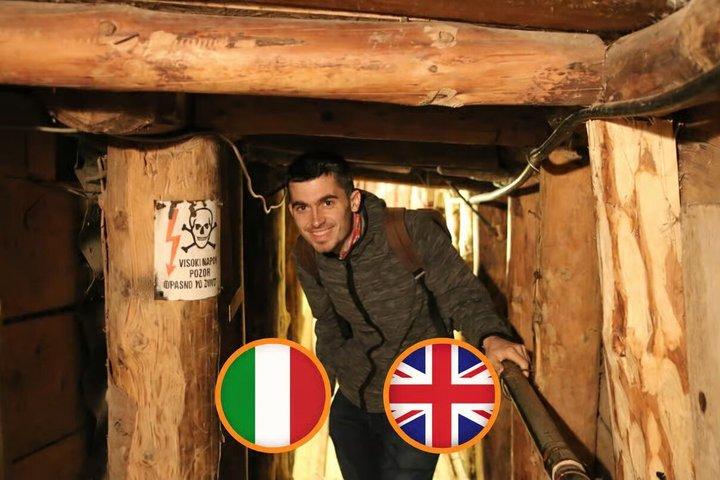
Sarajevo War TunnelThe tunnel was constructed during the Bosnian War as a means by which to link two Bosnian held territories that had been cut off by the Army of Republika Srpska.