Aswan90 min
Tour Guide will take you from your hotel in Aswan, to the train station and go to Luxor. As for the train gate in Luxor, the tour guide looks at you and the beginning of the visit Luxor landmarks
Valley of the Kingsthan transfer to visit in the West bank where you can see The Valley of the Kings, Wadi el-Muluk in ,was created and used from approximately 1539 BC to 1075 BC. is a valley in Egypt where tombs were built for the Pharaohs and powerful nobles of the New Kingdom of Ancient Egypt. The cult of death and the lifelong preparation for the afterlife were the focus of Egyptian religion, and the Valley of the Kings and other monuments in the West Bank necropolis are mute testimony to this obsession. The pharoahs were buried in secret tombs here and protected by the best security of the age, It contains some 60 tombs, The most known tombs are King Tutmosis I, Tutmosis III, Tut-Ankh-Amon, King Ramssess VI, King Mrenptah and AmonhotepII.
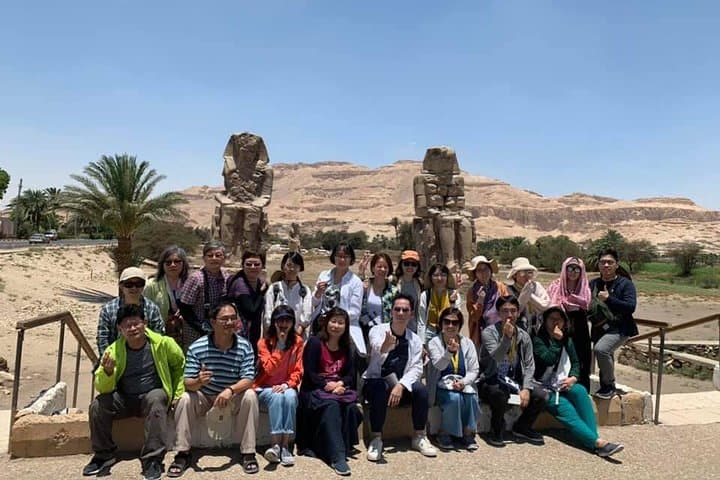
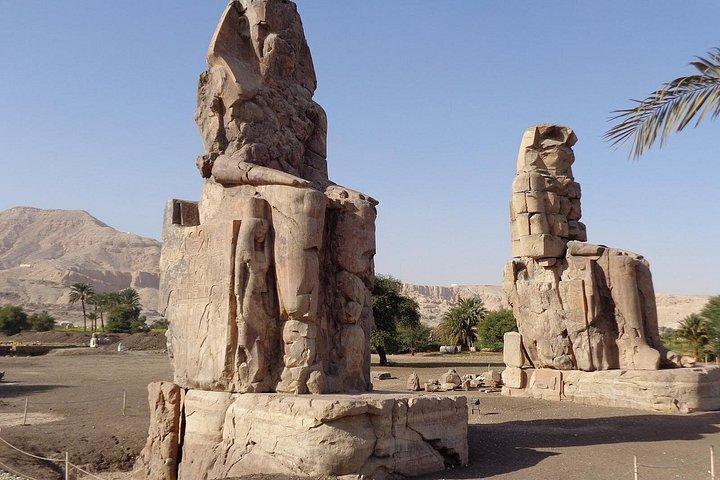
you will get to see the the two colossal statues of Amenhotep III (Colossi of Memnon) are the two massive stone statues of Pharaoh Amenhotep III. For 3,400 years they have sat in the Theban necropolis, across the River Nile from the city of Luxor. The original function of the Colossi was to stand guard at the entrance to Amenhotep’s memorial temple or mortuary temple. back to the east bank in Luxor, lunch at local restaurant
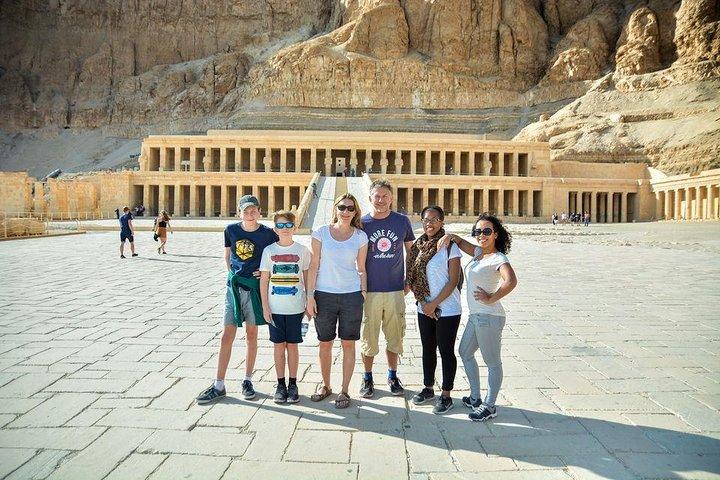
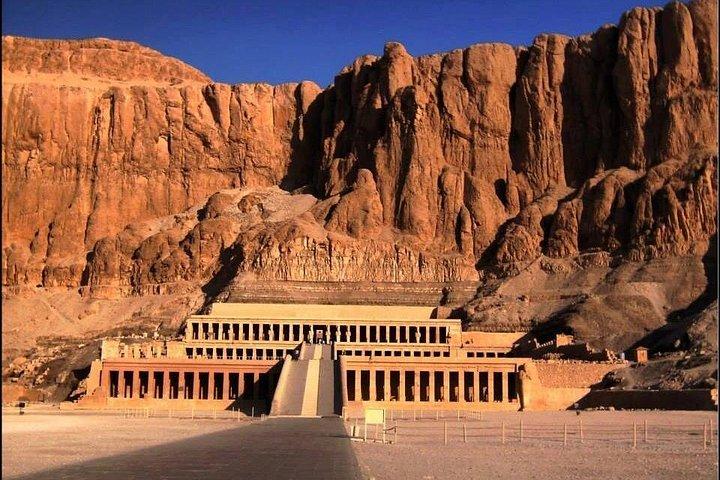
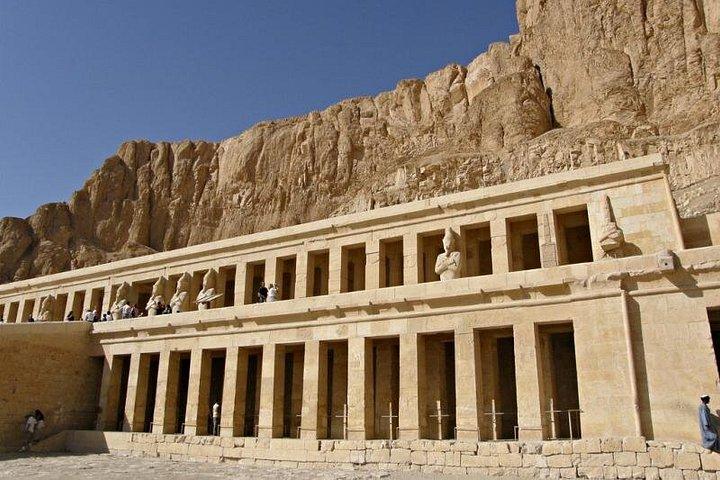
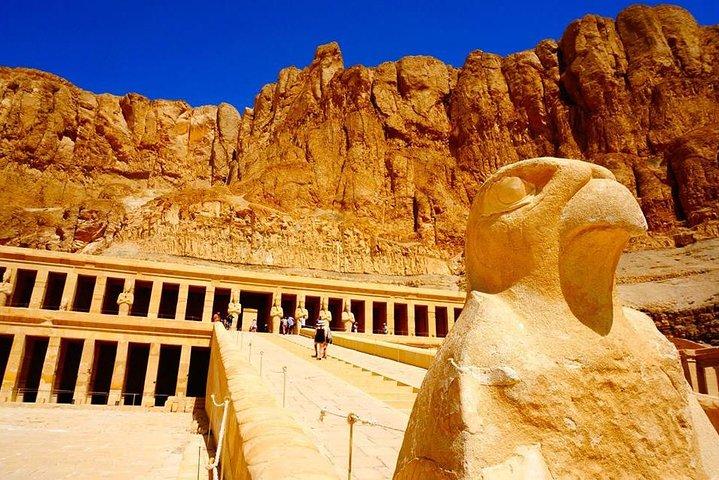
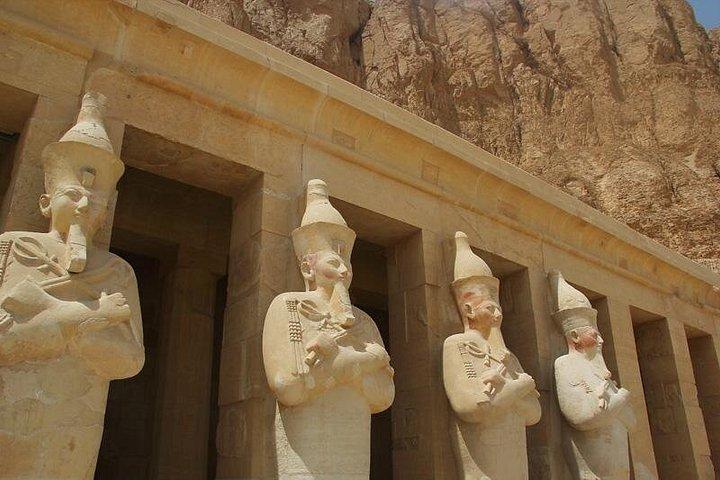
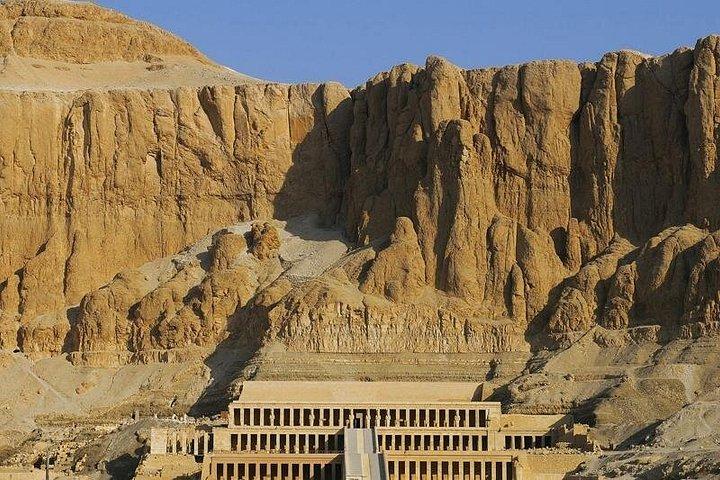
Temple of HatshepsutThen drive, to enjoy an excursion to visit The Mortuary Temple of Queen Hatshepsut at El Deir El Bahary was built by Queen Hatshepsut, daughter of Thutmosis I, who ruled Egypt about 20 years during the 18th Dynasty(1490–1469 B.C). The only pharaonic woman who reigned ancient Egypt was the first great woman in recorded history: the forerunner of such figures as Cleopatra, Catherine the Great and Elizabeth I. The Mortuary Temple of Hatshepsut is the focal point of the Deir el-Bahri complex of mortuary temples and tombs located on the west bank of the Nile, opposite the city of Luxor. Hatshepsut was a rare female pharoah. Her temple, known as Djeser-Djeseru Splendor of Splendors
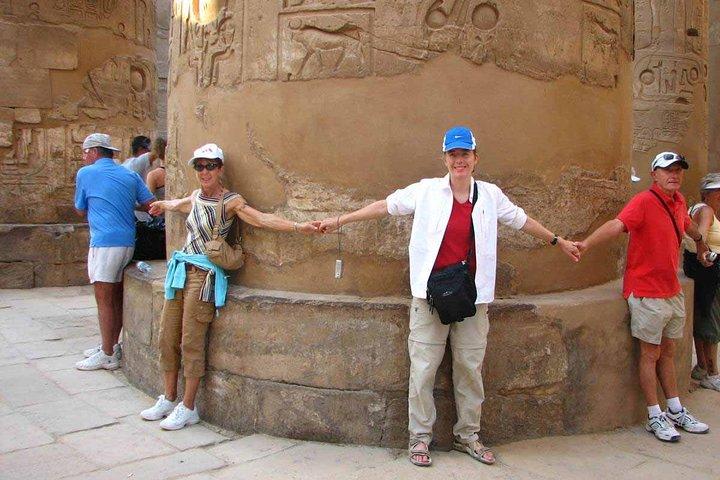
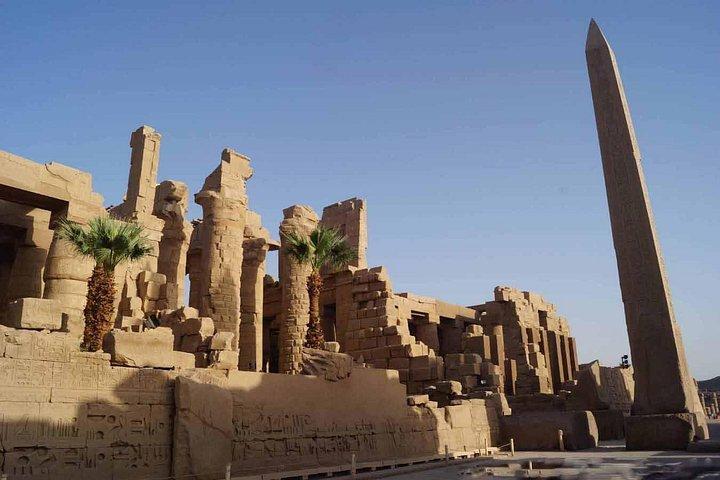
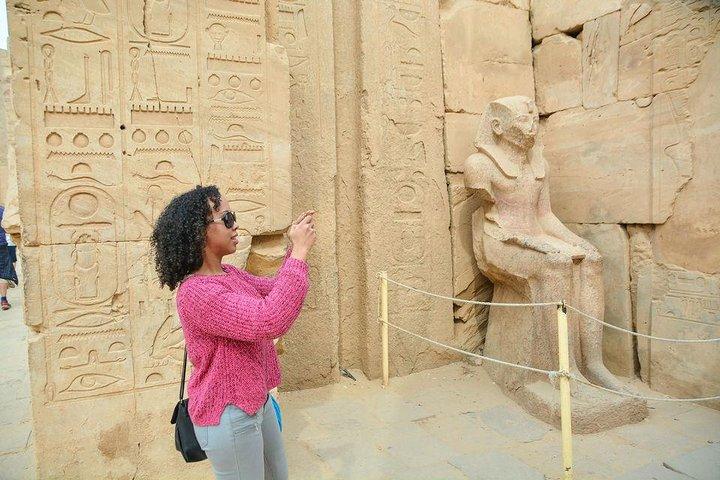
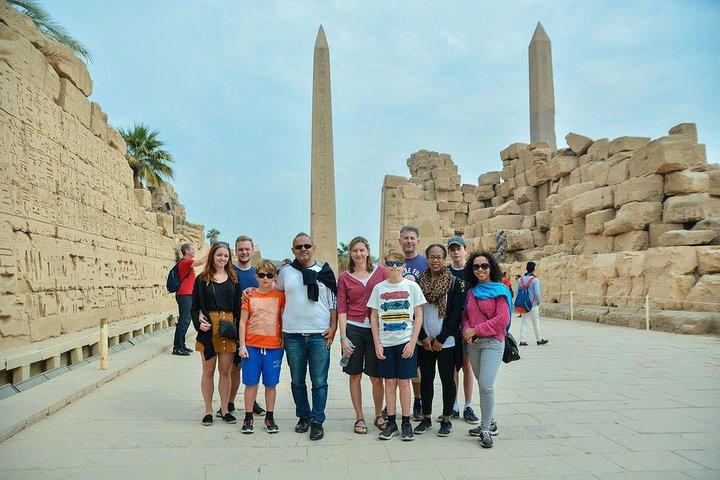
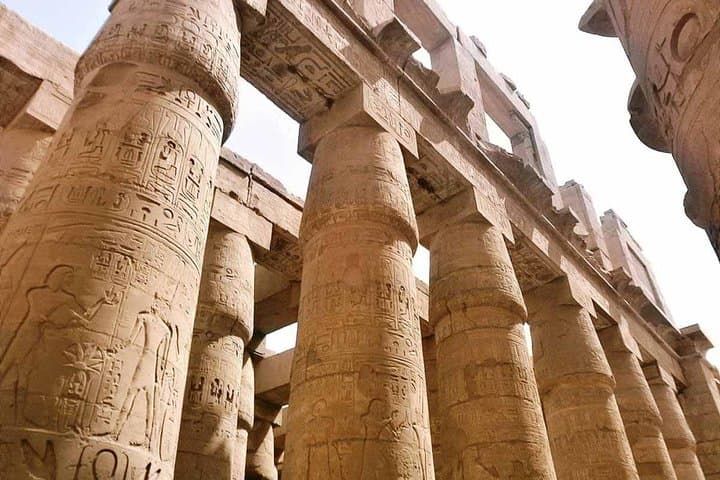
The Karnak Templecontinue you tour to the East bank & visit Karnak temples, the largest place of worship ever built, the greatest example of worship in history and In ancient Egypt, It was constructed from the beginning of the Middle Kingdom to the Graeco Roman Kingdom. was dedicated to the God Amon , his wife Mut and their son Khonsu of Thebes gradually increased during the early New Kingdom, and after the short persecution led by Akhenaten, it rose to its apex. In the reign of Ramesses III, more than two thirds of the property owned by the temples belonged to Amun, evidenced by the stupendous buildings at Karnak. Although badly ruined, no site in Egypt is more impressive than Karnak. It is the largest temple complex ever built by man, and represents the combined achievement of many generations of ancient builders. The Temple of Karnak is actually three main temples, smaller enclosed temples, Its ancient name was Ipet-isut, meaning "The Most Select (or Sacred) of Places
Aswan90 min
After completing the visit to Luxor, return to the train station and return to Aswan and in front of the train door, the representative is waiting for you and return to the hotel