Battistero del Duomo - World Heritage SitePass by
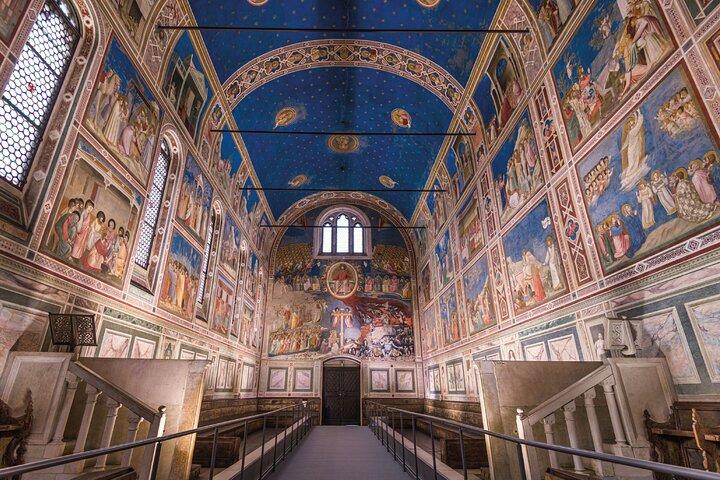
Piazza Duomo is the religious heart of Padua, dominated by the Cathedral of Santa Maria Assunta and the beautiful Baptistery, famous for its extraordinary medieval frescoes by Giusto de’ Menabuoi.
Palazzo LivianoPass by
Piazza del Capitaniato is one of Padua’s historic squares, dominated by the elegant Palazzo del Capitaniato, a Renaissance building designed by Andrea Moroni. Today it serves as one of the monumental entrances to the University of Padua and connects the medieval city center with the area that once represented Venetian political power.
Riviera Paleocapa di PadovaPass by
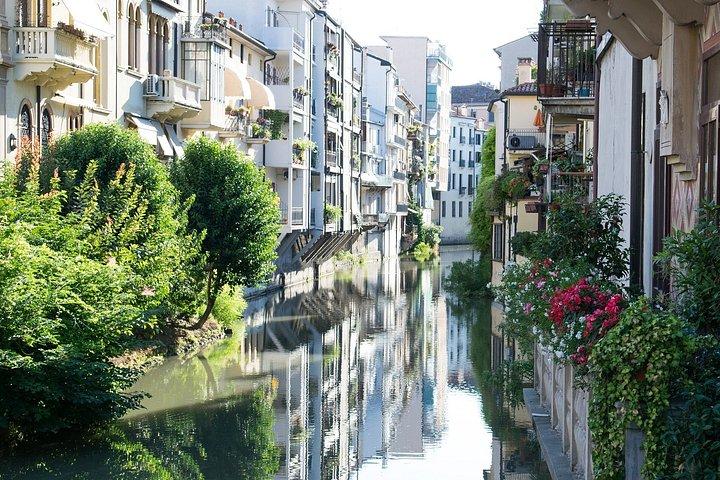
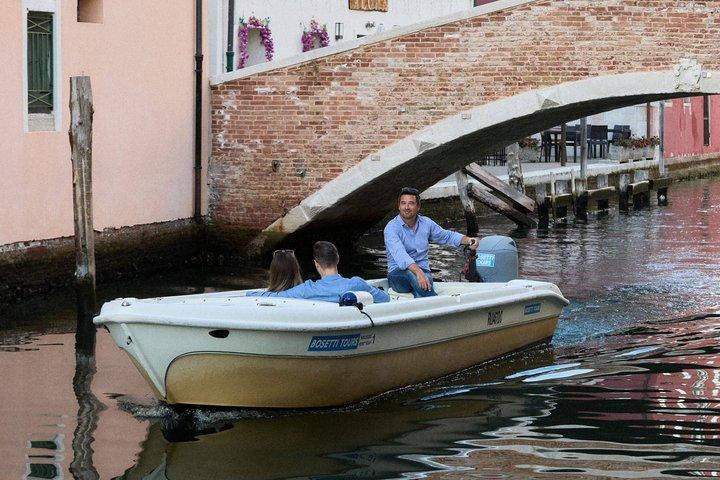
The Riviere are the elegant streets that run along Padua’s historic canals. Lined with historic buildings, bridges, and lively cafés, they recall the city’s long connection with water and trade. Today they are among the most charming and scenic areas of Padua’s historic center.
Museo dell'Osservatorio Astronomico di PadovaPass by
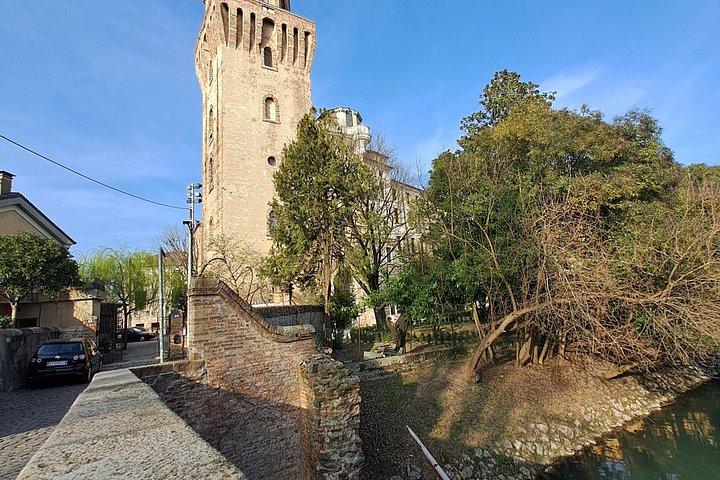
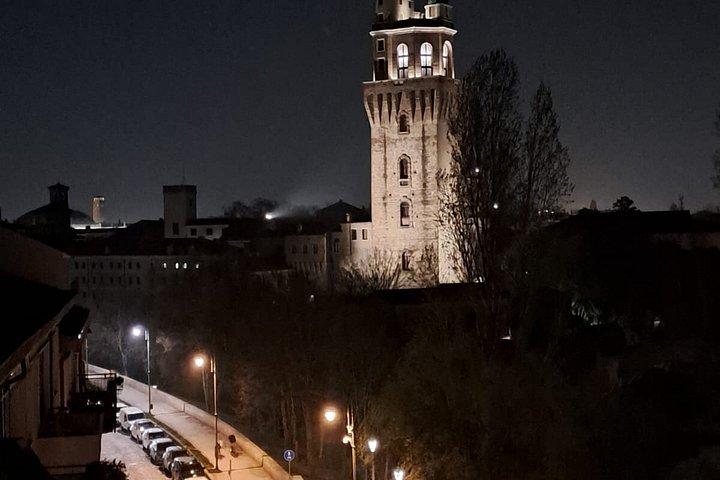
La Specola is Padua’s historic astronomical observatory, located in a medieval tower overlooking the canals. Once part of the city’s defensive system, it later became a center for scientific research linked to the University of Padua, offering a fascinating view into the history of astronomy.
Santuario di San Leopoldo MandicPass by
The Sanctuary of Saint Leopold Mandic is an important pilgrimage site in Padua dedicated to the humble Capuchin friar known for his life of prayer and reconciliation. Saint Leopold spent many years here hearing confessions, and today the sanctuary welcomes visitors and pilgrims from around the world.
Chiesa di Santa CrocePass by
Santa Croce Church is a historic church in Padua located along one of the city’s ancient riversides. Built in the medieval period and later renovated, it reflects Padua’s long religious tradition and offers a quiet glimpse into the spiritual life of the city.
Leone Marciano Bastione S. CrocePass by
Bastione Santa Croce is one of the historic defensive bastions of Padua’s Renaissance city walls. Built during the Venetian period, it was part of the fortification system designed to protect the city and today stands as a reminder of Padua’s military and architectural history.
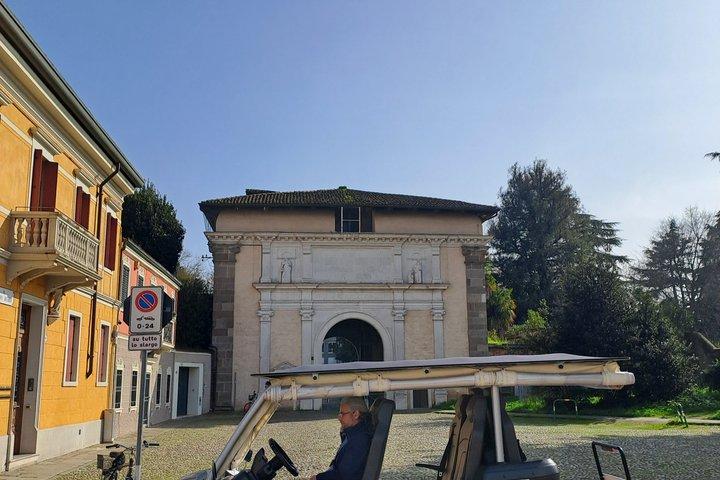
Porta Liviana o di PontecorvoPass by
Pontecorvo is one of the historic gates of Padua, marking an important entrance to the city during the medieval and Venetian periods. The area is characterized by its canals, ancient bridges, and the nearby walls that once protected the city.
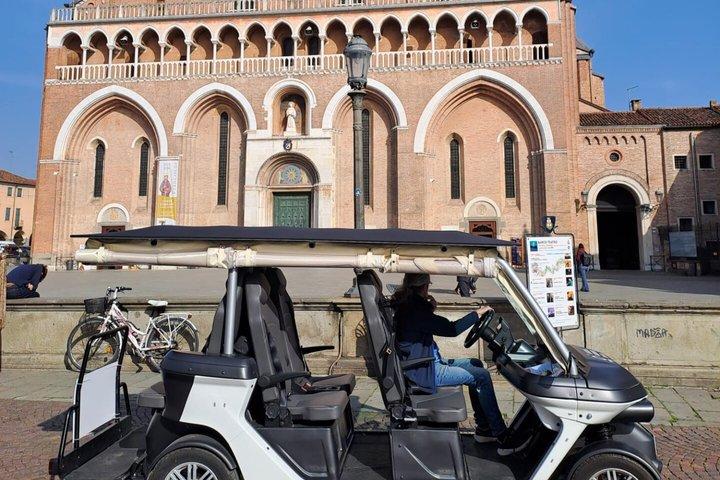
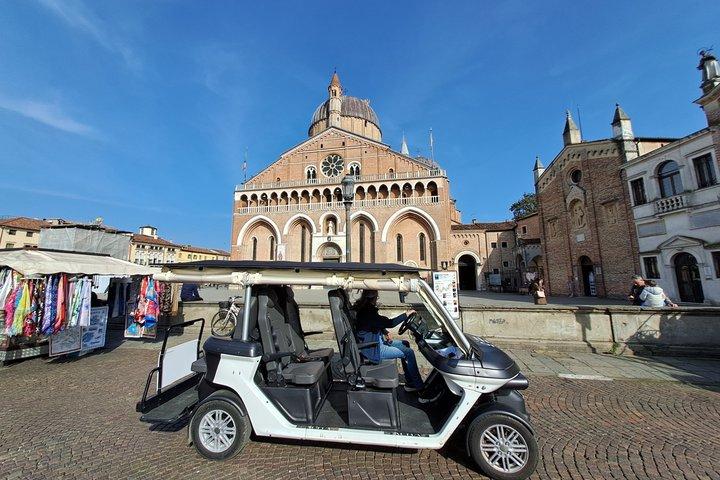
Basilica of St. AnthonyPass by
The Basilica of Saint Anthony, often simply called “Il Santo”, is one of the most important pilgrimage sites in the world. Dedicated to Saint Anthony of Padua, the basilica is famous for its beautiful domes, rich artworks, and the tomb of the saint, which attracts millions of visitors and pilgrims every year.
Prato Della Valle10 min
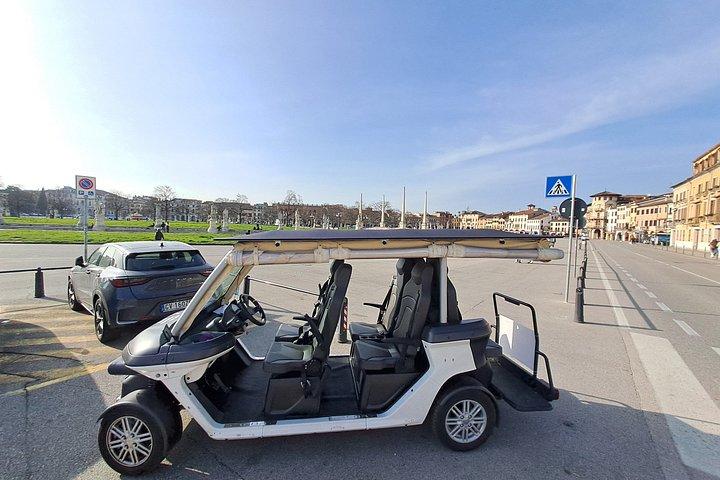
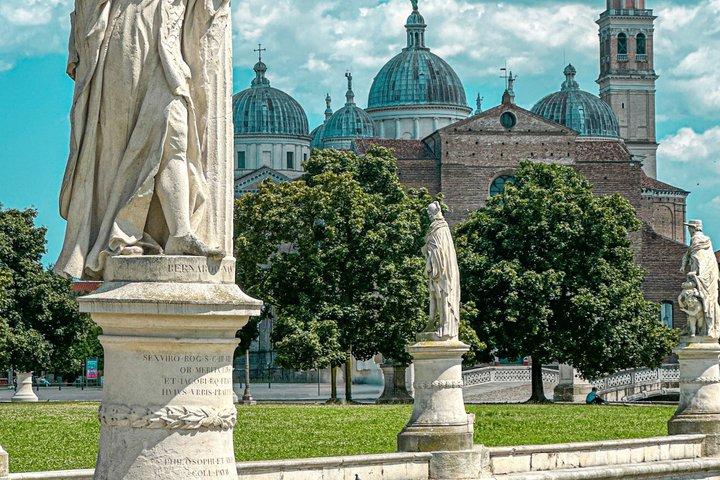
Prato della Valle is one of the largest and most impressive squares in Europe. Famous for its elliptical canal and the statues surrounding it, the square is one of Padua’s most iconic landmarks and a popular meeting place for locals and visitors alike.
Basilica di Santa Giustina10 min
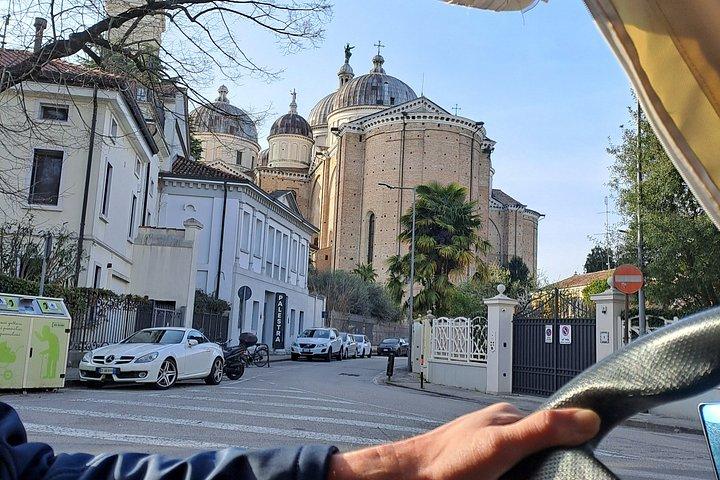
The Basilica of Saint Justina is one of the largest churches in Italy and an important religious landmark in Padua. Located at the edge of Prato della Valle, it is known for its impressive domes and for housing the relics of Saint Justina and Saint Luke the Evangelist.
Quartiere dell'Antico Ghetto EbraicoPass by
The Jewish Ghetto is one of the most historic areas of Padua, established in the 17th century when the Jewish community was required to live within its boundaries. Today its narrow streets, historic buildings, and lively atmosphere reflect centuries of cultural and social history.
Piazza delle Erbe5 min
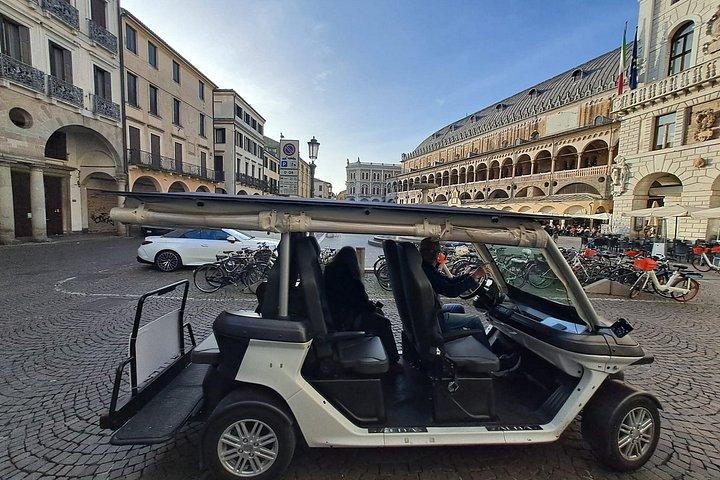
Piazza delle Erbe is one of Padua’s liveliest historic squares, traditionally home to the city’s market. Surrounded by cafés, shops, and the impressive Palazzo della Ragione, it has been the commercial heart of Padua for centuries.
Piazza dei Signori5 min
Piazza dei Signori is one of Padua’s most elegant squares and a historic center of civic life. Dominated by the famous Clock Tower, it was once the seat of political power during the Venetian period and today remains a lively meeting place in the heart of the city.