Nagoya CastlePass by
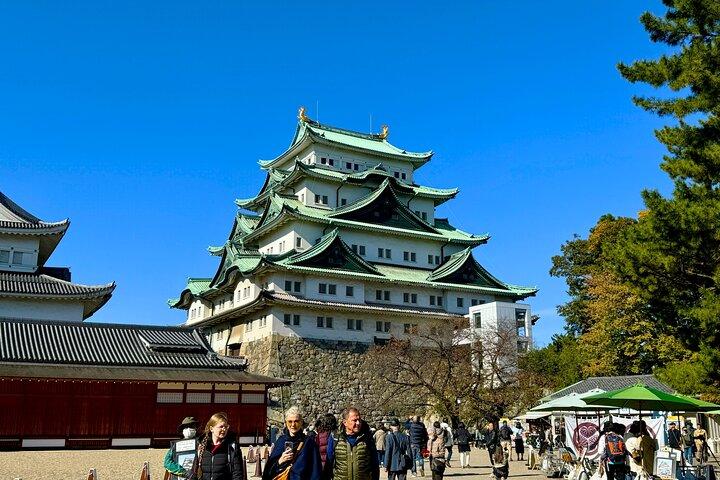
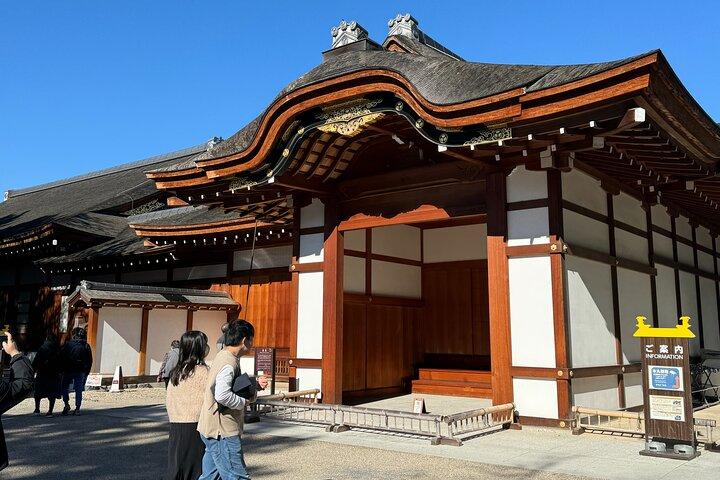
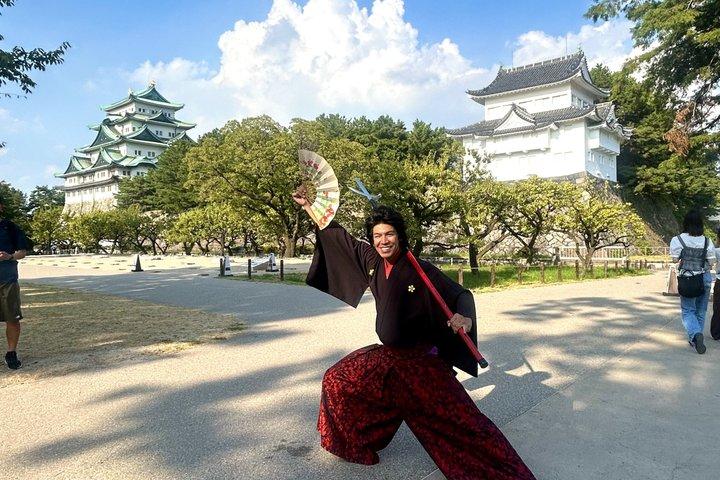
Nagoya Castle, constructed in 2 years from 1610 under Shogun Tokugawa Ieyasu, stands as a testament to Japan's feudal era. Its main keep, or tenshukaku, is renowned for its golden shachihoko (dolphin-like roof ornaments), symbolizing Nagoya's rich cultural heritage. The meticulously reconstructed Honmaru Palace showcases exquisite Shoin architecture with beautifully replicated paintings on sliding doors. Surrounding gardens offer serene landscapes, providing visitors with a glimpse into the lives of Japan's historical elite.
The Nishinomaru Okura Johokan at Nagoya Castle houses valuable collections, including centuries-old wall and screen paintings that survived wartime destruction.
Visitors can learn about the castle's history from its construction to modern times and gain insights into Nagoya's urban planning.
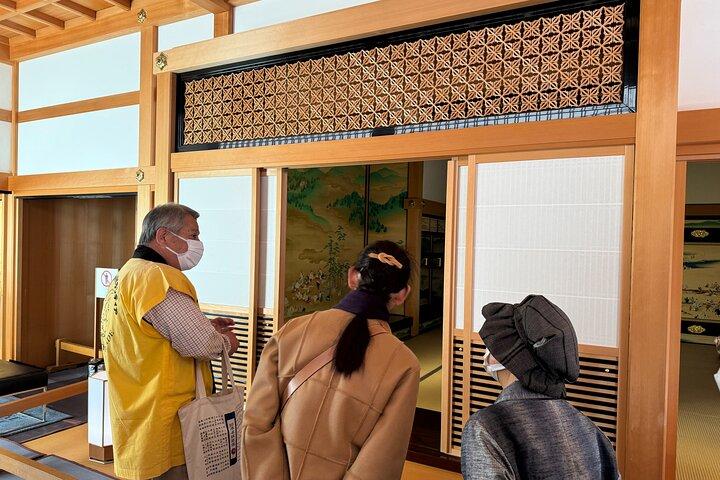
Nagoya Castle's Honmaru Palace, reconstructed in 2018, exemplifies early Edo-period samurai architecture. Each room's design and decor reflect its function and status, with ceilings, transoms, and sliding door paintings varying accordingly. The palace features a range of rooms, including the Entrance Hall, Main Hall, and various chambers, each adorned with intricate decorations. Notably, the sliding door paintings, created by Kano school artists, depict themes such as bamboo groves with leopards and tigers, and plum blossoms with quails, showcasing the artistic richness of the era.
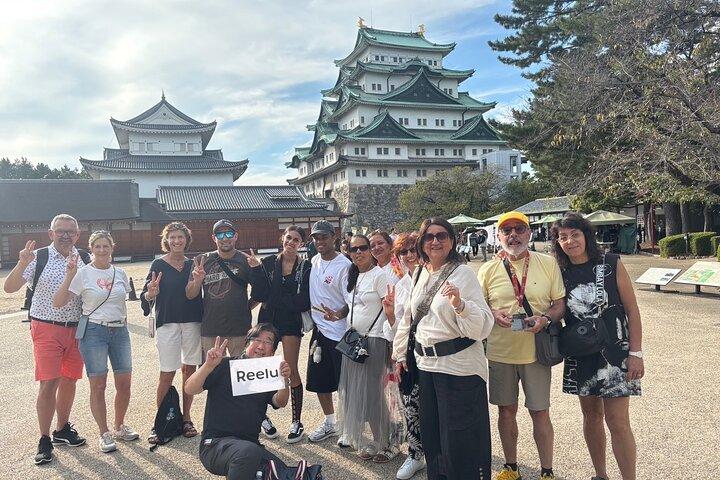
Nagoya Castle's main keep, completed in 1612, is renowned for its golden shachihoko ornaments atop the roof, symbolizing the city's rich heritage. The keep's five-story structure offers panoramic views of Nagoya. Currently, the main keep is closed due to age and earthquake resistance concerns. During the tour, you can capture memorable photos against the majestic backdrop of the castle's architecture.