Jama Masjid60 min
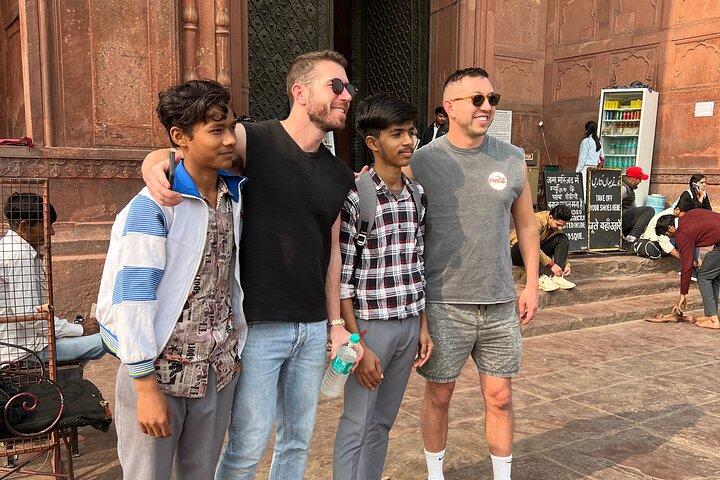
Visit Jama Masjid, the largest mosque in India, with its courtyard capable of holding 25,000 devotees. It was begun in 1650 by the Mughal Emperor Shah Jahan, and more than 5,000 workers toiled for six years to complete it.
Chandni Chowk30 min
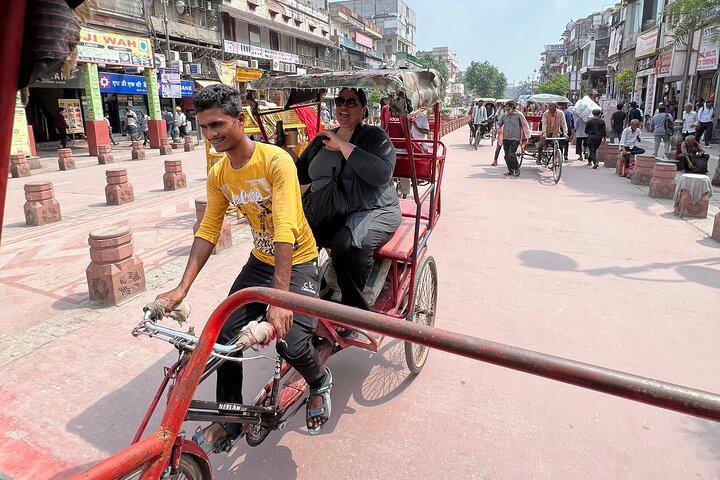
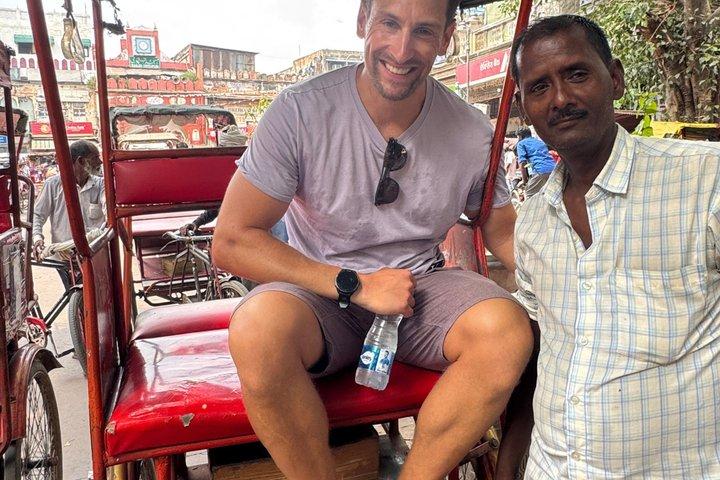
The Chandni Chowkis one of the busiest and oldest street of Delhi. Western end of Chandni Chowk, Khari Baoli considered as Asia's one of the largest Spice Market, is a street entirely dedicated to all kinds of spices, dried fruits, nuts, and herbs. Enjoy a rickshaw ride over here and explore the best of Chandni Chowk along your way.
Khari Baoli60 min
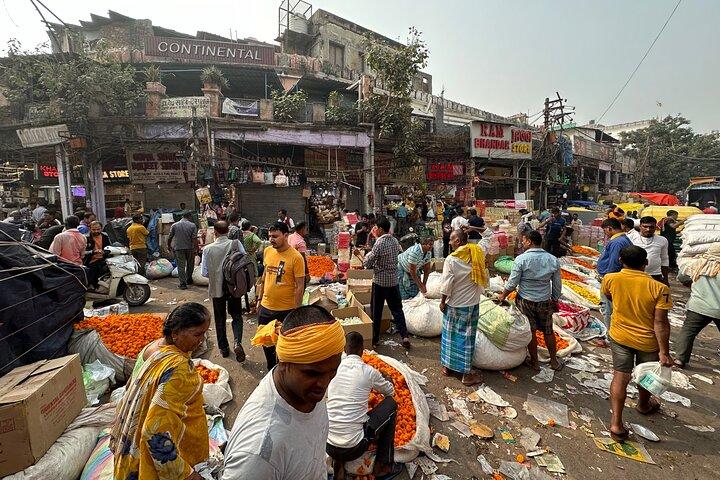
Second largest Spice Market situated in Old Delhi famous for all kind of herbs and spices. Heaven for chefs and food lovers.
Red FortPass by
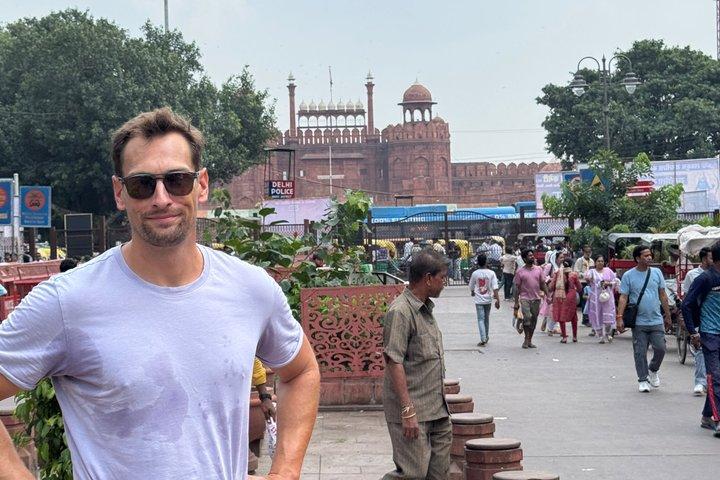
Red Fort constructed in 1648 by the 5th Mughal emperor, Shah Jahan, and the residence of the emperor for about 200 years, until 1857. The Red Fort’s innovative architectural style, including its garden design, influenced later buildings and gardens in Delhi.
Humayun's TombThe Humayun's Tomb, located in Nizamuddin East, was declared a UNESCO World Heritage Site in 1993, and was the first garden-tomb on the Indian subcontinent. Humayun's Tomb is the Mughal monument that inspired the Taj Mahal.
India GatePass by
At the center of New Delhi stands the 42 meter India Gate, an Arc-de-Triomphe-like archway in the middle of a crossroad. It was built as a memorial to the 70,000 India soldiers killed in World War I. The gate was designed by Sir Edwin Lutyens and completed in 1931.
Rashtrapati BhavanPass by
The Rashtrapati Bhavan is the official residence of the President of India located at the Western end of Rajpath in New Delhi, India.
Parliament HousePass by
The Parliament of India is the supreme legislative body of the Republic of India. It is a bicameral legislature composed of the President of India and the two houses: the Rajya Sabha and the Lok Sabha
Lotus Temple45 min
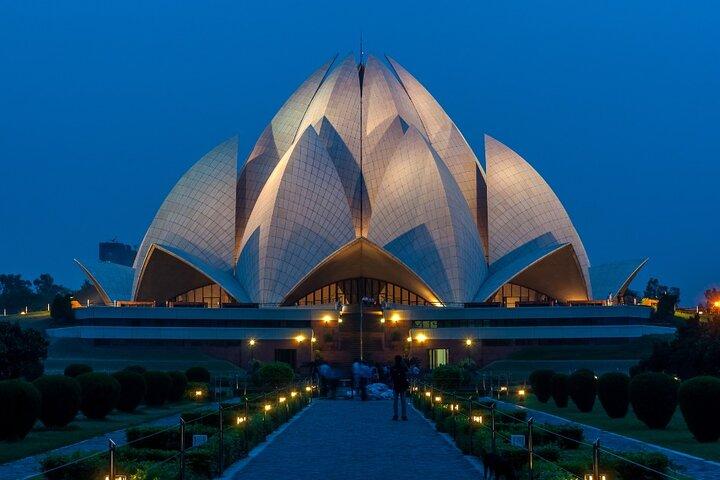
Lotus Temple (closed on Mondays), the last of seven major Bahai temples, and built in 1986 out of pure white marble. Around the blooming petals are nine pools of water which light up in natural light.
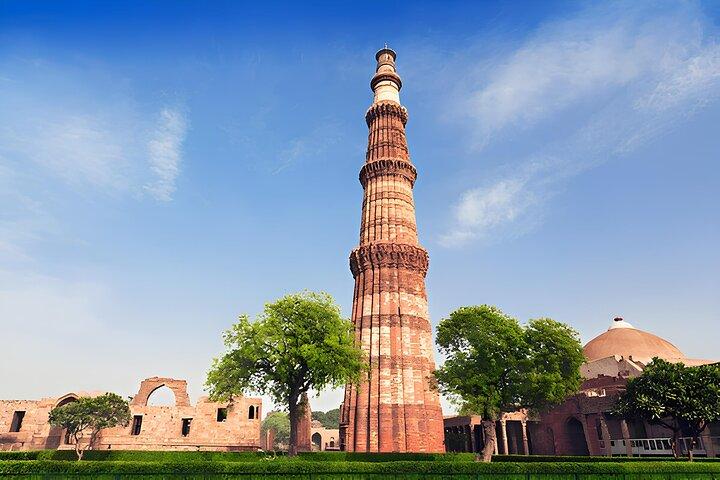
Qutub MinarVisit Qutab Minar, a soaring 73 meter tower, and the tallest brick minaret in the world. It was built in 1193 by Qutub-ud-din Aibak immediately after the defeat of Delhi’s last Hindu kingdom, and is also a UNESCO World Heritage site.