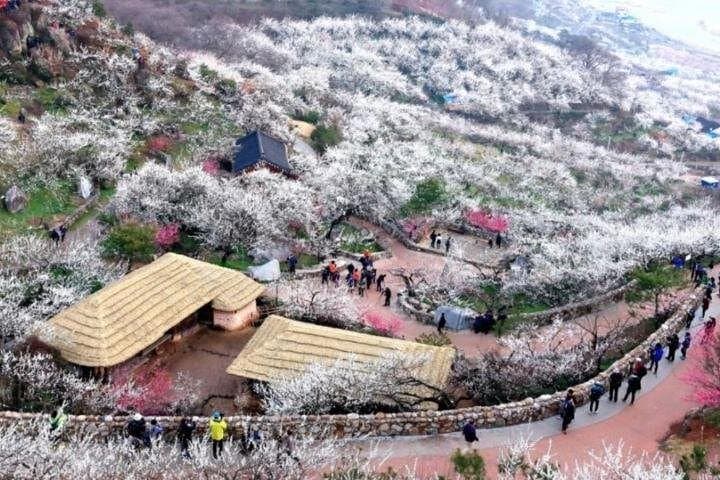
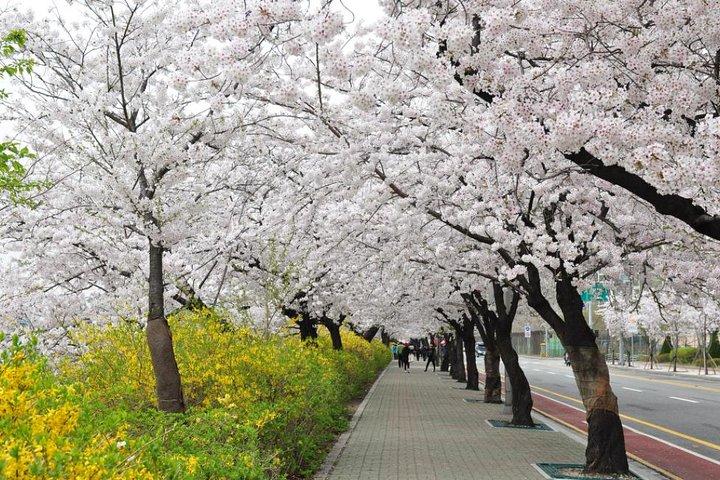
After the last cold snap of the Spring goes away and April arrives, cherry blossoms start to bloom on a 4km-long road in Hwagae which is located between two provinces, Jeolla-do and Gyeongsang-do. This famous road called ‘Shimni Beotkkot’ which means ‘4km of cherry blossoms, is also referred to as the ‘Wedding Road’ because there is an old legend saying that a couple who loves each other can live happily together for the rest of their lives when they walk this road holding hands. And many couples around the country visit Hadong to walk this romantic road. The cherry blossoms that bloom like white snowflakes also decorate a 25km-long road referred to as ‘Hwagaedongcheon’ which means ‘flower-blooming place that is touching the sky’ and holds various colorful cultural events. -Recommend itinerary- Hadong seomjin river cherry blossom road- Hwagae market- Ssanggyesa temple- Dosim dawon Green tea field- Hong-Ssangri Plum( apricot ) farm- Gwangyang beef BBQ town
Prices change with the date; the lowest is shown.
Prices are per person when two book together; a solo traveller pays $676.
Larger groups pay less per person.
From the operator’s live schedule on Viator, checked Nov 19.
I will pick up your location around 09.00 and then we driving down from busan to Hadong Cherry blossom seomjin river festival road arrive 10.30 and enjoy blooming forest street.
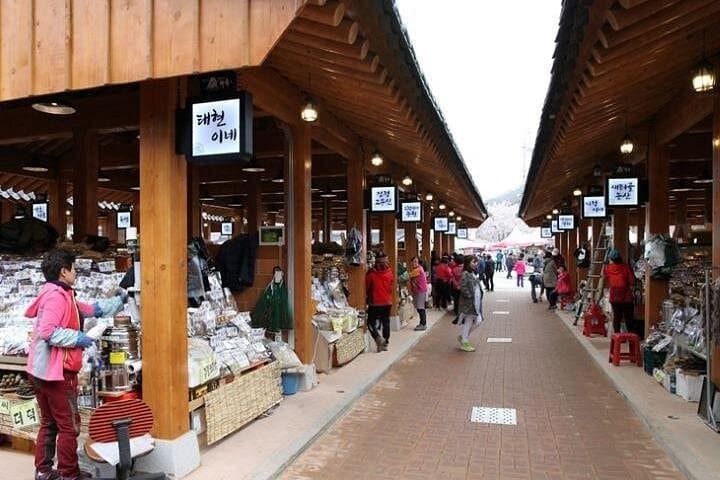
Hwagae Market is one of the five biggest traditional market, which once flooded with people. It also appears as the background setting in Kim Dong-ri's novel, Yeokma (which means stagecoach in English). The market is one of the most visited attractions along with Ssanggyesa Temple and Jirisan Mountain due to it's location near a cherry blossom path. A market that offers a variety of local products and delicacies, you could count the number of markets of this scale in Korea on one hand.
Ssanggyesa Temple was founded on the southern foothills of Jirisan Mountain in 722 during the reign of Silla King Seongdeok. The temple is famous for the 6-kilometer stretch of cherry blossom trees that bloom each spring. The temple was originally called Okcheonsa Temple but was changed to the current Ssanggyesa Temple in 887. The current temple buildings were all built-in 1632, after having been burned down during the Imjin War (1592-1598). The temple grounds and nearby area feature many historic and beautiful attractions, including Burilpokpo Falls and a large tea plantation.
The Hadong Tea Museum is located at the foot of Jirisan Mountain in Hadong, Gyeongsangnam-do. It aims to promote the tea culture of the area, the first tea producer in the nation while advertising the quality and superiority of Hadong green tea. The center is located adjacent to the tea farming area and Ssanggyesa Temple, one of Korea's most famous tourist attractions. The museum features an exhibition hall explaining the history and culture associated with Korean tea, an experience
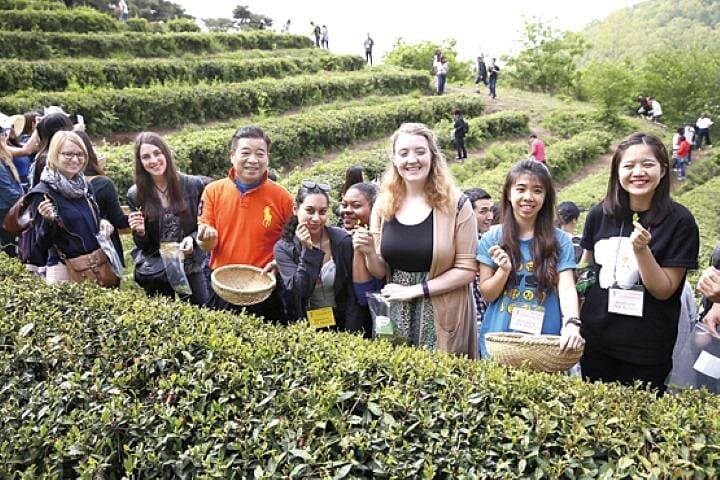
도심 다원 ("Dosim dawon Green tea fields") Hwagae-myeon located in Hadong county is known as the first Korean region to plant tea trees and is recognized for hand-made tea production. It is surrounded by Jiri Mountain at an altitude of 1,2 km. In Dosim Dawon at Hwagae-myeon, there is an ancient tea tree called Korea´s Oldest Tea Tree or Thousand-Year Tree, and there I also the original tea field in Ssanggye Temple, a Buddhist temple of 1000 years history. It represents the history of not only Korean tea as such but as the first region in Korea which grew tea plants. The tea field is mainly placed along the banks of Seomjin River on the slopes of the southern edge of Jiri Mountain. Tea trees grow between rocks and create beautiful picturesque landscape pictures.
Hotel, KTX, train station, and Airport I will pick you up at the exit gate with a name placard or via WhatsApp 1. Gimhae International / Domestic Airport, in front of the exit gate 2. KTX Busan train station terminal, in front of Exit 1 gate (1st floor)
Reviews collected by Viator and Tripadvisor
For a full refund, cancel at least 24 hours before the scheduled departure time.
Full-day PRIVATE Mt. Jirisan Cherry blossom, Green Tea Fields lasts about 9–10 hours. The itinerary has 8 stops.
Prices start at $348 per person for this Busan experience, booked through Viator with the price shown before checkout. That is the per-person price when two book together; a solo traveller pays $676. There are 2 booking options, so the final price depends on the option you choose.
According to the operator’s current schedule, it runs every day.
Children aged 0–6 pay nothing, adults from $348.
Yes. Cancel at least 1 day before the start for a full refund. Later cancellations are non-refundable.
Yes, pickup is offered. Hotel, KTX, train station, and Airport I will pick you up at the exit gate with a name placard or via WhatsApp 1. Gimhae International / Domestic Airport, in front of the exit gate 2. KTX Busan train station terminal, in front of Exit 1 gate (1st floor) Pickup points include Busan Daeyeon-Dong Kkum.
The experience is available in ZH-TW, RU, JA, EN.
Reviews collected by Viator and Tripadvisor
| Tour | Duration | Rating | Price | |
|---|---|---|---|---|
 Full-day PRIVATE Mt. Jirisan Cherry blossom, Green Tea Fields | 9–10 hours | 5.0 (2) | $348 | |
 5 Day Private from Busan to Seoul,Gyeongju,Tongyeong, Boseong Green Tea Field | 5 days | 5.0 (1) | $2,865 | View |
 Spring 3 days Seoul & Mt Seorak Cherry blossom with Nami Island on 7 to 14 Apr | 3 days | 5.0 (3) | $1,231 | View |
 Full-Day PRIVATE Jinhae Cherry Blossom city. | 8–9 hours | 5.0 (3) | $326 | View |
 From Seoul: Mt. Seorak & Cherry Blossom & Foodie Tour | 12 hours | — | $53 | View |
 Private Day Trip From Busan to Nearby Cherry Blossom Hotspots | 9 hours | — | $400 | View |
 Sky Capsule: Busan Small Group Tour & Hotel Pickup | 8–9 hours | 4.9 (1,827) | $79 | View |
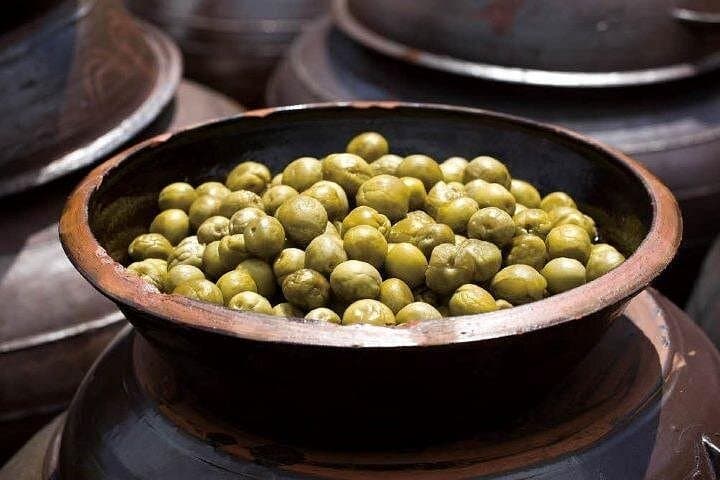
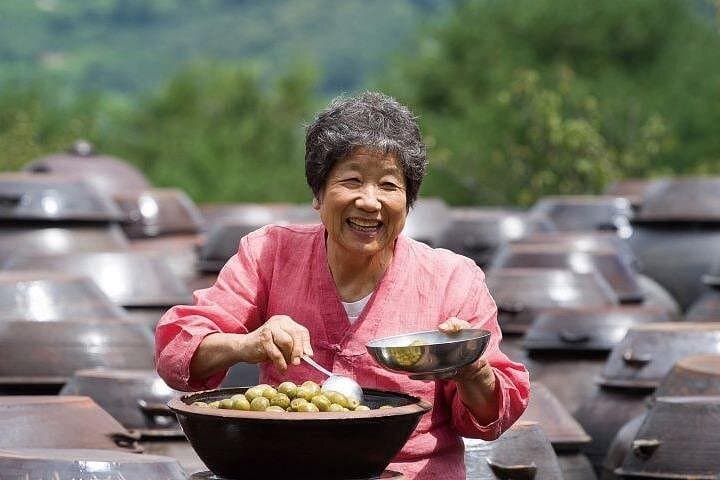
In 1965, Hong Ssang Ri (shown below) began to cultivate 2000 plum trees in the countryside of Gyeongnam Province. Maesil-Cheong is the Korean word for plum extract syrup. It can be used for cooking and direct consumption. Hong Ssang Ri's Maesil-Cheong is made with 100% Korean-grown plums. The fresh plums are harvested and covered with an oligosaccharide. It's then aged in traditional onggi jars for six months. The result is a delightfully tart and sweet extract. Many home cooks use Maesil-Cheong as a substitute for sugar in Korean cooking. That's because it's sweet like sugar but much healthier - packed with vitamins, antioxidants, and aids in digestion. Some people drop a few spoonfuls in water and drink it as iced plum tea.
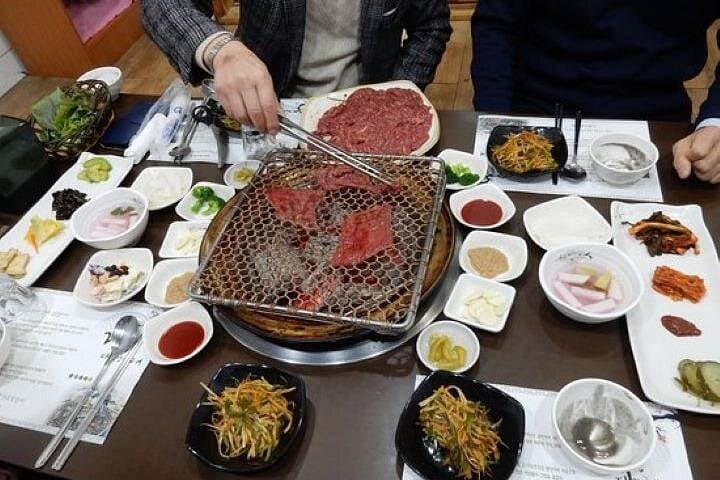
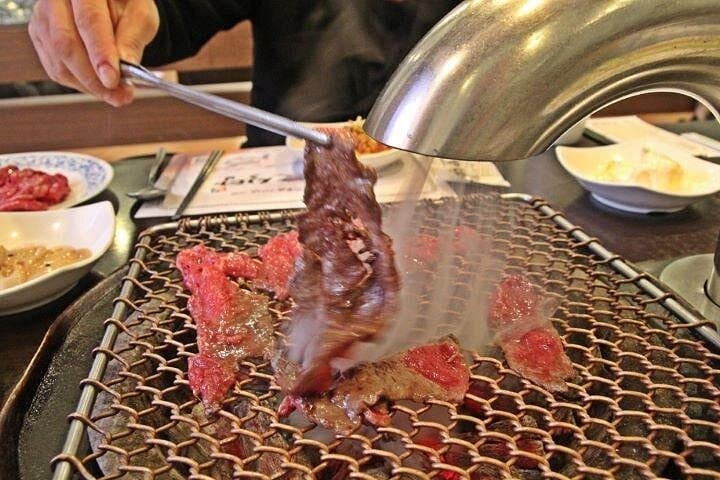
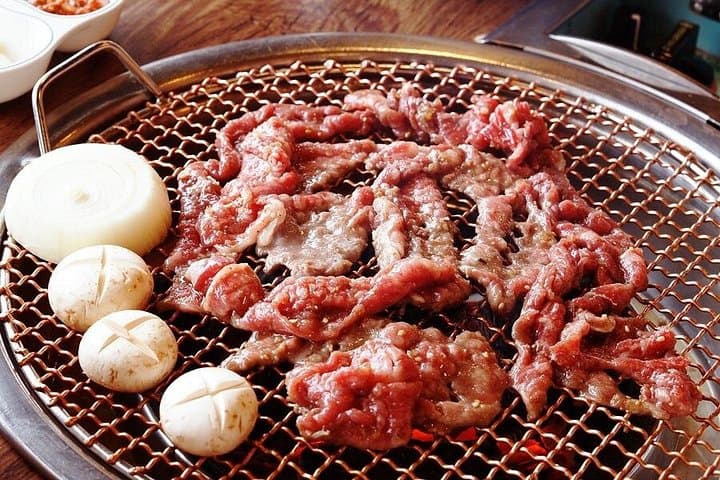
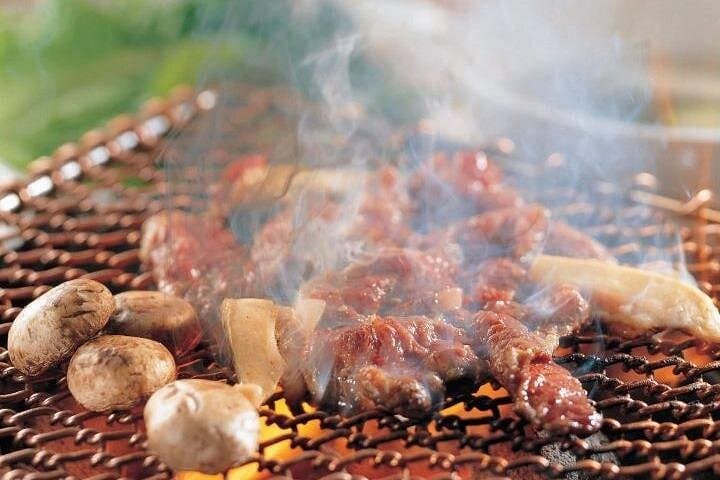
광양 불고기 특화거리 ("Gwangyang famous Korea traditional beef BBQ,Bulgogi alley") Bulgogi is considered as the most famous Korean food that is beloved by foreigners. There are many kinds of Korean signature barbeque foods, but bulgogi has been never knocked off the top. Soft beef mixed with sweet sauce won’t let you stop eating, and then you would fall in love with Korean food. Gwangyang bulgogi has a unique taste based on a special seasoning that is buried in tradition. The side dishes, not only the bulgogi, are very delicious.
After dinner and we will driving from Gwngyang city to Busan around 1 hour 40 min and then drop off same as start point.
It is a private experience: only your party takes part. Your own group can be up to 30 people on one booking; no other travellers join.
Transportation options are wheelchair accessible Wheelchair accessible
Yes, bookings are confirmed instantly.
Travellers rate it 5.0 out of 5 across 2 reviews on Viator and Tripadvisor; it is run by Frank Yi.