Hakatamachiya FurusatokanThe Hakata Machiya Folk Museum is built in the traditional Japanese "machiya" townhouse style and offers a fascinating insight into the history and culture of Hakata. The museum showcases Hakata’s unique dialect, traditional crafts that have been passed down through generations, and exhibits about the city’s festivals, which were supported by local merchants and residents. It’s a valuable place to understand the cultural legacy of the merchants and the prosperous times of old Hakata.
Kushida Shrine25 min
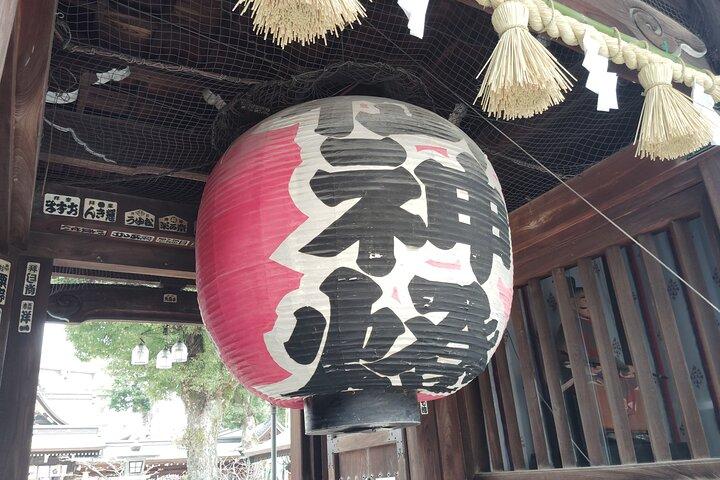
Kushida Shrine is dedicated to the protection of Hakata and is the central location for Hakata's most famous festival, the Hakata Gion Yamakasa. The shrine grounds are home to the impressive Yamakasa floats, which are a must-see for visitors. This shrine has deep historical ties to the merchant class, who supported the shrine and its festivals as part of the community's spiritual and cultural life.
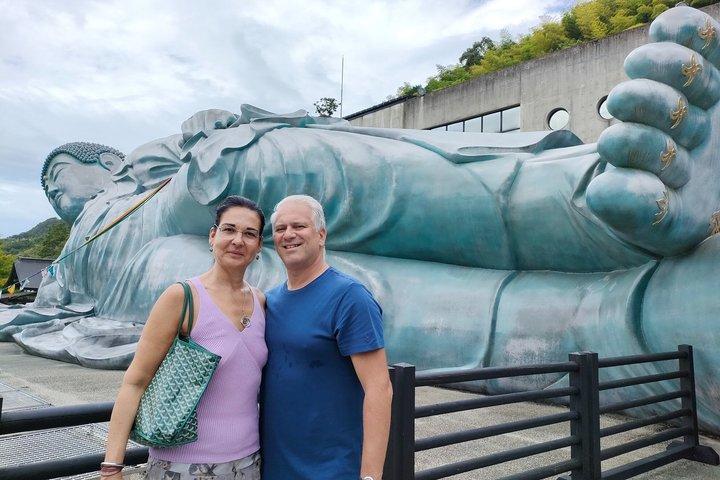
Tochoji TempleTochoji Temple is a historic Zen temple in the heart of Hakata, known for housing the Fukuoka Daibutsu, the largest wooden statue of Buddha in Japan. This magnificent statue is a major highlight for visitors and symbolizes the spiritual center of Hakata. Tochoji Temple has been a place of worship and reflection for the people of Hakata for centuries, offering a peaceful escape and a glimpse into the city's religious history.
Shofuku-ji Temple15 min
Shofukuji Temple is another important historical temple in Hakata, known for its Zen Buddhist heritage. This temple has strong ties to the local merchant class, who supported its establishment and maintained its significance throughout Hakata’s history. Visitors can experience the temple’s tranquil atmosphere, beautiful gardens, and traditional architecture, all of which reflect the spiritual and cultural essence of Hakata’s past.