Mt. Fuji 5th Station60 min
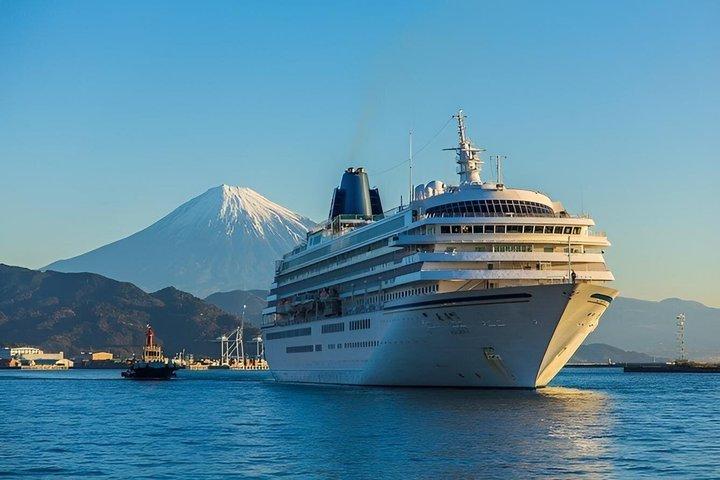
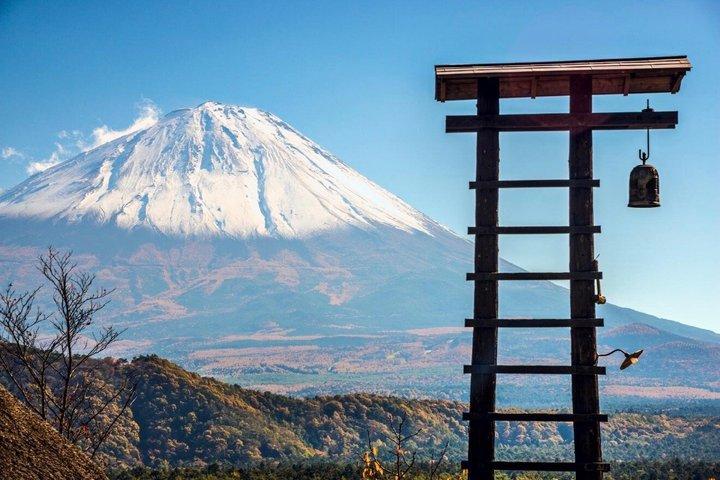
The 5th Station (at 2,305m / 7,562 ft) marks where Mount Fuji's dense forests end and the rocky volcanic terrain begins. Historically, the 10-station system measured pilgrims' physical effort and supplies of rice rather than physical distance. Today, it serves as the modern gateway for tourists and summit climbers.
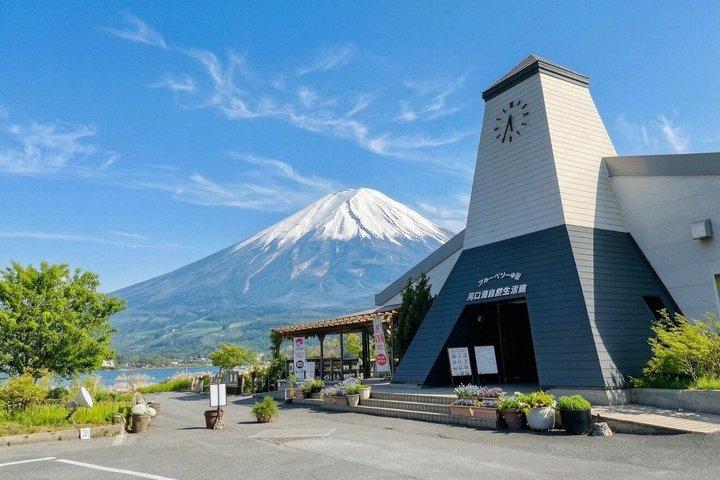
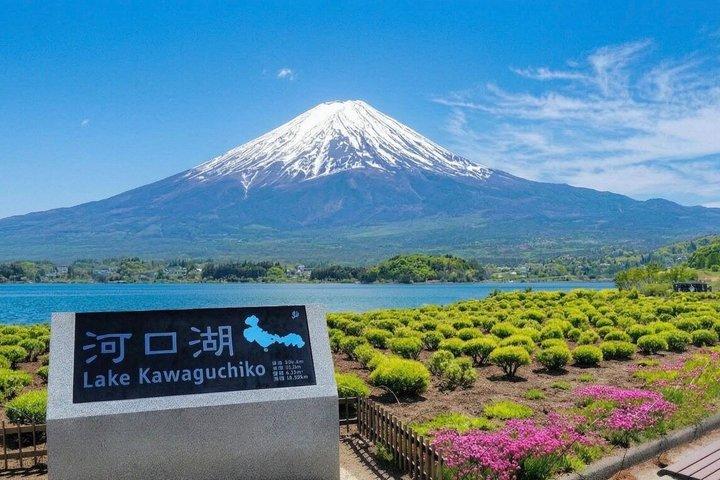
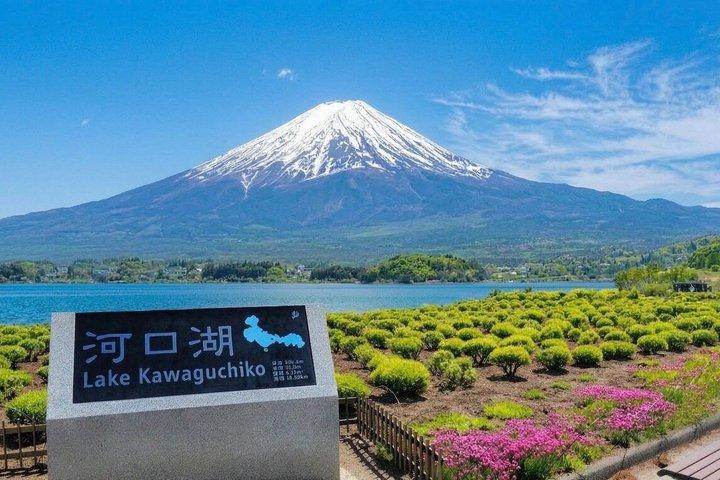
Lake Kawaguchiko60 min
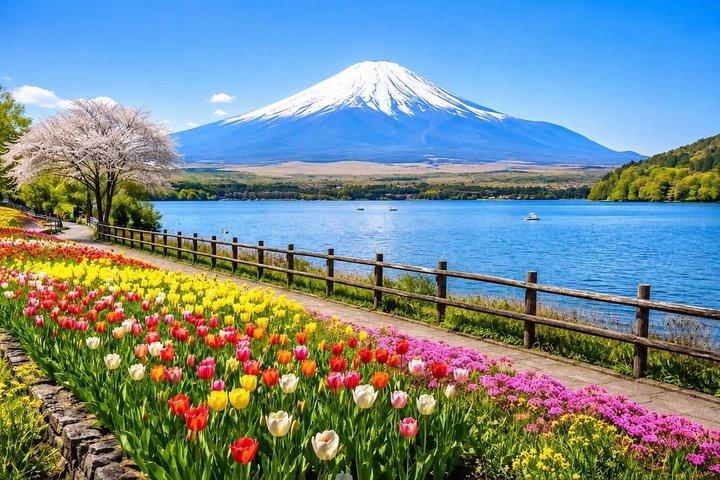
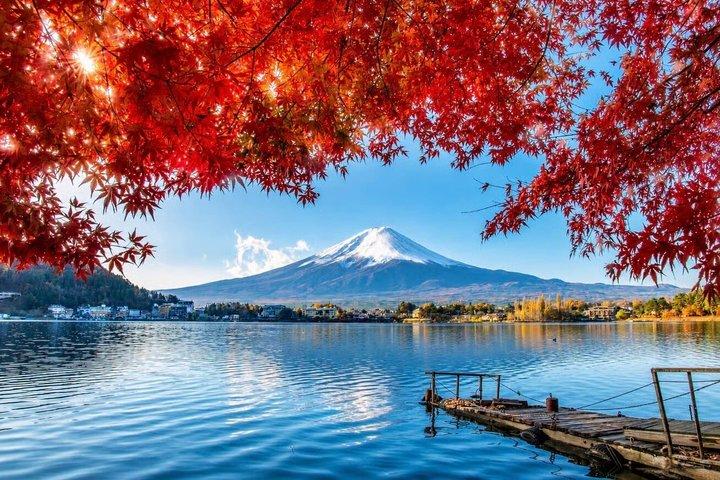
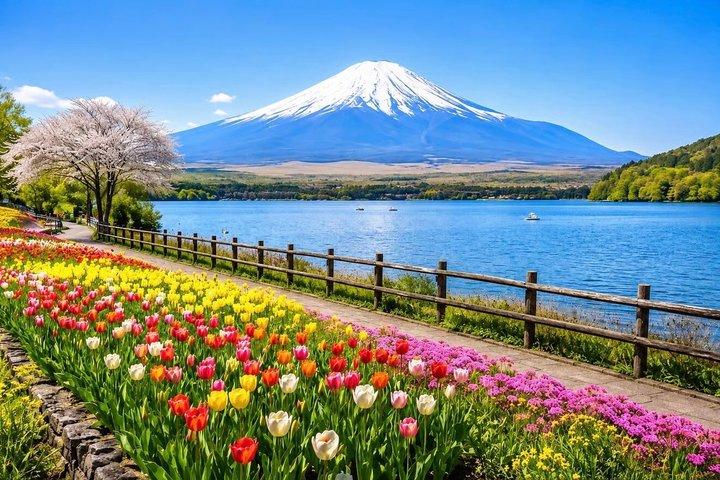
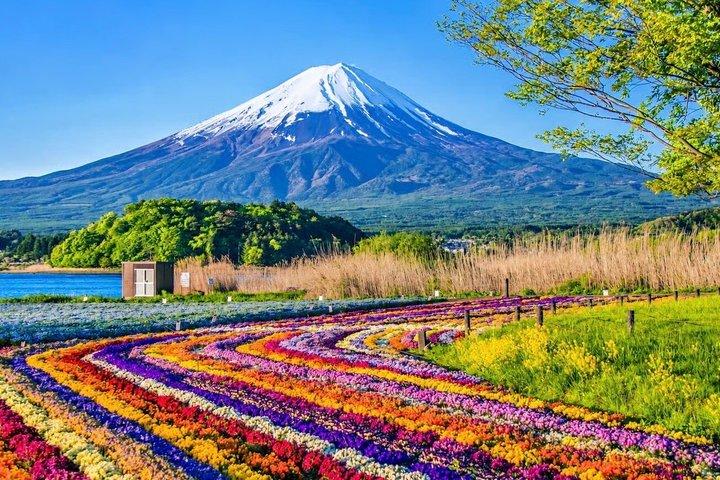
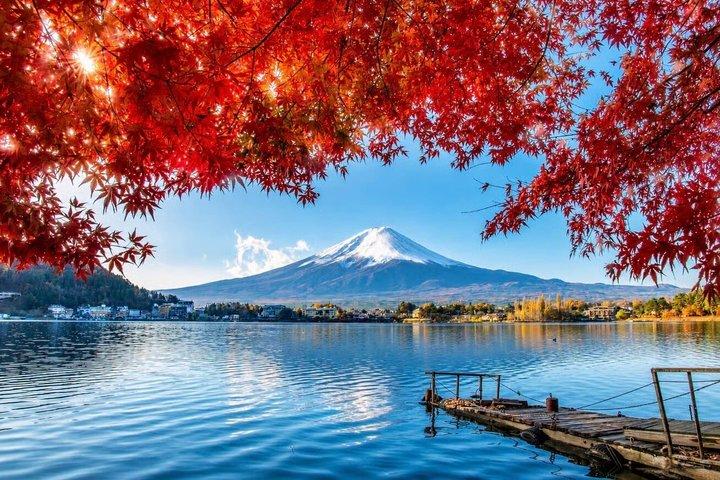
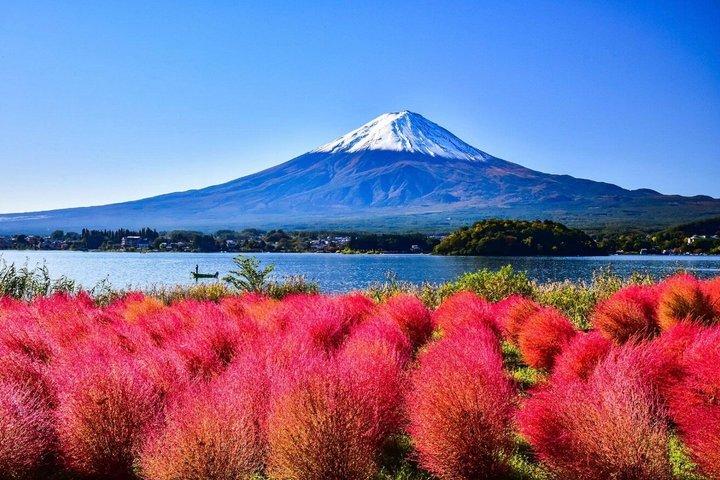
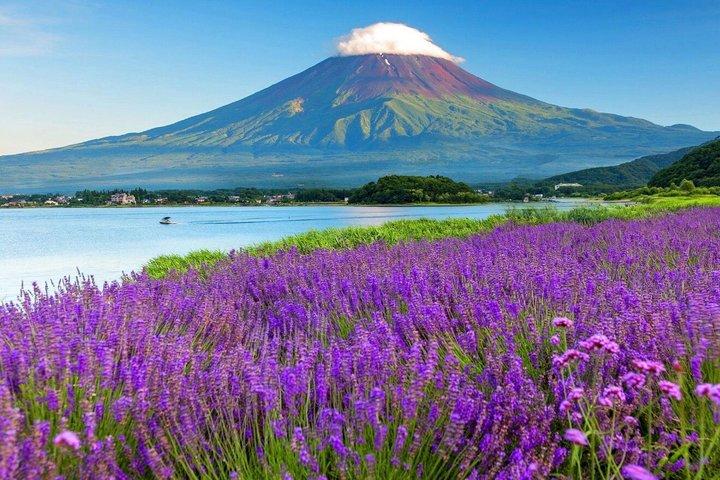
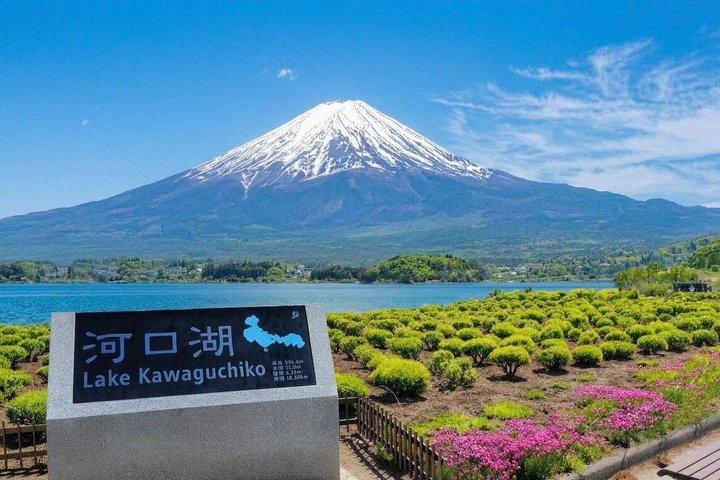
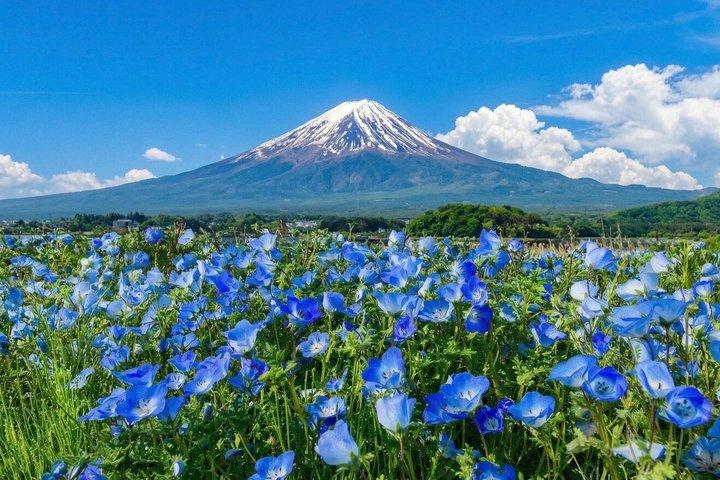
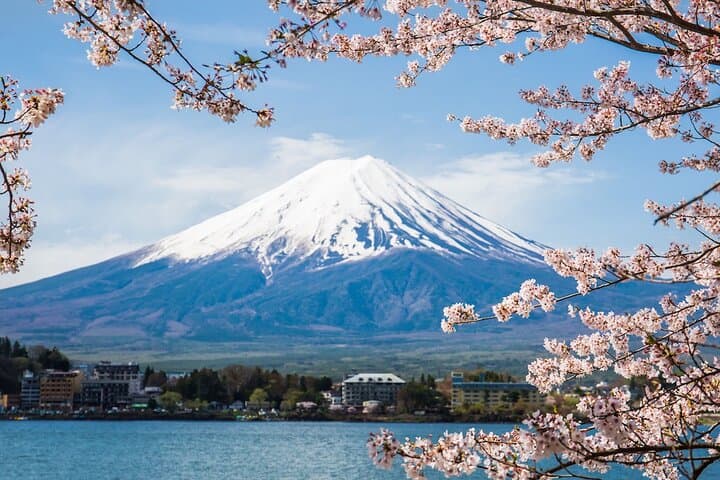
Lake Kawaguchiko is a scenic resort lake in Yamanashi Prefecture, Japan, famous for its stunning views and reflections of Mount Fuji.
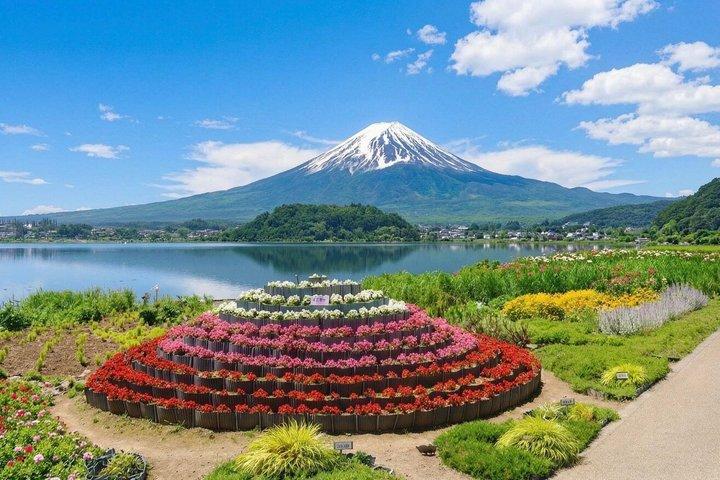
Oishi Park60 min
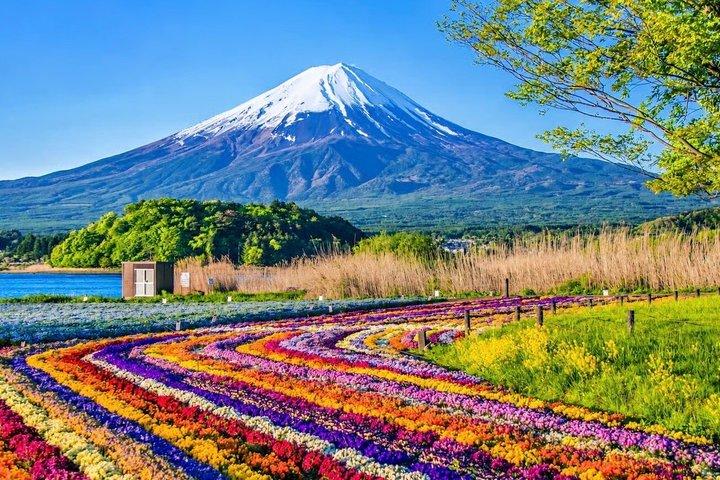
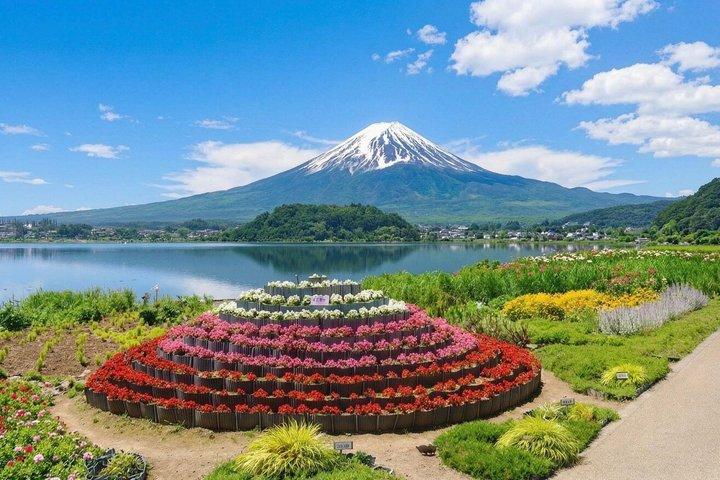
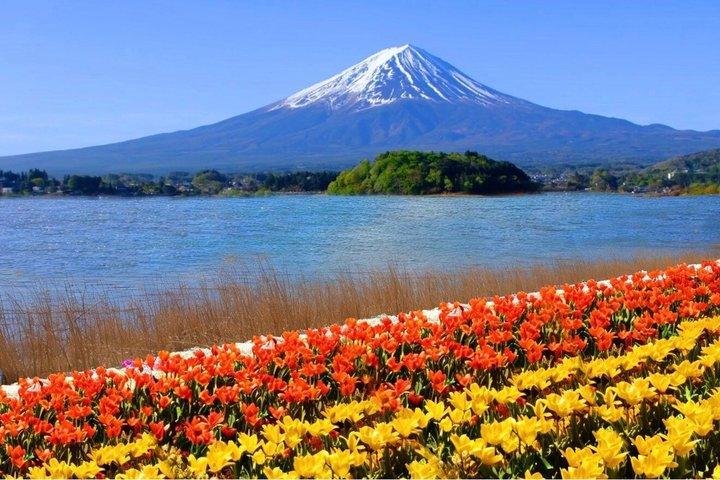
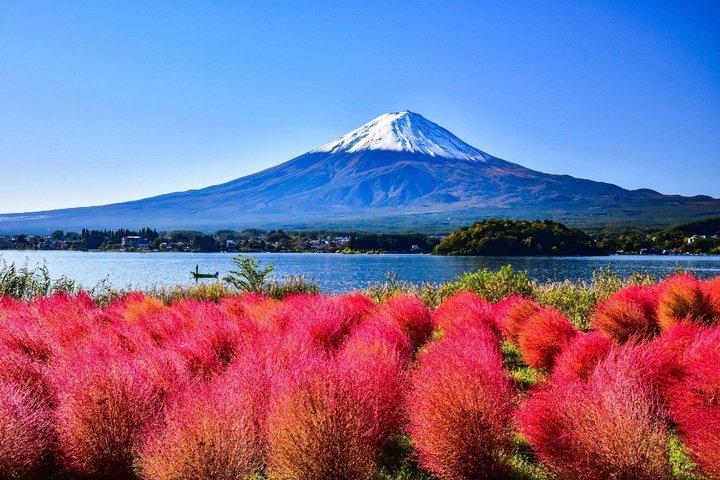
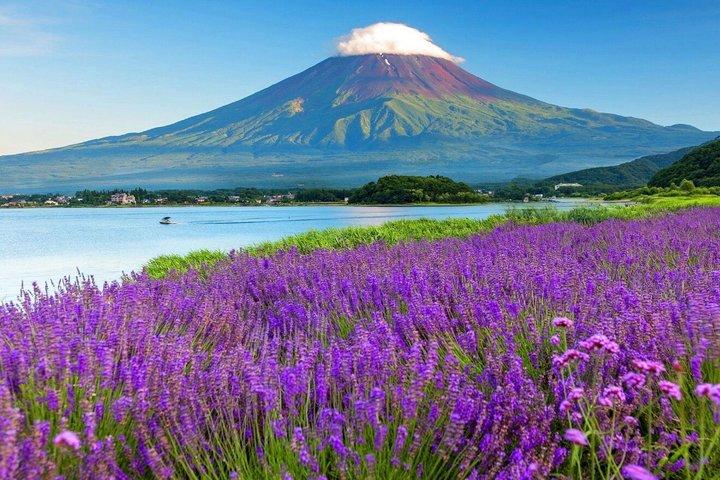
Oishi Park is a popular public lakeside park on the northern shore of Lake Kawaguchiko in Yamanashi Prefecture, famous for its unobstructed panoramic views of Mount Fuji across the water.
Chureito Pagoda60 min
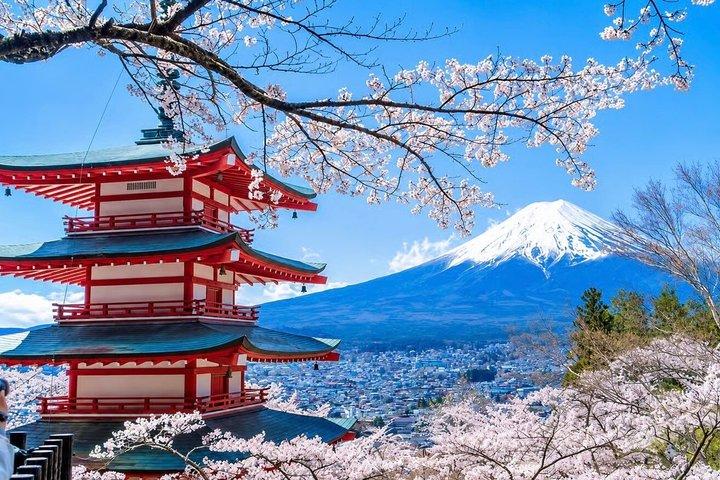
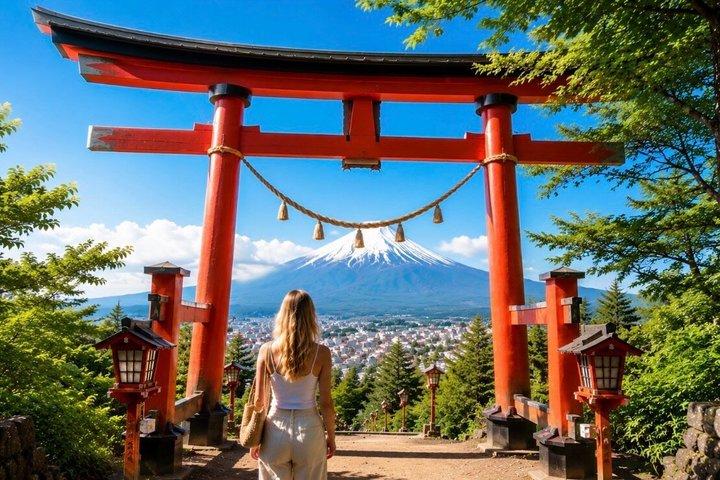
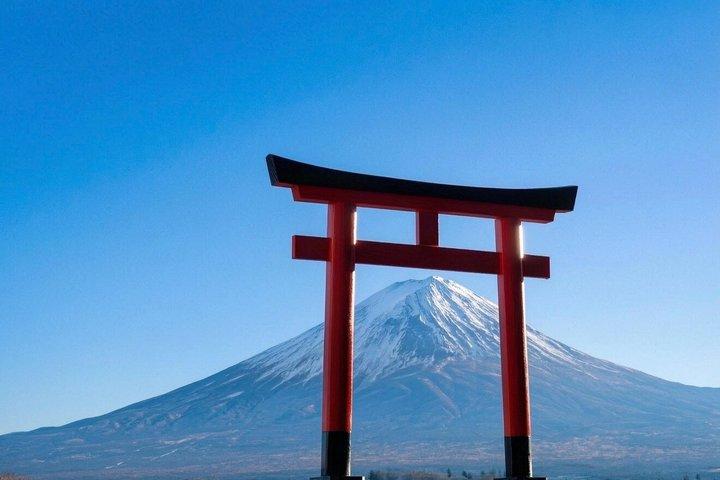
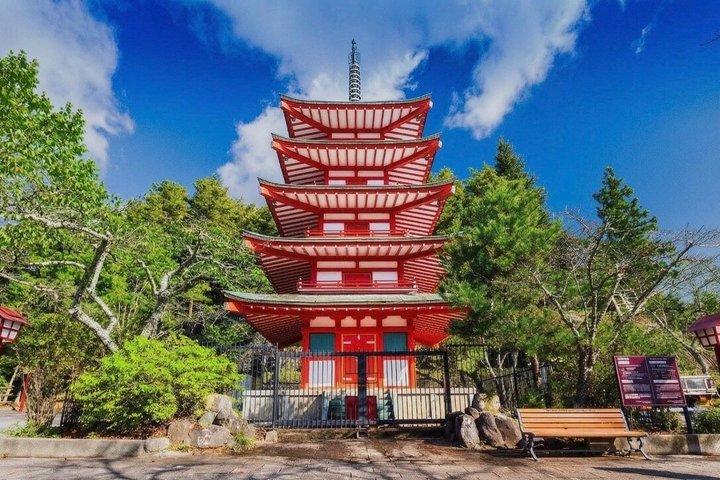
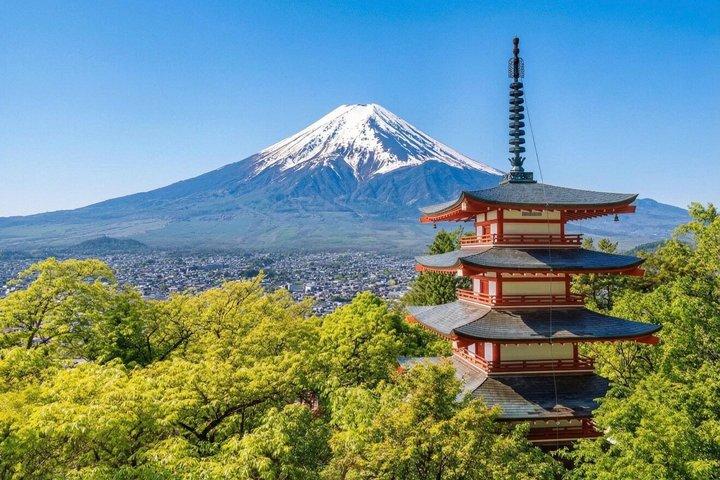
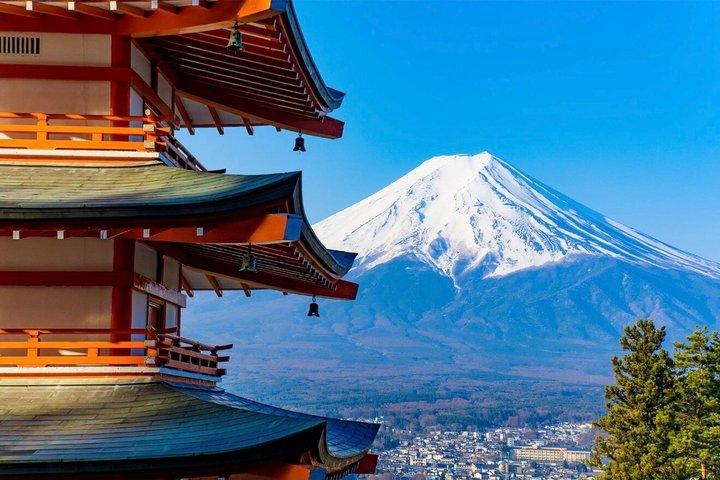
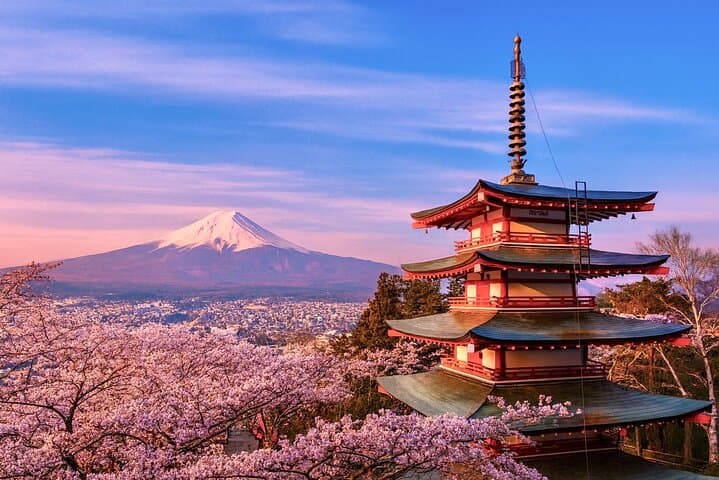
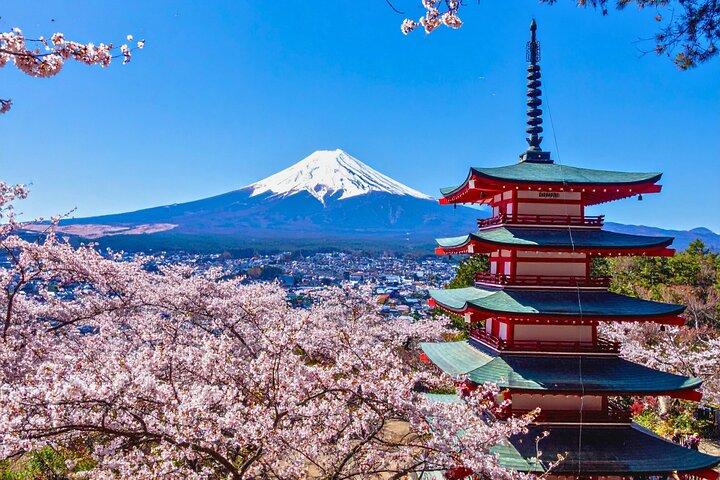
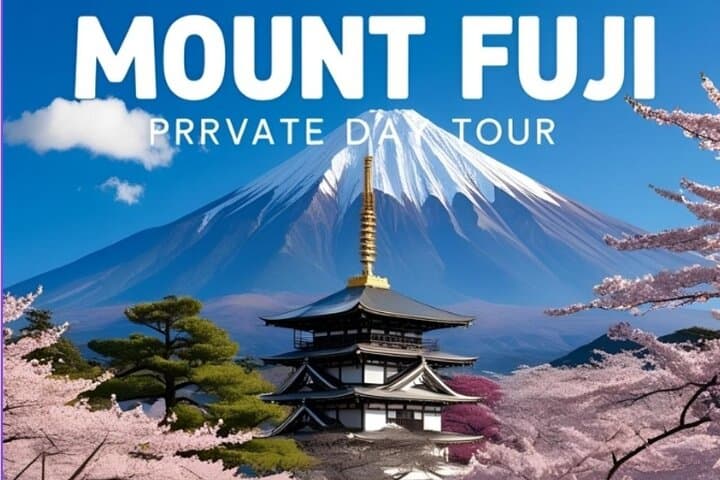
The Chureito Pagoda (t#t, Chúreito) is a five storied pagoda on the mountainside overlooking Fujiyoshida City and Mount Fuji off in the distance.
The pagoda is part of the Arakura Sengen Shrine and was built as a peace memorial in 1963 nearly 400 steps up the mountain from the shrine's main buildings.
The location offers spectacular views of Mount Fuji in combination with the pagoda, especially during the cherry blossom season in mid April when there are hundreds of trees in bloom and during the autumn color season which usually takes place in the first half of November. The spot is particularly popular among photographers as it allows for some wonderfully stereotypical shots of Japan.
Arakurayama Sengen Park60 min
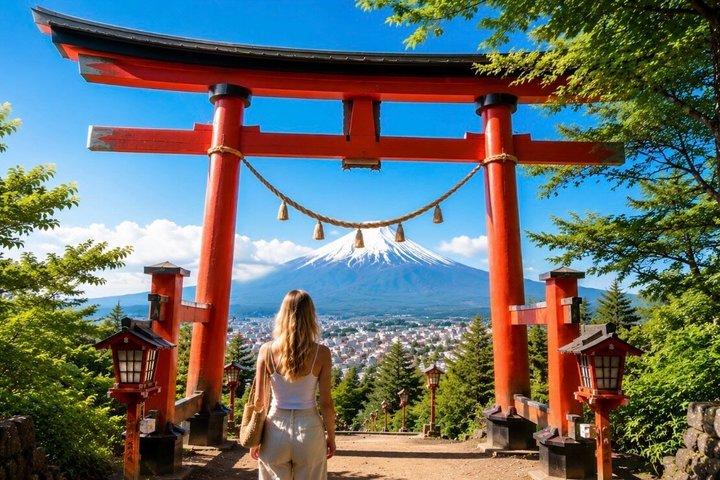
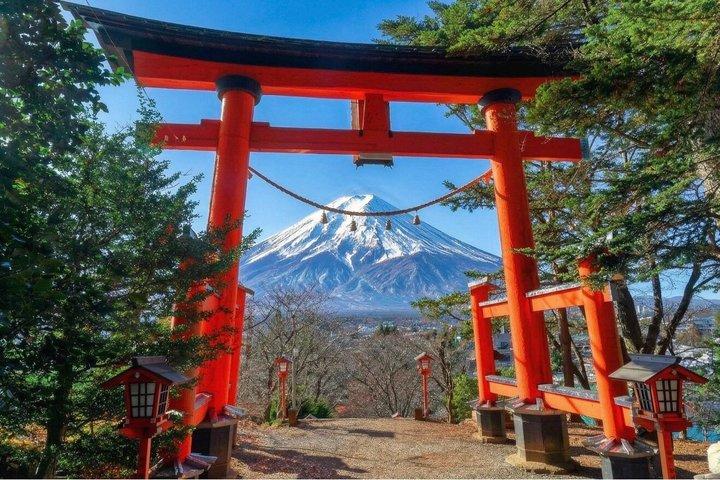
It is popular as a famous scenic spot where you can see Mount Fuji, a red five-story pagoda, and cherry blossom trees at a glance. 21[31141 Sangoku Daiichisan
Arakura Fuji Sengen Shrine (a:三國第一山新倉富士浅間
7#7I) is enshrined, and Mount Arakura is a sacred area. There are about 650 cherry blossoms (Prunus x yedoensis) 5) and a memorial tower for the war dead in the park.
Oshino Hakkai60 min
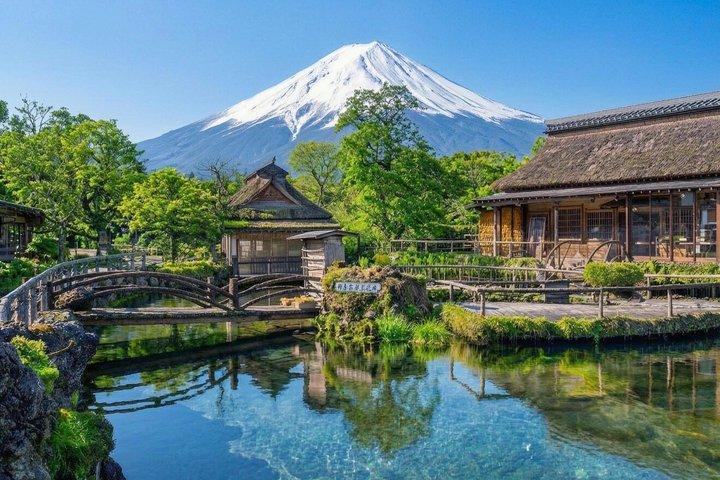
A beautiful collection of eight ponds are scattered around Oshino Hakkai, each with its very own story to tell
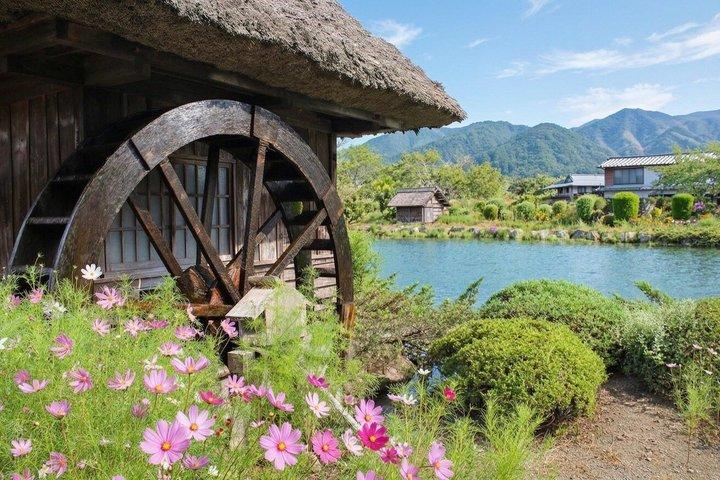
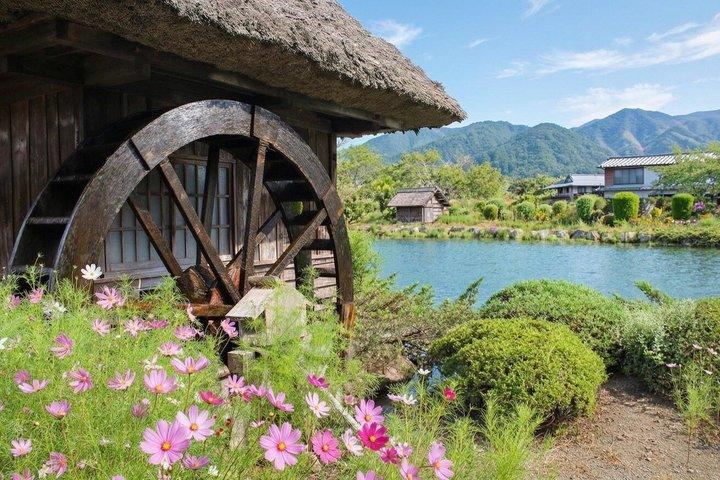
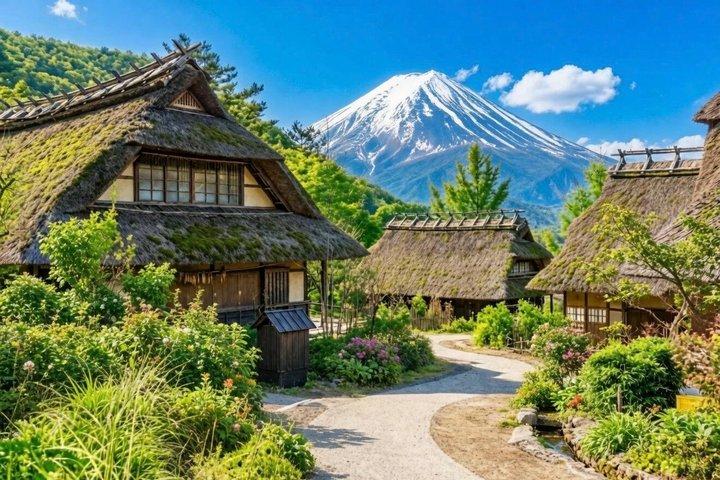
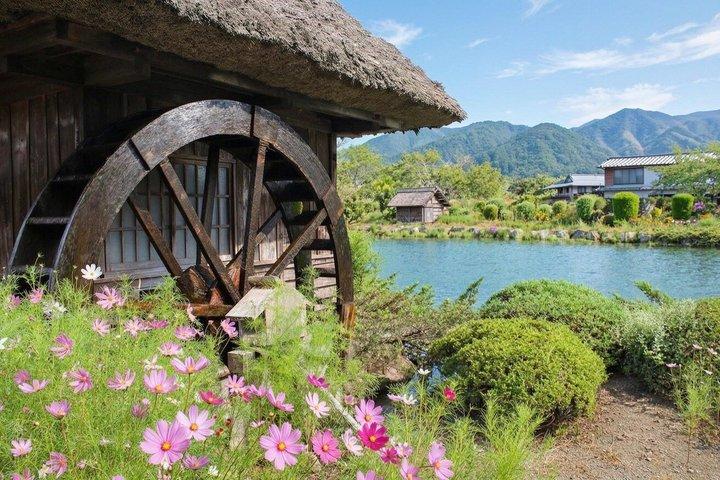
Hakkai, or "Eight Seas," refers to the eight pools of water that are the main attraction at Oshino Hakkai. Bridges and pathways lead you around and over these tranquil ponds. The traditional thatched roof buildings, slowly spinning water wheels, and amazing view of Mt. Fuji D all transport you to another era.
Lake Yamanaka60 min
Lake Yamanakako (L#›}) is the largest of the Fuji Five Lakes and the second most developed lake behind Lake Kawaguchiko with small towns at its western and eastern ends and a few hotels, minshuku, camping grounds and restaurants in between.
There are good views of Mount Fuji from around the lake, especially from along its less developed northern shore. A popular spot to get views of both the mountain and the lake is Panorama Dai, an observation point next to a small parking lot halfway up the mountains southeast of the lake. Panorama Dai is not served by buses and can be reached in about 30 minutes on foot from the "Mikuniyama Hiking Course Iriguchi" bus stop.
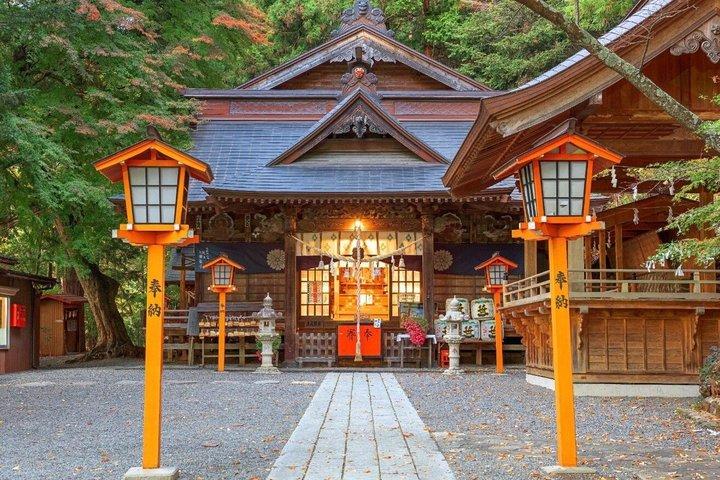
Kitaguchi Hongu Fuji Sengen Jinja Shrine60 min
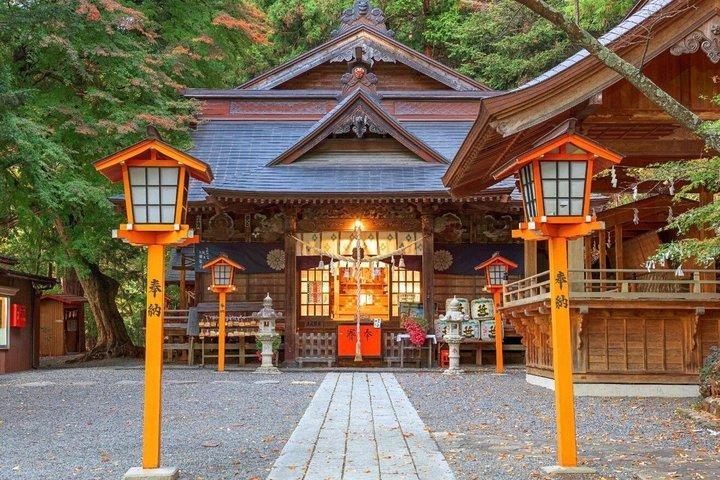
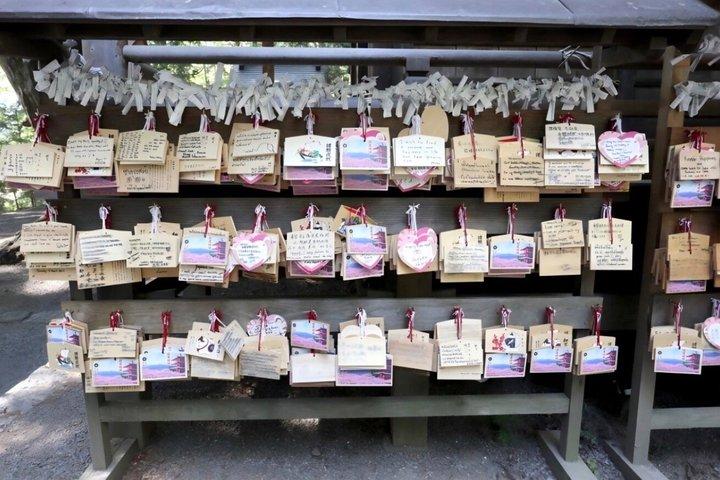
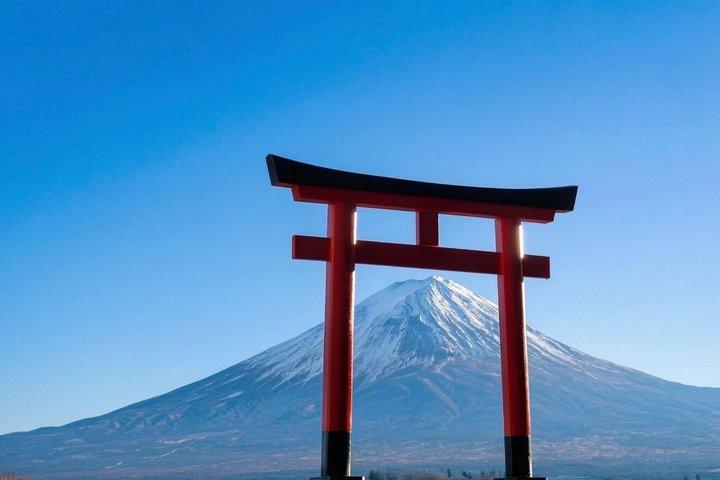
There are more than a thousand Fuji Sengen shrines across Japan, dedicated to Princess Konohanasakuya, the Shinto deity associated with Mount Fuji. Fujiyoshida Sengen Shrine, formally known as Kitaguchi Hongù Fuji Sengen Jinja (760 7
宮富士浅間神社, "North Entrance Fuji Sengen
Shrine"'), is the main shrine on the north side of the mountain. The head shrine of them all is the Fujisan Hongu Sengen Taisha on the opposite side of the mountain in Fujinomiya.
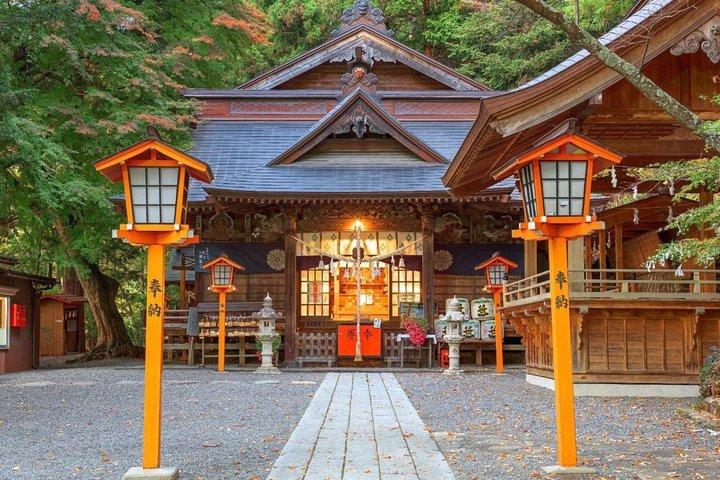
Fujiyoshida Sengen Shrine stands in a dense forest and is set off from the road by a long approach lined by stone lanterns and shaded by tall cedar trees.
The shrine's red painted buildings include a main hall dating from 1615, a dancing stage and a few auxiliary buildings.
Saiko Iyashi no Sato Nemba60 min
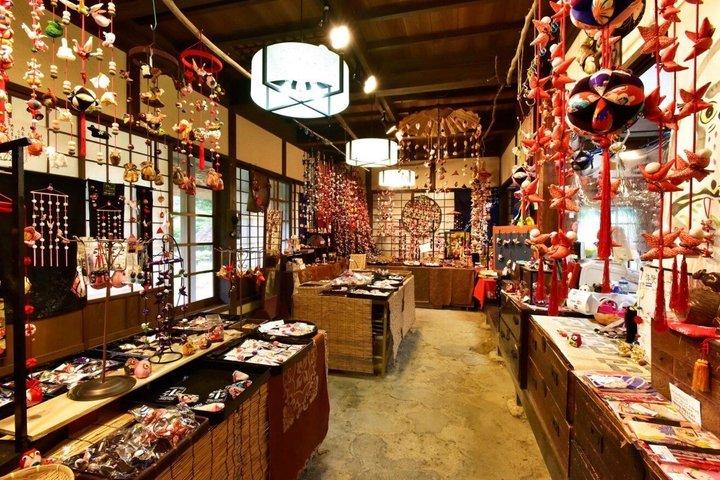
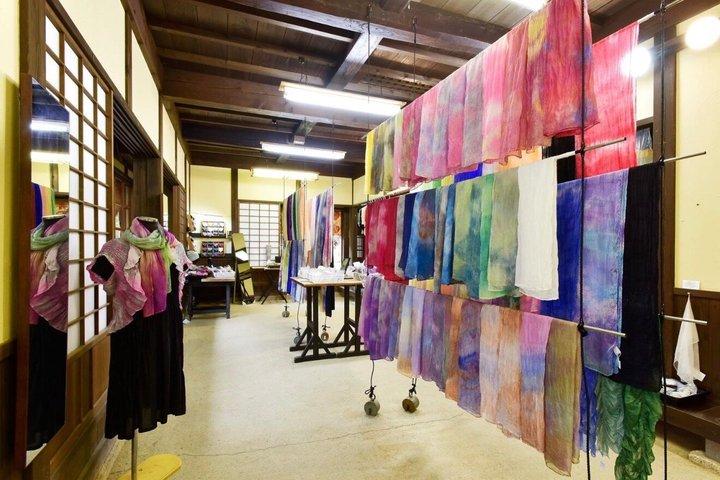
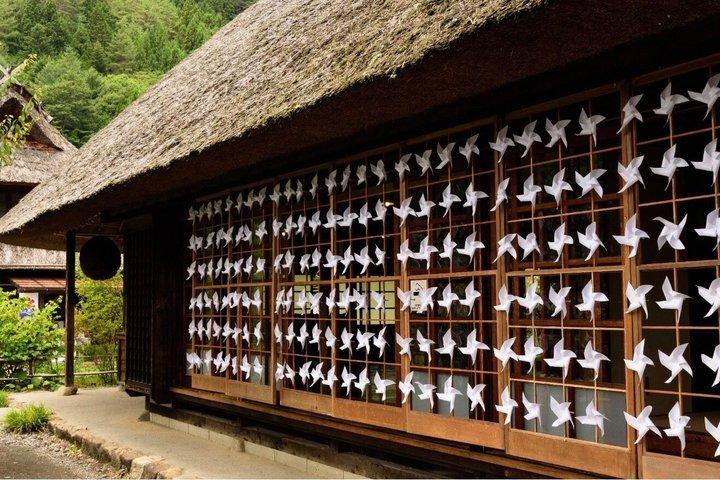
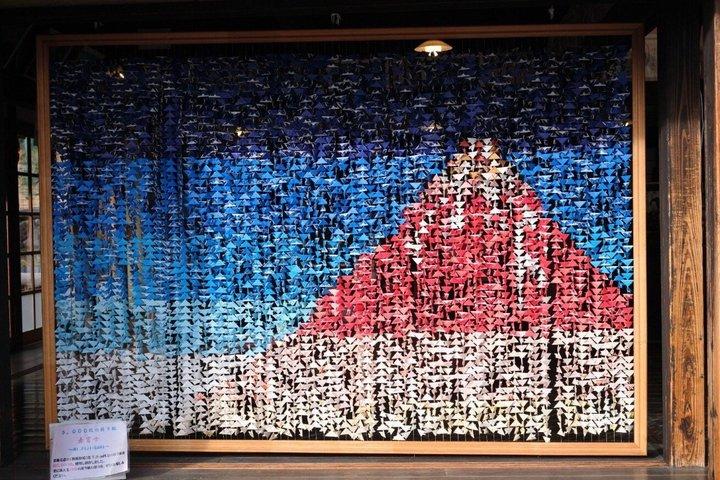
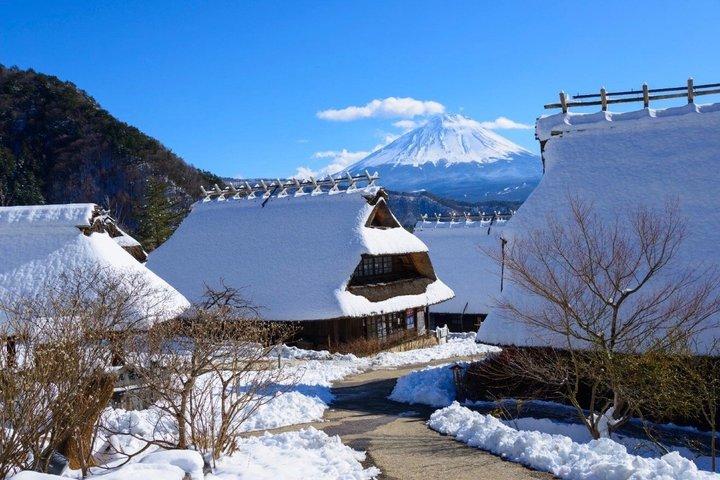
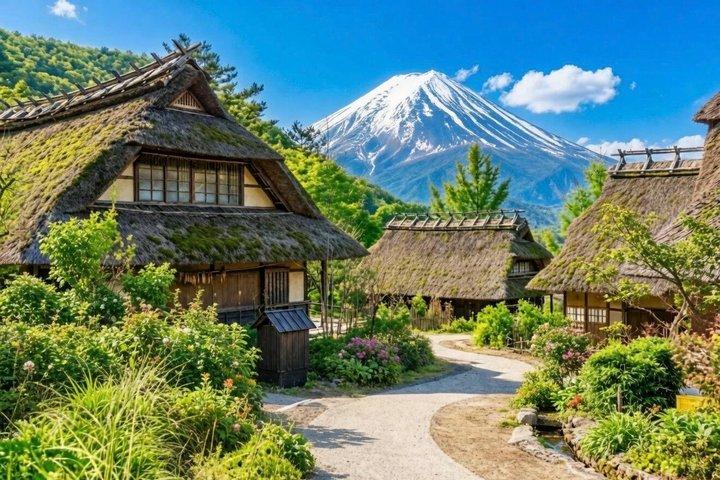
Iyashi no Sato (L| * LO #) stands on the site of a former farming village on the western shores of Lake Saiko. The village was destroyed by a landslide during a typhoon in 1966. Forty years later the village's traditional thatched roofed houses were reconstructed and reopened as an open air museum and traditional craft village where people can learn about the culture and try out and purchase different local handicrafts.
The village is now made up of more than twenty houses that have been converted into shops, restaurants, museums and galleries. Each of the shops specializes in a traditional craft such as pottery, incense or weaving. Some of the handicraft shops, provide hands-on workshops for visitors, such as making incense bags or an owl figurine.
Activities cost 900-1400 yen and do not require advance reservations.
Gotemba Premium Outlets60 min
Gotemba Premium Outlets is
Japan's largest and most popular outlet shopping destination, featuring around 290 stores, restaurants, and breathtaking views of Mount Fuji.