5 min
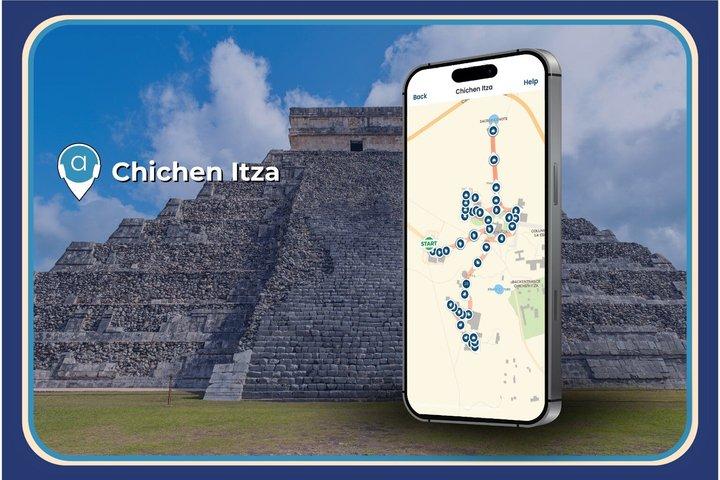
Welcome to the land that the lost civilization of Mayans once inhabited. This place is filled with relics of the past and mysteries that have yet to be unravelled.
New, Lifetime access, no expiry. Use it anytime, on any trip, as many times as you want.
The tour is over 2 miles long, with more than 37 audio stories, and takes about 1-2 hours to complete.
5 min
The Maya civilization was one of the most dominant and advanced Mesoamerican societies of its time.
Admission not included10 min
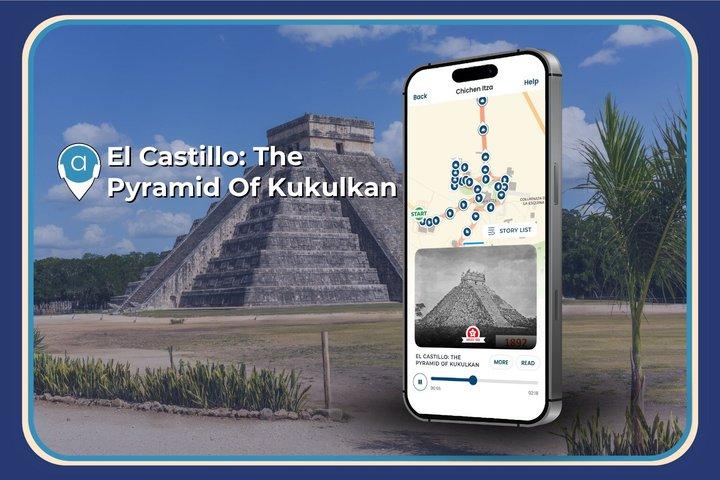
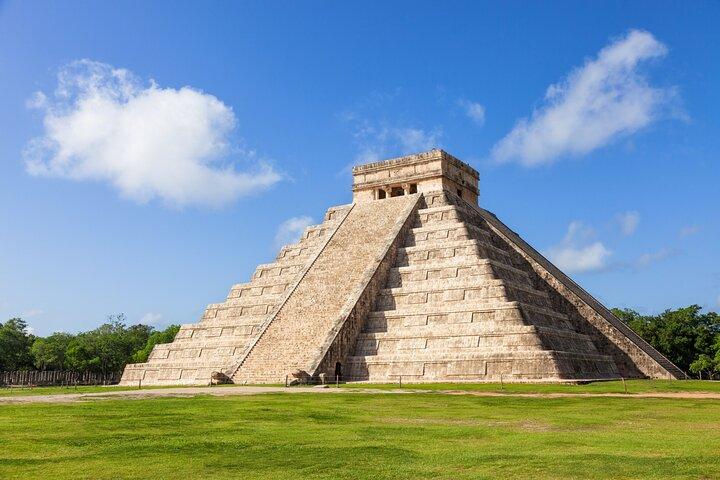
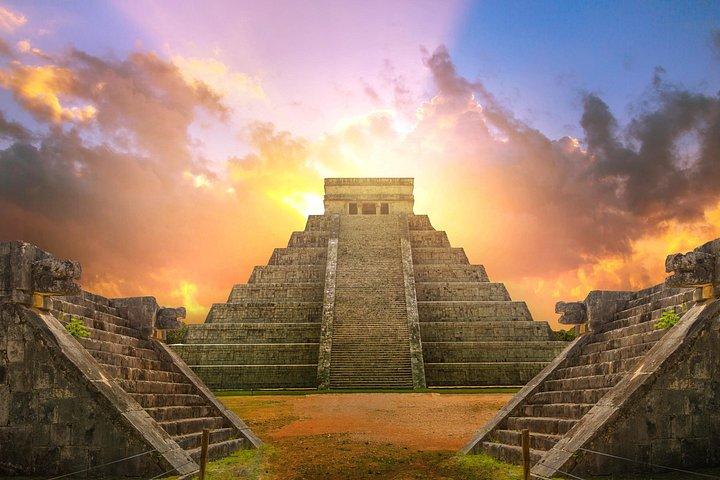
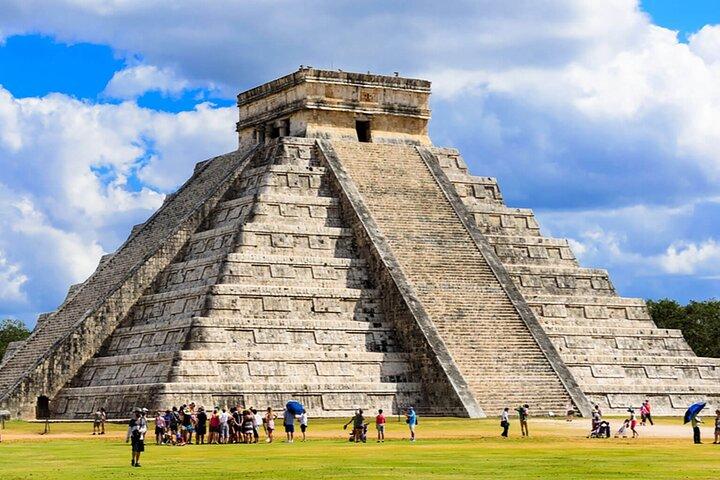
Easily the most famous landmark in Chichen Itza. El Castillo, also known as the Pyramid of Kukulkan, was built to honor the snake deity Kukulkan. Its impressive and imposing architecture also reveals a lot about Mayan civilization, which you'll learn as you admire the striking structure.
Note: This 1.5+ mile long tour covers all the essentials of Chichen Itza in 1-2 hours.
Gran Juego de Pelota5 min
This field is not just a simple playing field, its ties with Mayan culture are more significant as shown by the six sculpted reliefs that run the length of the walls. If you were to look closely, ball players in multiple scenes become visible.
Admission not included5 min
Tzompantli literally means skull rack, and it was once exactly what it sounds like. This represents a place where the heads of sacrificial victims were placed following their sacrifice. The platform depicts warriors carrying human heads, skulls, snakes and eagles on all of the walls.
5 min
This square platform with stairways on each side was likely used for ceremonial purposes like dance, ritual or public speeches, it was never crowned with a temple.
It was designed as a flat stage for public viewing.
El CaracolAdmission not included5 min
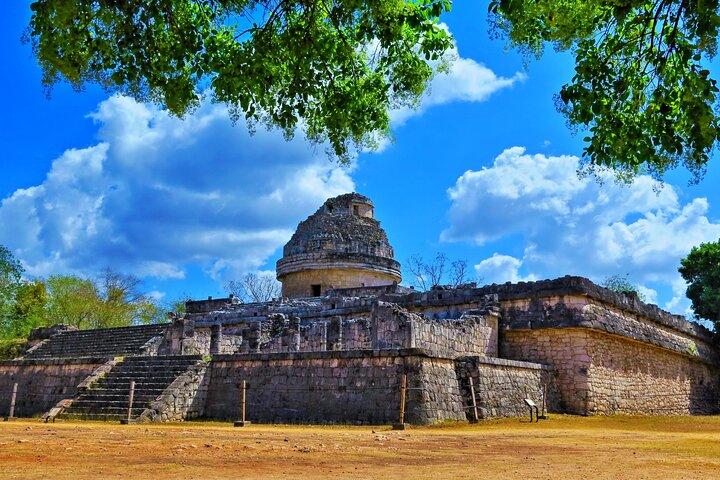
El Caracol is one of the more interesting buildings of Chichen Itza. On top of this structure sit the remains of what was once an observatory. From here, the Mayans would watch the stars and try to infer things about the future based on the movement of the planets.
Chichen ItzaAdmission not included60 min
This sacred site was one of the greatest Mayan centers of the Yucatán peninsula. Throughout its nearly 1,000-year history, different peoples have left their mark on the city. The Maya and Toltec vision of the world and the universe is revealed in their stone monuments and artistic works. The fusion of Mayan construction techniques with new elements from central Mexico makes Chichen-Itza one of the most important examples of the Mayan-Toltec civilization in Yucatán. Several buildings have survived, such as the Warriors’ Temple, El Castillo, and the circular observatory known as El Caracol.
Temple of the WarriorsAdmission not included10 min
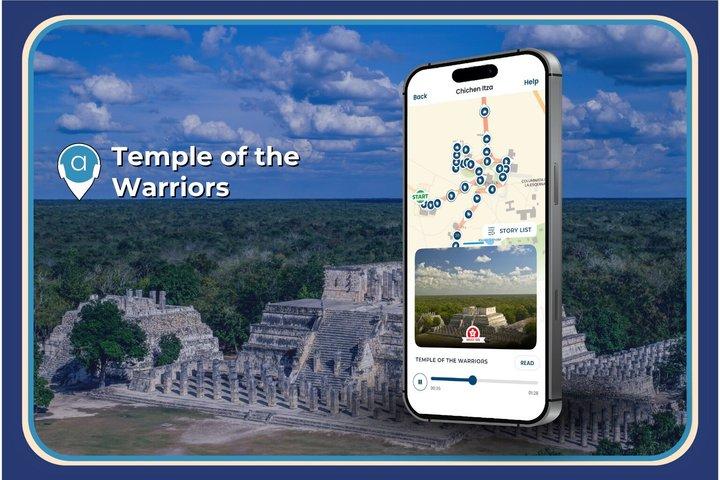
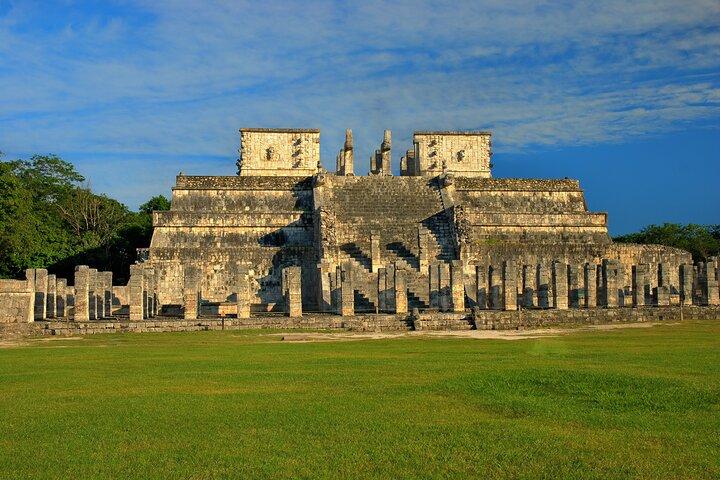
Much like an expensive wedding cake, the Temple of Warriors has three thick tiers at the bottom with a small temple on top. It also features about 200 columns, each of which sports carvings of Toltec warriors in varying scenes.
5 min
It is also known as the House of Little Holes as there is latticework on the top of the building that makes it look like little holes. The building’s Mayan name is Chichanchob, which could possibly mean ‘small holes”.
The OssuaryAdmission not included5 min
This pyramid gets its name from the numerous human remains uncovered here by archaeologists. Within a cavern beneath the pyramid, seven tombs were uncovered, believed to belong to members of Mayan high society.
5 min
El Caracol is one of the more interesting buildings of Chichen Itza. On top of this structure, you can see the remains of what was originally a cylindrically shaped observatory.
5 min
El Osario- otherwise known as the Ossuary - was given its name due to the numerous human and animal bones found on site. It is also known as the High Priest’s Grave.
Las MonjasAdmission not included5 min
The Nunnery, or Las Monjas, is one of the largest buildings in Chichen Itza. It's also one of the most archaeologically significant, owing to the huge number of texts inscribed into the walls, many of which mention a ruler named Kakupakal.
5 min
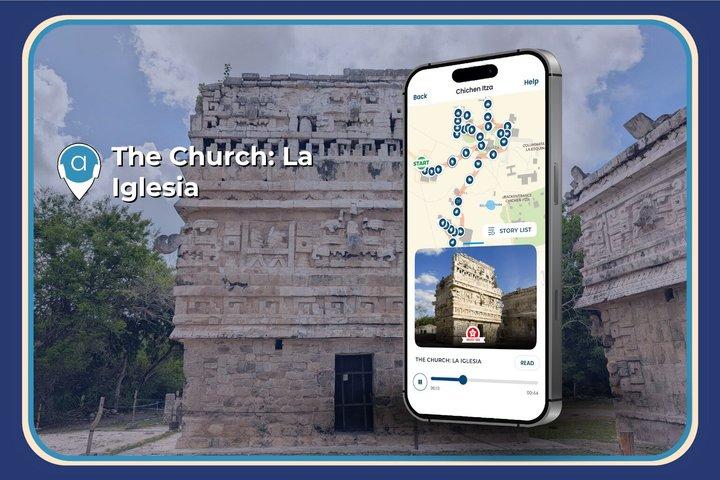
One of the most photographed buildings at Chichen Itza, it’s exterior is almost completely covered with veneer decorations.
Masks of Chac decorate two upper stories. Among the crowd of Chacs there are also an armadillo, a crab, a snail, and a tortoise.